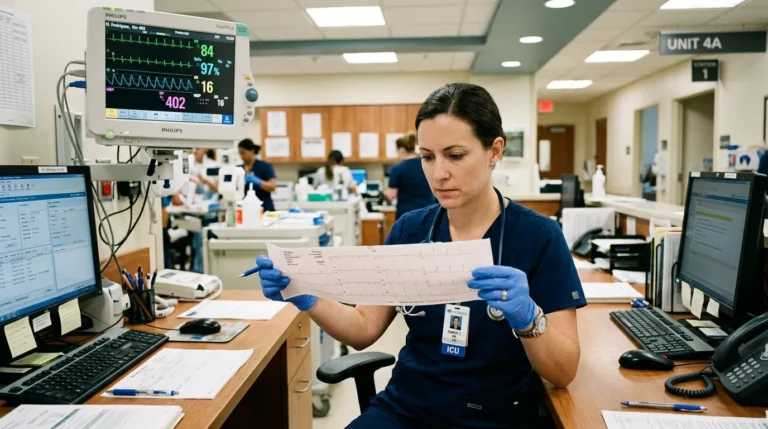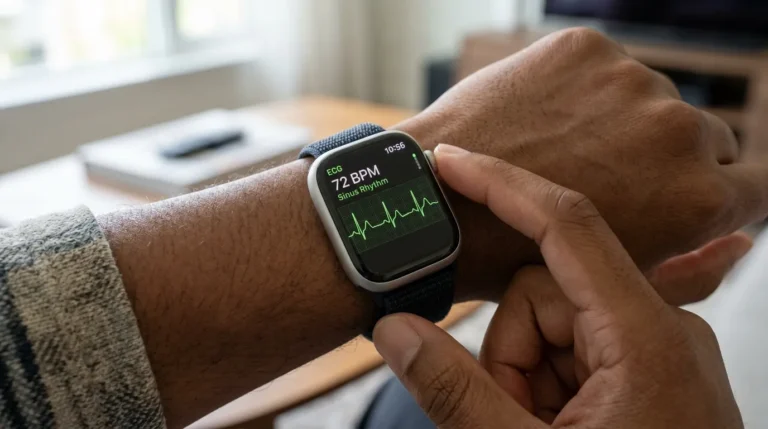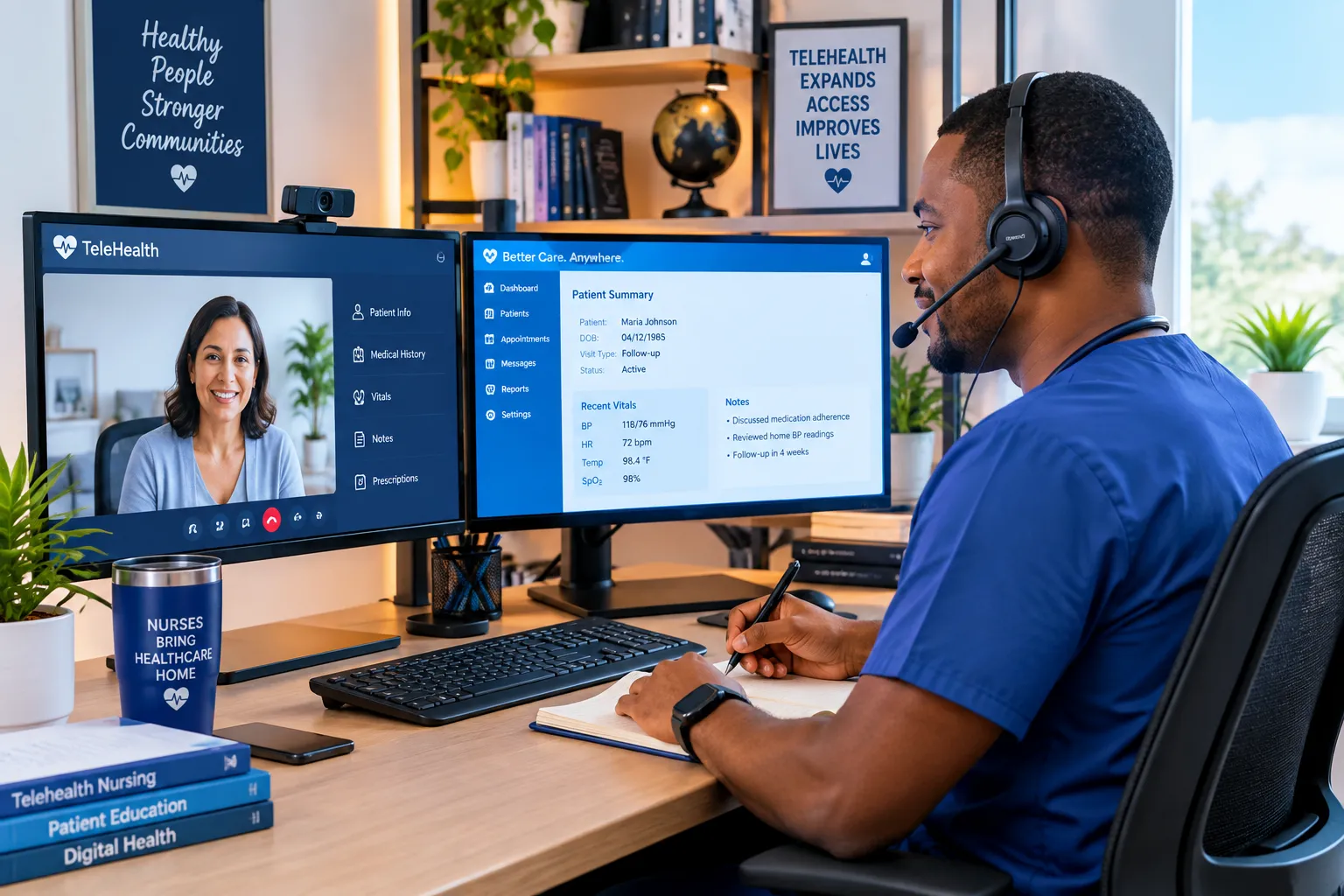

A registered nurse with 10+ years of clinical experience explains “what is telehealth nursing,” roles, skills, platforms, and how to get started.
DISCLAIMER: This content is for informational purposes only and does not replace professional medical advice. Always consult a qualified healthcare provider for clinical decisions.
Table of Contents
Introduction: The Night That Changed How I Think About Nursing
It was close to midnight in the emergency department when a colleague pulled me aside. A patient—a 52-year-old man with uncontrolled hypertension—had been triaged, stabilized, and discharged just three days earlier. He was back, this time in hypertensive crisis. His blood pressure was 210/130 mmHg. He told us he ran out of medication and could not afford another clinic visit. He simply did not make it back in time.
I kept thinking, what if a telehealth nurse had followed up with him at 48 hours post-discharge? What if a remote monitoring alert had flagged his readings before things escalated? That scenario—unfortunately not unique in my ten years of clinical practice—is exactly why telehealth nursing matters deeply to me.
Telehealth nursing is rapidly becoming one of the most essential and fastest-growing specialties in modern healthcare. According to the American Hospital Association, telehealth utilization increased by over 154% during the first year of the COVID-19 pandemic and has stabilized at levels significantly above pre-pandemic baselines. Yet many nurses—even experienced ones—still feel uncertain about what telehealth nursing actually involves, what skills it requires, and how to transition into this growing field.
In this comprehensive guide, I draw on my clinical background—spanning emergency nursing, pediatrics, ICU care, and general ward practice—alongside my technical training in network engineering and systems to give you a uniquely grounded perspective on telehealth nursing. Whether you are a new graduate exploring your options or a seasoned RN considering a specialty shift, this guide will walk you through everything you need to know.
By the end of this article, you will understand the definition and scope of telehealth nursing, the core clinical and technical skills required, the platforms and tools in use today, how telehealth nursing compares to traditional bedside care, licensing and regulatory considerations, how to get started—and what the evidence actually says about patient outcomes. Let us get into it.
1. What Is Telehealth Nursing? A Clinical Definition
Telehealth nursing—sometimes called telenursing or virtual nursing—refers to the delivery of nursing care, clinical assessment, patient education, triage, and care coordination through technology-enabled communication channels. These channels include video conferencing, telephone, secure messaging, mobile health apps, and remote patient monitoring (RPM) devices. According to the American Nurses Association (ANA), telehealth nursing encompasses all nursing practice that uses telecommunications technology to deliver nursing services remotely.
What makes telehealth nursing distinct from a simple phone consultation is its structured, evidence-based approach to remote care. A telehealth nurse does not simply take a message or offer casual advice. She or he follows clinical decision-support protocols, performs systematic virtual assessments, documents findings in electronic health records, coordinates with interdisciplinary teams, and escalates care when in-person evaluation is required.
The core purpose remains unchanged from bedside nursing: advocate for the patient, prevent harm, promote health, and coordinate safe, effective care. The tools just look different.
Telehealth vs. Telemedicine: Understanding the Difference
Many people use ‘telehealth’ and ‘telemedicine’ interchangeably. There is an important distinction, however. Telemedicine refers specifically to remote clinical services provided by licensed physicians — diagnosis, prescribing, and medical management. Telehealth is the broader umbrella that includes all health services delivered remotely, including nursing, pharmacy consultations, behavioral health therapy, physical therapy, and patient education.
Telehealth nursing sits squarely within this broader definition and operates within the full scope of nursing practice as defined by each jurisdiction’s Nurse Practice Act.
A Brief History: How Telehealth Nursing Evolved
Telehealth nursing did not begin with the COVID-19 pandemic. Its roots stretch back to the 1970s, when early telephone triage programs were established in the United States. By the 1990s, clinical call centers staffed by registered nurses began providing standardized phone-based triage using validated protocols like Schmitt-Thompson Clinical Content. The internet era accelerated the adoption of secure video platforms, and the passage of laws like the U.S. HITECH Act and later the 2020 COVID emergency waivers dramatically expanded telehealth reimbursement and adoption.
Today, telehealth nursing spans multiple care settings — hospitals, outpatient clinics, home health agencies, insurance companies, school-based health programs, and military health systems. It has become a permanent fixture in the modern healthcare workforce.
2. Context & Background: The Rise of Telehealth in Healthcare — A Clinical Perspective
Why Telehealth Nursing Matters Right Now
The global shortage of healthcare workers is staggering. The World Health Organization projects a shortfall of 10 million health workers worldwide by 2030, with low- and middle-income countries — including Ghana — bearing the heaviest burden. Telehealth is not just a convenience; it is increasingly a strategic necessity.
In my years practicing in Ghana’s public health system, I have watched patients travel for hours to access specialist consultations available only in regional capitals. I have seen mothers with sick children wait entire days in outpatient queues for assessments that could, with the right infrastructure, have been conducted virtually. Telehealth nursing, in this context, is not a luxury technology for wealthy health systems. It is a tool for equity.
Research published in The Lancet Digital Health confirms that telehealth interventions can produce outcomes comparable to in-person care for many chronic disease management scenarios, including hypertension, diabetes, and mental health — conditions that represent a significant burden across sub-Saharan Africa and globally (Tuckson et al., 2017).
Current Statistics You Should Know
These numbers help frame the scope of telehealth’s growth:
- 154%+: Increase in telehealth utilization during the COVID-19 pandemic’s first year (AHA, 2021)
- 76%: Percentage of U.S. hospitals now providing some form of telehealth services (AHA, 2022)
- $396 billion: Projected global telehealth market size by 2027 (Grand View Research, 2022)
- 38 million+: Medicare beneficiaries who used telehealth services in 2021 (CMS, 2022)
- 91%: Patient satisfaction rate with telehealth nursing visits in multiple studies (AHRQ, 2023)
Clinical Guidelines and Standards
The ANA’s Telehealth and Telenursing Advisory Panel published core principles for telehealth nursing practice emphasizing patient-centered care, scope of practice adherence, and documentation standards. The National Council of State Boards of Nursing (NCSBN) has also issued extensive guidance on the Nurse Licensure Compact and interstate telehealth nursing practice.
Within hospital systems, the Joint Commission and NCQA now include telehealth-specific quality metrics in accreditation reviews, signaling that virtual care delivery is no longer optional or experimental — it is expected to meet the same clinical standards as in-person care.
Who Benefits Most
Telehealth nursing offers the greatest value for specific patient populations:
- Patients with chronic diseases requiring frequent monitoring (hypertension, diabetes, heart failure, COPD)
- Post-discharge patients at high risk of readmission
- Elderly or mobility-limited patients with transportation barriers
- Pediatric patients with routine follow-up needs
- Mental health patients requiring consistent check-ins
- Rural and underserved populations with limited clinic access
- Healthcare workers seeking occupational health consultations
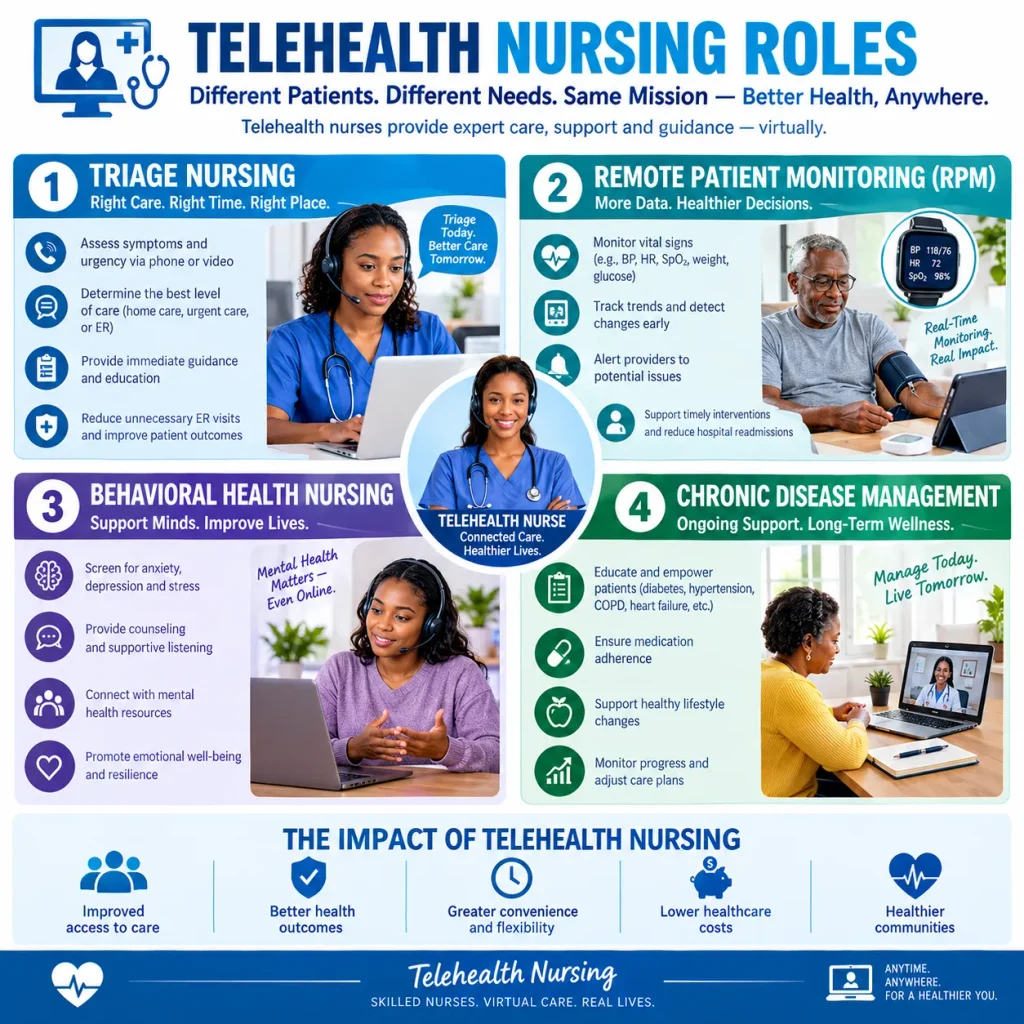
3. What Telehealth Nurses Actually Do: Roles and Responsibilities
When I describe telehealth nursing to colleagues who have not worked in the field, I often get a skeptical look — as if to say, ‘So you just answer phone calls?’ The reality is far more clinically demanding and professionally rewarding. Let me break down what telehealth nurses actually do.
Telephone and Video Triage
This is often the first touchpoint many nurses associate with telehealth. Triage nurses use validated clinical decision-support tools — such as Schmitt-Thompson protocols or the NHS Pathways system — to assess symptom urgency and direct patients to the appropriate level of care. Making triage decisions without the ability to auscultate lung sounds, palpate an abdomen, or observe subtle clinical signs requires highly developed critical thinking and excellent communication skills.
In my emergency nursing experience, the nurses who transitioned most successfully to telephone triage were those who had developed strong diagnostic intuition through years of bedside observation. You learn to hear clinical information in a patient’s voice — the breathlessness between sentences, the hesitation when asked about chest pain. That kind of pattern recognition does not happen without clinical depth.
Remote Patient Monitoring (RPM) Oversight
RPM involves using connected devices — blood pressure cuffs, glucometers, pulse oximeters, cardiac monitors — to transmit patient health data in real time or at scheduled intervals. Telehealth nurses review these data streams, identify trends or alerts, contact patients when readings fall outside parameters, adjust care plans in coordination with physicians, and document all interactions. According to the American Heart Association, RPM programs for heart failure patients have shown a 30-50% reduction in 30-day hospital readmissions (Chaudhry et al., 2010).
Chronic Disease Management and Patient Education
A significant portion of telehealth nursing involves ongoing management of patients with chronic conditions. This includes structured video visits to assess disease control, medication adherence coaching, lifestyle counseling, and proactive identification of early decompensation. Nurses in this role often carry panels of patients — similar to a clinic nurse’s caseload — whom they see regularly via virtual visits.
I have had patients with hypertension who, with weekly telehealth check-ins and education about dietary sodium reduction, achieved blood pressure control that had eluded them for years in traditional clinic settings. The continuity possible in telehealth is one of its most underappreciated clinical advantages.
Post-Discharge Follow-Up
One of the most high-value applications of telehealth nursing is structured post-discharge follow-up. Hospital readmissions — particularly within 30 days — are a major quality and cost burden for health systems. Telehealth nurses contact recently discharged patients within 24-72 hours, confirm medication acquisition and adherence, assess for early warning signs of deterioration, reinforce discharge instructions, and coordinate follow-up appointments.
Behavioral Health and Crisis Support
Telehealth has become particularly important in behavioral health nursing. Psychiatric nurses and mental health-trained RNs provide virtual support, medication monitoring, crisis de-escalation, and care coordination for patients with depression, anxiety, PTSD, and serious mental illnesses. The demand for this subspecialty has grown sharply since 2020.
Other Key Roles
- Occupational health nursing (virtual pre-employment assessments, injury management)
- School nursing (telehealth consultations for school-based health centers)
- Military/veterans health (VA telehealth programs)
- Hospice and palliative care (family support, symptom management guidance)
- Insurance utilization management and case management
- Medical call center nursing (nurse advice lines)
4. Core Clinical Skills Required for Telehealth Nursing
This is the section I wish someone had written for me before I began exploring telehealth. There is a persistent myth that telehealth nursing requires fewer clinical skills because you are not performing hands-on procedures. That is backward. Telehealth nursing demands a higher baseline of clinical judgment precisely because you cannot physically examine the patient.
Advanced Assessment and Critical Thinking
Without the ability to auscultate, palpate, or percuss, telehealth nurses rely almost entirely on structured subjective data gathering, patient-reported observations, and remote monitoring data. This requires mastery of systematic history-taking, knowledge of clinical decision rules (like the Wells criteria for DVT or the HEART score for chest pain), and the discipline to recognize when a symptom constellation demands immediate escalation to in-person care.
Communication and Therapeutic Listening
If there is one skill that separates excellent telehealth nurses from adequate ones, it is communication. In a video or phone encounter, you cannot rely on touch, proximity, or physical presence to establish rapport. You must build trust through your words, your tone, your pace, and your listening. I have found that nurses with pediatric or psychiatric backgrounds often make the strongest telehealth communicators — both specialties demand extraordinary attunement to nonverbal and verbal cues.
Clinical Documentation
Documentation in telehealth is not a secondary task — it is a primary clinical and legal responsibility. Every encounter must be documented with the same rigor as an in-person visit: chief complaint, history, assessment findings, clinical decisions, care plan, follow-up instructions, and escalation criteria. Many telehealth platforms integrate with EHR systems, but the nurse must ensure documentation accurately reflects the clinical encounter and supports continuity of care.
Triage Decision-Making
Whether using a formal protocol system or applying professional nursing judgment, telehealth nurses must confidently and accurately determine the urgency of patient needs. This includes knowing when to direct a patient to call emergency services immediately, when to recommend urgent clinic evaluation within hours, when next-day appointment guidance is appropriate, and when self-care management with specific return precautions is the right recommendation.
Poor triage decisions in telehealth carry real consequences — undertriage can result in preventable clinical deterioration; overtriage overwhelms emergency resources and increases costs. The responsibility is real and demands clinical maturity.
Health Coaching and Motivational Interviewing
Because chronic disease management is central to telehealth nursing, skills in behavioral health coaching and motivational interviewing are highly valued. The ability to help a patient with diabetes understand why consistent glucose monitoring matters — and to build the motivation to sustain that behavior — is as clinically important as knowing the pharmacology of insulin.
5. Technical and Digital Skills Every Telehealth Nurse Needs
Here is where my background in network engineering adds a perspective most nursing guides cannot offer. You do not need to be an IT professional to practice telehealth nursing — but understanding the technical ecosystem you are working within makes you a significantly more effective clinician and advocate.
Electronic Health Record (EHR) Proficiency
Telehealth nurses must be highly proficient with EHR platforms. The most common systems include Epic, Cerner, Meditech, and Allscripts. You will document encounter notes, review medication lists, order follow-up diagnostics (in coordination with physicians), and communicate with other team members through EHR messaging. If you have not already, invest time in formal EHR training and pursue specialty certifications if available.
Video Platform Navigation and Troubleshooting
Zoom for Healthcare, Doximity Telehealth, Teladoc, Doxy.me, and Microsoft Teams for Healthcare are among the platforms in common use. As a telehealth nurse, you must be able to quickly troubleshoot common patient-side technical issues — camera permissions, microphone settings, poor bandwidth — and guide a 72-year-old patient through joining a video call with patience and clarity.
Knowing the basics of video communication — how to ensure your background is professional and HIPAA-appropriate, how lighting affects image quality during a clinical assessment, how to maintain patient dignity during a video exam — is part of the professional toolkit.
Remote Monitoring Platform Literacy
If you work in an RPM-heavy role, you will interact daily with monitoring dashboards from platforms like Philips eCareCoordinator, iRhythm, Dexcom Clarity, Omada, or Health Recovery Solutions. These systems aggregate patient-generated health data and alert nurses to readings outside established parameters. Understanding how to interpret, escalate, and document these data streams is essential.
Data Security and HIPAA Compliance
Telehealth nursing takes place in a digital environment where patient data is transmitted across networks. Nurses must understand the basics of HIPAA’s Security Rule as it applies to electronic protected health information (ePHI), know how to use only approved, encrypted communication platforms, recognize phishing and social engineering risks, and practice proper password and access management — particularly when working from a home office.
My network engineering background taught me to think about data flow and security in ways that have been genuinely useful in healthcare technology environments. Even a basic understanding of network security principles helps nurses make better decisions about technology use in clinical contexts.
6. Telehealth Nursing Platforms and Tools
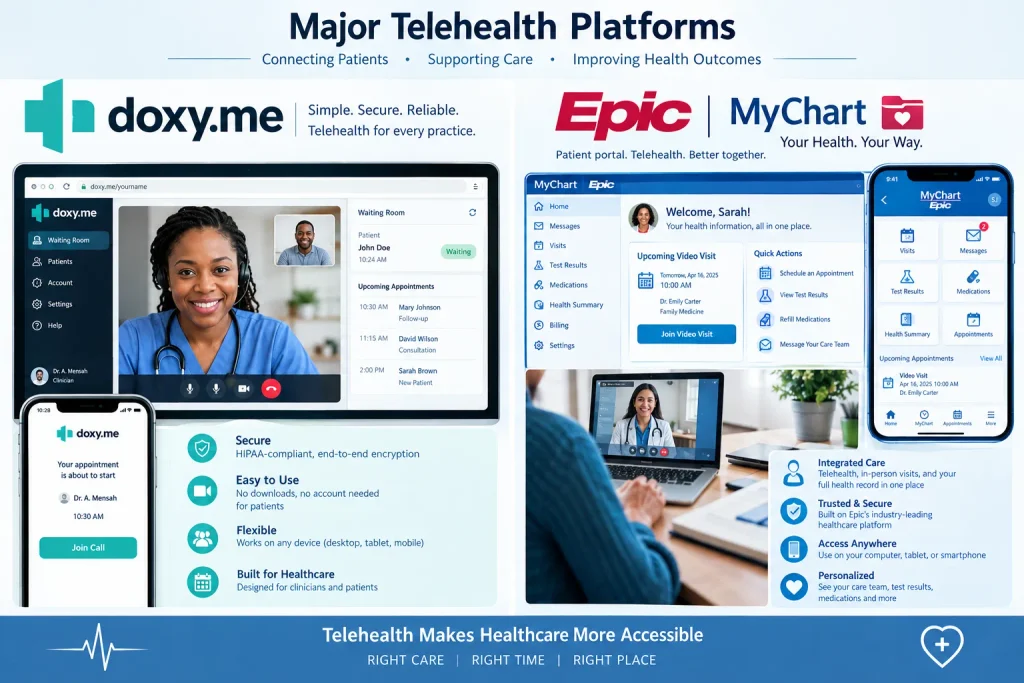
The telehealth technology ecosystem is large and rapidly evolving. Rather than an exhaustive product review, here is a practical overview of the major categories and key tools nurses should be familiar with.
Video Telehealth Platforms
- Doxy.me: Browser-based, no download required for patients; widely used in small practices
- Zoom for Healthcare: HIPAA-compliant version of Zoom with BAA agreements; integrates with many EHRs
- Teladoc Health: One of the largest dedicated telehealth platforms; used by major employers and health plans
- Doximity Telehealth: Widely used in U.S. hospital systems; integrates with physician-facing workflows
- Epic MyChart Video: Embedded in Epic EHR; used by many large hospital systems
Remote Patient Monitoring (RPM) Systems
- Philips eCareCoordinator: Enterprise-level RPM platform for managing large patient panels
- Health Recovery Solutions (HRS): Post-acute RPM focused on reducing readmissions
- Omada Health: Diabetes prevention and chronic disease management programs with RPM integration
- iRhythm / Zio Patch: Cardiac monitoring platform for arrhythmia detection
- Dexcom Clarity: CGM (continuous glucose monitor) data platform for diabetes management
Clinical Decision Support Tools
- TriageLogic: Nurse triage protocol system based on Schmitt-Thompson guidelines
- Bright.md: Asynchronous virtual care platform with integrated clinical protocols
- UpToDate: Evidence-based clinical reference used at the point of care
Communication and Coordination Tools
- TigerConnect / Imprivata Cortext: HIPAA-secure clinical messaging platforms
- Microsoft Teams for Healthcare: Integrated communication with EHR workflow support
- Spok: Clinical communications platform used in hospital-based telehealth
7. Telehealth vs. Traditional Nursing: Key Differences
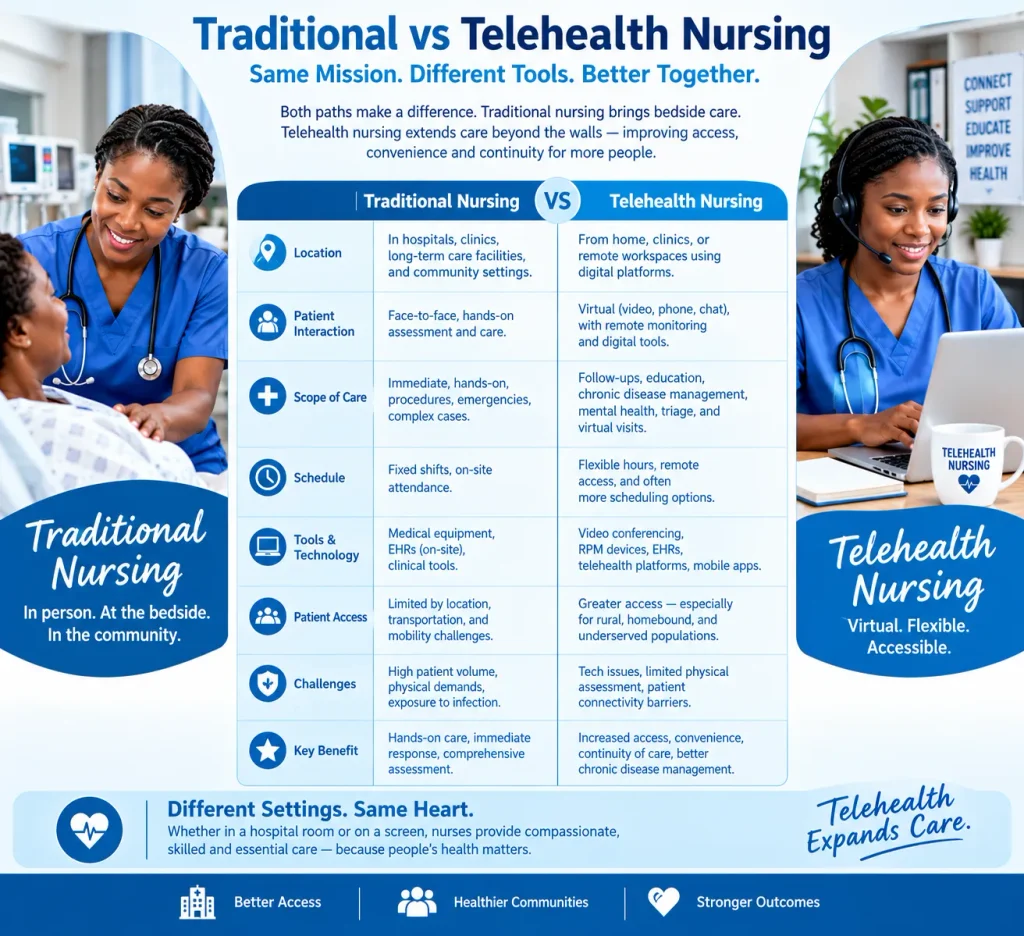
Understanding how telehealth nursing differs from traditional bedside nursing is essential — not to rank one above the other, but to understand how skills translate and what gaps you may need to address in a transition.
| Dimension | Traditional Bedside Nursing | Telehealth Nursing |
|---|---|---|
| Physical Assessment | Hands-on: inspection, palpation, auscultation, percussion | Visual and verbal: patient-reported data, video observation, RPM device readings |
| Work Environment | Hospital, clinic, or care facility | Home office, call center, or hospital virtual care hub |
| Patient Volume | Varies by unit; typically 4-8 patients on med-surg, 2-3 in ICU | High volume possible; some triage nurses handle 30-60+ contacts per shift |
| Primary Tools | Stethoscope, IV supplies, monitoring equipment, EHR terminal | Computer, headset, EHR, video platform, RPM dashboard, clinical protocols |
| Schedule | Shift-based (8-, 10-, or 12-hour shifts including nights/weekends) | Varied; many telehealth roles offer flexible or remote scheduling |
| Physical Demands | High: prolonged standing, patient lifting, rapid response | Lower physical intensity; higher cognitive and communicative demand |
| Continuity of Care | Often fragmented across shifts and transitions | Can offer stronger longitudinal continuity for managed patient panels |
| Emergency Response | Direct intervention: CPR, defibrillation, IV access | Indirect: activate EMS, coach bystanders, coordinate immediate response |
8. Licensing, Regulation, and Legal Considerations
This section may be the most practically important for nurses considering a move into telehealth. The regulatory landscape is complex, varies significantly by country and jurisdiction, and is still evolving. Here is what you need to understand.
United States: The Nurse Licensure Compact (NLC)
The Nurse Licensure Compact (NLC) is a mutual recognition agreement between participating U.S. states that allows nurses to hold one multi-state license and practice in all member states. As of 2026, 41 states and territories participate in the NLC. This is critically important for telehealth nurses who may be physically located in one state while providing care to patients in another.
If you are practicing telehealth in the U.S. and your state is not a compact member, you may need to obtain individual state licenses for each state where your patients are located. This is a significant compliance issue that nurses and employers must proactively manage.
Scope of Practice
Telehealth nursing must remain within the nurse’s defined scope of practice as established by the applicable Nurse Practice Act. Telehealth does not expand scope — a nurse cannot diagnose, prescribe, or perform actions outside her licensure simply because the encounter is virtual. This is a common misconception that can create serious legal and professional liability.
Documentation and Liability
Because telehealth encounters may be subject to scrutiny in cases of adverse outcomes, meticulous documentation is a non-negotiable professional standard. Document the date and time of the encounter, the technology platform used, attempts to contact the patient, all clinical findings reported or observed, clinical decision rationale, patient education provided, follow-up instructions, and escalation actions taken.
International Considerations
Outside the United States, telehealth nursing regulation varies enormously. In the United Kingdom, the Nursing and Midwifery Council (NMC-UK) has published guidance for registrants practicing in digital care settings. In Ghana and across much of sub-Saharan Africa, specific telehealth nursing regulations are still developing, though the Nurses and Midwifery Council (NMC) Ghana and the Ghana Health Service have begun formalizing frameworks for digital health practice.
Nurses practicing internationally or working for global telehealth platforms should seek legal guidance about applicable licensing and regulatory requirements.
9. Telehealth Nursing Subspecialties
Telehealth nursing is not a single role — it is an umbrella that contains a growing array of clinical subspecialties. Here is an overview of the major areas:
Nurse Triage
The largest and most established telehealth nursing subspecialty. Triage nurses staff nurse advice lines and clinical call centers, assessing symptoms and directing patients to appropriate care levels. Many insurance companies, hospital systems, and telehealth platforms employ large teams of triage nurses. Certification is available through the American Academy of Ambulatory Care Nursing (AAACN).
Chronic Disease Management Nursing
Focused on managing panels of patients with specific chronic conditions — hypertension, diabetes, heart failure, COPD — through regular virtual visits and RPM data review. Often embedded within medical home or accountable care organization models.
Hospital at Home / Acute Care Telehealth
An emerging model in which hospital-level care is delivered in the patient’s home, supported by in-home nursing visits and continuous remote monitoring overseen by telehealth nurses in a central hub. Programs like the Brigham and Women’s Hospital at Home have demonstrated safety and patient satisfaction outcomes comparable to traditional hospitalization (Leff et al., 2005).
Behavioral Health Telehealth Nursing
Psychiatric-mental health nurses (PMHNPs) and RNs with behavioral health training provide virtual assessment, medication monitoring, crisis support, and care coordination. This specialty saw explosive demand growth beginning in 2020 and continues to expand.
Pediatric Telehealth Nursing
Pediatric nurses in telehealth settings manage developmental follow-up, acute illness triage, chronic condition management, and caregiver education. This subspecialty requires specialized communication skills for engaging both children and their caregivers through a screen.
ICU Telemedicine (eICU)
The eICU model deploys intensivist physicians and critical care nurses in remote monitoring hubs to provide continuous oversight of ICU patients across multiple hospital sites simultaneously. Nurses in these roles review real-time vital signs, waveforms, and ventilator data, alert bedside teams to concerning trends, and support complex clinical decisions. Research published in Critical Care Medicine has shown eICU programs associated with reduced ICU mortality and length of stay (Lilly et al., 2011).
Occupational Health Telehealth
Occupational health nurses use telehealth to conduct return-to-work assessments, manage workplace injuries remotely, provide health coaching for employee wellness programs, and conduct virtual ergonomic assessments. This area has grown significantly as remote work has become more common.
10. How to Transition into Telehealth Nursing
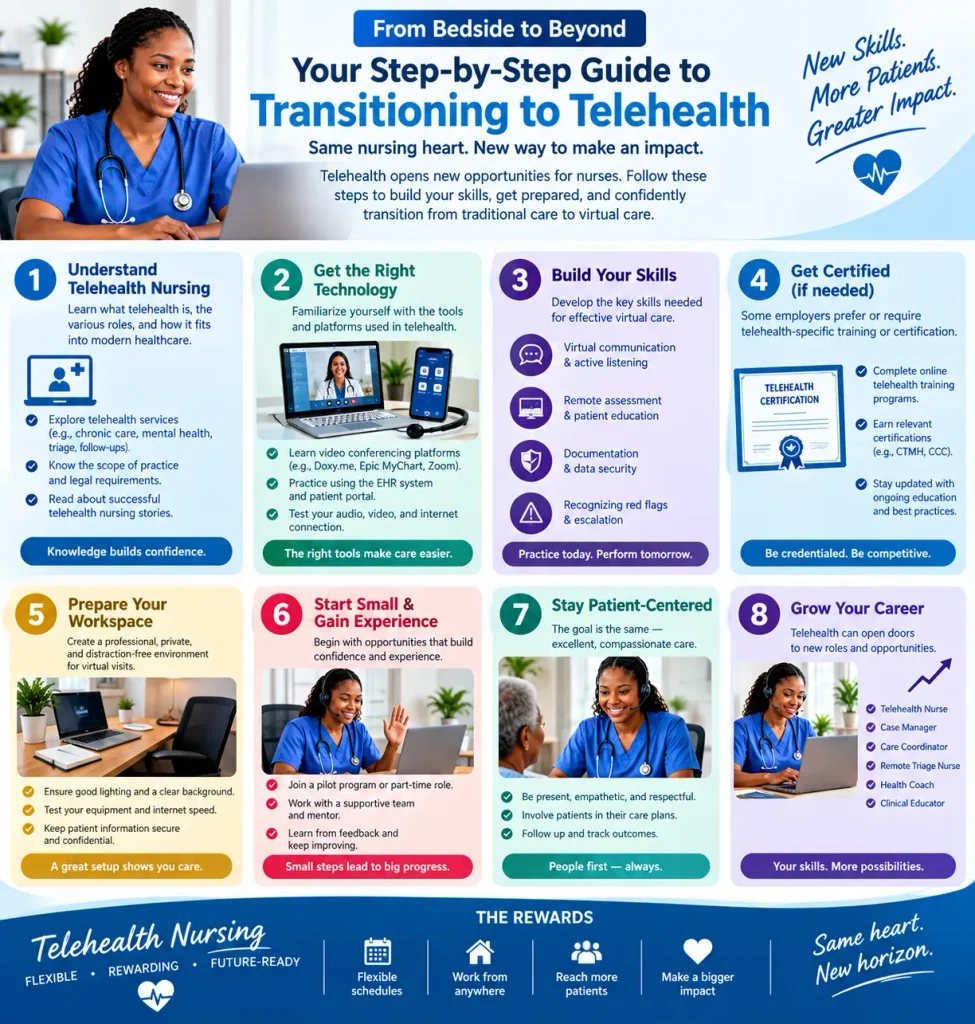
This is the question I am asked most often by colleagues curious about telehealth. Here is the honest, step-by-step answer based on my experience and research.
Step 1: Build Your Clinical Foundation First
- Complete at least 2-3 years of bedside nursing experience before transitioning full-time to telehealth. Most telehealth employers require this, and for good reason — remote clinical judgment depends on pattern recognition built through hands-on patient care.
- Experience in high-acuity settings (ER, ICU, medical-surgical) provides the strongest foundation for triage and acute telehealth roles.
- Pediatric or primary care experience is particularly valuable for chronic disease management and triage roles.
Step 2: Strengthen Relevant Skills
- Enroll in a formal telephone triage training program if you plan to work in that subspecialty.
- Complete EHR-specific training (Epic, Cerner) if you do not already have proficiency.
- Consider a course in motivational interviewing or health coaching.
- If you plan remote or home-office work, ensure your home internet connection meets HIPAA-compliant speed and security requirements.
Step 3: Obtain Relevant Certifications
- RN-BC (Ambulatory Care Nursing): Offered by ANCC; demonstrates expertise in outpatient and telehealth nursing contexts
- Telehealth Nursing Certificate: Available through AAACN; specifically designed for telenursing practice
- Certified Telephone Triage Nurse (CTTN): Offered by the American Academy of Ambulatory Care Nursing
- Case Management Certification (CCM): Useful for telehealth nurses in care coordination roles
Step 4: Explore the Job Market
- Search telehealth nursing positions on major job boards: Indeed, LinkedIn, NurseFly, Incredible Health.
- Consider hospital system telehealth programs, insurance company nurse case management departments, telehealth companies (Teladoc, MDLive, American Well), and federal employers (VA, Indian Health Service).
- For international nurses: research remote nursing opportunities that may allow you to work across time zones from your home country.
Step 5: Prepare Your Home Work Environment
- Invest in a reliable computer with adequate processing power, a quality webcam, and a headset with a noise-canceling microphone.
- Ensure your internet connection is stable (minimum 25 Mbps download/upload for video-heavy work).
- Create a private, professional workspace that meets HIPAA privacy requirements—no visible patient information, no unauthorized people within earshot.
- Test your video setup before your first encounter: lighting, background, audio quality.
11. Clinical Insights: What Nurses Know That Marketing Doesn’t Tell You
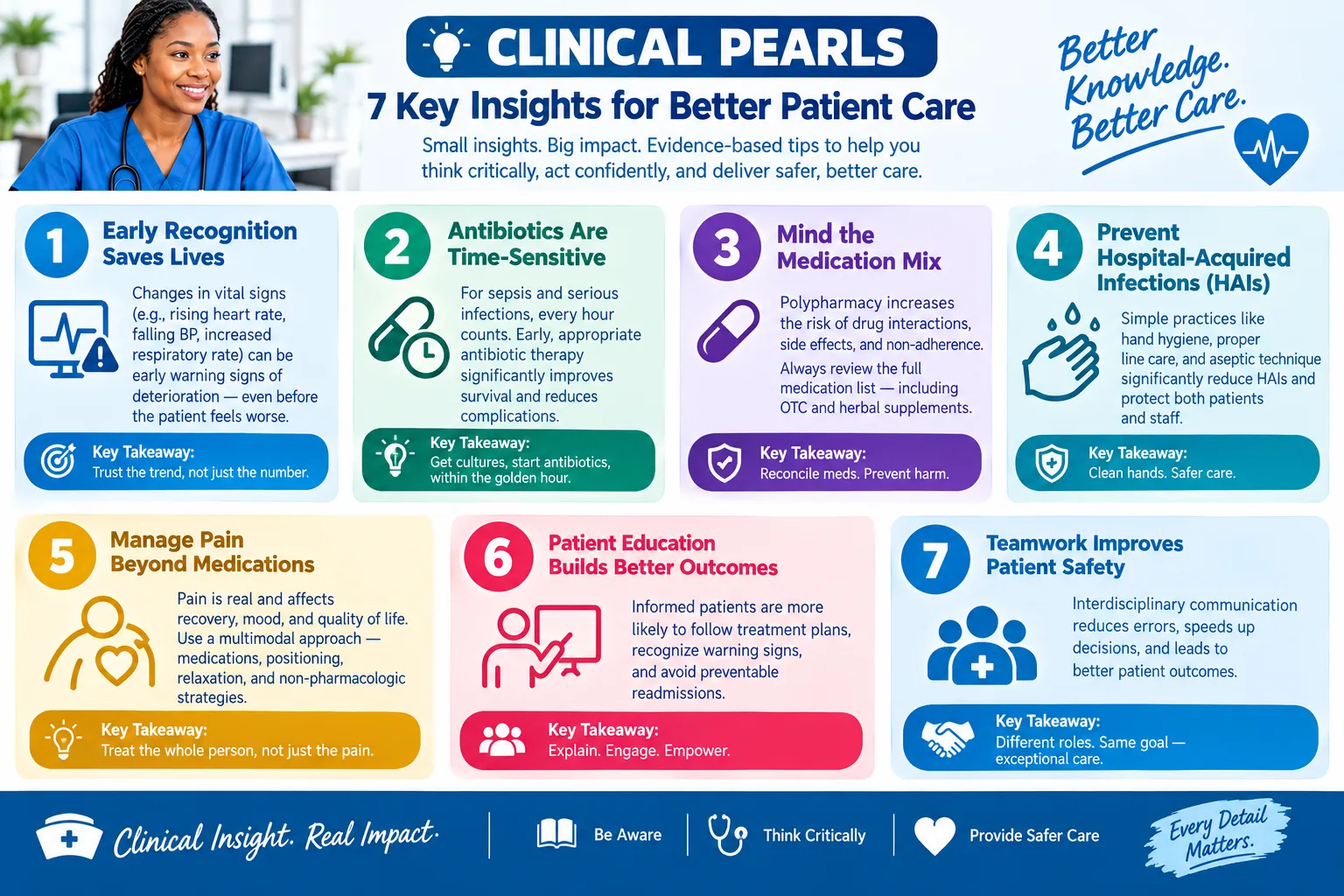
After ten years at the bedside and deep engagement with telehealth literature and practice, here are the clinical pearls I wish more nurses — and healthcare administrators — understood.
Clinical Pearl 1: Technology Does Not Replace Clinical Judgment
Every telehealth platform vendor will tell you their AI-powered triage tool or decision-support algorithm will make your clinical decisions easier. And to some extent, these tools are useful. But I have seen nurses defer to protocol outputs without applying independent clinical reasoning — and that is dangerous. Technology supports nursing judgment; it does not replace it. The nurse remains the responsible clinician in every telehealth encounter.
Clinical Pearl 2: Digital Equity Is a Real Clinical Problem
Not all patients can effectively access telehealth. Elderly patients with limited technology literacy, patients without reliable internet access, patients who speak languages not supported by the platform, and patients with hearing or vision impairments may face significant barriers. A 2021 study in Health Affairs found that older adults, Black, and Hispanic patients were significantly less likely to complete telehealth visits than their counterparts. Telehealth nurses must proactively identify these barriers and have alternatives in place.
Clinical Pearl 3: Burnout Is Different But Real in Telehealth
Telehealth nursing burnout looks different from bedside burnout. Without the physical cues of patient distress — without holding a patient’s hand or being present in the room — some nurses feel a disconnection that compounds compassion fatigue over time. Others find the cognitive intensity of high-volume triage exhausting in its own right. Self-care strategies and peer support remain essential, even in virtual nursing environments.
Clinical Pearl 4: Documentation Is Your Most Important Protection
In a telehealth encounter, you cannot prove what you assessed or advised unless it is documented. I have seen nurses face liability concerns in telehealth because their documentation did not reflect the clinical complexity of a decision. Document as if a peer reviewer — or a plaintiff’s attorney — might read every line. That standard protects you and your patients.
Clinical Pearl 5: Families Are Assets in Telehealth
In pediatric and elderly care settings, family members present during a telehealth visit can be extraordinary clinical allies. A parent who can describe a child’s fever pattern precisely, a spouse who can hold a phone camera to show a wound — these are informational advantages unavailable in many traditional clinic settings. Train yourself to actively engage family members in the telehealth encounter.
Clinical Pearl 6: When to Break Protocol and Escalate
No triage protocol covers every presentation. Some patients will call with seemingly minor symptoms that, combined with clinical intuition, signal something serious. Trust that intuition. I have had patients describe headaches that ‘feel different’ — and after careful questioning, we identified signs consistent with subarachnoid hemorrhage risk. When your clinical experience tells you something does not add up, escalate. Document your reasoning. The protocol is a guide, not a guarantee.
Clinical Pearl 7: Evidence Is Growing — But Gaps Remain
The evidence base for telehealth nursing is growing rapidly but is not uniformly strong across all care areas. Chronic disease management and post-discharge follow-up have the most robust supporting evidence. Acute triage and behavioral health telehealth are promising but require more high-quality research. A 2022 Cochrane Review of telephone triage found generally safe and effective outcomes but noted the need for standardized protocols and outcome measurement. Stay current with the evidence and advocate for practice to follow it.
12. Red Flags and Safety Considerations in Telehealth Nursing
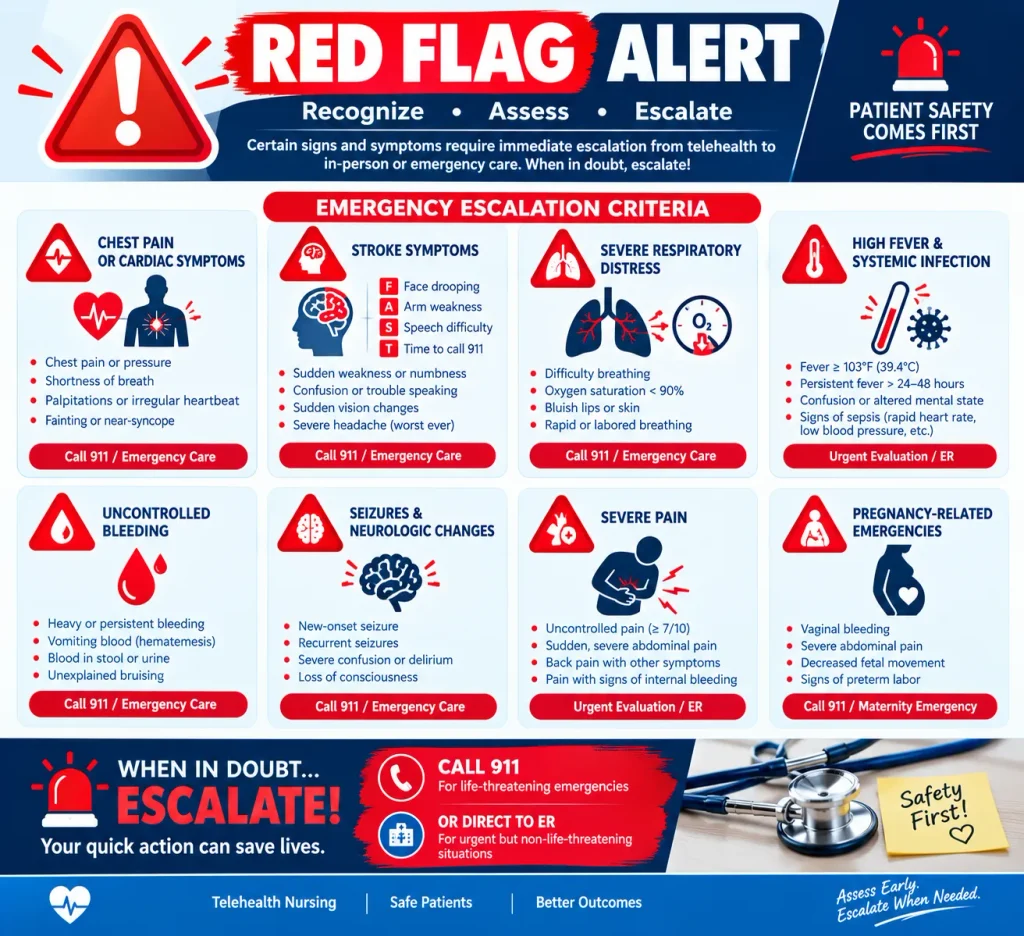
Warning Signs You Should Never Ignore in a Telehealth Encounter
Knowing when telehealth is insufficient — and when a patient needs to be directed to emergency care immediately — is one of the most critical competencies in telehealth nursing. Here are the situations that demand immediate escalation:
- Chest pain or pressure: Any complaint of chest pain, particularly with radiation, diaphoresis, or dyspnea — do not attempt to manage remotely; activate EMS immediately
- Signs of stroke (FAST): Facial drooping, arm weakness, speech difficulty, sudden onset — time-sensitive emergency; EMS activation without delay
- Severe respiratory distress: Inability to complete sentences, cyanosis reported, SpO2 below 90% per RPM device — emergency escalation
- Suicidal ideation with plan and intent: Any patient reporting active suicidal ideation with a specific plan requires immediate safety intervention
- Altered level of consciousness: Any report of sudden confusion, unresponsiveness, or extreme agitation in a patient who was previously alert
- Severe hypertensive crisis: Systolic > 180 with end-organ damage symptoms — headache, visual changes, chest pain
- Pediatric high-risk signs: Infant fever < 3 months, child with signs of meningitis (stiff neck, photophobia, petechial rash), or any child appearing severely ill per caregiver description
- Anaphylaxis or severe allergic reaction: Throat tightening, hives, hypotension — EMS activation and epinephrine guidance if available
- Sepsis indicators: Fever + altered mental status + suspected infection source — telehealth is not appropriate; direct to emergency care
When in doubt, escalate. The cost of an unnecessary emergency department visit is recoverable. The cost of a missed emergency is not.
13. Nurse’s Tips for Thriving in Telehealth Practice
1. Build a Pre-Encounter Routine
Before each telehealth session, review the patient’s chart, note their active problem list and current medications, flag any recent lab results or specialist notes, and set a clear agenda for the encounter. This five-minute preparation prevents reactive encounters and enables proactive care.
2. Optimize Your Video Setup for Clinical Assessment
Position your camera at eye level. Use professional, neutral lighting from in front — not behind — you. Choose a background that is clean and professional. These are not vanity considerations; they affect patient trust and your ability to observe the patient clearly.
3. Start Every Encounter with a Structured Safety Check
In triage especially, open with a brief safety screen: confirm the patient’s location and a callback number in case the call drops, ask one screening question about whether the patient is in immediate distress, and verify you are speaking with the patient or an authorized caregiver.
4. Use the Teach-Back Method Consistently
After providing care instructions, ask the patient to repeat back their understanding in their own words. Research consistently shows teach-back significantly improves patient comprehension and adherence. In telehealth, where you cannot hand the patient a printed instruction sheet, verbal teach-back is especially important.
5. Develop a Personal Escalation Checklist
Create a personal reference card — physical or digital — listing the immediate escalation criteria most relevant to your patient population. Review and update it regularly. Having this reference at hand prevents hesitation in high-pressure moments.
6. Protect Your Professional Boundaries
Remote work can blur the line between professional availability and personal time. Set clear working hours. Avoid providing nursing advice outside your official role via personal communication channels. Document everything within authorized systems. These are both ethical and legal protections.
7. Stay Current on Telehealth Policy
Telehealth reimbursement rules and licensing requirements change frequently. Subscribe to NCSBN, ANA, and your specialty nursing organization’s newsletters. Join a telehealth nursing professional community or practice group. Regulatory changes can directly affect your scope and reimbursement.
8. Advocate for Your Patients’ Technology Needs
If a patient does not have a smartphone capable of running a video platform, help them access alternatives—telephone-only visits, community health worker support, or library-based access. Advocacy is nursing. The technology should serve the patient, not the other way around.
14. Conclusion
Telehealth nursing is not the future of nursing—it is the present. It is happening now, in every healthcare system, across every specialty, on every continent. The question is not whether nurses will engage with telehealth; it is whether they will do so with the clinical preparation, technical competence, and professional intentionality that their patients deserve.
As a nurse who has worked in environments as demanding as a Ghanaian emergency room and as technically complex as ICU care, I can tell you that telehealth nursing rewards the same qualities that make great bedside nurses: curiosity, compassion, systematic thinking, and the willingness to keep learning. The medium changes. The mission does not.
Key takeaways from this guide:
- Telehealth nursing encompasses triage, chronic disease management, RPM oversight, behavioral health support, and post-discharge follow-up — across multiple technology platforms
- It requires strong clinical foundations: advanced assessment, critical thinking, communication, and documentation skills
- Technical competency — EHR proficiency, video platform navigation, RPM literacy, and HIPAA compliance — is non-negotiable.
- Licensing and regulatory requirements vary by jurisdiction; nurses must proactively manage compliance.
- Evidence supports telehealth nursing’s effectiveness for chronic disease management and post-acute follow-up; the evidence base continues to grow.
If you found this guide useful, share it with a nursing colleague considering telehealth. Leave a comment with your questions — I read and respond to all of them. And if you are ready to make the transition, start with your clinical foundation, pursue a relevant certification, and take the first step toward a practice that can reach patients where they are, when they need it most.
Medical Disclaimer: This article is for informational purposes only and does not constitute clinical or legal advice. Always consult with appropriate professional and regulatory bodies for guidance on nursing practice in your jurisdiction.
15. Common Questions Nurses Ask About Telehealth Nursing
Do I need special certification to practice telehealth nursing?
In most jurisdictions, your existing RN licensure is the primary requirement for telehealth nursing practice. However, specialty certification significantly strengthens your profile and, in some employer contexts, may be required. The most widely recognized certifications include the Telehealth Nursing Certificate from AAACN and the RN-BC (Ambulatory Care Nursing) from ANCC. In the U.S., your state’s Board of Nursing may have additional requirements — always check the applicable Nurse Practice Act.
Can telehealth nurses work from home?
Yes — and this is one of the most appealing aspects of the specialty. Many telehealth nursing positions are fully remote, allowing nurses to work from a home office. However, working from home comes with professional obligations: a private, HIPAA-compliant workspace, reliable high-speed internet, approved and encrypted technology platforms, and the discipline to maintain the same professional standards you would in a clinical facility. Some positions are hybrid, with nurses physically based in a hospital or call center.
How much do telehealth nurses earn?
Compensation varies by employer, subspecialty, experience, and geography. In the United States, telehealth RN salaries generally range from $65,000 to $100,000+ annually, with specialized roles — ICU nurses, case managers, or nurses with advanced practice training — earning more. Contract telehealth nursing positions may offer higher hourly rates with fewer benefits. Internationally, compensation structures vary considerably by health system. The telehealth field is competitive, and experienced nurses with clinical depth and technical skills command premium compensation.
Is telehealth nursing safe for patients?
The evidence consistently supports the safety and effectiveness of telehealth nursing for appropriate patient populations and care scenarios. A systematic review published in JAMA Internal Medicine found that telephone nursing triage was associated with safe patient outcomes and high satisfaction rates when validated protocols were followed (Purc-Stephenson & Thrasher, 2010). The critical safety variable is appropriate patient selection — telehealth is not appropriate for all presentations, and safe practice requires knowing when to escalate.
What is the biggest challenge in telehealth nursing?
From my experience and from the literature, the most consistently cited challenge is assessment limitation. Without the ability to physically examine a patient, telehealth nurses must make clinical decisions based on incomplete sensory data. This demands extraordinary clinical judgment and disciplined protocol use. The second most common challenge is technology equity — not all patients can effectively access or use telehealth platforms, which requires nurses to be advocates for accessible care design.
How do I handle a patient who refuses to go to the emergency room when I believe they should?
This is one of the most ethically and clinically complex scenarios in telehealth nursing, and it requires a structured approach. First, clearly document your clinical assessment and recommendation. Communicate the risk of refusing care in plain, non-alarmist language. Engage a family member or caregiver if available and if the patient consents. Offer an alternative step if the patient will not accept emergency care — urgent care, callback within a defined time window, or a follow-up call in one hour. Document all of this thoroughly. If you believe the patient lacks decision-making capacity, follow your organization’s escalation protocol, which may involve a supervisor or physician consultation.
What internet speed do I need to practice telehealth from home?
For video telehealth, most platforms recommend a minimum of 10 Mbps download and upload speeds, though 25 Mbps or higher provides more stable performance — especially if others in your household are also using the network. For nurses managing RPM dashboards simultaneously with video visits, faster speeds reduce latency and prevent disconnections during critical monitoring moments. Use a wired Ethernet connection rather than Wi-Fi whenever possible for maximum stability and security.
Will artificial intelligence replace telehealth nurses?
This question comes up frequently, and my honest answer is: no — at least not in any foreseeable near-term future. AI tools are becoming increasingly useful for clinical decision support, symptom triage, documentation assistance, and pattern recognition in RPM data. But the registered nurse’s core functions — building therapeutic relationships, applying clinical judgment to ambiguous and high-stakes situations, advocating for individual patients, and navigating the ethical complexities of care — are not automatable. AI will augment telehealth nursing. Nurses who embrace and understand these tools will be more effective. The discipline of nursing, however, is irreducibly human.
Related Articles You May Find Helpful
- Nursing Technology Guide: Smart Devices in Nursing Workflow Without Burnout
- Is Smart Glasses for Nurses: A Complete Beginner’s Guide on How Smart Glasses are Transforming Nursing Care.
- Step-by-Step Guide to Using Smart Watches for Vital Signs Reminders: Nurses Guide 101.
- What Nurses Should Know Before Buying a Smartwatch for Clinical Work: Smartwatch for nurses in clinical settings
- Apple Watch vs Garmin for Nurses & Doctors: Which Smartwatch Wins This Battle in Hospitals (2026)?
- Best Smartwatches for Nurses in 2026: Features That Actually Matter
- Is ChatGPT a Threat to Nursing Careers?
References
All sources are cited in APA 7th Edition format. DOIs and URLs are hyperlinked.
American Hospital Association. (2021). Telehealth: A quarter-century of progress. AHA.org.
American Nurses Association. (2023). Telehealth and nursing practice. Nursingworld.org.
Agency for Healthcare Research and Quality. (2023). Patient satisfaction with telehealth services: A systematic review. AHRQ.gov.
Centers for Medicare and Medicaid Services. (2022). Telehealth services: Medicare learning network fact sheet. CMS.gov.
Chaudhry, S. I., Mattera, J. A., Curtis, J. P., Spertus, J. A., Herrin, J., Lin, Z., Phillips, C. O., Hodshon, B. V., Cooper, L. S., & Krumholz, H. M. (2010). Telemonitoring in patients with heart failure. New England Journal of Medicine, 363(24), 2301-2309. https://doi.org/10.1056/NEJMoa1010029
Cochrane Library. (2022). Telephone triage and advice by nurses: A systematic review. Cochrane Database of Systematic Reviews.
Grand View Research. (2022). Telehealth market size, share & trends analysis report, 2022-2030. Grand View Research.
Health Affairs. (2021). Trends in the use of telehealth during the emergence of the COVID-19 pandemic. Health Affairs, 40(3). https://doi.org/10.1377/hlthaff.2020.01598
Leff, B., Burton, L., Mader, S. L., Naughton, B., Burl, J., Inouye, S. K., Greenough, W. B., Guido, S., Langston, C., Frick, K. D., Steinwachs, D., & Burton, J. R. (2005). Hospital at home: Feasibility and outcomes of a program to provide hospital-level care at home for acutely ill older patients. Annals of Internal Medicine, 143(11), 798-808. https://doi.org/10.7326/0003-4819-143-11-200512060-00008
Lilly, C. M., Cody, S., Zhao, H., Landry, K., Baker, S. P., McIlwaine, J., Chandler, M. W., & Irwin, R. S. (2011). Hospital mortality, length of stay, and preventable complications among critically ill patients before and after tele-ICU reengineering of critical care processes. JAMA, 305(21), 2175-2183. https://doi.org/10.1001/jama.2011.697
National Council of State Boards of Nursing. (2023). Nurse licensure compact: Questions and answers. NCSBN.org.
Purc-Stephenson, R. J., & Thrasher, C. (2010). Nurses’ experiences with telephone triage and advice: A meta-ethnography. Journal of Advanced Nursing, 66(3), 482-494. https://doi.org/10.1111/j.1365-2648.2010.05275.x
Tuckson, R. V., Edmunds, M., & Hodgkins, M. L. (2017). Telehealth. New England Journal of Medicine, 377(16), 1585-1592. https://doi.org/10.1056/NEJMsr1503rare
World Health Organization. (2023). Health workforce. WHO.int.
AAACN (American Academy of Ambulatory Care Nursing). (2023). Telehealth nursing practice: Certification and standards. AAACN.org.
American Heart Association. (2023). Telehealth and remote patient monitoring for heart disease management. Heart.org.