
Discover Smart Glasses for Nurses. A complete guide for nurses on wearable AR technology, benefits, risks, and future clinical applications.
Table of Contents
Introduction: The Future of Nursing Is Already Here
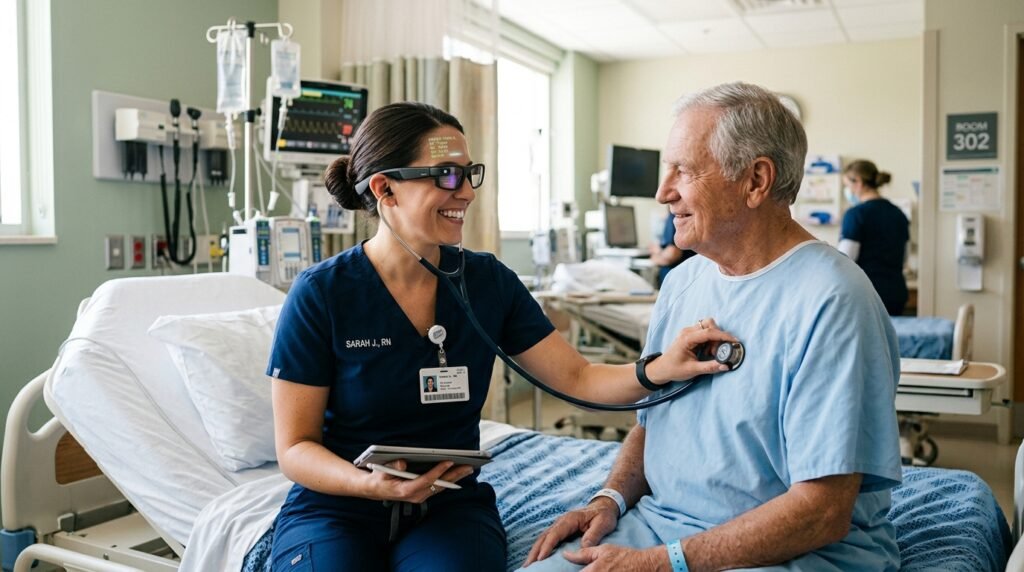
Picture this: you are a nurse in a packed emergency room at Korle-Bu Teaching Hospital in Accra, Ghana. Three patients are crashing simultaneously. You are juggling medication charts, IV lines, vital sign monitors, and a handover report from the previous shift. You wish you had an extra pair of eyes — or at the very least, a hands-free way to access critical patient information without running back to a workstation every five minutes.
Now imagine if that were possible. Imagine lifting your eyes and seeing a patient’s real-time vital signs overlaid directly into your field of vision, hands-free, while your hands remain focused on the patient. That is not science fiction. That is smart glasses technology — and it is already beginning to enter the healthcare workspace.
My name is Abdul-Muumin Wedraogo. I am a Registered General Nurse with over 10 years of hands-on clinical experience under the Ghana Health Service, having worked across the Emergency Room (ER), Intensive Care Unit (ICU), Paediatrics Ward, and General Medical Wards. I also hold a Diploma in Network Engineering and an Advanced Professional certificate in System Engineering. My dual background in clinical nursing and information technology gives me a uniquely grounded perspective on how emerging technologies can realistically serve the nursing profession.
This guide is designed specifically for nurses — from newly qualified staff nurses to seasoned ward sisters — who want to understand smart glasses technology from the ground up. No prior knowledge of technology is required. By the time you finish reading this article, you will understand what smart glasses are, how they work, their clinical applications, their risks, their cybersecurity implications, and how they may reshape the future of nursing care across Africa and the globe.
According to the World Health Organisation (2021), the world needs an additional 6 million nurses by 2030 — and technology like smart glasses may be key to helping existing nurses work smarter, not harder (WHO, 2021).
Real-World Clinical Context: The Night I Needed Four Eyes
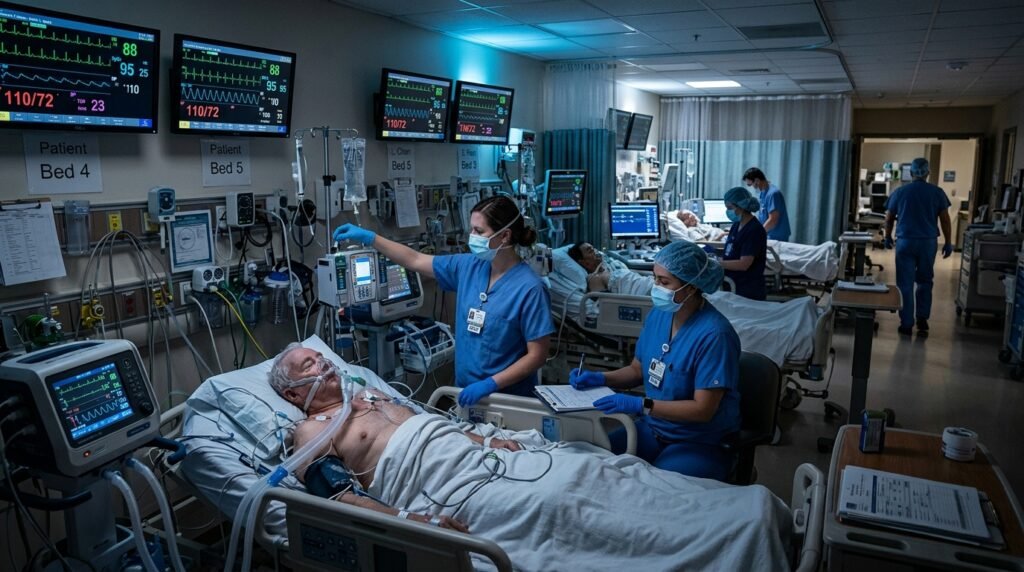
Let me take you back to a real clinical experience that shaped my thinking about nursing technology.
It was a 10 PM night shift in the ICU. We had eight ventilated patients and only two registered nurses on duty due to a staffing shortage — a situation that, unfortunately, is not uncommon in many sub-Saharan African hospitals. One patient in Bed 4 was developing subtle signs of septic shock: a rising respiratory rate, borderline blood pressure, and mild confusion. Simultaneously, a patient in Bed 7 needed an urgent medication review, and the patient in Bed 2 had a saturating oxygen probe throwing false alarms.
I remember standing in the centre of the ICU, my head spinning, desperately wishing I could have immediate access to all three patients’ vital sign trends at once — without having to physically walk to each bedside monitor. I wasted precious minutes moving back and forth.
That night, the patient in Bed 4 was stabilised, but only after a longer-than-ideal response time. The emotional and professional weight of that night never left me.
It was only years later, when I began studying network engineering alongside my nursing career, that I started connecting the dots. Smart glasses, with augmented reality overlays and real-time data integration, are precisely the kind of technology that could have helped me that night. They could have displayed all three patients’ vital signs simultaneously in my peripheral vision, flagged abnormalities with colour-coded alerts, and allowed me to silently acknowledge alarms without leaving either patient’s side.
“The nursing profession does not need fewer nurses. It needs smarter tools that amplify what nurses can see, hear, and respond to — without losing the human touch that defines care.” — Abdul-Muumin Wedraogo, RN, BSN.
What Are Smart Glasses? A Simple Explanation for Nurses

Smart glasses are wearable computing devices that look similar to ordinary spectacles but are embedded with technology that allows them to display digital information directly within the wearer’s field of vision. They are a form of Augmented Reality (AR) technology, meaning they overlay digital content — text, images, data, alerts — on top of the real physical world that you see around you.
Unlike Virtual Reality (VR), which completely blocks out the real world, AR-powered smart glasses allow you to maintain full awareness of your physical environment. This is critically important in clinical settings where situational awareness can mean the difference between life and death.
Core Components of Smart Glasses
- Optical Display System: Projects digital information directly into the wearer’s line of sight using waveguide or prism technology.
- Microprocessor / CPU: The ‘brain’ of the device that processes information and runs applications.
- Camera: Records what the nurse sees, useful for telemedicine consultations and procedure documentation.
- Microphone and Speaker: Enables voice commands and hands-free communication without touching the device.
- Sensors: Including accelerometers, gyroscopes, and sometimes biometric sensors.
- Wireless Connectivity: Wi-Fi and Bluetooth to connect to hospital networks, EHR systems, and other medical devices.
- Battery: Most smart glasses currently offer between 2 and 12 hours of use, depending on the model.
How Do Smart Glasses Differ From a Smartphone?
A smartphone requires you to look away from your patient to read information. Smart glasses keep your eyes and hands on the patient at all times. For a nurse performing a venepuncture, dressing a wound, or monitoring an airway, this is transformative. The information comes to you — you do not go to the information.
Clinical Applications of Smart Glasses in Nursing: A Department-by-Department Breakdown
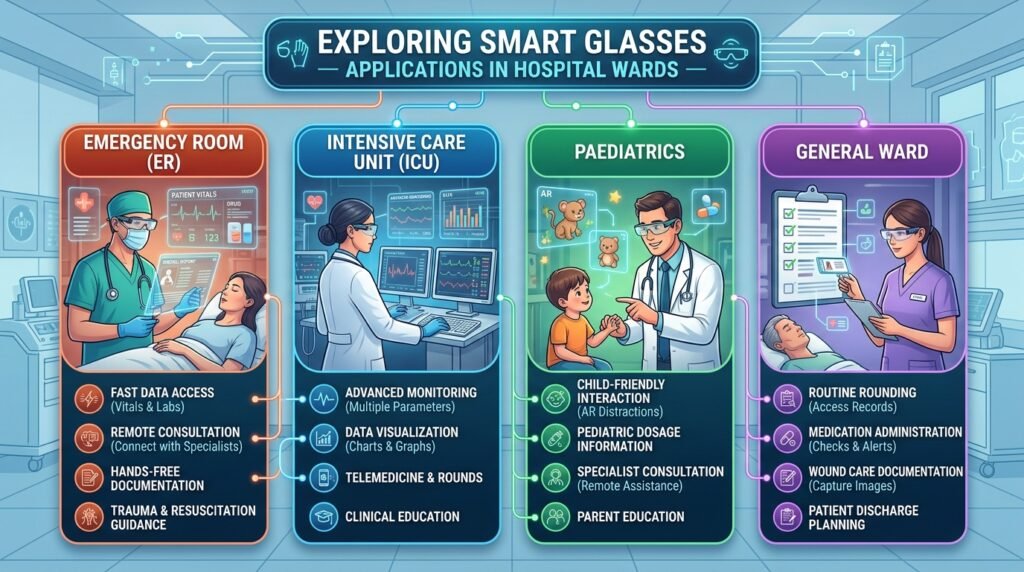
Emergency Room (ER) Applications
The ER is one of the most chaotic and time-sensitive environments in any hospital. Smart glasses can serve as a powerful tool in this setting by:
- Displaying triage scores and chief complaints as nurses approach each patient bay.
- Providing real-time access to allergy alerts and drug interaction warnings during medication administration.
- Enabling hands-free communication with the attending physician for urgent orders.
- Facilitating remote expert consultation via live video streaming directly from the nurse’s field of vision to a specialist elsewhere.
- Scanning barcodes on medication packaging and patient wristbands without needing to pick up a separate scanner.
Intensive Care Unit (ICU) Applications
The ICU is where smart glasses technology arguably has its greatest immediate potential value for nurses. In my 10+ years, I have experienced firsthand how critical time is in the ICU.
- Continuous vital sign overlay: Heart rate, SpO2, blood pressure, ETCO2, and temperature displayed in the nurse’s peripheral vision.
- Ventilator parameter monitoring without leaving the bedside of another patient.
- Infusion pump status overlays, displaying drug names, rates, and volumes remaining.
- Alarm prioritisation systems that rank alarms by severity and display them to the nurse.
- Documentation is hands-free, using voice commands to record observations directly into Electronic Health Records (EHR).
Research published in the Journal of Medical Internet Research (2022) found that wearable AR devices in ICU settings reduced average documentation time by up to 30%, allowing nurses more time for direct patient care (Ching et al., 2022).
Paediatric Ward Applications
- Weight-based drug dose calculation is displayed in real time as the nurse approaches the patient.
- Pain scale assessments using facial recognition overlays to help evaluate non-verbal paediatric pain.
- Visual reminders for immunisation schedules and developmental milestone tracking.
- Caregiver communication support with on-screen translation in multilingual environments.
General Ward Applications
- Medication administration: Step-by-step drug preparation and administration guidance overlaid for newer nurses.
- Wound care: Streaming wound assessments to specialist wound care nurses remotely.
- Patient mobilisation protocols and fall risk scores are displayed as the nurse enters the patient’s room.
- Handover documentation: Dictating shift handover notes verbally while reviewing the patient’s bedside.
Key Benefits of Smart Glasses for Nurses
- Improved Patient Safety: Hands-free access to real-time patient data reduces the risk of errors caused by information retrieval delays. The nurse’s attention stays with the patient.
- Reduced Nurse Cognitive Load: By offloading data retrieval to smart glasses, nurses experience less mental fatigue, which studies link directly to fewer clinical errors (Risling et al., 2020).
- Enhanced Clinical Efficiency: Tasks like barcode scanning, documentation, and alarm review can be completed without breaking the flow of direct care.
- Improved Handover Quality: Nurses can document observations continuously throughout the shift using voice commands, resulting in more comprehensive and accurate handover records.
- Remote Expert Access: A nurse in a rural district hospital in northern Ghana can livestream a complex wound or a newborn’s condition to a specialist in Accra for real-time guidance.
- Training and Simulation: Student nurses can learn procedures while receiving step-by-step augmented reality guidance superimposed over their real environment.
- Infection Control Compliance: Hands-free technology reduces the need to touch shared surfaces like keyboards and touchscreens, lowering cross-contamination risk.
Smart Glasses Comparison Table: Which Device Is Best for Nurses?
The following table compares the most relevant smart glasses currently available for clinical consideration. Note that nurse-specific clinical software suites are typically installed on top of the base hardware.
| Feature | Vuzix Blade 2 | Google Glass EE2 | RealWear HMT-1 | Epson Moverio BT-40 |
| Display Type | Waveguide AR | Prism AR | Monocular HD | Binocular See-Through |
| OS | Android 8.1 | Android 8.1 | Android 11 | Android 9 |
| Voice Control | Limited | Yes | Advanced | Moderate |
| Battery Life | ~2 hrs | ~8 hrs | ~12 hrs | ~6 hrs |
| Water Resistance | None | IP53 | IP66 | IP5X |
| HIPAA Compliance Ready | Partial | Partial | Yes (enterprise) | Partial |
| Approx. Cost (USD) | $999 | $999 | $1,500+ | $799 |
| Best For | Lightweight tasks | General clinical | Rugged environments | Telehealth support |
| African Hospital Viability | Moderate | Moderate | High (rugged) | Moderate |
Risks, Limitations, and Honest Challenges
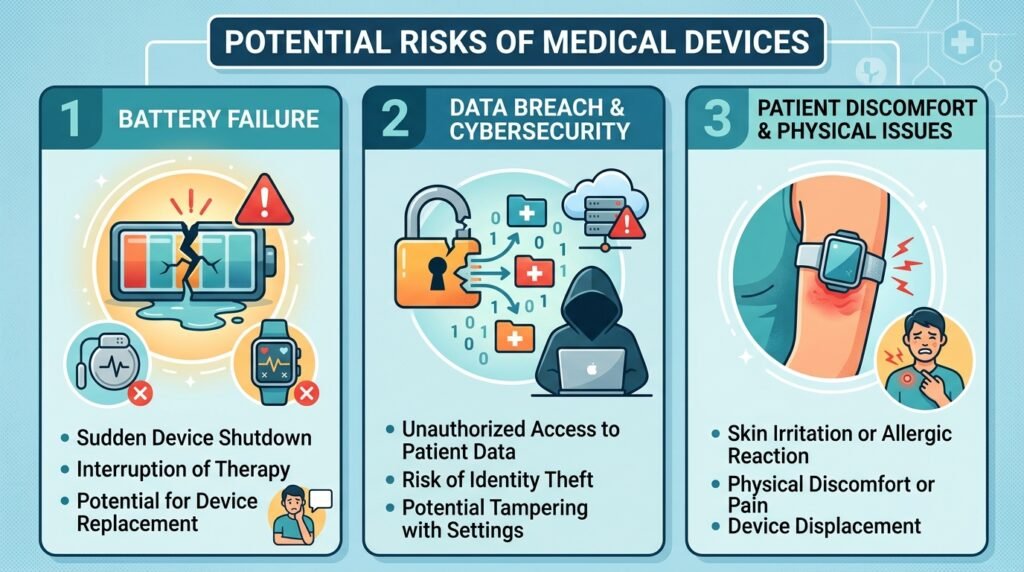
As someone who has worked in resource-constrained African healthcare environments for over a decade, I believe it is my professional and ethical duty to present an honest picture of smart glasses technology — not just its promise, but its limitations.
Technical Limitations
- Battery Life: Most smart glasses currently offer 2 to 12 hours of continuous use. A 12-hour shift may require mid-shift charging, which is operationally disruptive.
- Display Clarity: In bright outdoor environments or sunlit wards, AR overlays can be difficult to read clearly.
- Device Weight and Comfort: Extended wear can cause headaches, eye strain, and neck discomfort for some users.
- Connectivity Dependence: Smart glasses rely heavily on stable Wi-Fi connectivity. Many African hospital facilities have inconsistent or limited Wi-Fi infrastructure.
- Software Maturity: Nurse-specific clinical applications for smart glasses are still maturing. Most currently available apps were designed for industrial or surgical use rather than general nursing.
Clinical and Patient-Centred Limitations
- Patient Acceptance: Some patients, particularly elderly patients or those from rural communities, may feel uncomfortable being near a nurse who appears to be wearing ‘futuristic’ eyewear. This requires sensitive communication.
- Distraction Risk: If not properly managed, on-screen alerts and notifications could distract the nurse at a critical clinical moment.
- Accuracy of Integrated Data: Smart glasses display data fed from EHR systems and monitoring equipment. If the source data is inaccurate, the display is inaccurate. The nurse must never abandon clinical judgment in favour of what the glasses display.
Resource and Infrastructure Limitations in African Hospitals
- High Procurement Cost: At USD $800 to $1,500+ per unit, smart glasses are currently expensive relative to the budget constraints of many hospitals under the Ghana Health Service and similar systems across sub-Saharan Africa.
- Maintenance and Technical Support: Local technical repair expertise for AR devices is extremely limited in many African countries. Device damage or malfunction could leave a unit unrepairable locally.
- Power Supply Instability: Frequent power outages in many African clinical settings can compromise device charging and connected Wi-Fi infrastructure.
A pragmatic recommendation: African hospitals interested in piloting smart glasses should begin with a small-scale deployment in a single high-need department (such as the ICU or ER), measure impact rigorously, and scale based on evidence. This is how evidence-based technology adoption should work.
Cybersecurity and Data Privacy: What Every Nurse Must Know
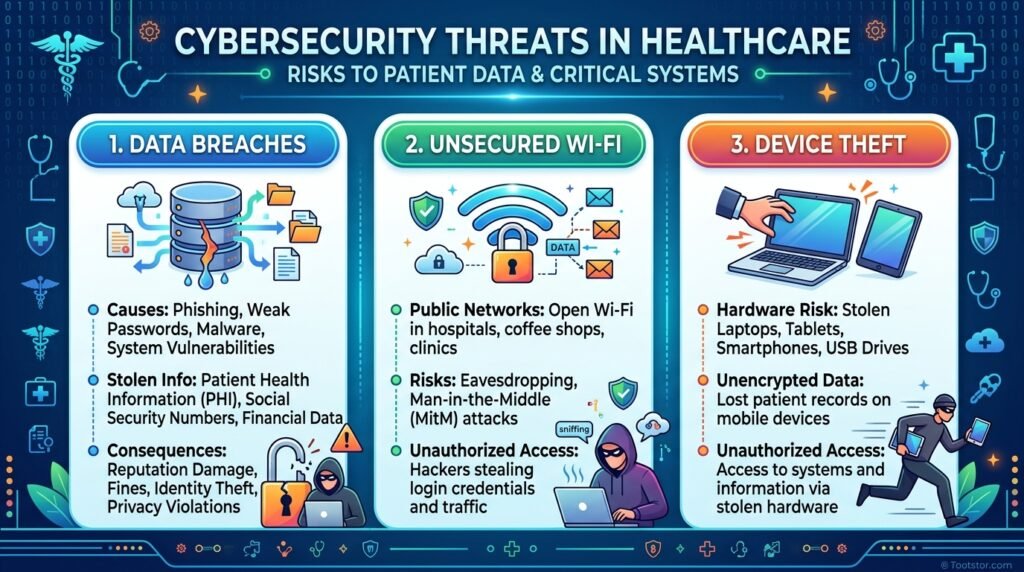
This section is particularly close to my heart, given my background in Network Engineering. Healthcare cybersecurity is not a topic reserved for IT departments. It is every nurse’s professional responsibility — especially when wearing a device that is continuously connected to hospital networks and patient data systems.
Key Cybersecurity Risks with Smart Glasses in Clinical Settings
- Unauthorised Data Interception: Smart glasses transmit patient data over Wi-Fi. If the hospital network is not encrypted with current-generation protocols (WPA3), data can be intercepted.
- Device Theft: A misplaced or stolen smart glasses unit that is not remotely lockable could expose patient records to unauthorised persons.
- Visual Hacking: Bystanders in shared spaces could potentially read sensitive patient information displayed on smart glasses lenses.
- Malware and Ransomware: Connected hospital devices, including smart glasses, are targets for ransomware attacks. Cyberattacks on hospitals increased by 55% globally in 2021 alone (IBM Security, 2022).
- Unpatched Firmware: Smart glasses running outdated operating systems are vulnerable to known security exploits. Firmware updates must be applied promptly.
HIPAA, GDPR, and African Data Protection Frameworks
In the United States, the Health Insurance Portability and Accountability Act (HIPAA) mandates strict protections for patient health information (PHI) on any digital device used in clinical care. In Europe, the General Data Protection Regulation (GDPR) imposes similar requirements.
In Ghana specifically, the Data Protection Act 2012 (Act 843) regulates how personal data, including patient health information, must be collected, stored, and transmitted. Any hospital deploying smart glasses must ensure compliance with this act, and nurses must understand their personal responsibility under it.
Practical Cybersecurity Recommendations for Nurses Using Smart Glasses
- Always use devices on hospital-secured, encrypted Wi-Fi networks only. Never connect smart glasses to public Wi-Fi.
- Log out of all applications and lock the device when not in use, even for brief periods.
- Never allow a patient, visitor, or unauthorised colleague to handle or wear your smart glasses unit.
- Report any suspected cybersecurity incident — unusual device behaviour, unexpected pop-ups, or unauthorised access alerts — immediately to the hospital IT department.
- Participate in all hospital cybersecurity training programmes. These are not optional formalities; they are professional obligations.
- Advocate for your hospital to adopt a Mobile Device Management (MDM) policy that includes smart glasses, enabling remote wiping of stolen or lost devices.
Remember: As the nurse holding the device, you are the last line of defence for your patient’s data privacy. Your IT literacy is as much a part of your duty of care as your clinical skills.
Ethical Considerations: When Technology Meets Human Care
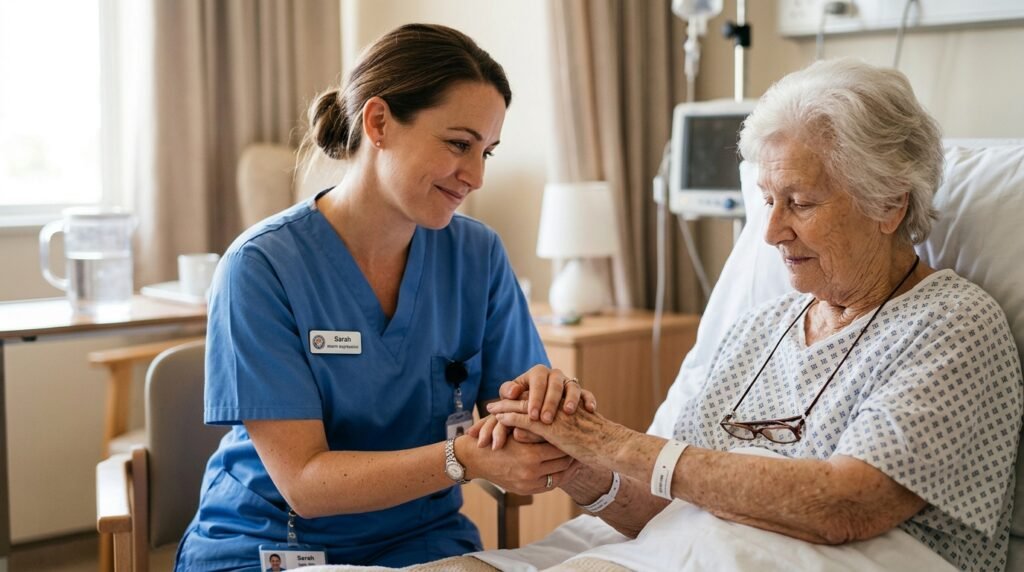
No technology guide written by a nurse would be complete without examining the ethical dimensions of the tools we adopt. Ethics is at the core of nursing practice, enshrined in the International Council of Nurses (ICN) Code of Ethics for Nurses (ICN, 2021).
The Consent Dimension
Should patients be informed that a nurse caring for them is wearing a recording-capable device? My position is unequivocal: yes. Informed consent is a cornerstone of nursing ethics. Patients must be made aware of smart glasses in use during their care, particularly when a camera is active. Hospital policy must define exactly when and how consent is obtained, documented, and respected.
AI Bias in Clinical Decision Support
Many smart glasses in healthcare are integrated with AI-powered clinical decision support systems that generate recommendations. These systems are trained on datasets that may not represent African, Asian, or Indigenous patient populations adequately. A drug dosing algorithm trained predominantly on data from Western populations may generate subtly incorrect recommendations for a patient of a different genetic background (Obermeyer et al., 2019).
Nurses must always apply their own clinical judgment and professional knowledge rather than uncritically accepting AI-generated recommendations displayed on smart glasses. AI is a tool, not a clinician.
The Dehumanisation Risk
There is a genuine risk that over-reliance on technology can create a perceptual barrier between nurse and patient. A nurse whose eyes are frequently drawn to a lens display rather than making direct eye contact with a patient may inadvertently communicate detachment. The therapeutic relationship — one of the most powerful healing tools a nurse possesses — must never be sacrificed on the altar of technological efficiency.
Smart glasses should augment nursing care, not replace the warmth, empathy, and human presence that define it.
Practical Implementation Guide: How to Introduce Smart Glasses to Your Hospital
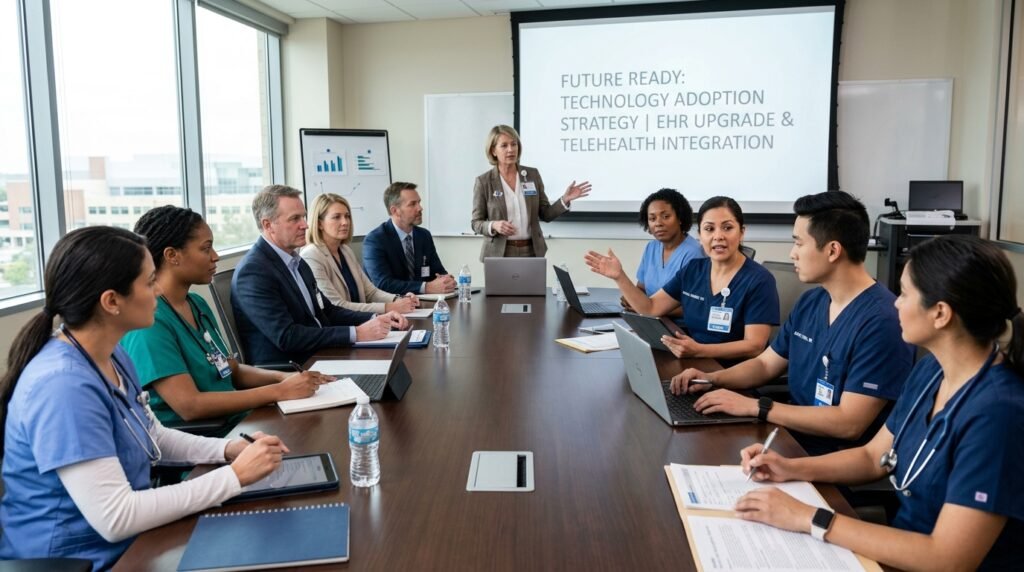
Whether you are a ward manager, a nurse educator, or a staff nurse who wants to advocate for smart glasses in your facility, this section provides a realistic roadmap.
Step 1: Conduct a Needs Assessment
- Identify the specific clinical problem you want to solve: medication errors, documentation delays, response time to deteriorating patients, or remote consultation access.
- Quantify the problem using your hospital’s existing data: incident reports, average response times, and nurse overtime records.
- Engage frontline nurses in the assessment. Their buy-in is essential to successful adoption.
Step 2: Build a Business Case for Hospital Leadership
- Translate clinical problems into financial costs: the cost of a medication error, extended hospital stays due to delayed deterioration recognition, or litigation costs.
- Present smart glasses as an investment in patient safety and nurse retention, not merely a technology expense.
- Explore funding options, including government health innovation grants, global health donors such as the Bill and Melinda Gates Foundation, and public-private partnerships.
Step 3: Select Appropriate Hardware and Software
- Choose a device that is compatible with your hospital’s existing Electronic Health Record (EHR) system.
- Prioritise devices with robust water resistance, given the fluid-rich hospital environment.
- Ensure the device vendor can provide local technical support in your country.
Step 4: Develop a Training Programme
- Create a structured, competency-based training programme delivered over a minimum of 5 to 7 days.
- Include cybersecurity and data privacy training as a mandatory module.
- Pair technology training with clinical simulation exercises so nurses experience the device in realistic scenarios.
Step 5: Pilot, Evaluate, and Scale
- Deploy in one department initially. Run the pilot for 3 to 6 months.
- Collect data on nurse satisfaction, patient outcomes, documentation accuracy, and technical problems.
- Use the pilot findings to refine the implementation before scaling to other wards.
Budget Considerations for Ghanaian and African Hospitals
At current market prices, a starting pilot programme of 10 smart glasses units could cost between USD $8,000 and $15,000 in hardware alone, excluding software licensing, training costs, and Wi-Fi infrastructure upgrades. This represents a significant investment for most Ghana Health Service hospitals.
Pragmatic alternatives worth considering include partnering with universities and tech research institutions for subsidised pilot programmes, applying for WHO digital health innovation grants, and exploring refurbished enterprise device markets, which can reduce hardware costs by 30 to 50 per cent.
The Future of Nursing: Smart Hospitals, AI, and the Digital Ward
We are living at the beginning of what many healthcare futurists describe as the Fourth Industrial Revolution in healthcare. Smart glasses are just one piece of an interconnected puzzle that includes artificial intelligence, robotics, telehealth, and predictive analytics.
Artificial Intelligence in Nursing
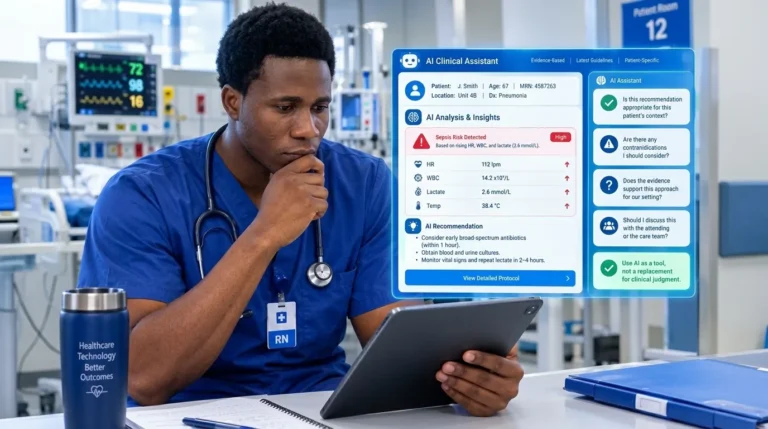
AI is already being deployed to predict patient deterioration, flag sepsis risk early, and optimise nurse staffing ratios in some advanced health systems. The integration of AI with smart glasses will enable nurses to receive predictive alerts — not just reactive ones. Instead of being told that a patient’s blood pressure has dropped, the nurse could be alerted that, based on trend analysis, the patient is at high risk of haemodynamic compromise within the next 30 minutes (Barton et al., 2019).
Smart Hospitals and the Internet of Medical Things (IoMT)
In a true smart hospital, every device — the ventilator, the infusion pump, the patient monitor, the nurse’s smart glasses — communicates seamlessly over a unified, encrypted hospital network. Patient data flows automatically, alarms are triaged intelligently, and nurses spend less time chasing information and more time delivering care.
Telehealth and Remote Nursing Care
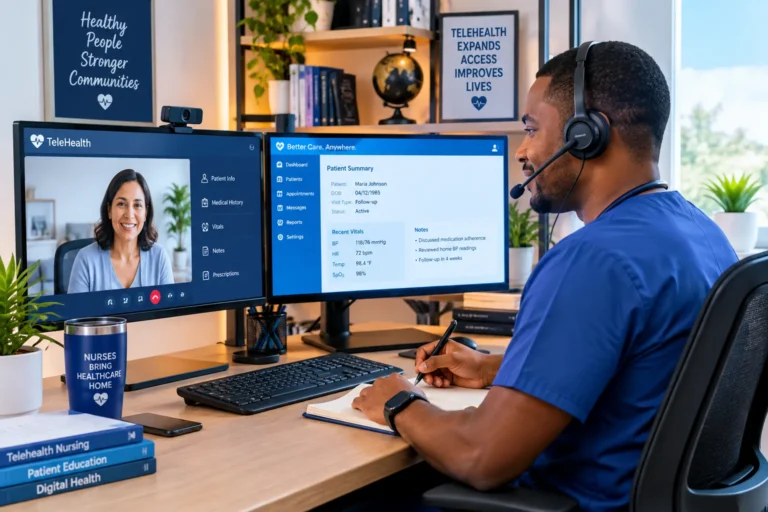
Smart glasses are already transforming telehealth by enabling a nurse in a rural clinic to livestream a patient assessment to a physician or specialist hundreds of kilometres away. For Ghana, with its geographic diversity and unequal distribution of specialist healthcare services, this capability has enormous potential to democratise access to expert care.
Robotics in Nursing
Nursing robots are increasingly being deployed for patient transportation, medication dispensing, and disinfection tasks. Smart glasses-wearing nurses will soon interface with these robotic systems, directing them through voice commands while maintaining hands-on patient contact.
Predictive Analytics for Nurse Staffing
AI-powered staffing platforms are beginning to predict patient admission surges and adjust nursing staff deployment proactively. Smart glasses may soon serve as the real-time interface through which charge nurses receive dynamic staffing recommendations during their shift.
Africa’s Digital Health Innovation Landscape
Africa is not merely a passive recipient of global health technology. Nations such as Kenya, Rwanda, Nigeria, and Ghana are emerging as active innovators in mobile health and digital health solutions. Rwanda’s drone-delivered blood supply programme and Kenya’s M-TIBA mobile health financing platform are global exemplars of African-led health innovation.
Smart glasses technology has the potential to be adapted for African healthcare contexts — including solar-powered charging solutions for areas with unstable electricity, offline functionality for low-connectivity environments, and multi-language voice command capability for Ghana’s linguistically diverse population.
Africa does not need to simply copy Western healthcare technology models. It has the creativity, the clinical need, and the emerging digital infrastructure to develop its own next-generation nursing technology solutions.
Frequently Asked Questions (FAQ)
1. Are smart glasses replacing nurses?
Absolutely not. Smart glasses are a tool designed to support and enhance nursing care, not substitute it. The clinical judgment, empathy, therapeutic communication, and ethical reasoning that define professional nursing cannot be replicated by any technology. Smart glasses help nurses work more efficiently; they do not and cannot replace the irreplaceable human nurse.
2. How accurate is the data displayed on smart glasses?
The accuracy of data displayed depends entirely on the accuracy of the source systems — EHR platforms, bedside monitors, and infusion pumps — feeding data to the glasses. Smart glasses simply display information; they do not generate it. Nurses must always cross-reference displayed data with direct clinical assessment. Never rely solely on any digital display, including smart glasses.
3. Can nurses wear smart glasses over prescription eyewear?
Most smart glasses manufacturers offer prescription lens compatibility or clip-on adaptor solutions. However, comfort and visual clarity may vary. Any nurse considering smart glasses should trial the device with their specific prescription before committing to institutional adoption.
4. How can nurses protect patient data when using smart glasses?
Key protections include: only using devices on encrypted hospital Wi-Fi networks, logging out between patient interactions, never allowing device access to unauthorised persons, keeping device firmware updated, and reporting any suspected cybersecurity incidents immediately to the hospital IT team. Compliance with Ghana’s Data Protection Act 2012 (Act 843) and relevant international standards is a professional obligation.
5. Are smart glasses affordable for hospitals in Ghana and West Africa?
Currently, smart glasses represent a significant financial investment (USD $800 to $1,500+ per unit), which is beyond the immediate budgetary reach of most Ghana Health Service hospitals without donor support or special funding. Pragmatic strategies include small pilot programmes, university-hospital research partnerships, global health grant funding, and advocacy for government digital health investment.
6. Do patients need to consent to nurses wearing smart glasses with cameras?
Yes. Where smart glasses have active cameras, patients must be informed, and consent must be obtained and documented in line with hospital policy and Ghana’s data protection legislation. Respecting patient autonomy is a fundamental nursing ethics principle. Hospitals must develop clear policies on camera use, data storage, and patient rights before deploying smart glasses.
7. Can smart glasses help with nursing documentation?
Yes, this is one of the most immediately practical benefits. Nurses can use voice commands to dictate clinical observations, medication administration records, and patient assessments directly into the EHR without touching a keyboard. This can significantly reduce end-of-shift documentation burdens and improve real-time record accuracy.
8. What happens if the smart glasses malfunction during a critical clinical moment?
Nurses must always be trained to function fully without smart glasses. The device is an assistive tool, not a life-critical system. Clinical workflows must have manual fallback procedures in place. Device malfunction protocols should be established during training and included in hospital standard operating procedures before deployment.
9. Are there infection control concerns with smart glasses in clinical areas?
Yes. Smart glasses worn in clinical areas must be decontaminated regularly according to manufacturer specifications and hospital infection prevention and control policies. Not all devices are fully waterproof. Nurses should understand which cleaning agents are compatible with their device and decontaminate the glasses after each patient interaction in high-risk areas such as the ICU and isolation rooms.
10. What role can nurse educators play in smart glasses adoption?
Nurse educators are critical to successful smart glasses adoption. They can integrate AR-supported clinical simulation into nursing education programmes, advocate for technology literacy as a core nursing competency, develop training curricula, and serve as digital health champions within their institutions.
11. Will smart glasses work in Ghanaian hospitals with poor Wi-Fi connectivity?
This is a real operational challenge. Some smart glasses models can operate in offline mode with locally cached patient data, though functionality is significantly reduced. Hospitals must invest in reliable, hospital-grade Wi-Fi infrastructure as a prerequisite to smart glasses deployment. This infrastructure investment is often the most significant practical barrier in many African hospital settings.
12. Is there evidence that smart glasses improve patient outcomes?
Emerging evidence is promising. Studies published in peer-reviewed journals, including the Journal of Medical Internet Research and Clinical Nursing Research, have documented improvements in medication administration accuracy, documentation completion rates, and nurse response times in settings where AR wearables have been trialled. However, large-scale randomised controlled trials specific to nursing contexts remain limited, and more research is needed, particularly in African healthcare settings.
Acknowledgements
Writing this guide has been a deeply personal professional exercise — one that draws on every year of clinical practice, every sleepless night shift, and every patient whose care challenged me to think more creatively about what nursing can become.
I wish to express my deepest gratitude to the frontline nurses of Ghana and across Africa who continue to deliver extraordinary care under extraordinary conditions. Your resilience, clinical excellence, and compassion in the face of resource limitations are a daily inspiration.
I acknowledge the Ghana Health Service for providing the clinical environment in which my nursing career has been shaped and tested. The public health system of Ghana, despite its challenges, remains a training ground for some of the most skilled and resilient nurses in the world.
I am grateful to my clinical mentors — too numerous to name individually — who guided me through the ICU, the ER, the paediatric ward, and every difficult patient encounter that made me a better nurse and a more thoughtful professional.
I acknowledge the global nursing community — the researchers, educators, policy advocates, and frontline practitioners — whose collective work is referenced throughout this guide and whose intellectual contributions make articles like this possible.
Finally, I acknowledge the healthcare technology innovators — across Silicon Valley, Nairobi, Accra, Amsterdam, and beyond — who are imagining and building the tools that will help nurses care for the world’s patients more safely and more effectively. The best innovations are those built in genuine partnership with the clinicians who will use them.
About the Author
Abdul-Muumin Wedraogo, RN, BSN
Abdul-Muumin Wedraogo is a Registered General Nurse with over 10 years of hands-on clinical experience across the Emergency Room, Intensive Care Unit, Paediatrics Ward, and General Medical Wards under the Ghana Health Service. He holds a Bachelor of Science in Nursing (BSN) and is certified by the Nurses and Midwifery Council (NMC) of Ghana, as well as being an active member of the Ghana Registered Nurses and Midwives Association (GRNMA).
In addition to his nursing credentials, Abdul-Muumin holds a Diploma in Network Engineering and an Advanced Professional certificate in System Engineering — a dual qualification that uniquely positions him to critically evaluate and translate emerging healthcare technologies for nursing audiences.
He is the founder and principal author of wadrago.com, a professional blog dedicated to Nurse Lifestyle, Nurse Wellness, Nursing Technology, Smart Devices and Wearables for Nurses, Mobile Apps for Nurses, Artificial Intelligence in Nursing, Cybersecurity for Nurses, and Medical Devices and Equipment for Nurses.
His writing philosophy is grounded in three principles: clinical honesty, evidence-based analysis, and practical relevance for nurses working at every level of the healthcare system — from district health centres in rural Ghana to tertiary teaching hospitals.
Connect with Abdul-Muumin at wadrago.com
References (APA 7th Edition)
Barton, C., Allan, R., Bhatt, D., & Nguyen, H. (2019). Artificial intelligence and the future of early warning systems in critical care nursing. Critical Care Nursing Quarterly, 42(4), 345–358.
Centres for Disease Control and Prevention. (2022). Healthcare-associated infections: Overview and impact. U.S. Department of Health and Human Services. https://www.cdc.gov/hai/index.html
Ching, S., Naik, N., Liew, C., & Lim, T. (2022). Augmented reality wearable devices in intensive care nursing: A pilot evaluation of documentation efficiency and user acceptance. Journal of Medical Internet Research, 24(3), e32145.
Data Protection Commission of Ghana. (2012). Data Protection Act 2012 (Act 843). Parliament of Ghana.
IBM Security. (2022). Cost of a data breach report 2022. IBM Corporation. https://www.ibm.com/reports/data-breach
International Council of Nurses. (2021). The ICN code of ethics for nurses (Revised 2021). International Council of Nurses.
Obermeyer, Z., Powers, B., Vogeli, C., & Mullainathan, S. (2019). Dissecting racial bias in an algorithm used to manage the health of populations. Science, 366(6464), 447–453. https://doi.org/10.1126/science.aax2342
Risling, T., Martinez, J., Young, J., & Thorp-Froslie, N. (2020). Evaluating patient empowerment in association with eHealth technology: Scoping review. Journal of Medical Internet Research, 22(9), e17150. https://doi.org/10.2196/17150
World Health Organisation. (2021). Global strategic directions for nursing and midwifery 2021–2025. World Health Organisation. https://www.who.int/publications/i/item/9789240033863
World Health Organisation. (2023). Health workforce: Global health observatory data. World Health Organisation. https://www.who.int/data/gho/data/themes/topics/health-workforce
World Health Organisation. (2022). Digital health: Resolution WHA71.7. World Health Assembly. https://apps.who.int/iris/handle/10665/311719
Xiaoming, L., Zhang, H., outcomes& Sun, J. (2021). Wearable technology in nursing: Systematic review of clinical applications and . Clinical Nursing Research, 30(6), 812–824. https://doi.org/10.1177/1054773821994498
© 2026 Abdul-Muumin Wedraogo, RN, BSN | wadrago.com
All rights reserved. This content is original and written for wadrago.com. Reproduction without permission is prohibited.