

Antihypertensive Medications for Nurses: drug classes, side effects, monitoring, and patient teaching, from a Ghanaian nurse with 10+ years at the bedside.
Table of Contents

1. Introduction: Why Every Nurse Needs to Master Antihypertensive Therapy (Antihypertensive Medications for Nurses)
Hypertension is the condition we meet in nearly every setting. In an emergency, it shows up as a headache, a stroke, or a hypertensive crisis. In the ICU, it complicates sepsis, kidney injury, and post-operative care. On the ward, it is the comorbidity sitting quietly behind the main diagnosis. In pediatrics, we see it less often, but we ignore it at the child’s expense. Whatever the unit, the nurse is usually the one who checks the BP, gives the drug, and sees the side effect first.
A Bedside Perspective From More Than 10 Years of Practice
Doctors prescribe antihypertensives, but nurses administer them, monitor them, and teach patients about them. Many medication errors and adverse reactions are caught or missed at that point. I have worked across Emergency, ICU, Pediatrics, Medical and Surgical Wards, and these are the questions I still ask before every dose:
- Is this BP reading accurate, and is it consistent with the patient’s trend?
- Does this patient’s pulse, potassium, or kidney function make this drug unsafe today?
- Will this patient understand why they must keep taking a drug that makes them feel nothing?
Hypertension Burden in Ghana and West Africa
The numbers explain why this knowledge matters here.
- Globally: WHO reports that 1.4 billion people live with hypertension, yet only 1 in 5 have it under control.
- Across Africa: About 8 per cent of all deaths in the African region are attributable to high blood pressure, and only 30 per cent of African countries reported having all of the key medicines available.
- In Ghana: A systematic review and meta-analysis found a pooled adult prevalence of 27.0%. The same review describes hypertension as a leading cause of admissions and deaths in the country.
- Regional variation: Prevalence was 28% in the coastal and 29% in the middle belt, compared with 13% in the northern belt.
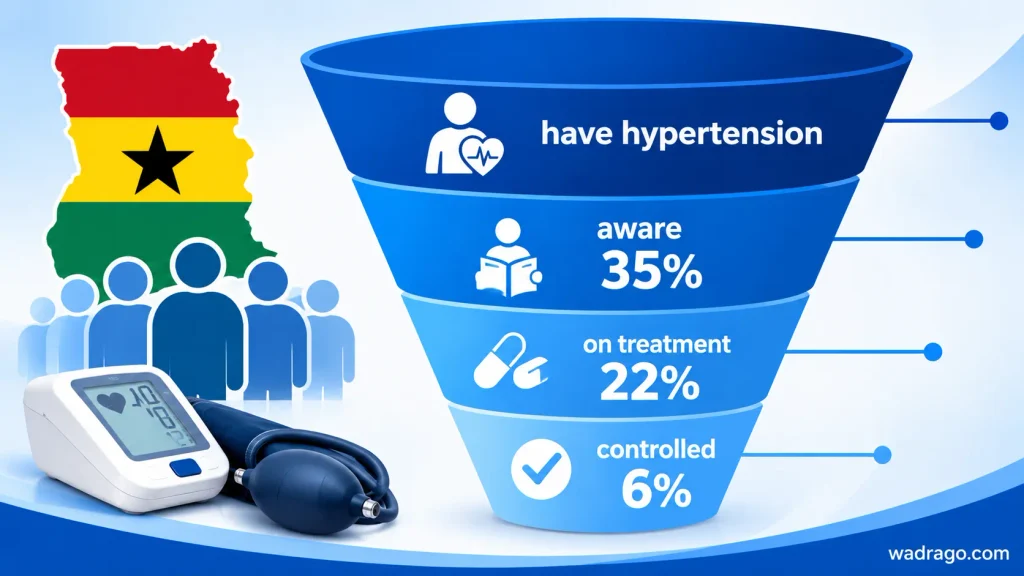
- The care gap: Among Ghanaians with hypertension, only 35% were aware of it, 22% were on treatment, and 6% had their blood pressure controlled.
That last point is the real problem. Most people with hypertension in Ghana are not diagnosed, and most of those who are diagnosed are not controlled. Nurses are the profession best placed to narrow that gap.
What This Guide Will Give You
This guide covers every major antihypertensive drug class, its mechanism, side effects, and nursing responsibilities, plus monitoring, special populations, and patient education. It is written for practicing nurses, nursing students, and caregivers in Ghana and across West Africa.
Medical Disclaimer: The content on WADRAGO.com is for informational and educational purposes only and is not intended to replace professional medical advice, diagnosis, or treatment. Always consult a qualified healthcare professional before making medical decisions or changes to medications. Never disregard professional medical advice based on information published on this website.
2. Understanding Hypertension: A Quick Nursing Refresher
Primary vs. Secondary Hypertension
Primary (Essential) Hypertension
Primary hypertension has no single identifiable cause and accounts for the large majority of cases. It develops from a mix of genetics, aging, excess salt intake, overweight, physical inactivity, alcohol, and stress. The Ghanaian systematic review identified older age, over-nutrition, and alcohol consumption as factors independently associated with hypertension.
Secondary Hypertension
Secondary hypertension has an identifiable and sometimes treatable cause. Suspect it in young patients, in sudden-onset or resistant hypertension, and when BP is severely elevated. Common causes include:
- Chronic kidney disease and renal artery stenosis
- Primary aldosteronism
- Pheochromocytoma
- Cushing’s syndrome and thyroid disorders
- Obstructive sleep apnea
- Medicines and substances such as NSAIDs, corticosteroids, oral contraceptives, decongestants, and some herbal products
- Pregnancy-related conditions such as gestational hypertension and pre-eclampsia
Nursing point: A thorough medication and herbal history can reveal a reversible cause.
BP Classification and Treatment Targets
How Hypertension Is Classified
Classification varies between guidelines, so always follow your facility’s protocol. Two commonly referenced frameworks are:
| Category | ACC/AHA (2017) | ESC/ESH and ISH (140/90 threshold) |
| Normal | <120 / <80 | <130 / <85 |
| Elevated / high-normal | 120-129 / <80 | 130-139 / 85-89 |
| Stage 1 hypertension | 130-139 or 80-89 | 140-159 / 90-99 |
| Stage 2 hypertension | ≥140 or ≥90 | ≥160 / ≥100 |
| Hypertensive crisis | >180 and/or >120 | Severe: ≥180 / ≥110 |
Most research from Ghana, including the studies cited above, defines hypertension as ≥140/90 mmHg.
Treatment Targets
Targets are individualized, and guidelines have been tightening. In general:
- Most adults: below 140/90 mmHg as a minimum, with many guidelines recommending about 130/80 mmHg if tolerated
- Older or frail adults: a less aggressive target, with attention to orthostatic hypotension and falls
- Diabetes and chronic kidney disease: usually a lower target, as set by the prescriber
Nursing point: Know the target set for your patient. A “normal” reading in someone who is usually hypertensive may still be a risk if they are symptomatic.
Getting an Accurate BP Reading
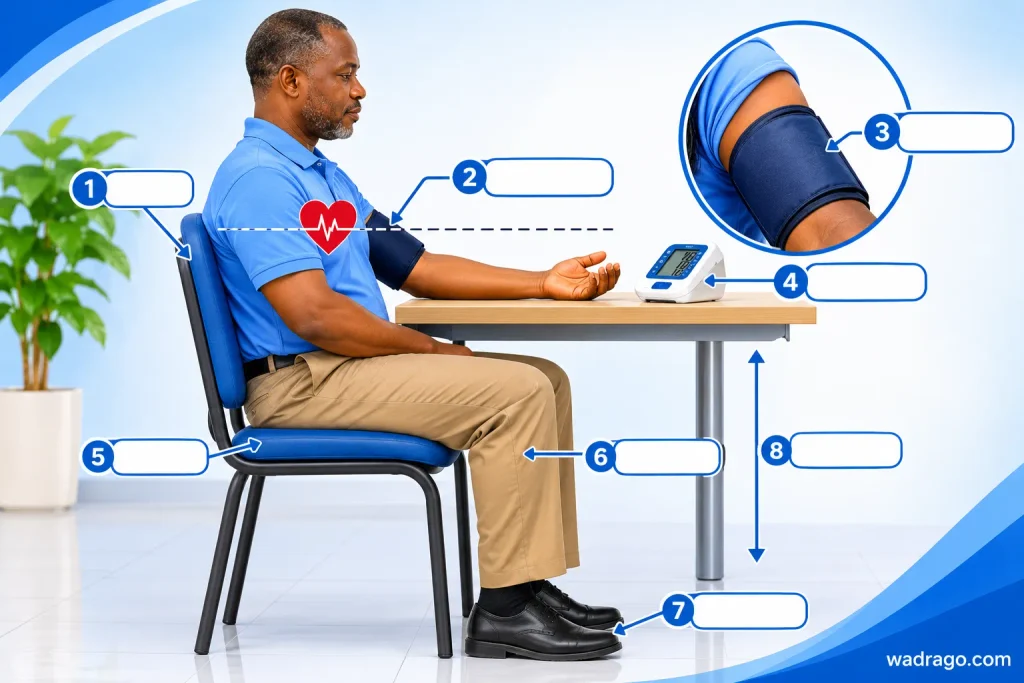
Many treatment decisions are based on inaccurate readings. Before you record a BP:
- Have the patient rest, seated, for about 5 minutes
- Use the correct cuff size and place it at heart level
- Support the back and arm, and keep feet flat and legs uncrossed
- Avoid talking, caffeine, and smoking in the preceding 30 minutes
- Repeat the measurement and average the readings
How Blood Pressure Is Regulated
The Basic Equation
Blood pressure = cardiac output × systemic vascular resistance. Cardiac output is heart rate × stroke volume. Every antihypertensive drug works by lowering one or more of these variables.
The Renin-Angiotensin-Aldosterone System (RAAS)
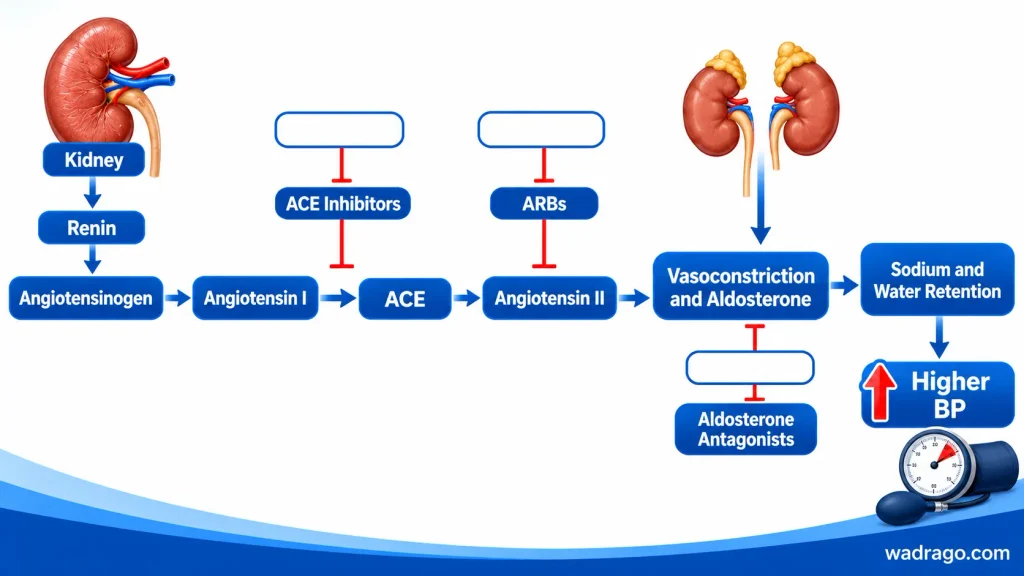
When renal perfusion falls, the kidneys release renin. Renin converts angiotensinogen to angiotensin I, and ACE converts that to angiotensin II. Angiotensin II constricts blood vessels and stimulates aldosterone release, which causes sodium and water retention and potassium loss. The result is higher BP. ACE inhibitors, ARBs, and aldosterone antagonists act on this pathway.
The Sympathetic Nervous System
Sympathetic activation raises heart rate, contractility, and vascular tone through beta-1 and alpha-1 receptors, and it stimulates renin release. Beta-blockers, alpha-blockers, and centrally acting agents target this system.
Fluid Volume and Sodium
More sodium means more water retention, a larger circulating volume, and higher BP. Diuretics and sodium restriction work here.
Why This Matters at the Bedside
If you know the pathway, you can predict the side effects. Blocking RAAS means watching potassium and creatinine. Slowing the heart means watching pulse. Diuresis means watching electrolytes and fluid status.
3. How Antihypertensive Drugs Work: The Big Picture
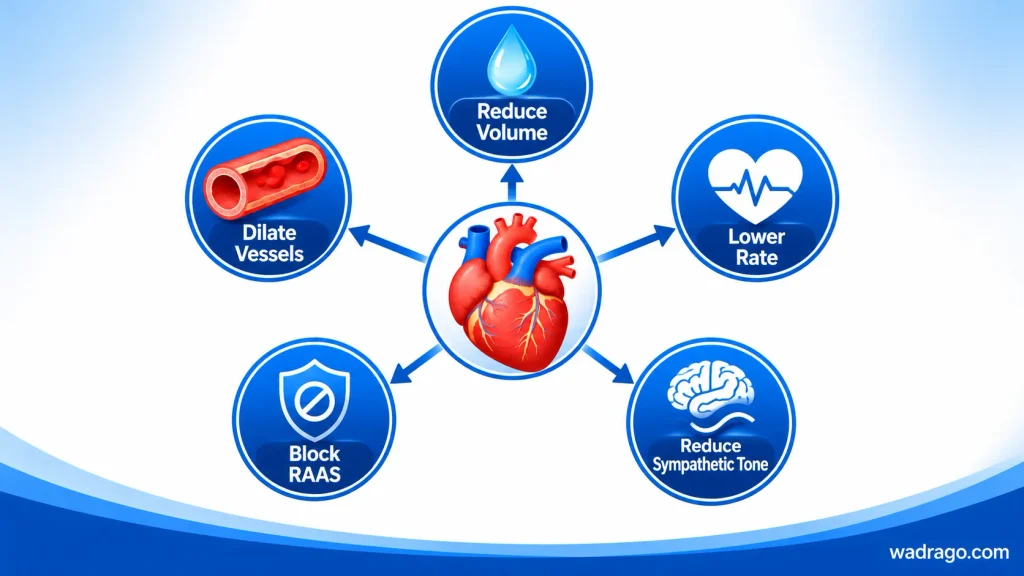
The Five Main Mechanisms
1. Reducing Blood Volume
Diuretics increase sodium and water excretion, lowering circulating volume and cardiac output. Thiazide, loop, and potassium-sparing diuretics fall into this group.
2. Dilating Blood Vessels
Calcium channel blockers, direct vasodilators, and alpha-blockers relax vascular smooth muscle and reduce peripheral resistance.
3. Lowering Heart Rate and Contractility
Beta-blockers and the non-dihydropyridine calcium channel blockers (verapamil and diltiazem) reduce the heart’s rate and force of contraction, lowering cardiac output.
4. Blocking the RAAS
ACE inhibitors prevent the formation of angiotensin II. ARBs block its receptor. Aldosterone antagonists block aldosterone’s effects.
5. Reducing Sympathetic Tone
Centrally acting agents such as methyldopa and clonidine reduce sympathetic outflow from the brain. Beta-blockers and alpha-blockers also contribute here.
Quick-Reference Table of Antihypertensive Drug Classes
| Drug class | Common examples | Main mechanism | Key side effects | Key nursing checks |
| Thiazide / thiazide-like diuretics | Hydrochlorothiazide, chlorthalidone, indapamide | Reduce volume via sodium excretion | Low potassium, low sodium, high uric acid, high glucose | Electrolytes, glucose, fluid status |
| Loop diuretics | Furosemide | Strong diuresis | Dehydration, electrolyte loss, ototoxicity at high doses | Weight, I&O, electrolytes |
| Potassium-sparing / aldosterone antagonists | Spironolactone, eplerenone | Block aldosterone | High potassium, gynecomastia (spironolactone) | Potassium, creatinine |
| ACE inhibitors | Lisinopril, enalapril, captopril, ramipril | Block angiotensin II formation | Dry cough, angioedema, high potassium, first-dose hypotension | Potassium, creatinine, pregnancy status |
| ARBs | Losartan, valsartan, telmisartan, candesartan | Block angiotensin II receptor | High potassium, hypotension, rarely angioedema | Potassium, creatinine, pregnancy status |
| Calcium channel blockers (dihydropyridine) | Amlodipine, nifedipine | Vasodilation | Ankle edema, flushing, headache, reflex tachycardia | Edema, pulse, BP |
| Calcium channel blockers (non-dihydropyridine) | Verapamil, diltiazem | Slow heart rate, vasodilate | Bradycardia, heart block, constipation | Pulse, ECG, bowel function |
| Beta-blockers | Atenolol, metoprolol, bisoprolol, carvedilol, propranolol | Lower heart rate and output | Bradycardia, fatigue, bronchospasm, masked hypoglycemia | Apical pulse, respiratory status, glucose |
| Alpha-blockers | Doxazosin, prazosin | Vasodilation | Orthostatic hypotension, dizziness | Postural BP, fall risk |
| Centrally acting agents | Methyldopa, clonidine | Reduce sympathetic outflow | Sedation, dry mouth, rebound hypertension if stopped abruptly | Avoid abrupt discontinuation |
| Direct vasodilators | Hydralazine, minoxidil | Relax arteriolar smooth muscle | Reflex tachycardia, fluid retention, headache | Pulse, weight, edema |
Why Many Patients Need More Than One Drug
Because BP is controlled through several overlapping systems, one drug often cannot reach the target. Combining drugs from different classes works on different pathways and often improves control with fewer side effects than a high dose of a single agent. Single-pill combinations also improve adherence, which matters in a setting where cost and pill burden are real barriers.
4. Thiazide and Thiazide-Like Diuretics
Overview
Thiazide and thiazide-like diuretics are among the oldest, cheapest, and best-studied antihypertensives. They are one of the four main classes used in combination therapy, alongside calcium channel blockers, ACE inhibitors, and ARBs. They are especially relevant for Ghanaian patients: for patients of African ancestry, guidelines recommend that at least one agent in the regimen be a thiazide diuretic or a calcium channel blocker.
Common Drugs
- Hydrochlorothiazide (HCTZ): the most familiar thiazide and widely used
- Chlorthalidone: a thiazide-like drug with a longer duration of action
- Indapamide: a thiazide-like drug, often used in combination products
Some references favor chlorthalidone and indapamide over HCTZ because of their greater potency and prolonged duration of action. Which agent is available to your patient depends on your facility’s formulary and the NHIS medicines list.
How Thiazides Work
Thiazides block the sodium-chloride transporter in the distal convoluted tubule of the kidney. The kidney excretes more sodium and water, circulating volume falls, and BP drops. With long-term use, they also lower peripheral vascular resistance.
Indications
- Hypertension, alone or in combination
- Edema from heart failure, liver disease, or kidney disease
- Reducing calcium excretion in some patients with calcium kidney stones
Side Effects to Watch For
Hypokalemia
Potassium loss is common, especially at higher doses. Watch for muscle weakness, cramps, fatigue, constipation, and palpitations. Severe hypokalemia can cause arrhythmias. Patients taking digoxin are at particular risk because low potassium increases digoxin toxicity.
Hyponatremia
Thiazide-induced hyponatremia can be sudden and serious, especially in older adults, in small or frail patients, and soon after starting treatment. Watch for headache, nausea, confusion, unsteadiness, and seizures in severe cases.
Hyperuricemia and Gout
Thiazides reduce uric acid excretion and can trigger gout attacks in susceptible patients. Ask about a history of gout.
Hyperglycemia
Thiazides can raise blood glucose and may unmask or worsen diabetes. Monitor glucose in people with diabetes or prediabetes.
Other Effects
- Hypomagnesemia and hypercalcemia
- Dehydration and orthostatic hypotension
- Photosensitivity
- Erectile dysfunction
- Rash, with caution in patients with a documented sulfonamide allergy
Nursing Considerations
- Before giving: check BP, pulse, hydration status, and recent electrolytes and creatinine where available.
- Check for risk factors: a history of gout, diabetes, digoxin or lithium use, and recent vomiting, diarrhea, or poor oral intake.
- Monitor labs: electrolytes (sodium, potassium, magnesium) and creatinine are usually checked after starting or changing the dose, then periodically. Follow your facility’s protocol.
- Watch interactions: NSAIDs reduce the diuretic and BP-lowering effect. Thiazides can raise lithium levels.
- Timing: give in the morning to avoid nocturia and disrupted sleep.
- Know the limits: thiazides work less well in advanced kidney disease. The prescriber will decide whether a loop diuretic is more suitable.
Patient Teaching
- Take the medicine in the morning
- Rise slowly from lying or sitting to avoid dizziness
- Report muscle cramps, severe weakness, confusion, palpitations, or a swollen, painful joint
- Eat potassium-rich foods such as bananas, oranges, and leafy vegetables unless told otherwise, but never take potassium supplements or salt substitutes without medical advice
- Use sun protection
- Stay hydrated, but do not overdrink water, since this can worsen low sodium.
- Do not stop the drug because you feel well.
5. Loop and Potassium-Sparing Diuretics
Loop Diuretics
Furosemide
Furosemide blocks the sodium-potassium-chloride transporter in the thick ascending limb of the loop of Henle. It produces strong, fast diuresis. It is used mainly for edema, heart failure, acute pulmonary edema, and hypertension in patients with significant kidney impairment or fluid overload. Guidelines note that loop diuretics are particularly useful for edema and high blood pressure in CKD stage 4-5, alongside or instead of thiazides.
Side Effects
- Dehydration and hypotension
- Hypokalemia, hyponatremia, hypomagnesemia, and hypocalcemia
- Hyperuricemia and gout
- Ototoxicity (tinnitus or hearing loss), more likely with rapid IV administration, high doses, kidney impairment, or concurrent aminoglycosides
- Sulfonamide cross-sensitivity (uncommon)
Nursing Considerations
- Record daily weight, intake and output, and vital signs
- Give IV doses slowly according to your facility’s rate guidance
- Check for signs of volume depletion: dizziness, dry mucous membranes, low BP, tachycardia
- Monitor electrolytes and renal function, especially in ICU and heart failure patients
- Consider fall risk when patients rush to the toilet
Potassium-Sparing Diuretics and Aldosterone Antagonists
Spironolactone and Eplerenone
These drugs block aldosterone, so the kidney keeps potassium and excretes sodium. They are used for resistant hypertension, heart failure, primary aldosteronism, and some edematous states. Spironolactone also has anti-androgen effects, which cause gynecomastia, breast tenderness, and menstrual irregularities. Eplerenone is more selective and has fewer of these hormonal effects. Amiloride and triamterene are other potassium-sparing options.
Electrolyte Risks and Hyperkalemia Precautions

Nurse reviewing potassium and creatinine results before giving a diuretic or ACE inhibitor
Who Is at Highest Risk of Hyperkalemia
- Chronic kidney disease
- Diabetes
- Concurrent ACE inhibitor, ARB, or other potassium-raising drugs
- Potassium supplements and potassium-based salt substitutes
- NSAID use, older age, and dehydration
Recognizing Hyperkalemia
Early signs are non-specific: muscle weakness, tingling, fatigue, nausea. Later signs include bradycardia, palpitations, and ECG changes (peaked T waves, widened QRS). Hyperkalemia can cause cardiac arrest.
What the Nurse Should Do
- Check potassium and creatinine before starting and soon after any dose change, per protocol.
- Withhold the dose and notify the prescriber if potassium is high or the patient is symptomatic.
- Obtain an ECG for suspected significant hyperkalemia
- Be ready to assist with emergency treatment as ordered
- Ask patients about salt substitutes, herbal products, and over-the-counter NSAIDs
Patient Teaching
- Do not use “lite” salt or potassium-containing substitutes
- Avoid NSAIDs such as ibuprofen and diclofenac unless approved
- Report weakness, palpitations, or a sudden drop in urine output
- Attend all blood test appointments
6. ACE Inhibitors
Overview and Examples
ACE inhibitors block the enzyme that converts angiotensin I to angiotensin II. This reduces vasoconstriction and aldosterone release and lowers BP. Common examples:
- Lisinopril: once daily, widely used
- Enalapril: a prodrug activated in the liver
- Captopril: short-acting, taken multiple times daily, with distinctive side effects such as taste disturbance and rash
- Ramipril: with strong evidence in cardiovascular protection
Indications
- Hypertension
- Heart failure and post-myocardial infarction
- Diabetic and non-diabetic kidney disease with proteinuria
In adults with CKD and albuminuria, ACE inhibitors or ARBs are the preferred choice for kidney protection. In contrast, for Black adults without chronic kidney disease, the 2017 ACC/AHA guideline recommends starting with a thiazide diuretic or calcium channel blocker rather than an ACE inhibitor. ACE inhibitors still matter in this population when diabetes, CKD, or heart failure is present.
Key Side Effects
Dry, Persistent Cough
The cough is caused by bradykinin buildup. It is annoying but not dangerous, and it is among the most common reasons for stopping the drug. It is also reported to be the most common reason Black patients discontinue ACE inhibitors. Switching to an ARB usually solves it.
Angioedema
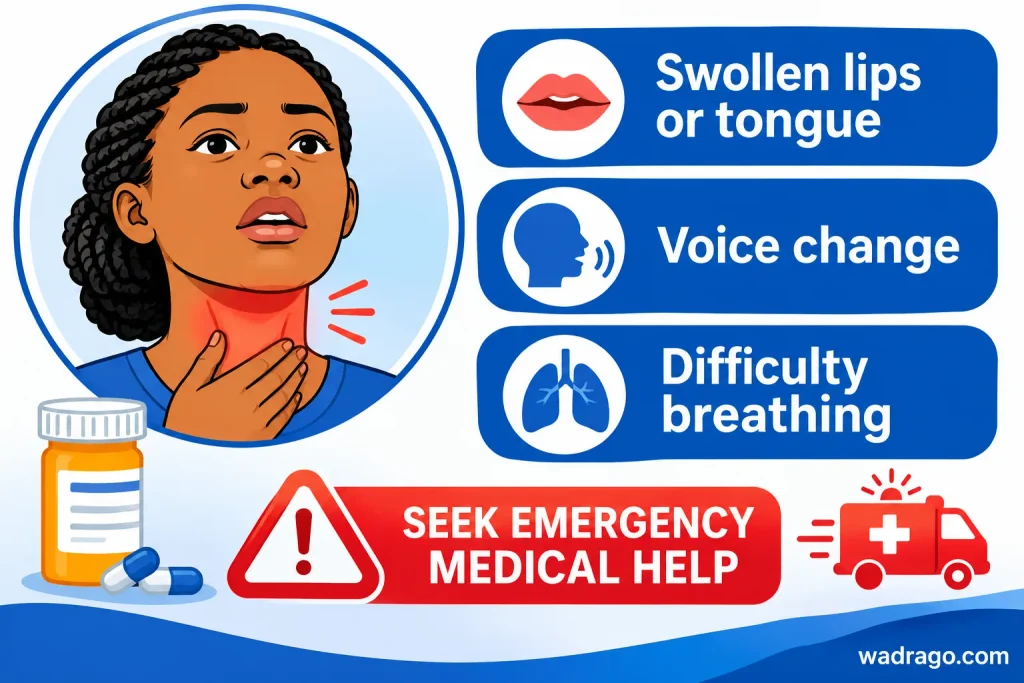
Angioedema is rare but is a medical emergency. It causes swelling of the lips, tongue, face, or throat and can compromise the airway. It can occur at any time, even after years of uneventful use. Black patients have a notably higher risk, with some sources reporting roughly two to four times the rate of non-Black patients. Angioedema from an ACE inhibitor is considered an absolute contraindication to future ACE inhibitor therapy.
Hyperkalemia
ACE inhibitors reduce aldosterone, so potassium rises. The risk is greater with kidney disease, diabetes, potassium-sparing diuretics, and NSAIDs.
Other Effects
- Hypotension, especially after the first dose
- Taste changes, rash, and neutropenia (rare, mostly with captopril)
- Acute kidney injury in vulnerable patients
Nursing Alerts
First-Dose Hypotension
Patients who are volume-depleted, elderly, or already on a diuretic are most at risk. Check BP before and after the first dose, advise the patient to rest, and watch for dizziness and falls. The prescriber may start at a low dose or adjust the diuretic.
Renal Function
Check creatinine and potassium before starting and within the first weeks, and after any dose increase. A small rise in creatinine is expected. One reference notes a transient elevation in serum creatinine of up to 30% reflects expected intraglomerular hemodynamic changes. A larger rise, a rapid rise, or a rising potassium needs prompt review. ACE inhibitors are generally avoided in bilateral renal artery stenosis.
Pregnancy
ACE inhibitors are contraindicated in pregnancy because they can cause serious fetal harm, including kidney damage and low amniotic fluid. Always ask women of childbearing age about pregnancy and contraception. Teach them to contact their provider immediately if they become pregnant or are planning to.
Patient Teaching
- Report swelling of the face, lips, tongue, or any trouble breathing right away, and seek emergency care
- A dry cough should be reported rather than endured, because there are alternatives.
- Rise slowly and avoid dehydration.
- If vomiting, diarrhea, or poor intake occurs, ask the prescriber whether to pause the drug (sick-day guidance)
- Avoid potassium supplements, salt substitutes, and NSAIDs unless approved
- Never combine with an ARB unless a specialist has prescribed it. Guidelines generally recommend not combining ACE inhibitors with ARBs.
7. Angiotensin II Receptor Blockers (ARBs)
Overview and Examples
ARBs block the angiotensin II receptor (AT1), so angiotensin II cannot constrict blood vessels or stimulate aldosterone. Examples:
- Losartan: widely used and has a mild uric-acid-lowering effect
- Valsartan: used in hypertension and heart failure
- Telmisartan: long half-life, so it covers missed doses better
- Candesartan: with good evidence in heart failure
Indications
- Hypertension, especially when an ACE inhibitor causes cough
- Diabetic kidney disease and proteinuric CKD
- Heart failure, in ACE-inhibitor-intolerant patients
Side Effects and Nursing Considerations
ARBs share most precautions of ACE inhibitors, but with a lower rate of cough:
- Hyperkalemia: monitor potassium, especially with CKD, diabetes, and potassium-sparing drugs
- Hypotension and dizziness: especially in volume-depleted patients
- Kidney function: monitor creatinine and watch for sudden deterioration
- Pregnancy: contraindicated, with the same fetal-harm warning
- Angioedema: much less common than with ACE inhibitors, but still possible and not completely excluded, and reports of cross-reactivity exist, so monitor closely if switching after ACE-inhibitor angioedema
ACE Inhibitor vs. ARB: When and Why to Switch
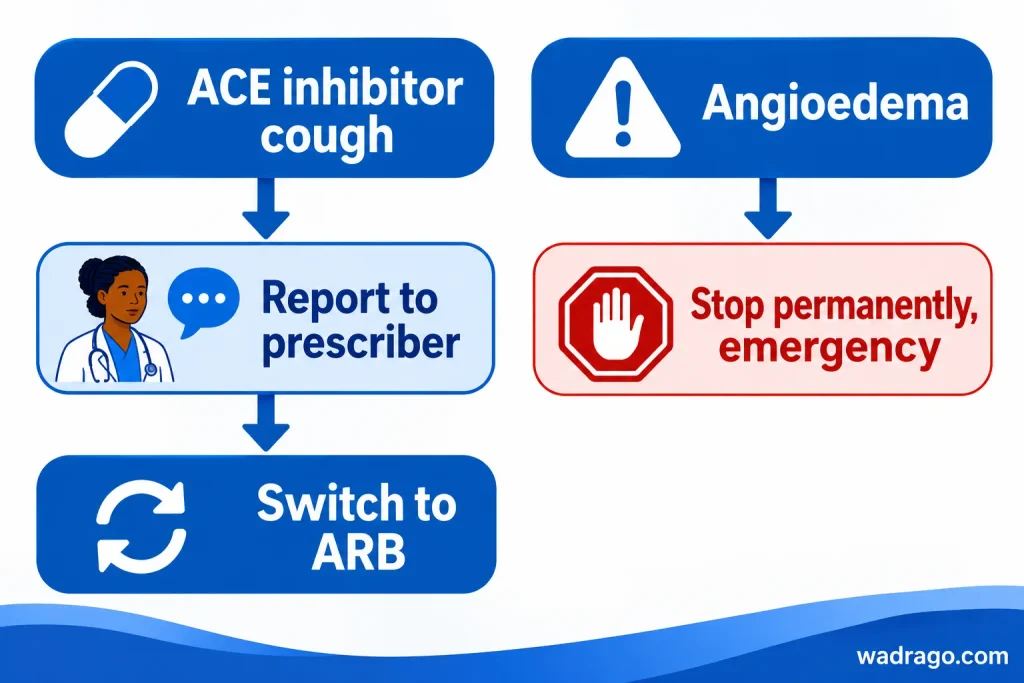
| Situation | Usual approach |
| ACE inhibitor causes persistent dry cough | Switch to an ARB |
| ACE inhibitor angioedema | Stop the ACE inhibitor permanently. An ARB may be considered only by the prescriber, with caution |
| CKD with proteinuria or diabetic nephropathy | Either class is appropriate. Choose by tolerance, cost, and availability |
| Heart failure | ACE inhibitor, ARB, or other agents as prescribed |
| Cost or availability limits access | Use whichever is accessible and affordable, since consistent use matters more than the brand |
| Pregnancy or planning pregnancy | Neither class. The prescriber will choose a safer alternative |
Two further points:
- Do not combine them. Dual blockade raises the risk of hyperkalemia and kidney injury without clear benefit.
- Switching is a prescriber decision. The nurse’s role is to recognize the problem (cough, swelling, rising potassium or creatinine), document it, report it, and teach the patient to do the same.
8. Calcium Channel Blockers (CCBs)
Overview
Calcium channel blockers stop calcium from entering muscle cells through L-type channels. Less calcium means less contraction, so the blood vessels relax and, depending on the drug, the heart slows. CCBs are one of the four main first-line classes, and for patients of African ancestry, they are especially important. One review of the evidence notes that the 2018 ESC/ESH guidelines advise initial combination therapy in African ancestry patients that should include a CCB or diuretic.
CCBs fall into two groups with different effects. Treat them as almost two different drug classes at the bedside.
Dihydropyridines (DHPs)
Common Drugs
- Amlodipine: once daily, long half-life, widely used
- Nifedipine: extended-release forms are used for hypertension
- Felodipine and lercanidipine: other options, with lercanidipine often causing less edema
How They Work
DHPs act mainly on blood vessels. They dilate arterioles, reduce vascular resistance, and have little direct effect on the heart’s conduction.
Side Effects
Peripheral Edema
Ankle and foot swelling is the classic side effect and is dose-related. It is caused by arteriolar dilation, not by true fluid overload, so diuretics usually do not help. It is often reduced when the CCB is combined with an ACE inhibitor or ARB. Always distinguish it from edema caused by heart failure or kidney disease, and report new swelling accompanied by breathlessness or weight gain.
Reflex Tachycardia
When BP drops quickly, the body may speed the heart up in response. This is most likely with short-acting nifedipine. Immediate-release nifedipine capsules are not recommended for treating high BP or hypertensive urgency because of the risk of a sudden BP drop and reflex tachycardia, which can provoke ischemia or stroke.
Other Effects
- Headache, flushing, and dizziness
- Palpitations
- Gum overgrowth (gingival hyperplasia)
- Fatigue
Non-Dihydropyridines
Common Drugs
- Verapamil
- Diltiazem
How They Work
These drugs act on both blood vessels and the heart. They slow the sinoatrial node, slow AV conduction, and reduce contractility. That makes them useful for rate control in atrial fibrillation, supraventricular tachycardia, and angina, as well as hypertension.
Side Effects
Bradycardia and Heart Block
Because they slow the heart, they can cause bradycardia, AV block, and worsening heart failure. They are generally avoided in heart failure with reduced ejection fraction and in second- or third-degree heart block.
Constipation
Constipation is common, especially with verapamil. In older or bedbound patients, plan bowel care early.
Interactions
- With beta-blockers: combining either drug with a beta-blocker can cause profound bradycardia, heart block, and hypotension. IV verapamil with a beta-blocker is particularly dangerous.
- CYP3A4 effects: verapamil and diltiazem raise levels of some drugs, such as simvastatin, cyclosporine, and tacrolimus. Verapamil also raises digoxin levels.
- Grapefruit juice: it can raise levels of several CCBs.
Comparison Table
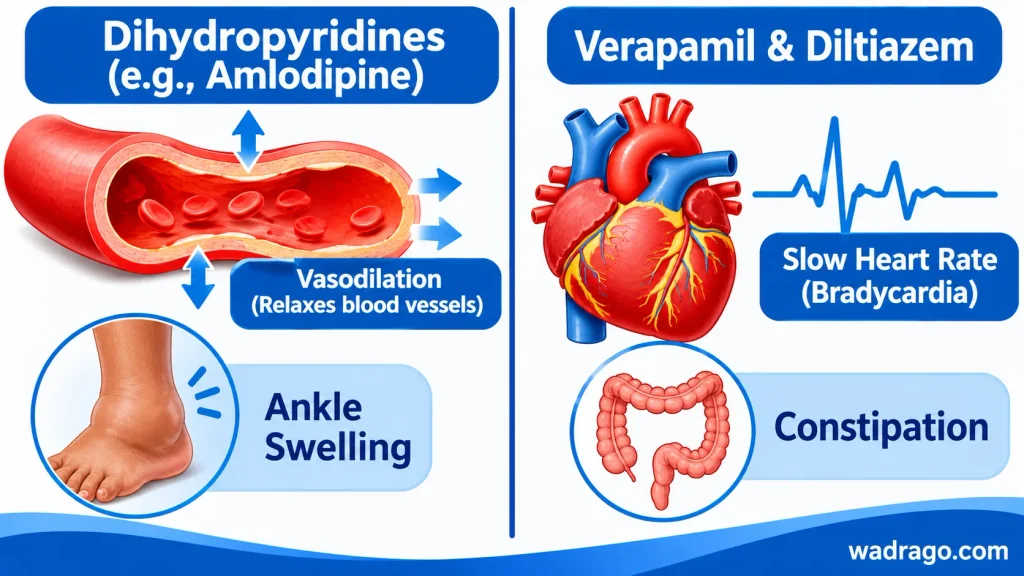
| Feature | Dihydropyridines (amlodipine, nifedipine) | Non-dihydropyridines (verapamil, diltiazem) |
| Main site of action | Blood vessels | Heart and blood vessels |
| Effect on heart rate | Neutral or reflex increase | Decreases |
| Peripheral edema | Common | Less common |
| Constipation | Uncommon | Common (especially verapamil) |
| Heart block risk | Minimal | Significant |
| Use in heart failure (reduced EF) | Amlodipine is neutral | Avoid |
| Main extra uses | Angina | Rate control (AF, SVT), angina |
Nursing Considerations
- Check apical pulse and BP before giving, especially verapamil and diltiazem. Follow your facility’s hold parameters.
- Inspect for edema at the ankles and sacrum, and weigh the patient if swelling is new.
- Review the medication list for beta-blockers, digoxin, statins, and immunosuppressants.
- Plan bowel care for patients on verapamil or diltiazem.
- Do not crush extended-release tablets. Patients should swallow them whole.
- Be cautious with ECG changes. Report a prolonged PR interval or new bradycardia.
Patient Teaching
- Swelling of the ankles can occur. Elevate the legs and report it if it worsens or comes with breathlessness.
- Report a very slow pulse, fainting, or severe dizziness
- Increase fiber and fluids and stay active to prevent constipation
- Avoid grapefruit juice unless the prescriber says it is acceptable
- Brush and floss regularly, and see a dentist if gums swell
- Do not stop the medicine without advice
9. Beta-Blockers
Overview and Examples
Beta-blockers block the effects of adrenaline and noradrenaline on beta receptors. Blocking beta-1 receptors in the heart lowers heart rate and contractility and reduces renin release. Beta-2 receptors in the lungs and blood vessels are affected by non-selective drugs.
- Atenolol: beta-1 selective, excreted by the kidneys
- Metoprolol: beta-1 selective
- Bisoprolol: highly beta-1 selective, widely used in heart failure
- Carvedilol: non-selective with additional alpha-blocking effect, used in heart failure
- Propranolol: non-selective, also used for migraine prevention, tremor, and symptom control in hyperthyroidism
Where Beta-Blockers Fit
Beta-blockers are generally not first-line for uncomplicated hypertension in many modern guidelines. They are used when there is a compelling reason:
- Angina or previous myocardial infarction
- Heart failure with reduced ejection fraction (specific agents)
- Atrial fibrillation or other tachyarrhythmias
- Hypertension in younger patients with high sympathetic activity, according to the prescriber
Side Effects to Watch For
Bradycardia and Heart Block

Always count the apical pulse for one full minute before giving. A slow rate, new dizziness, or fainting needs review.
Bronchospasm
Non-selective beta-blockers can trigger bronchospasm and are generally avoided in asthma. Even selective ones should be used cautiously in COPD. Report any new wheeze or breathlessness.
Masked Hypoglycemia
Beta-blockers can hide the warning signs of low blood sugar, such as tremor and palpitations. Sweating may remain. Patients with diabetes, especially those on insulin or sulfonylureas, must know this and check glucose more carefully. Beta-blockers can also affect glucose control slightly.
Other Effects
- Fatigue and exercise intolerance
- Cold hands and feet
- Hypotension
- Sleep disturbance and vivid dreams, mostly with fat-soluble agents such as propranolol
- Erectile dysfunction
- Worsening of acute heart failure if started or increased at the wrong time
Why Abrupt Discontinuation Is Dangerous
With long-term use, the body makes more beta receptors. If the drug is suddenly stopped, those extra receptors are exposed to circulating adrenaline, which can cause:
- Rebound tachycardia and palpitations
- Sharp rise in BP
- Worsening or new angina
- Myocardial infarction and arrhythmias in people with coronary disease
Beta-blockers should be tapered gradually when stopping, under the prescriber’s direction. Do not omit doses in surgical patients unless instructed. If a patient cannot swallow or is NPO, ask the prescriber about an alternative route.
Nursing Alerts
- A patient with a suspected pheochromocytoma should not receive a beta-blocker without prior alpha-blockade, because unopposed alpha stimulation can cause a hypertensive crisis.
- Do not combine verapamil or diltiazem with a beta-blocker without close supervision.
- Hold and report if the heart rate, BP, or respiratory status falls outside the parameters in your protocol.
Patient Teaching
- Never stop suddenly, even if you feel well or run out. Get refills early
- Check your pulse and report a rate lower than the limit your care team gave you
- Rise slowly
- People with diabetes should check glucose more often and know that a racing heart may not appear during a low
- Report wheeze, breathlessness, or swelling and weight gain
10. Alpha-Blockers, Centrally Acting Agents, and Direct Vasodilators
These drugs are usually add-ons for resistant hypertension, for specific groups such as pregnant women, or for special situations. They are used less often than the main classes, but nurses need to know their hazards.
Alpha-Blockers
Examples
- Doxazosin
- Prazosin and terazosin
How They Work
They block alpha-1 receptors on blood vessels, causing vasodilation. They also relax the prostate and bladder neck, so they are used for benign prostatic hyperplasia as well. They are not first-line for hypertension alone, since large trials showed they were less effective than other classes at preventing heart failure.
Orthostatic Hypotension and First-Dose Syncope
The first dose, or a dose increase, can cause a sharp BP drop and fainting. To reduce this:
- Start at a low dose, as prescribed
- Give the first dose and dose increases at bedtime
- Check lying and standing BP
- Warn patients to sit or lie down if dizzy
Other Effects
Dizziness, headache, fatigue, nasal congestion, palpitations, and fluid retention.
Centrally Acting Agents
Methyldopa
Methyldopa reduces sympathetic outflow from the brain. It has a long safety record in pregnancy, so it is often used for hypertension in pregnant women. Side effects include sedation, depression, dry mouth, fluid retention, and liver injury. It can cause a positive Coombs test and, rarely, hemolytic anemia. Report jaundice, dark urine, or unexplained fever.
Clonidine
Clonidine stimulates alpha-2 receptors in the brain, reducing sympathetic tone. It is available as tablets and patches. Side effects include sedation, dry mouth, bradycardia, and constipation.
Rebound Hypertension
Stopping clonidine abruptly can cause a dangerous rebound with high BP, headache, agitation, sweating, and tachycardia. The risk is higher if the patient is also on a beta-blocker. The usual approach is to taper clonidine gradually. If both are being stopped, the beta-blocker is generally withdrawn first, per prescriber instructions.
Direct Vasodilators
Hydralazine
Hydralazine relaxes arteriolar smooth muscle. It is used orally for resistant hypertension and in heart failure, often combined with isosorbide dinitrate. It is also used intravenously in severe hypertension in pregnancy. Because it triggers reflex tachycardia and fluid retention, it is usually given with a beta-blocker and a diuretic.
Side effects:
- Headache, flushing, palpitations, and tachycardia
- Fluid retention and edema
- Drug-induced lupus (joint pain, rash, fever) with higher doses or long-term use
Minoxidil
Minoxidil is a very potent oral vasodilator reserved for severe, resistant hypertension under specialist care. It causes marked reflex tachycardia, significant fluid and salt retention, pericardial effusion in some patients, and excessive hair growth. It is typically given with a beta-blocker and a loop diuretic.
Orthostatic Hypotension, Rebound Hypertension, and Reflex Tachycardia: Quick Summary
| Problem | Main drugs involved | What the nurse should do |
| Orthostatic hypotension and first-dose syncope | Alpha-blockers, vasodilators, any agent in volume depletion | Check lying and standing BP, give at bedtime where ordered, assist with mobility, teach slow position changes |
| Rebound hypertension | Clonidine, abrupt withdrawal of beta-blockers | Never omit doses, prevent supply gaps, report missed doses, support tapering |
| Reflex tachycardia | Hydralazine, minoxidil, short-acting nifedipine | Check pulse, expect combination with a beta-blocker, report palpitations or chest pain |
| Fluid retention | Hydralazine, minoxidil | Daily weight, edema checks, diuretic as prescribed |
Patient Teaching for This Group
- Rise slowly, and sit or lie down at the first sign of dizziness
- Never stop clonidine or beta-blockers suddenly, and keep a spare supply
- Report fainting, a racing heart, rapid weight gain, joint pain with rash, or yellow skin or eyes
- Women who are pregnant or planning pregnancy should discuss every antihypertensive with their care team, since the safer choices (such as methyldopa, labetalol, or nifedipine) differ from the usual options
11. Drug Classes at a Glance: Comparison Table
This is the section readers will bookmark, so keep it scannable. Use it as a quick reference, not a substitute for the full sections above.
Master Comparison Table
| Drug class | Mechanism | Common side effects | Key contraindications and cautions | Key nursing checks |
| Thiazide / thiazide-like diuretics | Block sodium-chloride transport in the distal tubule, reducing volume | Low potassium, low sodium, high uric acid, high glucose | Gout, severe hyponatremia, advanced kidney disease (less effective), caution with lithium and digoxin | Electrolytes, glucose, hydration, morning dosing |
| Loop diuretics | Block sodium-potassium-chloride transport in the loop of Henle | Dehydration, electrolyte loss, ototoxicity | Volume depletion, caution with aminoglycosides | Daily weight, intake and output, electrolytes, IV rate |
| Aldosterone antagonists (spironolactone, eplerenone) | Block aldosterone | High potassium, gynecomastia (spironolactone) | Hyperkalemia, advanced kidney disease | Potassium, creatinine, salt-substitute and NSAID history |
| ACE inhibitors | Block angiotensin II formation | Dry cough, angioedema, high potassium, first-dose hypotension | Pregnancy, prior ACE-inhibitor angioedema, bilateral renal artery stenosis | Potassium, creatinine, BP after first dose, pregnancy status |
| ARBs | Block the angiotensin II receptor | High potassium, hypotension, rare angioedema | Pregnancy, bilateral renal artery stenosis | Potassium, creatinine, pregnancy status |
| Dihydropyridine CCBs | Vasodilate arterioles | Ankle edema, flushing, headache, reflex tachycardia | Severe aortic stenosis, avoid immediate-release nifedipine for acute BP lowering | Edema, pulse, BP |
| Non-dihydropyridine CCBs | Vasodilate and slow the heart | Bradycardia, heart block, constipation | Heart failure with reduced EF, AV block, combination with beta-blockers | Apical pulse, ECG, bowel function |
| Beta-blockers | Block beta receptors, slowing heart rate and output | Bradycardia, fatigue, bronchospasm, masked hypoglycemia | Asthma, heart block, untreated pheochromocytoma | Apical pulse, respiratory status, glucose, never stop abruptly |
| Alpha-blockers | Block alpha-1 receptors, causing vasodilation | Orthostatic hypotension, first-dose syncope | Orthostatic hypotension | Lying and standing BP, bedtime dosing |
| Centrally acting agents (methyldopa, clonidine) | Reduce sympathetic outflow | Sedation, dry mouth, rebound hypertension (clonidine) | Liver disease (methyldopa), bradycardia | Do not stop abruptly, liver symptoms |
| Direct vasodilators (hydralazine, minoxidil) | Relax arteriolar smooth muscle | Reflex tachycardia, fluid retention, drug-induced lupus (hydralazine) | Severe tachycardia, coronary disease without beta-blockade | Pulse, weight, edema |
The Four Highest-Risk Combinations
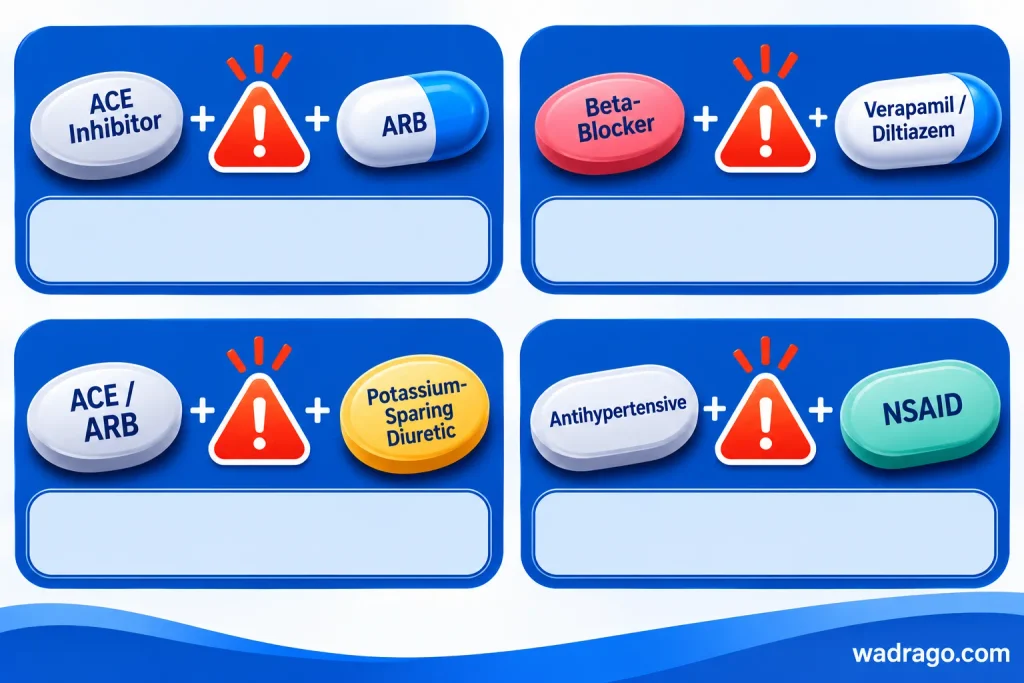
- ACE inhibitor + ARB: raises the risk of hyperkalemia and kidney injury. Generally avoided.
- Beta-blocker + verapamil or diltiazem: risk of severe bradycardia, heart block, and hypotension.
- ACE inhibitor or ARB + potassium-sparing diuretic or potassium supplement: hyperkalemia risk, so monitor closely if prescribed.
- Any antihypertensive + NSAIDs: NSAIDs blunt BP control and, with diuretics plus an ACE inhibitor or ARB, raise the risk of acute kidney injury.
Quick Pre-Administration Checklist
Before giving any antihypertensive, ask:
- What is the BP, and how does it compare with the patient’s baseline?
- What is the pulse (apical for beta-blockers and non-DHP CCBs)?
- Is the patient dehydrated, vomiting, or not eating?
- Are the latest potassium, sodium, and creatinine acceptable?
- Is the patient pregnant or could they be?
- Does the patient have any new symptoms, such as dizziness, swelling, wheeze, or palpitations?
If something is outside your hold parameters or protocol, hold the dose, document, and notify the prescriber.
12. Choosing the Right Drug: First-Line Therapy and Combination Treatment
How Guidelines Approach First-Line Treatment
Most major guidelines agree on the core first-line classes: thiazide or thiazide-like diuretics, ACE inhibitors or ARBs, and long-acting dihydropyridine CCBs. The WHO guideline, which is particularly relevant for low-resource settings, suggests combination therapy, preferably as a single-pill combination to improve adherence and persistence, using drugs from the classes of diuretics, ACE inhibitors or ARBs, and long-acting dihydropyridine CCBs. It also recommends a target of below 140/90 mmHg for patients without comorbidities, and a target systolic below 130 mmHg for patients with known cardiovascular disease.
The newest American guideline goes further. According to a clinical summary of the 2025 ACC/AHA guideline, adults with stage 2 hypertension should start with a single-pill combination of two first-line agents from different classes, regardless of cardiovascular risk.
The Ghana Standard Treatment Guidelines
The Ghana Standard Treatment Guidelines are the document you should follow in practice. They are published by the Ministry of Health and updated periodically, so always check the current edition. A 2024 analysis of prescribing noted that the guidelines are not directive about lines of treatment, which leaves some room for clinician judgment. The same study found that amlodipine, nifedipine, losartan, lisinopril, and bendroflumethiazide accounted for 74% of all antihypertensive use among privately insured patients. That is a useful reminder that the drugs in this guide are the drugs you will meet most often.
Author’s note for you to complete: Insert the exact stepwise approach from the current Ghana Standard Treatment Guidelines edition your facility uses, so your readers see the local recommendation rather than only international ones. I could not verify the exact current wording, so please take it directly from the document.
Why Combination Therapy Works
- Drugs from different classes target different parts of the BP system, so effects add up.
- Combining drugs often lets each be used at a lower dose, which reduces side effects.
- Some combinations offset each other’s problems. For example, an ACE inhibitor or ARB reduces the potassium loss from a thiazide and can reduce CCB-related ankle swelling.
- Starting with a combination reaches target faster. One review notes that compared with monotherapy, initial combination therapy achieves blood pressure control more quickly with similar tolerability.
Single-Pill Combinations and Adherence
Taking several tablets a day, at different times, is a major reason patients stop. A Ghanaian study of prescribing found that most patients received multiple-pill combination treatment, and guideline adherence was suboptimal, largely because of complex drug therapy, and it concluded that simplified treatment should be prioritized. Single-pill combinations (for example, an ARB with a thiazide, or an ACE inhibitor with a CCB) reduce pill burden and tend to improve persistence.
What the Nurse Can Do
- Ask which pills the patient actually takes and when
- Report missed doses, cost problems, and confusion to the prescriber, who may be able to simplify the regimen
- Teach pill organizers and fixed daily routines, such as linking tablets to a meal or prayer time
- Ask whether the patient can afford the refill, and raise it early
Responses in Patients of African Descent
For years, guidelines recommended CCBs and thiazide-type diuretics as the preferred first-line agents for patients of African ancestry. Evidence for this includes trials in which diuretic- or CCB-based treatment gave better outcomes than RAS-blocker-based treatment in this group. The 2018 ESC/ESH guidelines reflect this, advising initial combination therapy in African ancestry patients that should include a CCB or diuretic. Black patients also have a higher rate of ACE-inhibitor angioedema, as covered in section 6.
An Important Update
The 2025 ACC/AHA guideline appears to have changed this approach. A clinical summary reports that previous guidelines recommended calcium channel blockers or thiazides as first-line agents for Black patients, but the updated guideline now recommends all four first-line classes for all patients, with selection individualized by comorbidities and patient-specific factors rather than race.
For your article, I’d present it this way:
- CCBs and thiazides remain highly effective and well supported in patients of African ancestry, and are widely used in Ghana
- Selection should be individualized, and RAS blockers remain essential when there is diabetes, proteinuric kidney disease, or heart failure
- Many patients will need combination therapy, so the practical question is usually “which combination,” not “which single drug”
A Simple Framework for Choosing
| Patient factor | Often favored |
| No special condition | Combination of two first-line classes, for example CCB plus ARB/ACE inhibitor, or thiazide plus ARB/ACE inhibitor |
| Diabetes or CKD with albuminuria | ACE inhibitor or ARB as part of the regimen |
| Heart failure with reduced EF | ACE inhibitor/ARB, evidence-based beta-blocker, and aldosterone antagonist (see section 13) |
| Post-stroke | ACE inhibitor or ARB plus thiazide-like diuretic |
| Pregnancy | Labetalol, nifedipine, or methyldopa (no ACE inhibitor or ARB) |
| Angina or prior MI | Beta-blocker plus ACE inhibitor or ARB |
| Gout | Avoid thiazides if possible. Consider a CCB or ARB (losartan lowers uric acid) |
| Asthma | Avoid non-selective beta-blockers |
Remember that drug selection is the prescriber’s decision. The nurse’s role is to understand the reasoning so that monitoring and teaching match the drug.
13. Antihypertensives in Special Populations

Pregnancy and Postpartum
Why It Matters
Hypertension in pregnancy includes chronic hypertension, gestational hypertension, and pre-eclampsia. It is a leading cause of maternal and fetal complications, and nurses and midwives are often the first to detect it.
Commonly Used Drugs
- Labetalol: a combined alpha- and beta-blocker, commonly used orally and intravenously
- Nifedipine (extended-release): commonly used orally
- Methyldopa: an older drug with a long safety record, though it causes more sedation and side effects
Drugs to Avoid
- ACE inhibitors and ARBs: contraindicated because of fetal harm
- Aldosterone antagonists and other drugs: generally avoided unless a specialist advises otherwise
Severe Hypertension
Severe hypertension in pregnancy (commonly BP of 160/110 mmHg or above) is an obstetric emergency because of the risk of stroke, eclampsia, and placental abruption. Treatment is usually urgent and follows facility protocols, which may include IV labetalol, IV hydralazine, or oral nifedipine, plus magnesium sulfate for seizure prevention where indicated.
Postpartum
BP often peaks several days after delivery, so monitoring should continue after discharge. Many antihypertensives used postpartum, such as nifedipine, labetalol, and enalapril, are considered compatible with breastfeeding, but check each drug in a reliable reference or with the prescriber.
Nursing Points
- Ask every woman of childbearing age about pregnancy before giving ACE inhibitors or ARBs.
- Teach warning signs: severe headache, visual changes, upper abdominal pain, sudden swelling, reduced fetal movement.
- Follow your facility’s protocol for BP thresholds and escalation
Older Adults
- Start low, go slow: older adults are more prone to dizziness, falls, and electrolyte problems.
- Check postural BP: orthostatic hypotension is common and raises fall and fracture risk.
- Watch thiazides closely: hyponatremia is a particular risk
- Be careful with the target: frail patients and those with limited life expectancy may need a less aggressive goal, as decided by the prescriber. Guidelines mention that monotherapy may be considered in the very old (80 years or above) or frailer patients.
- Review all medicines: polypharmacy, NSAIDs, and sedatives all increase the risk of side effects.
Diabetes and Chronic Kidney Disease
Diabetes
Most guidelines recommend an ACE inhibitor or ARB for patients with diabetes and hypertension, especially when there is albuminuria. Combined with a CCB or thiazide-type drug, these regimens help many patients reach targets. Some guidelines have suggested that Black patients with diabetes may reasonably be expected to have a better blood pressure response to initial monotherapy with a CCB or thiazide-type diuretic. Nurses should remember that beta-blockers can mask hypoglycemia and thiazides can raise glucose.
Chronic Kidney Disease
ACE inhibitors and ARBs are preferred in CKD with albuminuria because they slow kidney damage. These patients need careful monitoring of potassium and creatinine. Diuretics are often needed to control volume, and loop diuretics may be more effective than thiazides in advanced CKD.
Heart Failure and Post-Stroke Patients
Heart Failure
In heart failure with reduced ejection fraction, certain drugs improve survival and also lower BP: ACE inhibitors or ARBs (or ARNI), evidence-based beta-blockers (bisoprolol, carvedilol, metoprolol succinate), and aldosterone antagonists. Diuretics relieve congestion. Non-dihydropyridine CCBs (verapamil and diltiazem) should generally be avoided, and the same goes for doxazosin and drugs that worsen fluid retention. Hypertension is a major cause of heart failure in Ghana. One hospital study in Kumasi found that it was the main cause of heart failure, affecting 61.7% of 307 admitted patients.
Nursing priorities include daily weights, intake and output, fluid balance, and watching for hypotension, hyperkalemia, and worsening kidney function when drugs are started or increased.
After a Stroke
Long-term BP control is one of the most important ways to prevent a second stroke. Guidance suggests considering an ACE inhibitor or ARB with a thiazide-like diuretic in post-stroke patients.
The first hours and days of an acute stroke are different. BP is managed according to the stroke protocol, and rapid lowering can worsen outcomes in ischemic stroke. Do not apply routine antihypertensive rules to an acute stroke patient. Follow the treating team’s orders.
Pediatric Hypertension
What Is Different in Children
- BP norms depend on age, sex, and height, so diagnosis uses reference tables or charts rather than a single cut-off. Use the correct cuff size, because an oversized or undersized cuff gives false readings.
- In children, secondary causes (especially kidney and renal-vascular disease, and endocrine disorders) are more common than in adults, so evaluation is more thorough.h
- Lifestyle measures such as weight management, diet, and activity come first in many cases.
Drug Treatment
When medication is needed, pediatric specialists usually choose from ACE inhibitors, ARBs, calcium channel blockers, and thiazide diuretics, with dosing by weight. Never calculate pediatric doses from adult doses. Use the prescriber’s order and a pediatric drug reference, and check twice.
Nursing Points
- Adolescent girls on ACE inhibitors or ARBs need counseling on pregnancy risk
- Teach families that medicines should not be stopped without medical advice
- Document BP with the cuff size and arm used so trends can be interpreted
14. Hypertensive Urgency vs. Emergency: What Nurses Must Know
Why This Distinction Matters
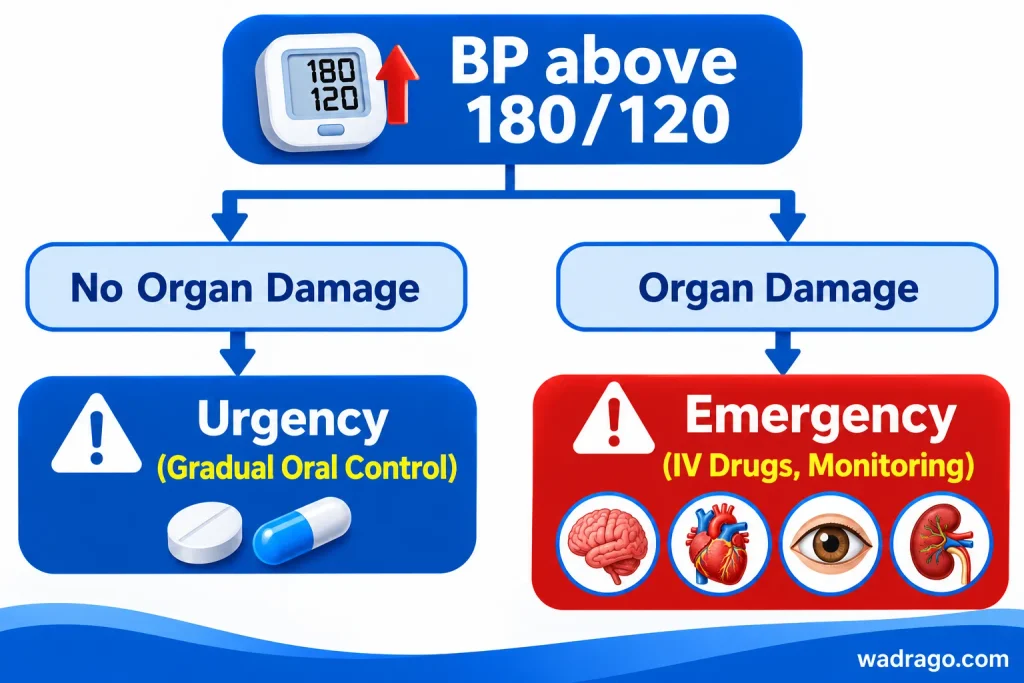
A very high BP reading is not automatically an emergency. What matters is whether the patient has acute damage to organs. Mixing up the two leads to two different errors: undertreating a true emergency or lowering BP too fast in a stable patient, which can cause stroke, heart attack, or kidney injury.
Definitions
- Hypertensive urgency: One reference defines this as a systolic BP above 180 mmHg or diastolic above 120 mmHg in an otherwise stable person without clinical or laboratory evidence of acute target organ damage.
- Hypertensive emergency: The same threshold with the presence of acute target organ damage.
The BP number alone does not separate the two. The symptoms, examination, and tests do. Some people develop organ damage at lower pressures, such as pregnant women with pre-eclampsia.
Recognizing Target-Organ Damage
| Organ | What to look for |
| Brain | Severe headache, confusion, drowsiness, seizures, vomiting, visual disturbance, focal weakness, facial droop, slurred speech (encephalopathy, stroke, intracerebral hemorrhage) |
| Eyes | Blurred vision, papilledema, retinal hemorrhages (fundoscopy by a clinician) |
| Heart | Chest pain, shortness of breath, pulmonary edema, new ECG changes, raised troponin (acute coronary syndrome, acute heart failure) |
| Aorta | Sudden severe tearing chest or back pain, pulse or BP difference between arms (aortic dissection) |
| Kidneys | Reduced urine output, blood in urine, rising creatinine |
| Pregnancy | Severe headache, visual changes, upper abdominal pain, swelling, seizures, reduced fetal movement (pre-eclampsia, eclampsia, HELLP) |
First Actions for the Nurse
- Recheck the BP with the correct cuff size in both arms if dissection is suspected. Confirm the reading before acting.
- Assess airway, breathing, and circulation, then neurological status, chest pain, breathlessness, vision, and urine output.
- Ask quickly about the cause: missed antihypertensives, abrupt stopping of clonidine or beta-blockers, NSAIDs, stimulants (including cocaine), decongestants, alcohol withdrawal, pain, anxiety, a full bladder, or pregnancy.
- Call for help early if there are any signs of organ damage.
- Prepare for monitoring: continuous ECG, frequent BP, IV access, and urine output measurement. Expect investigations such as ECG, renal function, electrolytes, troponin, and urinalysis.
Hypertensive Urgency: Treat Calmly
When the patient is stable and asymptomatic, the aim is gradual control over hours to days, usually with oral medicines and prompt outpatient follow-up. Avoid rapid BP lowering with short-acting agents. In particular, avoid immediate-release nifedipine, because the sharp fall can cause harm. The prescriber will decide on adjusting oral therapy and arranging early review.
Hypertensive Emergency: Lower BP Carefully
The General Rule
Most patients with a hypertensive emergency are treated with IV drugs and continuous monitoring, usually in a high-dependency or ICU setting. The usual pattern of reduction is described in several sources as: lower BP about 20% to 25% within minutes to 1 hour, then gradually to 160/100 mmHg over the next 2 to 6 hours, then cautiously to normal over the next 24 to 48 hours.
The reason is that chronically hypertensive patients have shifted autoregulation. Dropping BP too far or too fast can reduce blood flow to the brain, heart, and kidneys.
Important Exceptions
Some conditions need a different target and speed, so always follow the treating team’s orders and your protocol:
- Aortic dissection: very rapid and aggressive reduction is needed, with targets such as systolic BP below 120 mmHg and heart rate below 60 within the first hour.
- Severe pre-eclampsia and eclampsia: treated promptly according to obstetric protocols, with magnesium sulfate where indicated.
- Intracerebral hemorrhage: managed to specific systolic targets set by the clinician.
- Acute ischemic stroke: BP is often not lowered unless it is very high or the patient is receiving thrombolysis. Do not apply the routine rules to an acute stroke patient.
- Pheochromocytoma crisis: needs specific agents, and beta-blockers must not be given first.
Common IV Agents and Nursing Points
| Drug | Main use | Key nursing points |
| Labetalol | Many emergencies, including aortic dissection and pregnancy | Watch heart rate and rhythm. Avoid or use cautiously in bradycardia, heart block, asthma, and acute heart failure. Give bolus doses slowly and keep the patient supine |
| Nicardipine | Many emergencies, including acute kidney injury and stroke settings | Continuous infusion with frequent titration. Watch for reflex tachycardia, headache, and hypotension. Check the IV site for phlebitis |
| Hydralazine | Severe hypertension in pregnancy | Onset and response are less predictable, so watch for prolonged hypotension, reflex tachycardia, and headache |
| Nitroglycerin | Acute coronary syndromes and acute pulmonary edema | Headache and hypotension are common. Contraindicated with recent phosphodiesterase-5 inhibitors (such as sildenafil). Tolerance develops with prolonged use |
Other agents you may meet include esmolol, clevidipine, fenoldopam, and sodium nitroprusside. Nitroprusside is powerful but carries a risk of cyanide toxicity, so levels should be monitored and the initial dose kept careful. Choice of drug depends on the specific emergency. For example, aortic dissection can be managed with esmolol or labetalol, and in acute renal failure clevidipine or nicardipine is first line.
Safe Practice With IV Antihypertensives
- Verify the drug, concentration, rate, and pump settings with a second nurse where your policy requires it.
- Check BP frequently, usually every few minutes at first, as set by the order or protocol.l
- Keep continuous ECG monitoring and watch urine output
- Stop or slow the infusion and call the prescriber if BP falls below the ordered target, or if the patient becomes dizzy, confused, bradycardic, or oliguric
- Document each BP, the rate, and the response clearly
15. Nursing Assessment Before Giving Antihypertensives
A few minutes of assessment before each dose prevents many adverse events.
Accurate BP Measurement Technique
An inaccurate reading leads to wrong decisions in both directions. Before you record:
- Let the patient sit quietly for about 5 minutes
- Support the back and arm at heart level, with feet flat and legs uncrossed
- Choose the correct cuff size, since a small cuff overestimates the BP and a large cuff underestimates it
- Avoid measuring over clothing
- Make sure the patient has not had caffeine, tobacco, or exercise in the previous 30 minutes, and has emptied their bladder.
- Take at least two readings, and average them.
- At the first visit, measure both arms and use the arm with the higher reading.
- In older adults, diabetics, and anyone on alpha-blockers or with dizziness, also measure lying or sitting, then standing (after 1 and 3 minutes)
Record the arm used, position, cuff size, and any unusual circumstances.
Pulse
- Count the apical pulse for a full minute before beta-blockers, verapamil, diltiazem, clonidine, and digoxin
- Note rate, rhythm, and regularity
- Report a new irregular pulse or an unexpectedly slow or fast rate
Targeted History
Before giving or starting a drug, ask:
- Symptoms: dizziness, fainting, chest pain, breathlessness, swelling, palpitations, headache, visual changes
- Adherence: which drugs the patient takes, how often, and any missed doses or doses taken twice
- Fluid status: recent vomiting, diarrhea, poor oral intake, or heavy sweating
- Other medicines: NSAIDs, steroids, herbal remedies, potassium supplements, lithium, digoxin, antidiabetic drugs, and over-the-counter cold remedies
- Pregnancy: possible pregnancy, breastfeeding, or planning to conceive in women of childbearing age
- Substances: alcohol, tobacco, and any stimulant use
- Relevant diseases: asthma, COPD, gout, diabetes, kidney disease, heart failure, liver disease, previous angioedema
Allergies and Previous Reactions
- Document and double-check allergies
- Ask specifically about previous swelling of the face, lips, or tongue with any antihypertensive
- Ask about sulfonamide allergy where thiazides or loop diuretics are prescribed
- Ask about any drug that previously caused a persistent cough, severe dizziness, or fainting
Laboratory Results
Where available, check recent:
- Potassium and sodium (diuretics, ACE inhibitors, ARBs, aldosterone antagonists)
- Creatinine and eGFR (ACE inhibitors, ARBs, diuretics)
- Glucose (thiazides, beta-blockers)
- Other results such as magnesium, uric acid, and liver tests when relevant
If a result is not available, say so when you report to the prescriber, and follow your facility’s protocol on whether to proceed.
Hold Parameters
Hold parameters are the limits at which you should withhold a dose and notify the prescriber. They vary by drug, patient, and institution, so use the ones written in the order or your protocol. A template to complete for your own unit:
| Drug class | Check before giving | Hold and notify if (per your protocol) |
| Beta-blockers, non-DHP CCBs, clonidine | Apical pulse, BP | Pulse or BP below the ordered limit, new heart block, symptoms |
| ACE inhibitors, ARBs | BP, potassium, creatinine | Low BP, high potassium, rising creatinine, signs of dehydration |
| Diuretics | BP, hydration, electrolytes, weight | Low BP, dehydration, severe electrolyte disturbance |
| Vasodilators and alpha-blockers | Standing BP, pulse | Symptomatic or marked orthostatic drop, severe tachycardia |
Never skip a dose silently. If you hold it, document the reason and tell the prescriber.
16. Monitoring Parameters: What to Check and When
Blood Pressure and Heart Rate
- During initiation and titration: check BP more often, since the effect builds over days to weeks.
- After a dose change: reassess BP and heart rate, and ask about symptoms
- Long term: check at every visit, and encourage home BP monitoring where possible
Orthostatic Blood Pressure
Measure after the patient has been lying or sitting, then at 1 and 3 minutes after standing. A sustained fall of 20 mmHg systolic or 10 mmHg diastolic, or symptoms such as dizziness, suggests orthostatic hypotension. Do this especially in older adults, people with diabetes, patients on alpha-blockers, vasodilators, or diuretics, and those who have fallen.
Electrolytes, Creatinine/eGFR, and Glucose
| Test | Why it matters | Drugs that most often require it |
| Potassium | Hypokalemia and hyperkalemia are both dangerous | Diuretics, ACE inhibitors, ARBs, aldosterone antagonists |
| Sodium | Hyponatremia can cause confusion and seizures | Thiazides above all |
| Creatinine and eGFR | Detect kidney injury and monitor kidney function | ACE inhibitors, ARBs, diuretics, aldosterone antagonists |
| Glucose | Drugs can raise glucose or mask hypoglycemia | Thiazides, beta-blockers |
| Magnesium, calcium, uric acid | Can be affected by diuretics | Thiazide and loop diuretics |
Monitoring Schedule by Drug Class
The schedules below are typical examples. Local protocols and the prescriber’s orders always take priority.
| Drug class | Baseline | After starting or increasing | Ongoing |
| Thiazide and loop diuretics | Electrolytes, creatinine, glucose, uric acid if relevant | Electrolytes and creatinine within the first weeks | Periodically, and any time the patient is unwell, vomiting, or dehydrated |
| ACE inhibitors and ARBs | Potassium, creatinine, BP, pregnancy status | Potassium and creatinine usually within 1 to 2 weeks | Periodically, with extra checks during illness |
| Aldosterone antagonists | Potassium, creatinine | Early and repeated checks of potassium and creatinine | Regularly, especially with CKD or ACE inhibitors or ARBs |
| Dihydropyridine CCBs | BP, pulse, edema | BP and edema | At every visit |
| Non-DHP CCBs | BP, pulse, ECG if indicated | Pulse and BP, ECG as ordered | At every visit |
| Beta-blockers | BP, apical pulse, respiratory status, glucose in diabetes | Pulse, BP, symptoms | Regularly |
| Alpha-blockers | Lying and standing BP | Standing BP, especially after the first dose and increases | At every visit |
| Clonidine, methyldopa | BP, pulse, liver tests for methyldopa | BP, sedation | Regularly |
| Hydralazine, minoxidil | BP, pulse, weight | Pulse, weight, edema | Regularly |
Home and Long-Term Monitoring
- Encourage patients to record home BP readings and bring them to visits
- Use a validated, properly sized upper-arm device
- Teach patients to report readings that are persistently above or below the ranges agreed with their care team.
- Document trends, not just single readings
17. Managing Common Side Effects at the Bedside
Side effects are a leading reason patients stop treatment. Recognizing and managing them early keeps people on therapy.
Dizziness and Falls
Common causes: orthostatic hypotension, over-treatment, dehydration, bradycardia, and drug combinations.
What to do:
- Check lying and standing BP and pulse
- Teach slow position changes: sit at the bedside before standing
- Assist with walking, especially after the first dose or a dose increase
- Report to the prescriber, who may adjust the dose, timing, or drug
- Review fall precautions, footwear, lighting, and the need for night-time toileting after diuretics
Cough
Likely cause: ACE inhibitors, as explained in section 6. Also exclude other causes such as respiratory infection, heart failure, and smoking.
What to do:
- Report a persistent dry cough to the prescriber, who may switch to an ARB
- Do not advise patients to simply tolerate it, because it often leads to stopping all treatment
- Reassure that the cough is not dangerous and goes away after the drug is stopped, though it can take weeks
Edema
Likely causes: dihydropyridine CCBs (such as amlodipine), vasodilators such as hydralazine and minoxidil, and also heart failure, kidney disease, or liver disease.
What to do:
- Examine ankles and lower back, and compare both legs
- Check weight trends
- Elevate the legs when resting
- Report new swelling with breathlessness, rapid weight gain, or one-sided swelling, which are not typical drug effects.
- Remember that diuretics usually do not fix CCB-related edema
Fatigue
Likely causes: beta-blockers, over-treatment with low BP, bradycardia, electrolyte problems, and anemia.
What to do:
- Check pulse, BP, and recent electrolytes
- Rule out other causes of fatigue, since it can signal something unrelated to the drug
- Encourage gradual activity and sleep hygiene
- Report persistent or worsening fatigue to the prescriber
Sexual Dysfunction
Erectile dysfunction and reduced libido are linked most often to beta-blockers and thiazides, and aldosterone antagonists such as spironolactone can cause hormonal effects. Many patients are embarrassed and quietly stop the drug.
What to do:
- Ask sensitively and privately, in a non-judgmental way
- Explain that it is a recognized side effect and that options exist
- Encourage the patient to talk to the prescriber rather than stop treatment
- Document it, since a change of drug may help
Other Common Effects
| Side effect | Usually linked to | Nursing action |
| Constipation | Verapamil, diltiazem | Fluids, fiber, mobility, bowel care plan |
| Headache and flushing | Dihydropyridine CCBs, vasodilators | Reassure, check BP, report if severe |
| Muscle cramps and weakness | Diuretics (low potassium or magnesium) | Check electrolytes, report |
| Gum overgrowth | CCBs | Oral hygiene, dental review |
| Sedation, dry mouth | Clonidine, methyldopa | Safety advice, oral care, report excessive drowsiness |
| Gout flare | Thiazides, loop diuretics | Report joint pain, redness, swelling |
Sick-Day Guidance
When a patient has vomiting, diarrhea, fever, or poor intake, dehydration can make some drugs harmful, particularly diuretics, ACE inhibitors, ARBs, and NSAIDs. In these situations, the prescriber may advise pausing certain medicines temporarily. Teach patients to ask early, not to stop everything on their own, and to restart as instructed.
18. Serious Adverse Reactions and Red Flags
Angioedema
Signs: swelling of the lips, tongue, face, or throat, voice change, difficulty swallowing or breathing, noisy breathing.
Why it matters: The airway can close. This is most associated with ACE inhibitors, and the risk is higher in patients of African ancestry. It can occur years after starting the drug.
What to do:
- Stop the drug and call for emergency help immediately
- Keep the airway open, sit the patient upright if they are conscious, and give oxygen as ordered
- Follow your emergency protocol, which may include adrenaline (epinephrine). Note that antihistamines and steroids may not work well for ACE-inhibitor angioedema.
- Document and record the drug as a serious reaction. The ACE inhibitor should not be restarted.
Severe Hypotension
Signs: marked dizziness, fainting, confusion, cold and clammy skin, rapid pulse (or very slow pulse with beta-blockers or non-DHP CCBs), reduced urine output.
What to do:
- Lay the patient flat and raise the legs unless contraindicated
- Check airway, breathing, pulse, and BP, and call for help
- Hold the next dose and notify the prescriber
- Look for causes: a drug overdose or double dose, dehydration, bleeding, sepsis, or an infusion running too fast.
- Give IV fluids or other treatment only as ordered
Hyperkalemia
Risk: ACE inhibitors, ARBs, aldosterone antagonists, potassium supplements, kidney disease, NSAIDs.
Signs: muscle weakness, tingling, nausea, palpitations, slow or irregular pulse, ECG changes.
What to do: hold the offending drug, obtain an ECG, check potassium urgently, notify the prescriber, and prepare for emergency treatment as ordered. Treat any ECG change as urgent.
Heart Block and Severe Bradycardia
Risk: beta-blockers, verapamil, diltiazem, clonidine, digoxin, and especially combinations.
Signs: very slow pulse, dizziness, fainting, chest pain, breathlessness, low BP, ECG changes.
What to do: hold the drug, check vital signs and ECG, call for help, and follow your emergency bradycardia protocol, which may include atropine or other measures as ordered. Review all slow-heart-rate drugs the patient is taking.
Acute Kidney Injury
Risk: ACE inhibitors, ARBs, diuretics, NSAIDs, dehydration, and the combination of these.
Signs: falling urine output, rising creatinine, new swelling, rising potassium, nausea, drowsiness.
What to do: hold the dose and notify the prescriber promptly. Check fluid balance, review all potentially nephrotoxic drugs, and avoid NSAIDs. Expect repeat blood tests.
Hypertensive Rebound After Abrupt Withdrawal
Risk: clonidine and beta-blockers stopped suddenly.
Signs: sudden high BP, headache, sweating, palpitations, anxiety, chest pain.
What to do: check when the patient last took the drug, notify the prescriber urgently, and manage as directed. Prevent it by making sure patients never run out.
When to Hold the Dose and When to Escalate
| Situation | Hold the next dose? | Escalate? |
| Mild dizziness, BP only slightly low | Check protocol and notify prescriber | Report, no emergency |
| BP or pulse below ordered hold parameter | Yes | Notify the prescriber |
| Vomiting, diarrhea, poor intake | Often, as directed | Notify the prescriber |
| Rising creatinine or potassium | Often, as directed | Notify promptly |
| Swelling of face, lips, tongue, or throat | Stop the drug | Emergency call now |
| Fainting, severe hypotension, new heart block | Stop | Emergency call now |
| Chest pain, severe headache with high BP, neurological signs | Do not give extra oral drugs without orders | Emergency call now |
| Hyperkalemia with ECG changes | Stop the drug | Emergency call now |
| Suspected pregnancy while on ACE inhibitor or ARB | Hold and notify | Same-day prescriber review |
SBAR for Reporting

When you call the prescriber, use a clear structure:
- Situation: “I’m calling about [patient] on [drug], whose BP is ___ and pulse ___.”
- Background: relevant diagnoses, current drugs, recent labs, baseline BP
- Assessment: what you found and what you are concerned about
- Recommendation: “I have held the dose and would like you to review or advise on repeat labs.”
Related Articles You May Find Helpful
- Nursing Technology Guide: Smart Devices in Nursing Workflow Without Burnout
- Is Smart Glasses for Nurses: A Complete Beginner’s Guide on How Smart Glasses are Transforming Nursing Care.
- Step-by-Step Guide to Using Smart Watches for Vital Signs Reminders: Nurses Guide 101.
- What Nurses Should Know Before Buying a Smartwatch for Clinical Work: Smartwatch for nurses in clinical settings
- Apple Watch vs Garmin for Nurses & Doctors: Which Smartwatch Wins This Battle in Hospitals (2026)?
- Best Smartwatches for Nurses in 2026: Features That Actually Matter
- Is ChatGPT a Threat to Nursing Careers?
Medical References
- American College of Obstetricians and Gynecologists. (2020). Gestational hypertension and preeclampsia: ACOG practice bulletin, number 222. Obstetrics & Gynecology, 135(6), e237–e260. https://doi.org/10.1097/AOG.0000000000003891
- ALLHAT Officers and Coordinators for the ALLHAT Collaborative Research Group. (2002). Major outcomes in high-risk hypertensive patients randomized to angiotensin-converting enzyme inhibitor or calcium channel blocker vs diuretic: The Antihypertensive and Lipid-Lowering Treatment to Prevent Heart Attack Trial (ALLHAT). JAMA, 288(23), 2981–2997. https://doi.org/10.1001/jama.288.23.2981
- Ataklte, F., Erqou, S., Kaptoge, S., Taye, B., Echouffo-Tcheugui, J. B., & Kengne, A. P. (2015). Burden of undiagnosed hypertension in sub-Saharan Africa: A systematic review and meta-analysis. Hypertension, 65(2), 291–298. https://doi.org/10.1161/HYPERTENSIONAHA.114.04394
- Bangalore, S., Sawhney, S., & Messerli, F. H. (2008). Relation of beta-blocker–induced heart rate lowering and cardioprotection in hypertension. Journal of the American College of Cardiology, 52(18), 1482–1489. https://doi.org/10.1016/j.jacc.2008.06.048
- Bosu, W. K., Reilly, S. T., Aheto, J. M. K., & Zucchelli, E. (2019). Hypertension in older adults in Africa: A systematic review and meta-analysis. PLOS ONE, 14(4), e0214934. (Note: verify. The Ghana-specific review with the 27.0% pooled prevalence is Bosu, W. K., Aheto, J. M. K., Zucchelli, E., & Reilly, S. T. (2019), “Prevalence, awareness, and control of hypertension in Ghana: A systematic review and meta-analysis,” PLOS ONE, 14(3), e0214935. Cite that one for your Ghana statistics after checking the article page.)
- Brown, N. J., Ray, W. A., Snowden, M., & Griffin, M. R. (1996). Black Americans have an increased rate of angiotensin converting enzyme inhibitor-associated angioedema. Clinical Pharmacology & Therapeutics, 60(1), 8–13. https://doi.org/10.1016/S0009-9236(96)90161-7
- Cappuccio, F. P., Kerry, S. M., Micah, F. B., Plange-Rhule, J., & Eastwood, J. B. (2006). A community programme to reduce salt intake and blood pressure in Ghana. BMC Public Health, 6, Article 13. https://doi.org/10.1186/1471-2458-6-13
- Carey, R. M., Calhoun, D. A., Bakris, G. L., Brook, R. D., Daugherty, S. L., Dennison-Himmelfarb, C. R., Egan, B. M., Flack, J. M., Gidding, S. S., Judd, E., Lackland, D. T., Laffer, C. L., Newton-Cheh, C., Smith, S. M., Taler, S. J., Textor, S. C., Turan, T. N., & White, W. B. (2018). Resistant hypertension: Detection, evaluation, and management. Hypertension, 72(5), e53–e90. https://doi.org/10.1161/HYP.0000000000000084
- Ernst, M. E., & Moser, M. (2009). Use of diuretics in patients with hypertension. New England Journal of Medicine, 361(22), 2153–2164. https://doi.org/10.1056/NEJMra0907184
- Flynn, J. T., Kaelber, D. C., Baker-Smith, C. M., Blowey, D., Carroll, A. E., Daniels, S. R., de Ferranti, S. D., Dionne, J. M., Falkner, B., Flinn, S. K., Gidding, S. S., Goodwin, C., Leu, M. G., Powers, M. E., Rea, C., Samuels, J., Simasek, M., Thaker, V. V., & Urbina, E. M. (2017). Clinical practice guideline for screening and management of high blood pressure in children and adolescents. Pediatrics, 140(3), e20171904. https://doi.org/10.1542/peds.2017-1904
- Heidenreich, P. A., Bozkurt, B., Aguilar, D., Allen, L. A., Byun, J. J., Colvin, M. M., Deswal, A., Drazner, M. H., Dunlay, S. M., Evers, L. R., Fang, J. C., Fedson, S. E., Fonarow, G. C., Hayek, S. S., Hernandez, A. F., Khazanie, P., Kittleson, M. M., Lee, C. S., Link, M. S., … Yancy, C. W. (2022). 2022 AHA/ACC/HFSA guideline for the management of heart failure. Circulation, 145(18), e895–e1032. https://doi.org/10.1161/CIR.0000000000001063
- Jones, D. W., Ferdinand, K. C., Taler, S. J., Johnson, H. M., Shimbo, D., Abdalla, M., Altieri, M. M., Bansal, N., Bello, N. A., Bress, A. P., Carter, J., Cohen, J. B., Collins, K. J., Commodore-Mensah, Y., Davis, L. L., Egan, B., Khan, S. S., Lloyd-Jones, D. M., Melnyk, B. M., … Wright, J. T., Jr. (2025). 2025 AHA/ACC/AANP/AAPA/ABC/ACCP/ACPM/AGS/AMA/ASPC/NMA/PCNA/SGIM guideline for the prevention, detection, evaluation and management of high blood pressure in adults. Hypertension. (Verify the author list, volume, pages and DOI on the AHA Journals site; the guideline is very recent.)
- Kidney Disease: Improving Global Outcomes Blood Pressure Work Group. (2021). KDIGO 2021 clinical practice guideline for the management of blood pressure in chronic kidney disease. Kidney International, 99(3S), S1–S87. https://doi.org/10.1016/j.kint.2020.11.003
- Kleindorfer, D. O., Towfighi, A., Chaturvedi, S., Cockroft, K. M., Gutierrez, J., Lombardi-Hill, D., Kamel, H., Kernan, W. N., Kittner, S. J., Leira, E. C., Lennon, O., Meschia, J. F., Nguyen, T. N., Pollak, P. M., Santangeli, P., Sharrief, A. Z., Smith, S. C., Jr., Turan, T. N., & Williams, L. S. (2021). 2021 guideline for the prevention of stroke in patients with stroke and transient ischemic attack. Stroke, 52(7), e364–e467. https://doi.org/10.1161/STR.0000000000000375
- Magee, L. A., Brown, M. A., Hall, D. R., Gupte, S., Hennessy, A., Karumanchi, S. A., Kenny, L. C., McCarthy, F., Myers, J., Poon, L. C., Rana, S., Saito, S., Staff, A. C., Tsigas, E., & von Dadelszen, P. (2022). The 2021 International Society for the Study of Hypertension in Pregnancy classification, diagnosis & management recommendations for international practice. Pregnancy Hypertension, 27, 148–169. https://doi.org/10.1016/j.preghy.2021.09.008
- Messerli, F. H., Bangalore, S., Bavishi, C., & Rimoldi, S. F. (2018). Angiotensin-converting enzyme inhibitors in hypertension: To use or not to use? Journal of the American College of Cardiology, 71(13), 1474–1482. https://doi.org/10.1016/j.jacc.2018.01.058
- Ministry of Health, Ghana. (2017). Standard treatment guidelines (7th ed.). Ghana National Drugs Programme. (Replace with the edition your facility currently uses.)
- Muntner, P., Shimbo, D., Carey, R. M., Charleston, J. B., Gaillard, T., Misra, S., Myers, M. G., Ogedegbe, G., Schwartz, J. E., Townsend, R. R., Urbina, E. M., Viera, A. J., White, W. B., & Wright, J. T., Jr. (2019). Measurement of blood pressure in humans: A scientific statement from the American Heart Association. Hypertension, 73(5), e35–e66. https://doi.org/10.1161/HYP.0000000000000087
- NCD Risk Factor Collaboration. (2021). Worldwide trends in hypertension prevalence and progress in treatment and control from 1990 to 2019: A pooled analysis of 1201 population-representative studies with 104 million participants. The Lancet, 398(10304), 957–980. https://doi.org/10.1016/S0140-6736(21)01330-1
- Opie, L. H., & Seedat, Y. K. (2005). Hypertension in sub-Saharan African populations. Circulation, 112(23), 3562–3568. https://doi.org/10.1161/CIRCULATIONAHA.105.539569
- Powers, W. J., Rabinstein, A. A., Ackerson, T., Adeoye, O. M., Bambakidis, N. C., Becker, K., Biller, J., Brown, M., Demaerschalk, B. M., Hoh, B., Jauch, E. C., Kidwell, C. S., Leslie-Mazwi, T. M., Ovbiagele, B., Scott, P. A., Sheth, K. N., Southerland, A. M., Summers, D. V., & Tirschwell, D. L. (2019). Guidelines for the early management of patients with acute ischemic stroke: 2019 update. Stroke, 50(12), e344–e418. https://doi.org/10.1161/STR.0000000000000211
- Unger, T., Borghi, C., Charchar, F., Khan, N. A., Poulter, N. R., Prabhakaran, D., Ramirez, A., Schlaich, M., Stergiou, G. S., Tomaszewski, M., Wainford, R. D., Williams, B., & Schutte, A. E. (2020). 2020 International Society of Hypertension global hypertension practice guidelines. Hypertension, 75(6), 1334–1357. https://doi.org/10.1161/HYPERTENSIONAHA.120.15026
- van den Born, B.-J. H., Lip, G. Y. H., Brguljan-Hitij, J., Cremer, A., Segura, J., Morales, E., Mahfoud, F., Amraoui, F., Persu, A., Kahan, T., Agabiti Rosei, E., de Simone, G., Gosse, P., & Williams, B. (2019). ESC Council on Hypertension position document on the management of hypertensive emergencies. European Heart Journal – Cardiovascular Pharmacotherapy, 5(1), 37–46. https://doi.org/10.1093/ehjcvp/pvy032
- Varon, J., & Marik, P. E. (2003). Clinical review: The management of hypertensive crises. Critical Care, 7(5), 374–384. https://doi.org/10.1186/cc2351
- Whelton, P. K., Carey, R. M., Aronow, W. S., Casey, D. E., Jr., Collins, K. J., Dennison Himmelfarb, C., DePalma, S. M., Gidding, S., Jamerson, K. A., Jones, D. W., MacLaughlin, E. J., Muntner, P., Ovbiagele, B., Smith, S. C., Jr., Spencer, C. C., Stafford, R. S., Taler, S. J., Thomas, R. J., Williams, K. A., Sr., … Wright, J. T., Jr. (2018). 2017 ACC/AHA/AAPA/ABC/ACPM/AGS/APhA/ASH/ASPC/NMA/PCNA guideline for the prevention, detection, evaluation, and management of high blood pressure in adults. Hypertension, 71(6), e13–e115. https://doi.org/10.1161/HYP.0000000000000065
- World Health Organization. (2021). Guideline for the pharmacological treatment of hypertension in adults. https://www.who.int/publications/i/item/9789240033986
- World Health Organization. (2023). Global report on hypertension: The race against a silent killer. https://www.who.int/publications/i/item/9789240081062
- Williams, B., Mancia, G., Spiering, W., Agabiti Rosei, E., Azizi, M., Burnier, M., Clement, D. L., Coca, A., de Simone, G., Dominiczak, A., Kahan, T., Mahfoud, F., Redon, J., Ruilope, L., Zanchetti, A., Kerins, M., Kjeldsen, S. E., Kreutz, R., Laurent, S., … Desormais, I. (2018). 2018 ESC/ESH guidelines for the management of arterial hypertension. European Heart Journal, 39(33), 3021–3104. https://doi.org/10.1093/eurheartj/ehy339
- Wright, J. T., Jr., Dunn, J. K., Cutler, J. A., Davis, B. R., Cushman, W. C., Ford, C. E., Haywood, L. J., Leenen, F. H. H., Margolis, K. L., Papademetriou, V., Probstfield, J. L., Whelton, P. K., & Habib, G. B. (2005). Outcomes in hypertensive black and nonblack patients treated with chlorthalidone, amlodipine, and lisinopril. JAMA, 293(13), 1595–1608. https://doi.org/10.1001/jama.293.13.1595
- Yusuf, S., Teo, K. K., Pogue, J., Dyal, L., Copland, I., Schumacher, H., Dagenais, G., Sleight, P., & Anderson, C. (2008). Telmisartan, ramipril, or both in patients at high risk for vascular events. New England Journal of Medicine, 358(15), 1547–1559. https://doi.org/10.1056/NEJMoa0801317