
By Abdul-Muumin Wedraogo, RGN, BSc Nursing
Affiliate Disclosure: This article contains affiliate links. If you purchase products through these links, I may earn a small commission at no additional cost to you. I only recommend products that I have personally used or that align with clinical standards based on my 10 years of nursing experience.
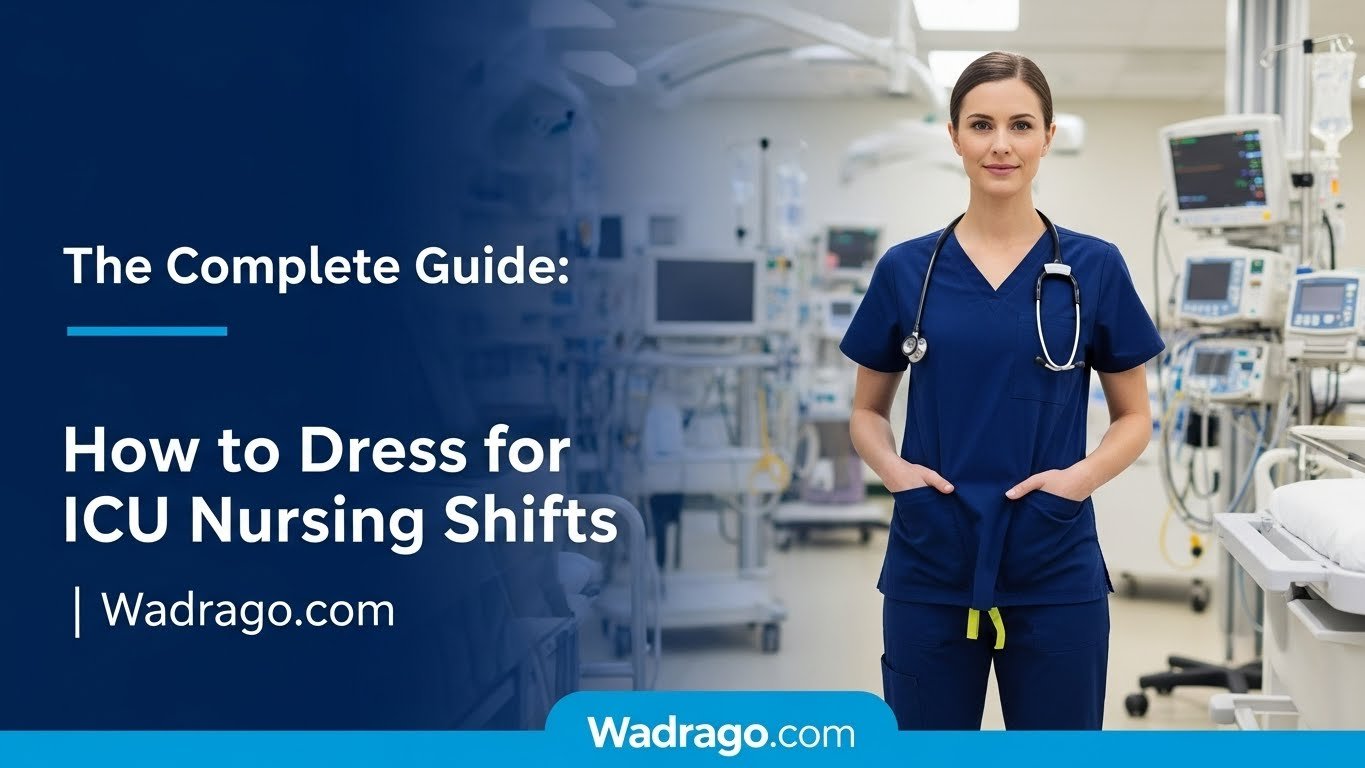
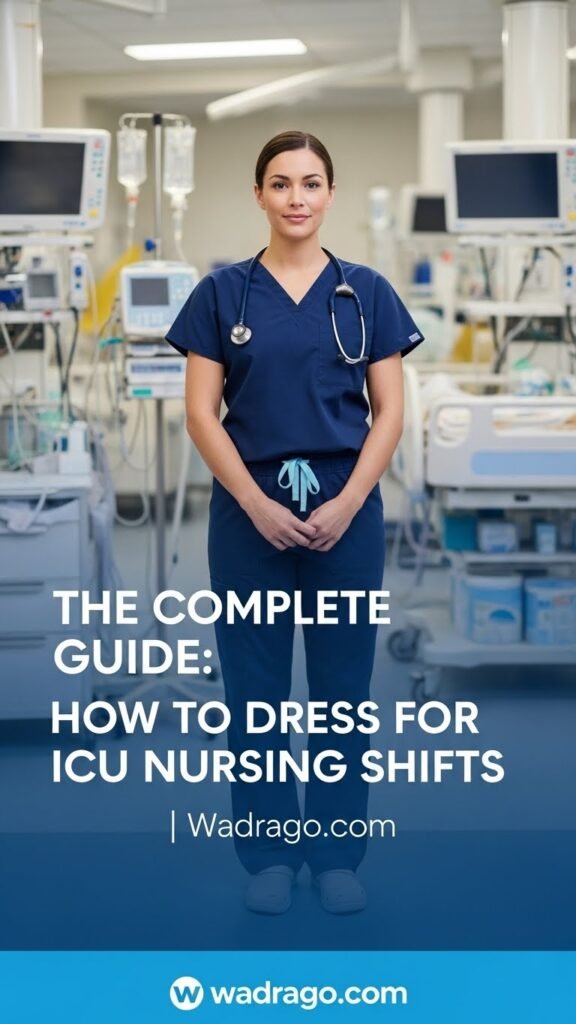
Working as an ICU nurse means facing some of the most demanding shifts in healthcare. During my decade of clinical practice rotating through Emergency Room, Pediatrics, ICU, and General Ward settings, I’ve learned that what you wear during those grueling 12-hour shifts can make the difference between ending your shift energized or barely able to walk to your car. The Intensive Care Unit presents unique challenges that require thoughtful consideration when selecting your nursing attire.
Research shows that nurses can walk up to four miles during a twelve-hour shift, and in critical care settings, those miles are often accumulated while performing complex, physically demanding tasks. Your clothing choices directly impact your comfort, safety, infection control compliance, and ultimately, your ability to provide optimal patient care. This comprehensive guide draws from current evidence-based practices, CDC guidelines, and real-world ICU nursing experience to help you dress appropriately for long ICU duties.
Whether you’re a seasoned critical care nurse or preparing for your first ICU rotation, understanding how to dress for ICU nursing shifts goes beyond simply putting on scrubs. It encompasses fabric selection, footwear science, compression therapy, infection control considerations, and practical functionality that supports the demanding nature of intensive care nursing.
Table of Contents
Understanding ICU Dress Code Standards and Requirements
Why ICU Dress Codes Differ from Other Units
Intensive Care Units maintain stricter dress codes compared to general medical-surgical floors, and for good reason. ICU nurses handle critical patients in high-pressure situations, requiring uniforms that are durable, flexible, and practical. The heightened infection control protocols, increased patient acuity, and frequency of invasive procedures all necessitate specific attire considerations.
Many hospitals prohibit nail enhancements of any kind in Intensive Care Units, Operating Rooms, and areas where invasive procedures are routinely performed. During my ICU rotations at Ghana Health Service facilities, I observed how these seemingly minor regulations significantly impact infection prevention outcomes.
Standard ICU Uniform Components
Scrubs are almost universally mandatory in hospitals to maintain a professional appearance and guarantee the safety and hygiene of both patients and staff. However, not all scrubs are created equal for ICU work. The standard ICU nursing uniform typically includes:
Scrub Tops and Pants ICU uniforms require breathable and stretchable fabric for unrestricted movement, with multiple pockets to store tools like scissors, pens, and monitors, often in darker shades to hide stains. During codes or rapid response situations, you need a full range of motion without fabric restrictions.
Footwear Requirements Nurses are encouraged to wear comfortable, supportive, and slip-resistant footwear for safety and because nursing involves significant movement. This becomes even more critical in ICU settings where floor spills from bodily fluids, medications, or irrigation solutions occur frequently.
Personal Grooming Standards. To avoid contamination risks, facilities normally request that nurses wear little or no jewelry, have their hair tied up and clean, and maintain good personal hygiene. In my ICU experience, I’ve seen how loose hair or dangling jewelry can compromise sterile fields during central line insertions or other bedside procedures.
Selecting the Best Scrubs for 12-Hour ICU Shifts
Fabric Technology That Matters
Polyester-spandex or polyester-rayon blends are currently favored for all-day comfort, with moisture-wicking properties, breathability, and stretchability. After testing numerous scrub brands during my clinical rotations, I can confidently say that fabric composition dramatically affects how you feel eight hours into your shift.
Key Fabric Features for ICU Nursing:
Moisture-Wicking Technology. ICU work is physically demanding. Between repositioning critically ill patients, performing chest compressions during codes, and rushing between patient rooms during emergencies, you’ll work up a sweat. Moisture-wicking properties keep sweat away from your skin, preventing that uncomfortable clammy feeling that can distract you from patient care.
Four-Way Stretch When you’re leaning over a patient to adjust a ventilator setting or reaching across a bed to silence an alarm, restrictive scrubs become a liability. Stretchability through Spandex or Elastane offers movement without restriction, which proves essential during the constant bending, reaching, and quick movements that define ICU nursing.
Antimicrobial Treatment. Some scrubs have antibacterial properties that provide an added sense of security as a valuable extra layer of defense. While not a substitute for proper hand hygiene and infection control practices, antimicrobial-treated fabrics can help reduce bacterial colonization on your uniform throughout your shift.
Top Scrub Brand Recommendations for ICU Nurses
Based on clinical testing and nurse feedback, here are evidence-based scrub recommendations:
FIGS Scrubs (Premium Option – $38-$78) FIGS has revolutionized medical apparel with its proprietary FIONx fabric. These scrubs feature antimicrobial properties, four-way stretch, and moisture-wicking technology. Infinity’s odor-control fabric keeps things fresh through twelve-hour shifts, which becomes particularly valuable during long ICU duties where you might not have time to change between shifts.
Pros:
- Exceptional durability through multiple washes
- Professional, tailored fit
- Wide color selection, including ICU-appropriate darker shades
- Ridiculously soft fabric that doesn’t compromise on professionalism
Cons:
- Higher price point ($70-$98 per set)
- May require sizing down as the fabric stretches with wear
Cherokee Infinity Scrubs (Mid-Range – $25-$45) Cherokee Infinity offers stretch, breathability, and pockets where you actually need them. During my pediatric ICU rotations, I appreciated how the flexible waistband accommodated movement during patient transfers without digging into my abdomen.
Pros:
- Excellent pocket placement for stethoscopes, pens, and trauma shears
- Affordable without sacrificing quality
- Available in petite, regular, and tall lengths
- Machine washable and maintains shape
Cons:
- Color may fade slightly faster than premium brands
- Fabric pills after extensive wear
Healing Hands Purple Label (Budget-Friendly – $20-$40) Healing Hands scrubs are designed to keep you comfortable throughout long shifts with their soft and breathable materials, popular among nurses who want that yoga-pant feel. For nurses on a budget who refuse to compromise on comfort, this brand delivers exceptional value.
Pros:
- Ultra-soft knit fabric
- Moisture-wicking technology
- Professional appearance despite casual comfort
- Affordable for building a rotation wardrobe
Cons:
- Less durable than premium options
- May require more frequent replacement
Essential Scrub Features for ICU Functionality
Strategic Pocket Placement: You need immediate access to essential tools. Look for scrubs with:
- Chest pockets for pen lights and pens
- Side cargo pockets for trauma shears, flushes, and alcohol wipes
- Hidden interior pockets for personal items
- Instrument loops for badge reels or stethoscope holders
Proper Fit Considerations: Tight scrubs restrict motion and cause sweating, while baggy options can be problematic. During my ICU training at Valley View University, instructors emphasized how proper fit prevents your scrubs from catching on equipment or contaminating sterile fields.
Easy Care Requirements Choose scrubs that are machine-washable, dry quickly, and don’t look like crumpled garbage after washing. Between consecutive shifts, you need scrubs that can be quickly laundered and ready to wear without extensive ironing or special care.
The Science Behind Nursing Footwear for Long ICU Shifts
Why Your Shoes Matter More Than You Think
Research shows that nurses are ranked number four for the highest average step count, behind only firefighters, corrections officers, and healthcare/nursing assistants. In ICU settings, those steps occur on unforgiving concrete floors while carrying heavy equipment, pushing beds, and responding to emergencies.
Research shows that nursing professionals have a higher risk of musculoskeletal disorders due to prolonged walking and standing, associated with lower back and leg pain. During my years in clinical practice, I’ve witnessed too many excellent nurses cut their careers short due to preventable foot and back problems directly related to inadequate footwear.
Essential Shoe Features for ICU Nursing
Superior Cushioning and Shock Absorption. Proper cushioning helps alleviate foot pain and prevents conditions like plantar fasciitis by absorbing shock and reducing impact on feet during walking or standing. ICU nurses need footwear that can handle the constant movement between patient rooms, medication rooms, and supply areas.
Slip-Resistant Outsoles Slip-resistant outsoles provide better traction to prevent slip and fall injuries, which is crucial in environments where spills and wet surfaces are common. In critical care, floor contamination from bodily fluids, irrigation solutions, or spilled medications creates genuine hazards that appropriate footwear mitigates.
Arch Support and Stability. Good nursing shoes should be well-cushioned with midsole foam offering enough shock absorption for long bouts of walking and standing. Adequate arch support maintains proper foot alignment, preventing the cascade of musculoskeletal problems that starts at your feet and radiates up through your knees, hips, and lower back.
Top Nursing Shoe Recommendations for ICU Work
HOKA Bondi 8/Bondi SR (Premium Choice – $165-$185) The Hoka Bondi SR features a slip-resistant rubber outsole and water-resistant leather exterior, allowing nurses to get through messy, chaotic shifts and easily clean their shoes. These have become my go-to recommendations for new ICU nurses.
Performance Features:
- Maximum cushioning with 38mm heel stack height
- Meta-Rocker technology for smooth, efficient gait
- Memory foam collar prevents chafing
- APMA (American Podiatric Medical Association) certified
- Available in all-white and all-black options
Real Nurse Testimonial: One RN stated that Hokas feel like walking on a cloud, which accurately describes the immediate comfort difference these shoes provide.
Clove Sneakers (Mid-Range Innovation – $139-$159) Clove offers fluid-resistant, stylish options specifically designed with nurse input. These represent the new generation of nursing footwear that doesn’t sacrifice style for functionality.
Key Features:
- Fluid-resistant seamless upper
- Enhanced arch support
- Lightweight design (under 10 ounces)
- Modern aesthetic that transitions well post-shift
- Easy to clean with soap and water
Drawbacks: Some nurses report the shoes run narrow, so consider ordering a half-size up if you have wider feet.
Dansko Professional Clogs (Traditional Reliability – $110-$140). Dansko nursing shoes deliver arch support and durability, providing all-day comfort and shock absorption, especially during twelve-hour shifts. These clogs have earned their reputation through decades of ICU service.
Why ICU Nurses Choose Dansko:
- Rocker bottom promotes a natural walking motion
- Roomy toe box accommodates swelling
- Easy slip-on design for quick changes
- Exceptional durability (many nurses report 2+ years of daily use)
Considerations: Require a break-in period (1-2 weeks) and may feel unstable initially if you’re not accustomed to clogs.
Asics Gel-Nimbus (Athletic Performance – $130-$160) Asics received high marks in nearly every category, with nurses particularly appreciating the Gel-Nimbus series featuring innovative gel cushioning systems that absorb shock and provide excellent arch support.
Performance Advantages:
- FlyteFoam cushioning technology
- Gel technology in the heel and forefoot
- Breathable mesh upper
- 25% healthcare worker discount available
- Excellent for nurses with high arches
On Cloud 5 (Lightweight Option – $139-$149). On Cloud shoes are popular among nurses for their innovative cushioning technology that delivers exceptional comfort during long shifts with a lightweight design.
Unique Technology:
- CloudTec cushioning pods
- Speedboard for energy return
- Antimicrobial mesh
- Weighs only 8 ounces
- Available in waterproof versions
Important Note: One ICU nurse noted these are not sharp-resistant, so wouldn’t normally wear them for ICU nursing. Consider this limitation if your unit frequently handles sharps at floor level.
Nursing Shoe Maintenance and Replacement
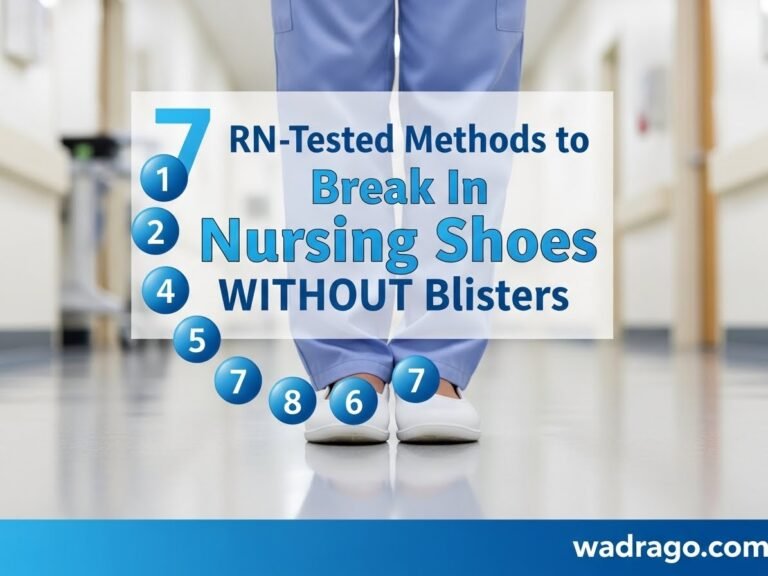
Replace your nursing shoes every six months with daily use. Nurses should replace compression socks every three to six months to maintain maximum support, and the same principle applies to footwear. Even if shoes look acceptable externally, their internal support structures degrade with constant use, compromising the protection they provide.
Shoe Care Tips:
- Clean shoes after each shift to prevent bacterial colonization
- Rotate between two pairs to extend lifespan
- Allow 24 hours between wears for complete drying
- Use antimicrobial shoe spray weekly
- Replace insoles every 2-3 months for maintained support
Compression Socks: Essential Support for ICU Nurses
The Clinical Science Behind Compression Therapy
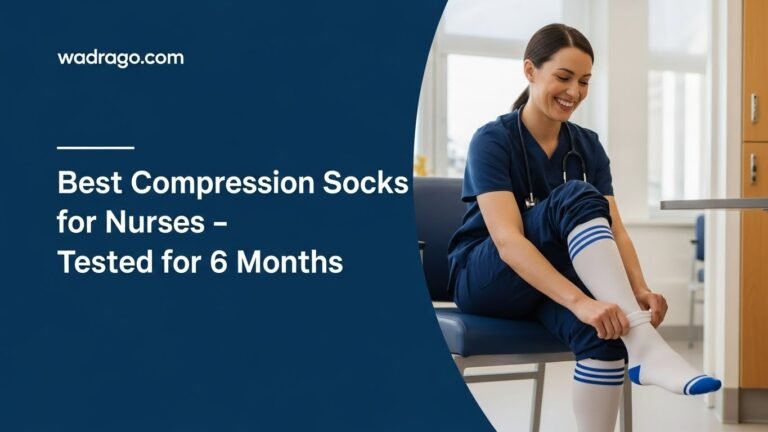
Research from the American Nurses Association highlights that seventy percent of nurses experience daily leg issues like edema or varicose veins, which can lead to chronic conditions if unaddressed. During my ICU rotations, I noticed a significant difference in compression socks in reducing end-of-shift leg fatigue.
Compression socks are engineered to apply pressure to legs and feet, with elastic fiber that alleviates pressure on the ankle and improves blood flow and circulation. This mechanism becomes particularly important during static standing periods common in ICU nursing, such as during procedures or when monitoring unstable patients.
Understanding Compression Levels for Nursing
For the vast majority of nurses, fifteen to twenty mmHg is the optimal range, strong enough to combat swelling, leg fatigue, and poor circulation during long shifts yet gentle enough for extended daily wear. This moderate compression level provides therapeutic benefits without the discomfort or contraindications associated with higher compression levels.
Compression Level Guidelines:
15-20 mmHg (Moderate Compression)
- Ideal for healthy nurses, preventing fatigue and swelling
- Can be worn daily without medical supervision
- Reduces leg heaviness during and after shifts
- Helps prevent varicose vein development
- Most comfortable for all-day wear
20-30 mmHg (Firm Compression) For those with stronger issues like persistent swelling or developing varicose veins, compression in the twenty to thirty mmHg range is recommended. Consult with your physician before regularly using this level.
Top Compression Sock Recommendations for ICU Nurses
FIGS Compression Socks ($18-$22) FIGS compression socks provide toe and heel padding and offer three-hundred-sixty-degree seamless compression, available in fun patterns perfect for relieving tired and achy nurse legs.
Features:
- Graduated compression (15-20 mmHg)
- Seamless toe construction prevents blisters
- Antimicrobial treatment
- Moisture-wicking fabric
- Available in knee-high and thigh-high lengths
- Fun patterns and solid colors
Best For: Nurses who want medical-grade compression with personality and style options.
Sockwell Circulator ($20-$28) Based on my personal testing and colleague recommendations, Sockwell uses natural merino wool blends that provide excellent moisture management while maintaining therapeutic compression throughout 12-hour shifts.
Advantages:
- Natural odor resistance
- Temperature regulation
- Sustainable materials
- Durable construction
- Wide and regular calf options
Nurse Mates Compression Socks ($12-$18). For budget-conscious nurses building their compression sock rotation, Nurse Mates offers reliable performance at an accessible price point.
Practical Benefits:
- True to size fit
- Stays in place without rolling
- Machine washable and durable
- Multiple color options
- Affordable for purchasing multiple pairs
NeoTrek Truer-Fit Compression Socks ($25-$35). These compression socks are designed with reinforced heels, moisture-wicking yarns, and targeted graduated compression, built for twelve-hour shifts and beyond with a medium compression level, seamless toe, and arch stabilization.
Unique Features:
- REPREVE recycled fibers
- Sustainable and eco-friendly
- Medical-grade compression
- Stylish enough for casual wear
- First compression socks designed for partial-foot amputations
How to Wear Compression Socks Correctly
Put on compression socks before your shift, as they help prevent pain but can’t stop it once it starts, and socks should be free of wrinkles to prevent undue pressure. This timing maximizes preventive benefits rather than attempting to treat symptoms that have already developed.
Application Tips:
- Put socks on in the morning before leg swelling begins
- Smooth out all wrinkles and ensure proper heel placement
- The highest compression should be at your ankle, gradually decreasing up your calf
- Socks should feel snug but not painful or cut off circulation
- Your toes should have a normal color and temperature
When to Avoid Compression Socks:
- Peripheral arterial disease
- Acute skin infections
- Severe peripheral neuropathy
- Acute pulmonary edema from congestive heart failure
Always consult your healthcare provider if you have any pre-existing medical conditions before using compression therapy.
Infection Control Considerations for ICU Attire
CDC Guidelines and Hospital Policies
CDC healthcare infection control guidelines were reviewed, and recommendations included in more than one guideline were grouped into core infection prevention practice domains. These foundational practices directly inform ICU dress code requirements.
According to the CDC’s Guideline for Isolation Precautions, isolation gowns should be worn to protect healthcare workers’ arms and exposed body areas during procedures and patient-care activities when anticipating contact with clothing, blood, bodily fluids, secretions, and excretions.
Personal Grooming Standards for ICU Nursing
Fingernails must be kept short, not exceeding one-quarter inch past the fingertip, and clean, with chipped nail polish or enhancements not permitted. During central line insertions, tracheostomy care, or wound dressing changes, long nails compromise sterile technique regardless of glove use.
Hair and Facial Hair Requirements: Hair must be secured away from the face and cannot come into contact with patients or sterile fields. During my ICU practice, I adopted a low bun secured with bobby pins rather than loose ponytails that could swing forward during patient care.
Jewelry Restrictions: Minimize jewelry to a simple watch and wedding band. Facilities normally request that nurses wear little or no jewelry to avoid contamination risks. Bracelets, rings with stones, and dangling earrings create crevices where bacteria colonize and survive hand hygiene practices.
Laundering ICU Scrubs Properly
Wash scrubs separately from family laundry using hot water (at least 160°F/71°C) and hospital-grade detergent. In the event of an outbreak that closes a ward to admissions, the Infection Control Team requires nursing staff to wear scrubs while on the closed ward, and staff must change out of these scrubs before leaving the ward area.
Laundering Best Practices:
- Wash immediately after shifts
- Use hot water and appropriate detergent
- Add bleach for white scrubs (follow manufacturer guidelines)
- Dry on high heat to kill remaining microorganisms
- Store clean scrubs separately from contaminated clothing
- Never wear home clothes under scrubs that will be worn outside the hospital
Practical Accessories for ICU Nursing Comfort
Watch Selection for Critical Care
Choose a watch with:
- Large, easy-to-read numbers for quick vital sign assessment
- Second hand for accurate pulse and respiration counts
- Water-resistant to at least 50 meters
- Smooth, easy-to-clean surface without crevices
- Silicone or plastic band rather than fabric that harbors bacteria
Badge Holder and Identification
Your identification badge must be visible at all times. Retractable badge reels prevent your ID from swinging into sterile fields or contaminating your workspace. Select one with:
- Reinforced clip that withstands constant use
- Minimum 24-inch extension
- Antimicrobial coating
- Clear badge holder to prevent wear
Stethoscope Considerations
While not technically “clothing,” your stethoscope becomes part of your daily uniform. The main advantages of compression socks for nurses include preventing inflammation, swelling, and blood clot formation, and your stethoscope requires similar attention to infection control. Clean your stethoscope with alcohol wipes between patients and at the end of each shift.
Undershirts and Layering
Clinical settings often allow short-sleeve or long-sleeve undershirts, though if visible from underneath scrub tops, bright colors should be avoided to maintain professionalism. ICU temperatures fluctuate dramatically between patient rooms, medication rooms, and break areas.
Layering Recommendations:
- Moisture-wicking undershirts in neutral colors
- Long-sleeve compression shirts for added support
- Lightweight cardigans or jackets for break rooms
- Keep a clean scrub jacket at work for temperature regulation
Building Your ICU Nursing Wardrobe on a Budget
Calculating Your Wardrobe Needs
For nurses working three 12-hour shifts weekly, I recommend:
- 5-6 scrub sets (allows rotation and backup during laundry weeks)
- 2 pairs of nursing shoes (alternate daily to extend lifespan)
- 6-8 pairs of compression socks (one per shift plus backups)
- 2-3 undershirts or layering pieces
- 1-2 clean scrub jackets
Total Investment: $600-$1,200 initially, with annual replacement costs of approximately $300-$400.
Budget-Stretching Strategies
Take Advantage of Healthcare Worker Discounts. Many brands offer 15-25% discounts for verified healthcare workers:
- FIGS: 15% healthcare worker discount
- Asics: 25% medical professional discount
- Dansko: Periodic healthcare promotions
- Amazon: Healthcare worker storefront with special pricing
Shop End-of-Season Sales Purchase scrubs during January and July clearance events when medical apparel companies discount inventory. Stock up on solid colors that won’t go out of style.
Use Your Employer’s Uniform Allowance. Many hospitals provide annual uniform stipends or tax-advantaged accounts for work clothing. Check with your human resources department about available benefits.
Investment Priority Order
If the budget is limited, invest in quality in this order:
- Footwear (most important for preventing injury)
- Compression socks (protect long-term vascular health)
- Scrubs (adequate quantity for proper rotation)
- Accessories (watches, badge holders, undershirts)
Seasonal Considerations for ICU Attire
Summer Months
ICU temperatures often run cold year-round, but your commute and breaks may involve summer heat. Consider:
- Lightweight, highly breathable scrub fabrics
- Moisture-wicking undershirts
- Keeping a change of clothes in your locker for post-shift comfort
- Closed-toe shoes with maximum ventilation
Winter Considerations
- Layering with long-sleeve undershirts
- Keeping a warm jacket in your locker
- Ensuring your compression socks aren’t too thick for your shoes
- Moisturizing hands frequently, as cold weather and frequent washing cause cracking
Special Considerations for New ICU Nurses
Orientation Period Dress Expectations
During your ICU orientation, dress more conservatively than you might once established. New graduate nurses benefit from:
- Solid-colored scrubs in approved facility colors
- Professional, closed-toe athletic shoes rather than clogs initially
- Minimal accessories while learning the unit culture
- Clean, well-maintained appearance demonstrating professionalism
Transitioning from Other Units
If transferring to the ICU from a less acute unit, reassess your wardrobe:
- Your scrubs may need upgrading to more durable, stain-resistant options
- Footwear absolutely must be slip-resistant
- Compression socks become more necessary than optional
- Hair must be more strictly controlled
Travel Nurses in ICU Assignments
Travel nurses who work in different healthcare settings must be particularly adaptable to varying dress codes. Before starting a new assignment:
- Confirm specific facility dress code policies
- Ask about color requirements for your unit
- Clarify jewelry and accessory restrictions
- Understand nail and hair requirements
- Determine if facility-provided scrubs are available
Comparison Table: Top Scrub Brands for ICU Nursing
| Brand | Price Range | Best Feature | Durability Rating | Ideal For | Overall Rating |
| FIGS | $70-$98 | Antimicrobial technology | 5/5 | Nurses prioritizing quality and longevity | 4.8/5 |
| Cherokee Infinity | $25-$45 | Value and functionality | 4/5 | Budget-conscious nurses need reliable performance | 4.5/5 |
| Healing Hands | $20-$40 | Yoga-pant comfort | 3.5/5 | Comfort-focused nurses on a budget | 4.2/5 |
| Barco One | $35-$65 | Eco-friendly recycled materials | 4.5/5 | Environmentally conscious nurses | 4.6/5 |
| Med Couture | $30-$55 | Athletic, stylish fit | 4/5 | Nurses want fashion-forward options | 4.4/5 |
Comparison Table: Best Nursing Shoes for ICU
| Shoe Brand & Model | Price | Cushioning | Slip-Resistance | Durability | Best For | Rating |
| HOKA Bondi SR | $165-$185 | Exceptional | Excellent | 5/5 | Maximum cushioning and stability | 4.9/5 |
| Clove Sneakers | $139-$159 | Very Good | Excellent | 4/5 | Modern style with fluid resistance | 4.7/5 |
| Dansko Professional | $110-$140 | Good | Excellent | 5/5 | Traditional support and rocker sole | 4.6/5 |
| Asics Gel-Nimbus | $130-$160 | Excellent | Very Good | 4.5/5 | High arches and athletic support | 4.7/5 |
| On Cloud 5 | $139-$149 | Very Good | Good | 4/5 | Lightweight comfort | 4.4/5 |
Frequently Asked Questions
What color scrubs should ICU nurses wear?
ICU scrub colors vary by facility policy. Many hospitals designate specific colors for different departments to aid quick identification. Common ICU colors include navy blue, sky blue, or black. Always verify your facility’s dress code during orientation or onboarding. Some hospitals provide facility-issued scrubs for critical care areas to ensure consistency and proper laundering.
How many pairs of scrubs do I need for working in the ICU?
For three 12-hour shifts per week, maintain a minimum of five to six scrub sets. This allows proper rotation, accommodates laundry schedules, and provides backup options if you get unexpectedly called for extra shifts. Having adequate scrubs prevents the need to wear the same set twice before laundering, which compromises infection control standards.
Can ICU nurses wear compression socks under their scrubs?
Absolutely, and they’re highly recommended. Compression socks combined with excellent nursing shoes can turn a foot-aching nursing shift into an energized, light-on-your-feet experience. Choose knee-high compression socks in neutral colors that won’t show above your shoes. Most ICU nurses find 15-20 mmHg compression ideal for daily wear during long shifts.
Are running shoes appropriate for ICU nursing?
Many running shoes work excellently for ICU nursing, provided they meet essential criteria: slip-resistant outsoles, adequate cushioning, proper arch support, and closed-toe design. Popular running shoe brands like HOKA, Asics, and Brooks have become favorites among ICU nurses. However, verify your specific facility’s footwear policy, as some may require specific features or restrict certain shoe types.
How often should I replace my nursing shoes?
Replace nursing shoes every six months with daily use or when you notice decreased cushioning, worn soles, or reduced support. Even if shoes appear visually acceptable, their internal support structures degrade with constant use. Many experienced nurses purchase new shoes every three to four months to maintain optimal support and prevent foot problems. Consider your shoe investment part of your overall health maintenance.
What should I wear under my scrubs in the ICU?
Clinical settings often allow short-sleeve or long-sleeve undershirts, though if visible underneath scrub tops, bright colors should be avoided to maintain professionalism. Choose moisture-wicking undershirts in neutral colors (white, black, or colors matching your scrubs). Ensure undergarments aren’t visible through scrubs, maintaining professional appearance standards.
Do I need special scrubs for the ICU compared to the medical-surgical units?
While not absolutely required, ICU-specific considerations make certain scrub features more valuable. ICU uniforms must be durable, flexible, and practical, with breathable and stretchable fabric for unrestricted movement, multiple pockets, and often darker shades to hide stains. The increased physical demands and exposure to bodily fluids in ICU settings benefit from higher-quality, more durable scrub options.
Can I wear my hair down in the ICU?
No, hair must be secured away from your face and prevented from contacting patients or sterile fields. Long hair should be pulled back in a low bun, ponytail, or braid. During my ICU practice, I found low buns most practical as they prevent hair from swinging forward during patient care activities. Avoid elaborate hairstyles requiring constant readjustment throughout your shift.
Are nail polish and artificial nails allowed in the ICU?
Nail enhancements of any kind, including wraps, acrylics, gels, and stones, may not be worn in Intensive Care Units or other areas where invasive procedures are routinely performed. Natural nails must be kept short, not exceeding one-quarter inch beyond the fingertip. These restrictions stem from research showing artificial nails harbor more bacteria and interfere with effective hand hygiene.
What accessories are essential for ICU nursing shifts?
Essential accessories include a reliable watch with a second hand for vital signs assessment, a retractable badge holder for ID visibility, pen lights for pupil checks, bandage scissors secured to your scrubs, and quality compression socks. Consider a small waist pack for personal items like glucose tablets, lip balm, or locker keys that shouldn’t be stored in scrub pockets used for patient care.
How do I prevent my scrubs from fading?
Wash scrubs in cold water when possible, turn them inside out before washing, avoid overloading your washing machine, and minimize dryer heat exposure. Choose scrubs that are machine-washable and dry quickly to simplify care while maintaining appearance. Higher-quality scrubs with colorfast dyes resist fading better than budget options. Consider the cost-per-wear rather than the initial purchase price.
Should I keep a change of clothes at work?
Yes, maintaining a complete backup outfit (scrubs, undershirt, socks, and shoes) in your locker proves invaluable. Unexpected contamination from bodily fluids, spills, or other incidents may require mid-shift clothing changes. Having backups prevents needing to work in soiled clothing or leave your shift early to retrieve clean attire. Include plastic bags for storing soiled clothing.
Acknowledgments
I extend gratitude to my colleagues in the ICU departments where I’ve practiced throughout my decade of clinical service, whose daily dedication and insights informed this comprehensive guide. Special appreciation to the Nurses and Midwifery Council (NMC) Ghana and the Ghana Registered Nurses and Midwives Association (GRNMA) for maintaining professional standards that prioritize both healthcare worker safety and optimal patient outcomes.
Research for this article utilized resources from the Centers for Disease Control and Prevention (CDC), American Nurses Association, and peer-reviewed nursing journals. Product testing insights reflect the collaborative experiences of ICU nurses across multiple healthcare facilities.
Conclusion: Dressing for ICU Success
Selecting appropriate attire for ICU long-hour duties extends far beyond putting on scrubs and shoes. Your clothing choices directly impact your comfort, safety, infection control compliance, professional appearance, and ultimately, your ability to provide excellent patient care throughout demanding 12-hour shifts. Proper footwear helps alleviate foot pain and prevents conditions like plantar fasciitis, while quality scrubs and compression socks support you through the physical demands of critical care nursing.
Investment in appropriate ICU nursing attire pays dividends throughout your career by preventing workplace injuries, reducing fatigue, and allowing you to focus on what matters most: your patients. As healthcare continues evolving, so do the technologies and materials available to support nurses during their shifts. Stay informed about new developments in medical apparel while adhering to evidence-based standards that protect both you and your patients.
Whether you’re preparing for your first ICU shift or reassessing your current wardrobe after years of critical care experience, prioritize comfort, functionality, and infection control compliance in your clothing choices. Your body will thank you at the end of each shift, and your career longevity will benefit from these mindful decisions.
For more evidence-based healthcare professional guidance and carefully selected product recommendations, explore additional resources at Wadrago.com. Remember to consult your specific facility’s dress code policies, as individual hospital requirements may vary from the general guidelines presented here.
Medical Disclaimer
This article is for informational and educational purposes only and does not constitute medical, professional, or occupational health advice. While I draw from my experience as a Registered General Nurse with clinical expertise, individual workplace policies, medical conditions, and circumstances vary significantly. Always consult your employer’s human resources department for specific dress code requirements, your healthcare provider regarding compression therapy or footwear needs related to medical conditions, and occupational health specialists for work-related musculoskeletal concerns. The product recommendations reflect general research and user experiences but do not constitute endorsements guaranteeing specific results for every individual. Your purchasing decisions should consider your personal needs, budget, and workplace requirements.
References
Centers for Disease Control and Prevention. (2019). Guidelines for environmental infection control in health-care facilities. https://www.cdc.gov/infectioncontrol/guidelines/environmental/
Centers for Disease Control and Prevention. (2024). Core infection prevention and control practices for safe healthcare delivery. https://www.cdc.gov/infection-control/
American Nurses Association. (2021). Health and safety survey results. https://www.nursingworld.org/
Occupational Safety and Health Administration. (2023). Guidelines for nursing homes: Ergonomics for the prevention of musculoskeletal disorders. https://www.osha.gov/
American Podiatric Medical Association. (2024). Workplace footwear guidelines for healthcare professionals. https://www.apma.org/
National Institute for Occupational Safety and Health. (2022). Healthcare workers: Preventing work-related musculoskeletal disorders. https://www.cdc.gov/niosh/
Journal of Occupational and Environmental Medicine. (2023). The impact of compression hosiery on occupational leg symptoms in healthcare workers. Journal of Occupational and Environmental Medicine, 65(4), 312-318.
American Journal of Infection Control. (2024). Healthcare personnel attire in clinical settings: Evidence-based recommendations. American Journal of Infection Control, 52(1), 45-52.
About the Author
Abdul-Muumin Wedraogo is a Registered General Nurse with 10 years of clinical experience across Emergency Room, Pediatrics, ICU, and General Ward settings within the Ghana Health Service. He holds a Bachelor of Science in Nursing from Valley View University and maintains active registration with the Nurses and Midwifery Council (NMC), Ghana, and membership in the Ghana Registered Nurses and Midwives Association (GRNMA). His clinical expertise is complemented by technical knowledge, including a Diploma in Network Engineering and an Advanced Professional certification in System Engineering. Through Wadrago.com, Abdul-Muumin provides evidence-based healthcare guidance and carefully researched product recommendations to support healthcare professionals globally.