

Discover 15+ Strategies to Combat Burnout Without Medication, proven natural stress reduction methods for nurses, including mindfulness, herbal remedies, exercise, and nutrition strategies backed by clinical research and experience.
Introduction
Picture this: It’s 2:00 AM on your third consecutive 12-hour shift in the Emergency Department. The waiting room is overflowing, you’ve just lost a patient despite your best efforts, and your colleague just called in sick for tomorrow’s shift. Your shoulders are tight, your head is pounding, and you can’t remember the last time you took a full lunch break. If this scenario feels all too familiar, you’re not alone.
As a Registered General Nurse with 10 years of clinical experience across Emergency, Pediatrics, ICU, and General Ward settings, I’ve witnessed firsthand the devastating toll that chronic stress takes on our profession. Recent data shows that nearly 7 out of 10 nurses reported feeling burned out on most days in 2023, representing a significant jump from 57% just two years earlier, according to Nurse.com. More alarming still, approximately 41.5% of nurses who plan to leave within the next five years cite stress and burnout as the root cause, according to the National Council of State Boards of Nursing.
These aren’t just statistics—they represent real nurses like you and me, struggling daily to provide compassionate care while our own well-being hangs in the balance. During my decade serving with the Ghana Health Service, I’ve seen brilliant, dedicated colleagues leave the profession they once loved, not because they stopped caring about patients, but because the cumulative weight of unmanaged stress became unbearable.

The good news? Natural stress reduction methods backed by scientific research can make a genuine difference without relying on medications or complex interventions. In this comprehensive guide, I’ll share evidence-based strategies drawn from peer-reviewed research, clinical practice, and traditional wellness approaches that have helped countless healthcare workers reclaim their health and rediscover their passion for nursing.
What You’ll Learn in This Article:
- The unique stressors facing modern nurses and their health impacts
- 15+ proven natural stress reduction techniques supported by research
- Chemical-free stress relief strategies you can implement immediately
- Herbal remedies and nutritional approaches for stress management
- Mind-body practices are specifically beneficial for healthcare workers
- How to create a sustainable self-care routine despite demanding schedules
- Practical tips from 10 years of frontline nursing experience
Whether you’re a nursing student, new graduate, or seasoned professional, this guide will equip you with actionable, medication-free strategies to combat stress naturally and sustainably.
Disclosure: This article contains affiliate links. As an Amazon Associate and affiliate partner of various wellness retailers, Muminmed.com earns from qualifying purchases. This comes at no additional cost to you and helps support our work in providing evidence-based health information. All recommendations are based on clinical experience and research.
Table of Contents
<a name=”understanding-nurse-stress”></a>
Understanding Nurse Stress: Why Natural Solutions Matter
The Current State of Nurse Burnout
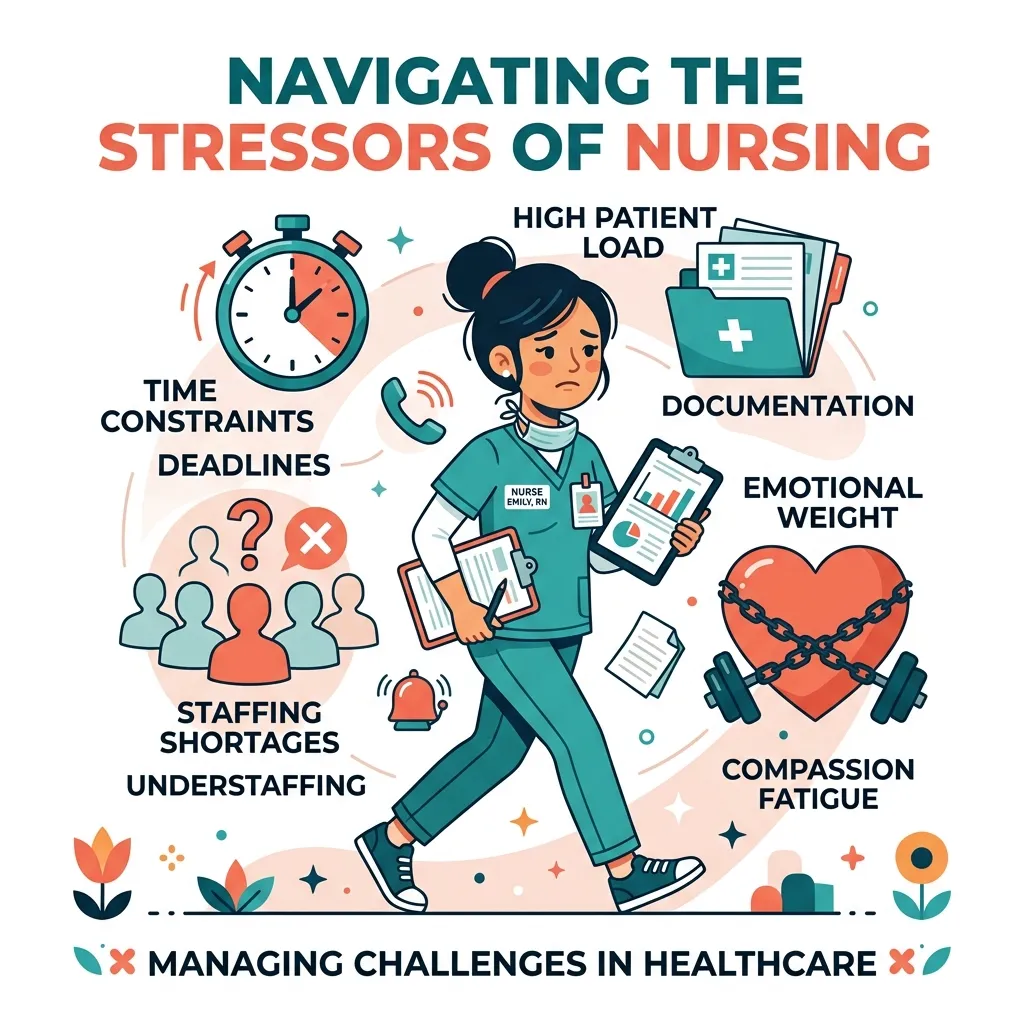
The nursing profession faces an unprecedented mental health crisis. Recent survey findings reveal that only 60% of nurses say they would choose nursing again if given the choice, with top stressors including short staffing, inadequate pay, lack of leadership support, and patient abuse, according to Florida Atlantic University. This isn’t just affecting experienced nurses—67% of student nurses are already concerned about managing their workload before even entering the profession, according to Florida Atlantic University.
In 2024, 62% of nurse practitioners identified excessive bureaucratic tasks—including non-stop documentation, policies, and chart audits—as the top contributor to their burnout, according to FRESHRN. The reality is that modern nursing involves far more than clinical care; administrative burdens, technological demands, and systemic issues all compound stress levels.
Unique Stressors in Nursing
From my decade of hospital experience, I can attest that nursing stress differs significantly from stress in other professions:
Physical Demands: Long hours on your feet, heavy lifting, exposure to infectious diseases, and disrupted sleep cycles from shift work all take a physical toll that amplifies psychological stress.
Emotional Labor: Emotional labor refers to the effort involved in managing feelings when a work role demands that some feelings be displayed while others are hidden, according to AdventHealth University. We must project compassion and confidence while suppressing fear, frustration, or grief—a disconnect that significantly contributes to mental fatigue.
Moral Distress: Witnessing suffering, making difficult care decisions with limited resources, and sometimes being unable to provide the level of care you know patients deserve creates profound ethical tension.
Inadequate Staffing: Among nurses who left their jobs, 63% cited inadequate staffing alongside burnout, according to PubMed Central, creating a vicious cycle where stressed nurses leave, increasing workload for those who remain.
Violence and Abuse: Patient and family aggression remains a serious concern, with acute care nurses particularly vulnerable to verbal abuse, intimidation, and physical assault.
Why Natural Approaches Are Essential
While systemic healthcare reform is crucial, waiting for organizational change isn’t a viable strategy for protecting your health today. Natural stress reduction methods offer several advantages:
- No Side Effects: Unlike pharmaceutical interventions, natural approaches don’t carry risks of dependence, withdrawal, or adverse reactions
- Immediate Accessibility: Most techniques can be implemented without prescriptions, appointments, or significant financial investment
- Holistic Benefits: Natural stress relief often improves multiple aspects of health simultaneously—physical, mental, and emotional
- Personal Empowerment: Taking control of your stress management builds resilience and self-efficacy
- Sustainable Long-Term: These strategies can be maintained throughout your entire nursing career
Research confirms that mindfulness-based stress reduction can be as effective as common first-line medications for anxiety disorders, according to NCCIH, demonstrating that natural approaches aren’t just “nice-to-have” alternatives but evidence-based interventions with clinically significant benefits.
<a name=”science-behind-natural-stress-reduction”></a>
The Science Behind Natural Stress Reduction
How Stress Affects Your Body
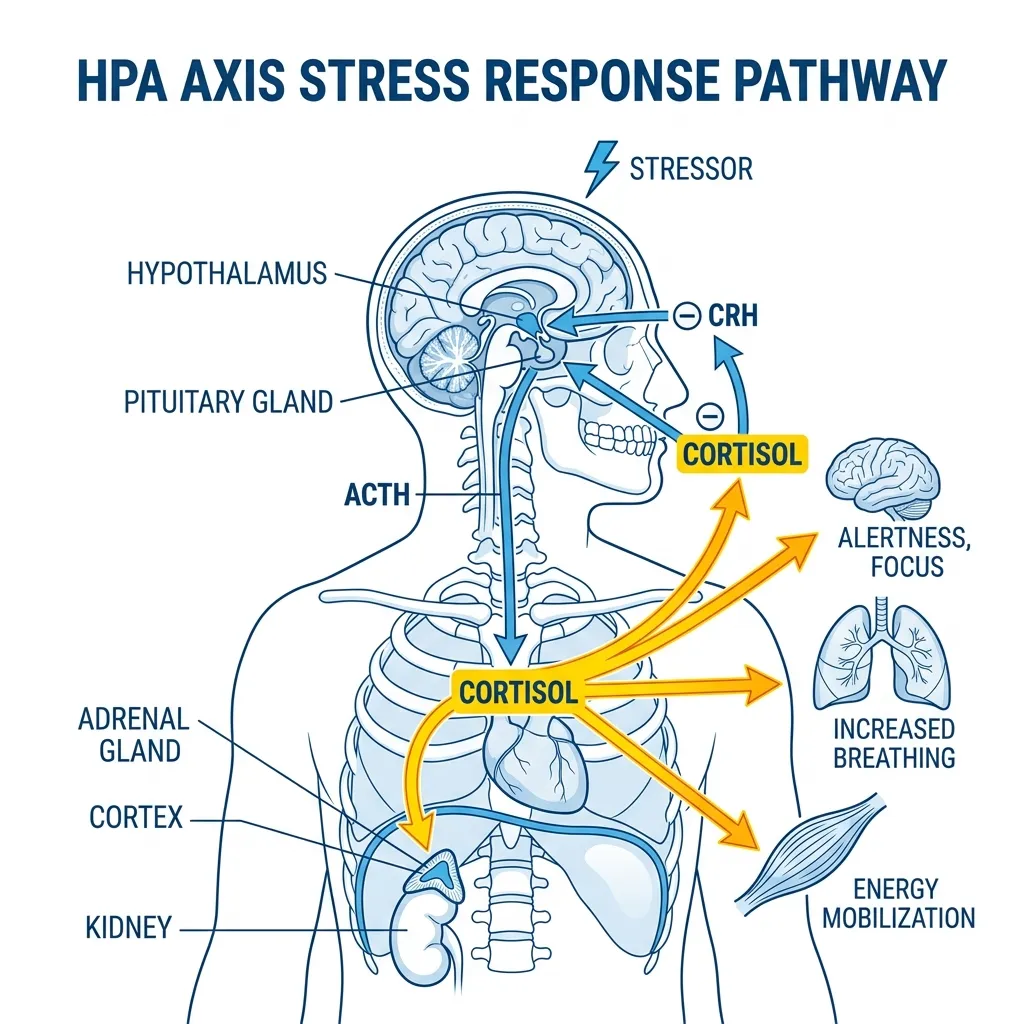
Understanding stress physiology helps explain why natural interventions work. When you face a stressor—whether it’s a code blue, a difficult patient interaction, or inadequate staffing—your hypothalamic-pituitary-adrenal (HPA) axis activates, releasing cortisol and other stress hormones.
In acute situations, this response is adaptive, providing energy and focus. However, chronic stress experienced over a long period is considered dangerous and capable of increasing risk for heart disease, diabetes, weight gain, mental disorders, autoimmune diseases, digestive disorders, and even cancer, according to Dr. Axe.
Key Stress Biomarkers:
- Cortisol: The primary stress hormone; chronic elevation causes inflammation, immune suppression, and metabolic dysregulation
- Alpha-Amylase: Another stress marker that rises with sympathetic nervous system activation
- Heart Rate Variability (HRV): Reduced HRV indicates poor stress adaptation and increased cardiovascular risk
- Blood Pressure: Chronic stress contributes to hypertension and cardiovascular disease
Evidence for Natural Interventions
The scientific evidence supporting natural stress reduction methods is robust and growing:
Mindfulness-Based Approaches: A 2023 randomized controlled trial involving 208 participants found that mindfulness-based stress reduction is noninferior to escitalopram, a commonly used first-line medication for anxiety disorders, according to NCCIH.
Nature Exposure: Meta-analysis results show that increased natural exposure is associated with decreased salivary cortisol, reduced anxiety, lower blood pressure, and improved heart rate variability, according to ScienceDirect.
Physical Activity: Research indicates with moderate-certainty evidence that physical activity is an effective strategy for lowering cortisol levels and improving sleep quality, according to PubMed.
These findings aren’t theoretical—they represent measurable physiological changes that translate into real improvements in how you feel and function.
<a name=”mind-body-practices”></a>
Mind-Body Practices for Stress Relief
Mindfulness Meditation

Mindfulness meditation has become one of the most extensively researched stress reduction techniques, with particular relevance for healthcare workers.
What It Is: Mindfulness is defined as a focused awareness of one’s experience and purposeful, nonjudgmental focus on the present moment, according to NCBI. Rather than trying to empty your mind, you simply observe thoughts and sensations without getting caught up in them.
How It Helps: Mindfulness training results in increased blood flow in the amygdala and hippocampal regions and increased grey matter concentrations in the norepinephrine and serotonin systems in the brain, according to NCBI. These neurological changes enhance emotional regulation and stress resilience.
Practical Implementation for Nurses:
- Start Small: Begin with just 5 minutes daily rather than attempting lengthy sessions
- Use Break Times: Practice during lunch breaks or before your shift begins
- Try Apps: Headspace, Calm, and Insight Timer offer guided meditations specifically for healthcare workers
- Focus on Breathing: Simply attending to your breath for a few minutes can activate relaxation responses
- Body Scan Technique: Systematically notice sensations throughout your body, releasing tension as you go
Clinical Insight from Experience: During my ICU rotations, I found that even 3-5 minutes of mindful breathing before entering a patient’s room helped me provide more present, compassionate care while protecting my own emotional reserves.
Yoga
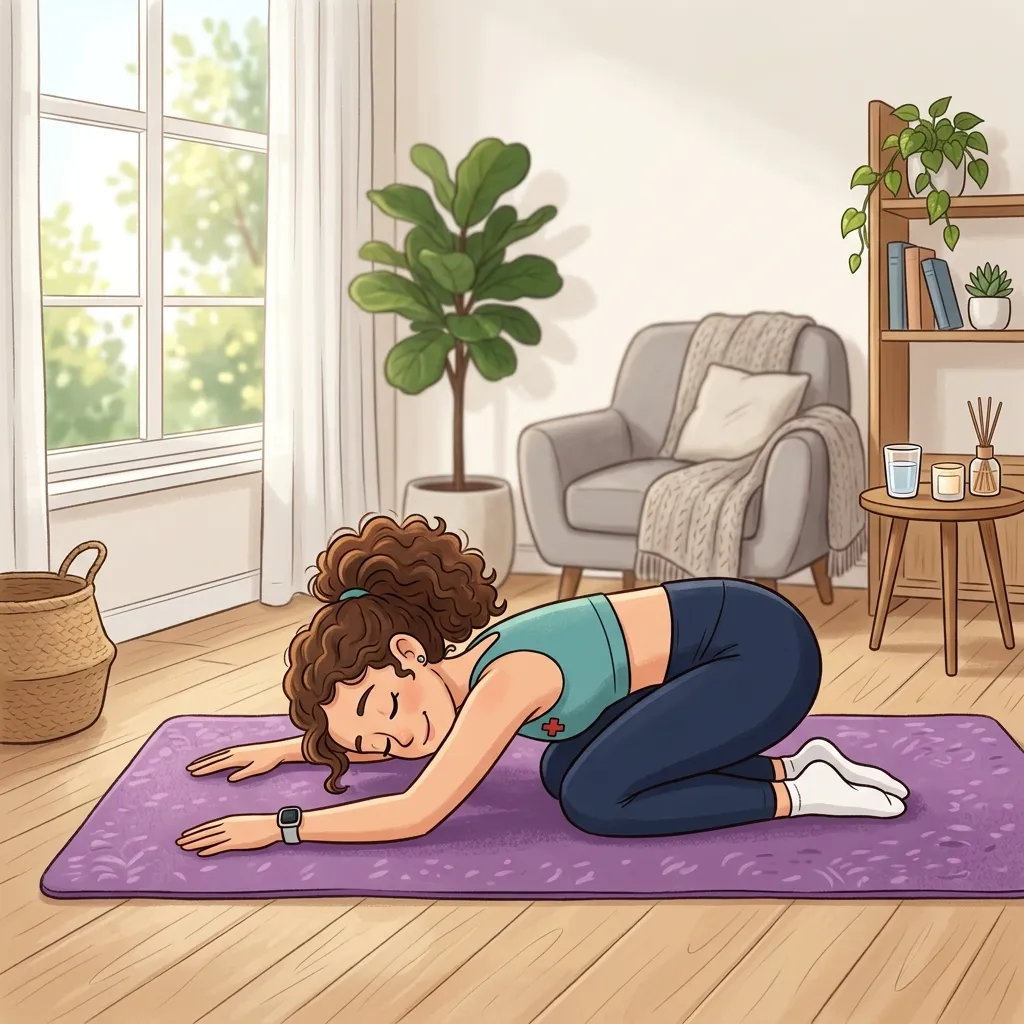
Yoga combines physical postures, controlled breathing, and meditation, making it a comprehensive stress management tool.
Evidence: Scientific research has shown that yoga can reduce stress, anxiety, and depression while improving mood and overall mental health, enhancing relaxation and sleep quality, according to Southwood’s Health.
Styles for Nurses:
- Restorative Yoga: Gentle, supportive poses held for longer periods—ideal for physical recovery after demanding shifts
- Yin Yoga: Slow-paced style targeting connective tissue and promoting deep relaxation
- Vinyasa Flow: More dynamic practice linking breath with movement—excellent for releasing physical tension
- Yoga Nidra: Guided meditation practice often called “yogic sleep”—powerful for shift workers with disrupted sleep
Getting Started:
- Find beginner-friendly videos on YouTube (Yoga with Adriene has excellent stress-relief sequences)
- Attend a local class if your schedule permits—in-person instruction helps ensure proper form.
- Practice for just 10-15 minutes initially
- Focus on poses that target areas where nurses hold tension: shoulders, neck, lower back, and hips.
Tai Chi and Qigong
These ancient Chinese practices involve slow, flowing movements combined with breath awareness and meditation.
Benefits for Healthcare Workers:
- Low-impact, suitable for all fitness levels
- Can be practiced in small spaces
- Improves balance, flexibility, and body awareness
- Promotes mental clarity and emotional calm
- Reduces inflammation and supports immune function
Many hospitals now offer tai chi classes for employees—check your wellness program offerings.
Progressive Muscle Relaxation (PMR)
PMR involves systematically tensing and releasing different muscle groups, creating awareness of the difference between tension and relaxation.
How to Practice:
- Find a quiet space and sit or lie comfortably
- Starting with your feet, tense the muscles for 5-7 seconds
- Release suddenly and notice the relaxation for 15-20 seconds
- Progress upward through calves, thighs, abdomen, chest, arms, shoulders, neck, and face
- Total practice takes 10-15 minutes
This technique is particularly helpful before sleep or after stressful shifts to release accumulated physical tension.
<a name=”physical-activity-strategies”></a>
Physical Activity and Exercise Strategies
The Exercise-Stress Connection

Exercise represents one of the most powerful natural stress reduction tools available, with effects extending far beyond cardiovascular fitness.
How Exercise Reduces Stress: Research shows that exercise intensity dampens the HPA-axis stress response in a dose-dependent manner, with evidence that cortisol released from exercising suppresses the subsequent cortisol response to a psychosocial stressor, according to ScienceDirect.
In simpler terms, regular exercise trains your stress response system to be less reactive, helping you handle workplace stressors more effectively.
Optimal Exercise Intensity for Stress Relief
Not all exercise affects stress equally. Studies show that moderate to high-intensity exercise provokes increases in circulating cortisol levels initially, but in contrast, low-intensity exercise actually results in a reduction in circulating cortisol levels, according to PubMed.
Practical Recommendations:
For Daily Stress Management:
- Moderate Cardio: 30-40 minutes of brisk walking, light jogging, swimming, or cycling at a pace where you can still hold a conversation
- Target Heart Rate: 60-70% of maximum heart rate
- Frequency: 4-5 times weekly
For Immediate Tension Release:
- High-Intensity Interval Training (HIIT): Short bursts of intense activity followed by recovery periods—efficient for busy schedules
- Duration: 15-20 minutes
- Frequency: 2-3 times weekly
For Relaxation and Recovery:
- Gentle Movement: Stretching, walking, swimming at an easy pace
- Duration: 20-30 minutes
- Frequency: Daily, especially after night shifts
Exercise Options for Nurses’ Schedules
Before Your Shift:
- 20-minute morning yoga routine to prepare mentally and physically
- Brisk 15-minute walk outdoors for natural light exposure and movement
- Quick HIIT session to boost energy and mental clarity
During Breaks:
- Stairwell walking during longer breaks
- Stretching routines in break rooms
- Walking meditation around the facility or parking area
After Your Shift:
- Gentle yoga or stretching to release tension
- Moderate-intensity cardio to decompress
- Resistance training at the gym
On Days Off:
- Longer outdoor activities: hiking, cycling, swimming
- Group fitness classes for social connection
- Active hobbies: dancing, martial arts, rock climbing
Movement for Shift Workers
Night shift workers face unique challenges in maintaining exercise routines:
- Schedule Consistency: Try to exercise at the same time relative to your sleep-wake cycle
- Light Exposure: Morning exercise after night shifts provides beneficial light exposure to help regulate circadian rhythms
- Avoid Intense Evening Exercise: Don’t exercise vigorously within 3 hours of your planned sleep time.
- Gentle Movement: Light stretching or yoga before sleeping after night shifts can aid relaxation
Clinical Insight: During my years working rotating shifts, I found that a 20-minute walk immediately after finishing a night shift, followed by blackout curtains and a cool room, significantly improved my sleep quality and stress recovery.
<a name=”herbal-remedies”></a>
Herbal Remedies and Adaptogenic Supplements
Understanding Adaptogens
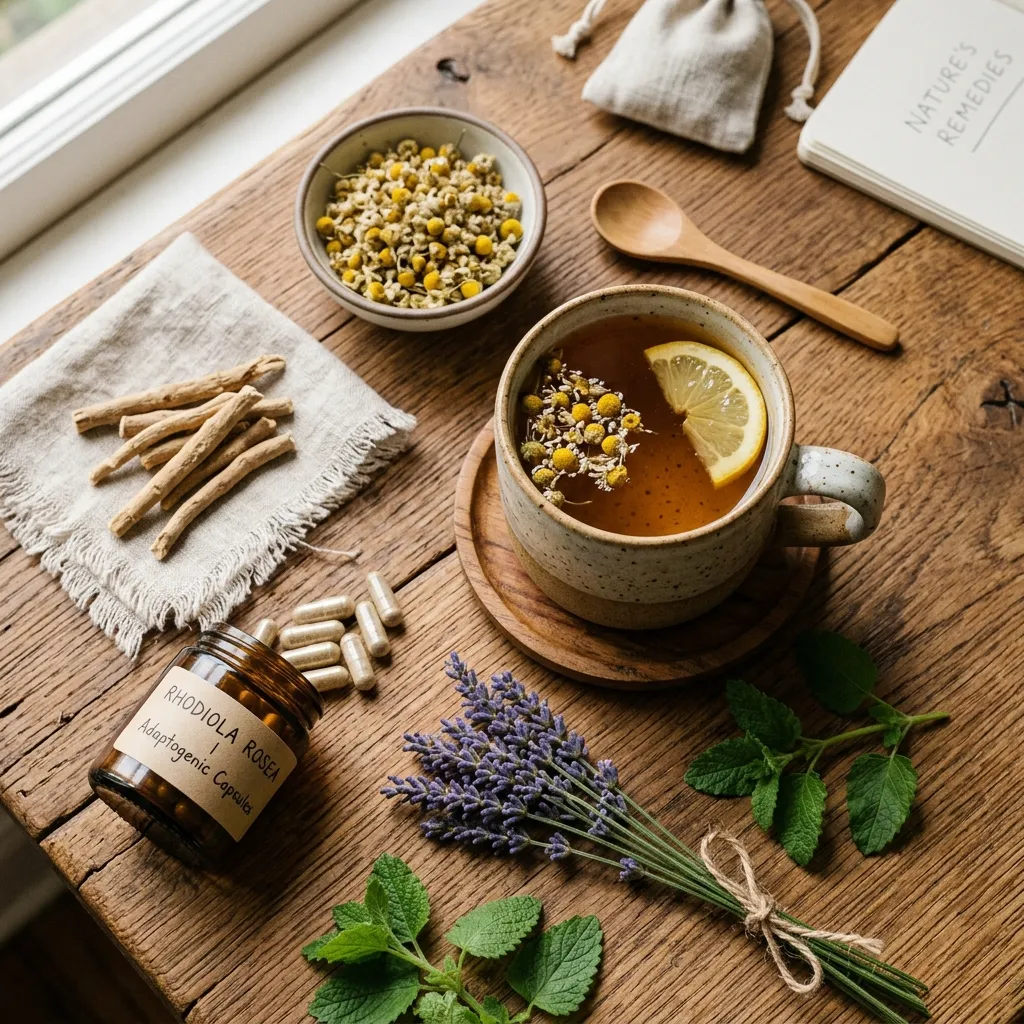
Adaptogenic herbs help the body adapt to stress by modulating the HPA axis and supporting homeostasis. Unlike sedatives, adaptogens don’t cause drowsiness but rather enhance resilience to stressors.
Evidence-Based Herbal Options
1. Ashwagandha (Withania somnifera)
Evidence: Participants who took 600 mg of ashwagandha daily reported significantly reduced stress levels in an 8-week study, along with less cortisol and improved sleep quality, according to Medical News Today.
Benefits:
- Reduces cortisol levels
- Improves stress resilience
- Supports adrenal health
- Enhances sleep quality
- May improve cognitive function under stress
Dosage: 300-600 mg of standardized extract daily
Best Taken: Morning with breakfast or divided into morning and evening doses
Safety: Generally well-tolerated; may interact with thyroid medications or immunosuppressants
Product Recommendation: KSM-66 Ashwagandha is a highly researched, full-spectrum extract
2. Rhodiola Rosea
Benefits:
- Reduces fatigue and mental fog
- Enhances resilience to chronic stress
- Improves mood and cognitive function
- Supports energy levels without stimulation
Dosage: 200-600 mg daily of standardized extract (3% rosavins, 1% salidroside)
Best Taken: Morning and early afternoon (may interfere with sleep if taken late)
Safety: Well-tolerated; avoid if pregnant or breastfeeding
Clinical Application: Rhodiola is particularly helpful for nurses experiencing burnout-related exhaustion and cognitive fatigue.
3. Holy Basil (Tulsi)
Benefits:
- Helps manage anxiety and stress
- Supports immune function
- Promotes emotional well-being
- Anti-inflammatory properties
Dosage: 300-600 mg twice daily or as tea (2-3 cups daily)
Best Taken: With meals
Safety: May affect blood sugar and blood pressure; monitor if you have diabetes or hypertension
4. Chamomile (Matricaria chamomilla)
Evidence: Long-term chamomile treatment for generalized anxiety disorder showed effectiveness in a randomized clinical trial, according to Medical News Today.
Benefits:
- Gentle nervous system relaxation
- Improves sleep quality
- Reduces anxiety symptoms
- Anti-inflammatory effects
- Digestive support
Dosage: 400-1,600 mg daily in capsule form or 3-4 cups of tea daily
Best Taken: Evening for sleep support; throughout the day for anxiety relief
Safety: Rarely, may cause allergic reactions in those sensitive to ragweed family plants
Practical Use: Chamomile tea makes an excellent pre-sleep ritual for nurses working day shifts.
5. Lavender (Lavandula angustifolia)
Evidence: Research shows that lavender can significantly reduce anxiety levels, and some studies suggest that lavender inhalation can provide quick relief from anxious feelings, according to Naturopathic by Design.
Benefits:
- Calming aromatherapy effects
- Anxiety reduction
- Sleep enhancement
- Mood improvement
Use:
- Aromatherapy: Add 4-6 drops of essential oil to a diffuser; inhale for 30-60 minutes
- Topical: Dilute in carrier oil, apply to temples, wrists, or the bottoms of feet
- Oral Supplements: 80-160 mg daily of pharmaceutical-grade lavender oil (Silexan)
Safety: Generally safe; skin patch test before topical use
Clinical Tip: I keep a small bottle of lavender oil in my locker and inhale deeply before particularly stressful procedures or difficult conversations—it provides immediate calming without impairing alertness.
6. Lemon Balm (Melissa officinalis)
Benefits:
- Enhances calmness and mental alertness
- Reduces nervousness and restlessness
- Improves mood
- Supports cognitive function
Dosage: 600-1,800 mg daily in capsule form; 2-3 cups of tea daily
Best Taken: Throughout the day as needed
Safety: Very safe; may enhance sedative medications
Herbal Tea Blends for Nurses
Stress Relief Blend:
- 2 parts chamomile
- 1 part lavender
- 1 part lemon balm
- 1 part passionflower
Steep 1-2 teaspoons in hot water for 10 minutes. Drink 1-2 cups in the evening to unwind after shifts.
Adaptogenic Energy Blend:
- 2 parts holy basil
- 1 part green tea (low caffeine)
- 1 part peppermint
- ½ part licorice root
Use in the morning or early afternoon for sustained energy without jitters.
Important Safety Considerations
- Consult Healthcare Provider: Especially if you’re pregnant, breastfeeding, or taking medications.
- Start Low, Go Slow: Begin with lower doses to assess tolerance
- Quality Matters: Choose reputable brands with third-party testing (ConsumerLab, USP, NSF)
- Monitor Effects: Keep a journal of symptoms and responses
- Medication Interactions: Some herbs interact with blood thinners, diabetes medications, and antidepressants
FDA Note: Herbal supplements are not regulated as strictly as pharmaceuticals. Research quality brands and consult your healthcare provider before beginning any supplement regimen.
<a name=”nutritional-approaches”></a>
Nutritional Approaches to Stress Management
The Gut-Brain-Stress Connection
Emerging research reveals that nutrition profoundly impacts stress resilience through multiple mechanisms: neurotransmitter production, inflammation modulation, gut microbiome health, and blood sugar regulation.
Anti-Stress Nutrients

Omega-3 Fatty Acids
Benefits:
- Reduce inflammation
- Support brain health and mood regulation
- May have a lower cortisol response
- Enhance cognitive function under stress
Sources:
- Fatty fish: salmon, mackerel, sardines, herring (2-3 servings weekly)
- Walnuts (1 ounce/28g daily)
- Flaxseeds and chia seeds (1-2 tablespoons daily, ground)
- Algae-based supplements for vegetarians/vegans
Supplementation: 1,000-2,000 mg combined EPA/DHA daily if fish intake is insufficient
B-Complex Vitamins
Benefits:
- Essential for neurotransmitter synthesis
- Support adrenal function
- Help convert food to energy
- May reduce perceived stress
Sources:
- Whole grains, legumes, nuts, seeds
- Leafy greens
- Eggs, poultry, fish
- Nutritional yeast (great for vegetarians)
Supplementation: B-complex providing 100% RDA of all B vitamins
Magnesium
Benefits:
- Promotes relaxation and sleep
- Regulates cortisol
- Supports healthy blood pressure
- Reduces muscle tension
Sources:
- Dark leafy greens (spinach, Swiss chard)
- Nuts and seeds (pumpkin seeds, almonds)
- Dark chocolate (70%+ cacao)
- Whole grains, legumes
- Avocados
Supplementation: 300-400 mg daily (magnesium glycinate or citrate for better absorption) Timing: Evening for sleep support
Vitamin C
Benefits:
- Supports adrenal gland function
- Reduces cortisol levels
- Strengthens the immune system
- Powerful antioxidant
Sources:
- Citrus fruits
- Bell peppers
- Strawberries
- Broccoli, Brussels sprouts
- Kiwi, papaya
Supplementation: 500-1,000 mg daily during high-stress periods
Vitamin D
Benefits:
- Supports mood regulation
- Enhances immune function
- May reduce inflammation
- Associated with lower depression risk
Testing: Get levels checked—many healthcare workers have a deficiency due to limited sun exposure
Supplementation: 1,000-4,000 IU daily (based on blood levels)
Blood Sugar Management
Blood sugar fluctuations significantly impact stress levels and mood stability—crucial for nurses working long shifts.
Strategies for Stable Energy:
- Never Skip Meals: Even during busy shifts, eat small amounts regularly
- Protein at Every Meal: 20-30 grams stabilizes blood sugar and sustains energy
- Complex Carbohydrates: Choose whole grains, vegetables, legumes over refined carbs
- Healthy Fats: Include nuts, seeds, avocado, olive oil
- Fiber: 25-30 grams daily slows glucose absorption
Practical Shift Nutrition:
Before Shift:
- Balanced meal: protein + complex carbs + healthy fats + vegetables
- Example: Grilled chicken, quinoa, roasted vegetables, avocado
During Shift:
- Pack 2-3 small meals/snacks
- Trail mix with nuts and seeds
- Greek yogurt with berries
- Hummus with vegetables
- Protein bars (look for <10g sugar, >15g protein)
- Hard-boiled eggs
- Apple with almond butter
After Shift:
- Nutrient-dense meal for the daytime shift
- Light, easily digestible food before night shift before sleep
Hydration
Dehydration amplifies stress response and impairs cognitive function. Power naps can increase energy, stabilize emotions, and restore brain functionality, according to Purdue Global, but proper hydration is equally important.
Guidelines:
- Aim for half your body weight in ounces daily (150 lbs = 75 oz water)
- More during hot weather or physical activity
- Herbal teas count toward hydration
- Limit caffeine after mid-shift to protect sleep
- Keep a reusable water bottle visible as a reminder
Foods to Limit
Inflammatory Foods:
- Refined sugars and high-fructose corn syrup
- Trans fats and highly processed oils
- Excessive alcohol
- Ultra-processed foods with long ingredient lists
Caffeine Management:
- Limit to 200-300 mg daily (2-3 cups of coffee)
- None within 6-8 hours of planned sleep
- Consider switching afternoon coffee to green tea (lower caffeine, contains L-theanine for calm focus)
Sample Daily Meal Plans
Day Shift Nurse:
Breakfast (6:00 AM): Oatmeal with berries, walnuts, ground flaxseed, a splash of milk; green tea
Mid-Morning Snack (10:00 AM): Greek yogurt with granola
Lunch (1:00 PM): Turkey and avocado wrap with spinach, tomatoes, side salad, piece of fruit
Afternoon Snack (4:00 PM): Carrot sticks with hummus; handful of almonds
Dinner (7:00 PM): Baked salmon, sweet potato, roasted Brussels sprouts; small dark chocolate square
Night Shift Nurse:
Pre-Shift Meal (6:00 PM): Grilled chicken, brown rice, steamed broccoli, side salad
Mid-Shift Snack (10:00 PM): Apple with almond butter
Light Meal (2:00 AM): Turkey and cheese roll-ups, cherry tomatoes, cucumber slices
Post-Shift (8:00 AM): Light smoothie with protein powder, banana, spinach, berries, chia seeds
Pre-Sleep (9:00 AM): Chamomile tea; small portion of complex carbs if hungry (promotes serotonin for sleep)
<a name=”nature-based-techniques”></a>
Nature-Based Stress Relief Techniques
The Healing Power of Nature
Visitors to the most natural site reported higher levels of stress reduction as measured by decreased cortisol, reduced worries and demands, and increased joy, compared to semi-natural and built environments, according to PubMed Central.
Even brief nature exposure provides measurable stress reduction benefits—perfect for time-constrained nurses.
Forest Bathing (Shinrin-Yoku)

This Japanese practice involves mindfully spending time in forested areas, engaging all senses.
Benefits:
- Lowers cortisol and blood pressure
- Enhances immune function
- Improves mood and mental clarity
- Reduces rumination and anxiety
How to Practice:
- Find a natural area: forest, park, nature preserve
- Turn off phone and minimize distractions
- Walk slowly without destination focus
- Engage senses: notice colors, sounds, scents, textures
- Breathe deeply, pausing to observe
- Spend at least 20 minutes (longer for greater benefits)
For Busy Nurses: Even 15-20 minutes in a local park during days off provides benefits.
Outdoor Exercise
Combining physical activity with nature exposure compounds stress reduction effects. A 2018 report compared biological markers of stress before and after visits to wilderness-like sites, municipal parks, or indoor facilities, and found that time spent in natural environments was more beneficial in reducing stress markers than exercise indoors, according to The Lancet.
Ideas:
- Morning or evening walks/jogs in parks
- Hiking on days off
- Outdoor yoga in your backyard or park
- Cycling on greenway trails
- Swimming in natural bodies of water
- Gardening (counts as moderate physical activity plus nature exposure)
Blue Spaces
Water environments—oceans, lakes, rivers, fountains—also provide stress relief.
Accessible Options:
- Sit by water features during breaks
- Visit beaches, lakes, or rivers on days off
- Create water features at home: a small fountain, an aquarium
- Listen to water sounds via apps or recordings
Nature Sounds and Virtual Nature
Even experiencing simulated walks through nature via virtual reality headsets can result in a significant reduction in reported stress levels, according to The Lancet.
When Outdoor Access Is Limited:
- Nature sound recordings during sleep or breaks
- Nature videos or VR experiences
- Window views of nature
- Indoor plants in living and work spaces
- Nature photography or artwork
Bringing Nature Indoors
Houseplants:
- Improve air quality
- Provide a visual connection to nature
- Gardening activities offer stress relief
- Recommended: pothos, snake plant, spider plant (low maintenance)
Natural Light:
- Maximize daylight exposure, especially for night shift workers
- Open curtains during waking hours
- Consider a light therapy lamp if sunlight access is limited
<a name=”sleep-optimization”></a>
Sleep Optimization for Shift Workers
The Sleep-Stress Cycle
Poor sleep amplifies stress response, while chronic stress disrupts sleep—creating a vicious cycle particularly challenging for shift-working nurses.
Sleep Hygiene Fundamentals
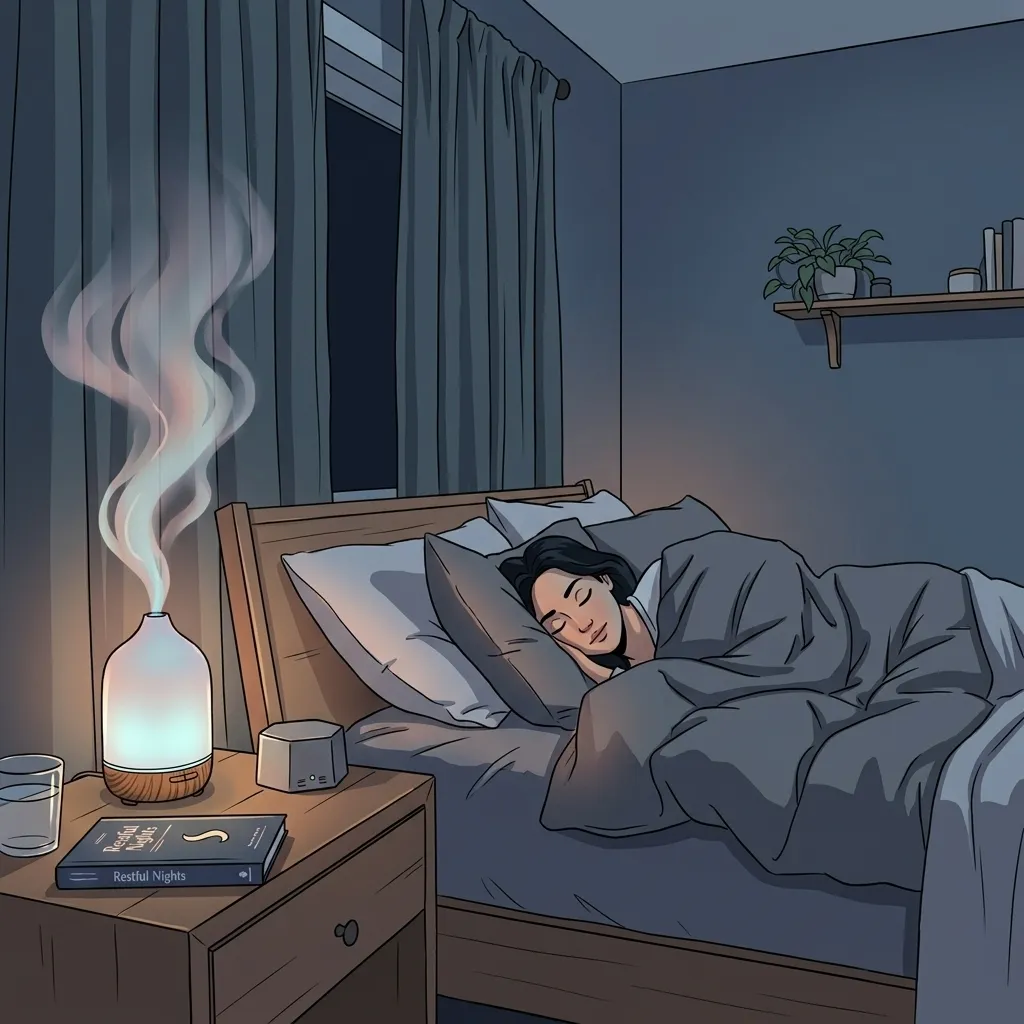
Environment:
- Darkness: Blackout curtains, eye masks (critical for day sleeping after night shifts)
- Temperature: 60-67°F (15-19°C) ideal
- Quiet: White noise machines, earplugs, or apps to mask disruptive sounds
- Comfort: Quality mattress and pillows; comfortable, breathable bedding
Pre-Sleep Routine (30-60 minutes before bed):
- Dim lights throughout the home
- Avoid screens (blue light suppresses melatonin)
- Gentle stretching or restorative yoga
- Warm bath or shower
- Reading, journaling, or meditation
- Chamomile or lavender tea
- Lavender aromatherapy
Timing Consistency:
- Keep sleep schedule as consistent as possible, even on days off
- If the schedule varies, maintain consistent pre-sleep rituals
Shift-Specific Sleep Strategies
After Night Shifts:
- Wear sunglasses when driving home to limit light exposure
- Eat a light, easily digestible meal
- Create a completely dark environment
- Use white noise
- Consider melatonin 30-60 minutes before sleep
- Sleep within 2 hours of arriving home
Rotating Shifts:
- Rotate clockwise when possible (days→evenings→nights)
- Allow 1-2 days of adjustment between major changes
- Strategic napping before night shifts
- Bright light therapy to shift circadian rhythm
Sleep Supplements (consult healthcare provider first):
- Melatonin: 0.5-5 mg 30-60 minutes before sleep
- Magnesium: 300-400 mg evening dose
- L-Theanine: 200-400 mg for calm without sedation
- Glycine: 3 grams before bed improves sleep quality
Power Napping
Strategic power naps increase energy, stabilize emotions, and restore brain functionality, according to Purdue Global.
Optimal Nap Duration:
- 10-20 minutes: Quick energy boost without sleep inertia
- 90 minutes: Full sleep cycle if severely sleep-deprived
Best Timing:
- Before night shifts
- During extended shifts (if breaks permit)
- Early afternoon on days off (before 3 PM)
Nap Environment:
- Dark, quiet space
- Set an alarm to prevent oversleeping
- Eye mask and earplugs if needed
<a name=”social-support”></a>
Social Support and Connection
The Protective Effect of Social Bonds
Strong social connections buffer against stress effects and reduce burnout risk. Research shows that nurses often turn to social support, exercise, and spending time with family to cope with workplace stress, according to the National Council of State Boards of Nursing.
Professional Support Networks
Within Your Workplace:
- Develop genuine connections with colleagues
- Participate in debriefing sessions after difficult events
- Join or create peer support groups
- Seek mentorship from experienced nurses
- Be a mentor to newer staff
Professional Organizations:
- Join specialty nursing organizations
- Attend conferences and networking events
- Participate in online nursing communities
- Engage with professional social media groups
Clinical Insight: Some of my most valuable stress management tools came from conversations with experienced colleagues who shared their coping strategies and normalized the challenges of our work.
Personal Relationships
Family and Friends:
- Schedule regular quality time despite shift work
- Communicate your needs and limitations
- Accept help and support when offered
- Maintain boundaries between work and personal life
Quality Over Quantity:
- Even brief, meaningful interactions provide benefits
- Phone/video calls with distant loved ones
- Text check-ins during busy periods
- Plan activities to look forward to
Professional Counseling
When to Seek Help:
- Persistent feelings of hopelessness or depression
- Anxiety is interfering with daily functioning
- Substance use as a coping mechanism
- Thoughts of self-harm
- Burnout symptoms are not improving with self-care
Resources:
- Employee Assistance Programs (EAPs): Usually free, confidential counseling
- Telehealth therapy: Convenient for shift workers
- Specialty therapists experienced with healthcare workers
- Crisis hotlines: National Suicide Prevention Lifeline 988
Reducing Stigma: Seeking professional support demonstrates strength and self-awareness—not weakness. Mental health care is healthcare.
Boundaries and Saying No
Establishing healthy boundaries protects against compassion fatigue and burnout:
- Limit extra shifts when exhausted
- Decline committee participation when overwhelmed
- Protect days off from work communications
- Learn to say “no” without excessive guilt
- Recognize that self-preservation enables better patient care
<a name=”breathing-techniques”></a>
Breathing Techniques and Quick Stress-Busters
The Power of Breath
Controlled breathing directly influences the autonomic nervous system, shifting from sympathetic (stress) to parasympathetic (relaxation) activation.
Evidence-Based Breathing Techniques
Box Breathing (4-4-4-4)
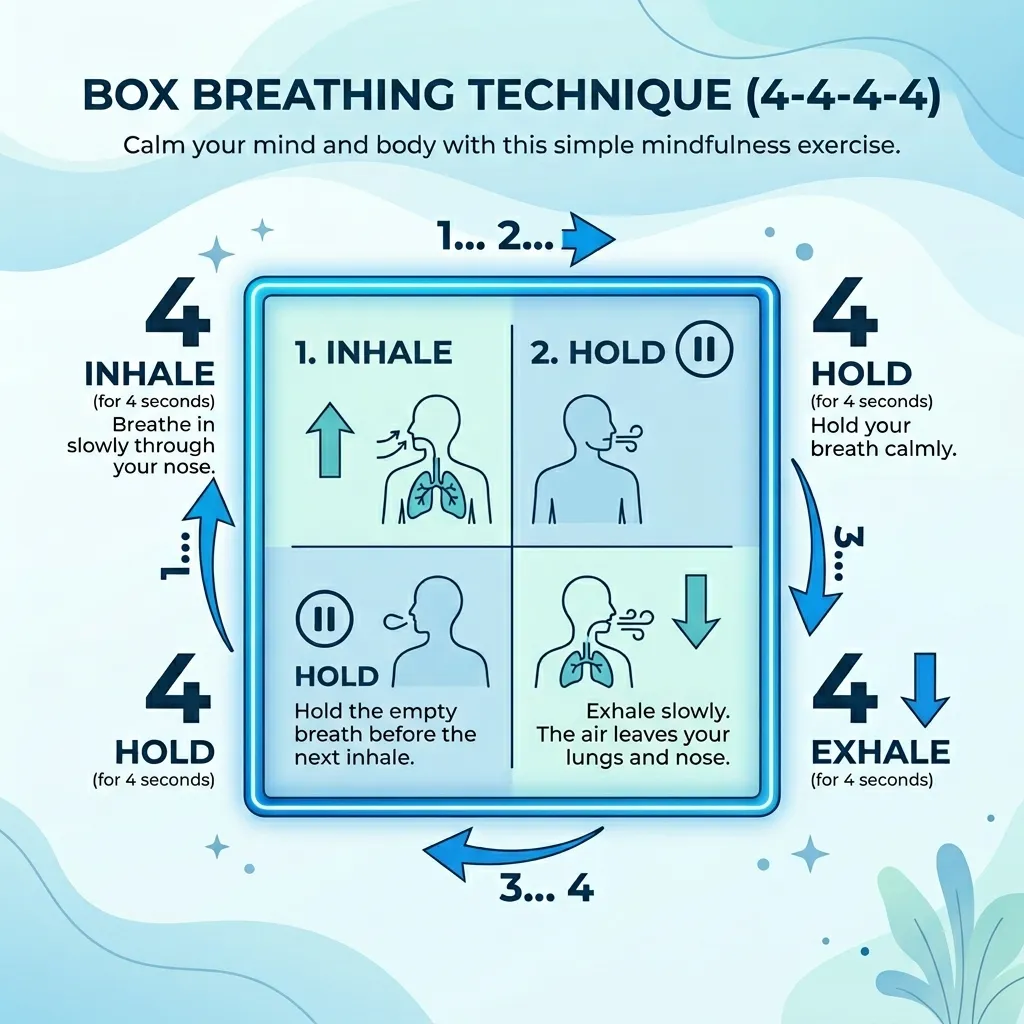
Used by Navy SEALs and healthcare professionals for rapid stress reduction.
How to Practice:
- Inhale through the nose for 4 counts
- Hold breath for 4 counts
- Exhale through the mouth for 4 counts
- Hold empty lungs for 4 counts
- Repeat 4-8 cycles
When to Use: Before difficult conversations, during codes, when feeling overwhelmed
4-7-8 Breathing (Relaxation Breath)
Developed by Dr. Andrew Weil, promotes deep relaxation.
How to Practice:
- Exhale completely through your mouth
- Inhale through the nose for 4 counts
- Hold breath for 7 counts
- Exhale through the mouth for 8 counts (make whooshing sound)
- Repeat 4 cycles
When to Use: Before sleep, during panic/anxiety, to transition from work to home.
Diaphragmatic Breathing (Belly Breathing)
Activates the relaxation response and improves oxygen exchange.
How to Practice:
- Place one hand on the chest, the other on the abdomen
- Inhale deeply through the nose, allowing the abdomen to rise while the chest remains relatively still
- Exhale slowly through pursed lips
- Continue for 5-10 minutes
When to Use: During breaks, while driving home, before sleep
Alternate Nostril Breathing (Nadi Shodhana)
Balances the nervous system and calms the mind.
How to Practice:
- Use the right thumb to close the right nostril
- Inhale through the left nostril
- Use the ring finger to close the left nostril
- Release the right nostril and exhale
- Inhale through the right nostril
- Close right nostril, release left, exhale
- Continue for 5-10 cycles
When to Use: During breaks, before meditation, when feeling mentally scattered
5-Minute Stress Reset Routine
Perfect for short breaks:
- Find a quiet space (break room, empty patient room, stairwell, car)
- Set a timer for 5 minutes
- Sit comfortably with a straight spine
- Close eyes or soften gaze
- Practice 4-7-8 breathing for 2 minutes
- Transition to natural breathing while mentally scanning the body for tension
- Release tension with each exhale
- Set intention for the remainder of the shift
- Open eyes, stretch, return to work
Clinical Tip: I schedule these 5-minute resets between patient assignments when possible. Even this brief pause significantly improves my focus, patience, and decision-making for the rest of my shift.
Grounding Techniques for Acute Stress
5-4-3-2-1 Sensory Technique:
- Name 5 things you can see
- Name 4 things you can touch
- Name 3 things you can hear
- Name 2 things you can smell
- Name 1 thing you can taste
This interrupts the stress response and anchors awareness in the present moment.
Physical Grounding:
- Plant feet firmly on the floor
- Press your hands together firmly
- Hold the ice cube briefly
- Touch a textured object mindfully
- Stretch major muscle groups
Quick Desk/Bedside Exercises
Neck Rolls: 30 seconds each direction Shoulder Shrugs: 10 repetitions Seated Spinal Twist: 30 seconds each side Wrist and Ankle Circles: Improve circulation during long shifts Standing Forward Fold: Release back tension
<a name=”personalized-plan”></a>
Creating Your Personalized Stress Management Plan

Assessment: Identify Your Stress Patterns
Step 1: Track Your Stress
Keep a simple log for 1-2 weeks:
- When do stress levels peak? (time of shift, day of week, specific situations)
- Physical symptoms: headaches, muscle tension, digestive issues, sleep problems
- Emotional symptoms: irritability, anxiety, sadness, numbness
- Behavioral changes: eating patterns, social withdrawal, substance use
Step 2: Identify Your Stressors
Common nursing stressors (check all that apply):
- Inadequate staffing
- Difficult patient/family interactions
- Ethical/moral distress
- Workplace violence or bullying
- Administrative burdens
- Lack of support from leadership
- Inadequate resources
- Rotating shifts and sleep deprivation
- Exposure to trauma and death
- Work-life balance challenges
Step 3: Assess Current Coping Strategies
Which do you currently use?
- Healthy strategies: exercise, social support, hobbies, professional help
- Maladaptive strategies: excessive alcohol/substances, emotional eating, social isolation, overworking
Building Your Plan
Select 3-5 Strategies to Start
Choose a mix of:
- Daily Practice (5-10 minutes): Breathing exercises, meditation, brief stretching
- Regular Activity (3-4x weekly): Exercise, yoga, nature time
- As-Needed Technique (during stressful moments): Grounding, breathing, quick walk
- Nutritional Support (ongoing): Healthy eating pattern, hydration, consider supplements
- Long-Term Investment (weekly/monthly): Therapy, social connections, hobbies, professional development
Sample Starter Plan:
Daily:
- 5 minutes of meditation upon waking
- Pack nutritious meals/snacks for shifts
- 4-7-8 breathing before sleep
3-4x Weekly:
- 30-minute walk or yoga practice
- Connection with a friend or family member
As-Needed:
- Box breathing during stressful situations
- 5-minute reset routine during breaks
- Grounding technique when overwhelmed
Weekly:
- 1-2 hours nature immersion
- Meal prep for the week
- One enjoyable non-work activity
Monthly:
- Try one new stress-reduction technique
- Reassess and adjust the plan
- Schedule time with supportive colleagues
Implementation Tips
- Start Small: Better to do one technique consistently than attempt everything and quit
- Schedule It: Put self-care in your calendar like any important appointment
- Remove Barriers: Prep workout clothes, keep supplements visible, set phone reminders
- Track Progress: Use a simple journal or app to note what helps most
- Be Flexible: Adjust based on schedule changes and what works for you
- Self-Compassion: Progress isn’t linear; be kind when you miss practices
- Accountability: Share goals with a supportive colleague or friend
When to Adjust Your Plan
Signs a strategy isn’t working:
- No improvement in stress levels after 4-6 weeks of consistent practice
- The technique causes additional stress rather than relief
- Conflicts with your values, schedule, or preferences
Signs to increase intervention:
- Strategies help somewhat, but symptoms remain significant
- New stressors emerge, requiring additional support
- You’re ready to deepen practices that show promise
Evaluating Success
After 4-6 Weeks, Assess:
- Are stress symptoms reduced? (frequency, intensity, duration)
- Are you functioning better at work? (focus, patience, decision-making)
- Have relationships improved?
- Is sleep quality better?
- Do you feel more hopeful and resilient?
Even small improvements indicate you’re on the right track. Be patient—stress management is a lifelong practice, not a quick fix.
Organizational Advocacy
While personal strategies are essential, systemic change is also needed:
- Participate in workplace wellness committees
- Advocate for adequate staffing ratios
- Support peer-support programs
- Encourage leadership to address burnout
- Vote for policies supporting healthcare workers
- Join professional organizations working on these issues
Personal resilience shouldn’t substitute for addressing root causes, but it enables you to stay healthy while working toward broader change.
Acknowledgments
I would like to express deep gratitude to my colleagues across Emergency, Pediatric, ICU, and General Ward settings who have shared their stress management wisdom throughout my nursing career. Their insights, vulnerability, and commitment to supporting one another have been invaluable in developing this comprehensive guide.
Special thanks to the medical research community, particularly those studying burnout prevention and stress physiology in healthcare workers. Your work provides the evidence base that empowers nurses to make informed decisions about their well-being.
I’m grateful to the Ghana Nurses and Midwives Association (GRNMA) and the Nurses and Midwifery Council (NMC) Ghana for fostering a professional community committed to both patient care and practitioner wellness.
Finally, thank you to the nursing community worldwide. Your dedication, compassion, and resilience in the face of extraordinary challenges inspire this work. May these evidence-based strategies support you in sustaining the vital care you provide.
<a name=”faqs”></a>
Frequently Asked Questions (FAQs)
Q: How long does it take for natural stress reduction methods to work?
A: The timeline varies by technique and individual. Breathing exercises and grounding techniques provide immediate relief during acute stress. Mind-body practices like meditation and yoga typically show measurable benefits within 2-4 weeks of consistent practice (daily or near-daily). Adaptogenic herbs generally require 4-8 weeks of regular use to demonstrate full effects. Exercise benefits accumulate progressively, with mood improvements often noticeable within 1-2 weeks and stress resilience continuing to build over months. The key is consistency—brief daily practices yield better results than occasional intensive sessions.
Q: Can I use these methods if I’m already taking medication for anxiety or depression?
A: Yes, most natural stress reduction techniques complement medical treatment. However, always inform your healthcare provider about all interventions you’re using. Some herbal supplements may interact with psychiatric medications—for example, St. John’s wort interacts with many drugs. Mind-body practices like meditation, exercise, and breathing techniques are generally safe alongside medication and may enhance treatment effectiveness. Never discontinue prescribed medications without medical supervision.
Q: Which technique is most effective for nurses working night shifts?
A: No single technique works universally, but the most beneficial approaches for night workers typically include: strategic light exposure (bright light during your “day,” darkness during your “night”), consistent sleep scheduling (maintaining the same sleep time even on days off), magnesium supplementation before sleep, blackout curtains and white noise for day sleeping, and gentle exercise after shifts to decompress without overstimulation. Adaptogenic herbs like rhodiola may help manage the fatigue associated with circadian disruption.
Q: Are adaptogenic supplements safe for long-term use?
A: Research suggests that quality adaptogenic herbs are generally safe for extended use (months to years) when taken at recommended doses. However, periodic breaks (e.g., 5 days on, 2 days off, or 3 months on, 1 month off) are often recommended. Quality and dosage matter significantly—choose products from reputable manufacturers with third-party testing. Consult your healthcare provider before long-term use, especially if you have existing health conditions, are pregnant/breastfeeding, or take medications that might interact.
Q: What if I don’t have time for long exercise sessions or meditation practices?
A: Brief practices are highly effective when done consistently. Research shows that even 5-10 minutes of mindfulness meditation provides measurable benefits. Similarly, three 10-minute walks throughout the day offer similar cardiovascular and stress-reduction benefits as one 30-minute session. Focus on “micro-practices”—2-minute breathing exercises during breaks, 5-minute morning stretches, or 10-minute walks before or after shifts. These accumulate to a significant impact over time.
Q: How can I maintain healthy eating habits with irregular shift schedules?
A: Meal planning and preparation are essential. Dedicate 2-3 hours weekly to batch-cooking proteins, grains, and roasted vegetables that combine into various meals. Pack all food for shifts in advance—don’t rely on cafeteria options. Keep nutrient-dense snacks readily available: nuts, seeds, hard-boiled eggs, cut vegetables with hummus, protein bars (choose options with <10g sugar, >15g protein). Eat at consistent intervals relative to your sleep-wake cycle rather than clock time. Stay hydrated throughout shifts with water bottles kept visible.
Q: What’s the difference between stress and burnout, and do these techniques address both?
A: Stress is a normal response to demanding situations characterized by feelings of being overwhelmed, anxious, or pressured. Burnout is a chronic state resulting from prolonged, unmanaged stress, featuring emotional exhaustion, depersonalization, and a reduced sense of accomplishment. Natural stress reduction methods help prevent burnout by building resilience and improving stress recovery. However, established burnout often requires more intensive intervention: professional counseling, possible job changes, extended time off, and addressing systemic workplace issues. These techniques support recovery but shouldn’t be viewed as complete solutions to severe burnout.
Q: Is it normal to feel guilty about prioritizing self-care as a nurse?
A: Absolutely normal, but important to recognize as counterproductive. Nursing culture often emphasizes self-sacrifice, but this ultimately harms both nurses and patients. The airline oxygen mask principle applies: you must secure your own well-being before you can effectively help others. Self-care isn’t selfish—it’s a professional responsibility that enhances your capacity to provide quality patient care. Reframe self-care as maintaining the tool (you) that delivers care, just as you’d maintain medical equipment.
Q: Can these methods help with moral distress and ethical challenges in nursing?
A: Natural stress reduction techniques help manage the physiological stress response triggered by moral distress, but they don’t resolve the underlying ethical issues. Practices like meditation and journaling can create space to process difficult situations and emotions. Social support and professional counseling are particularly valuable for moral distress. However, systemic solutions—debriefing sessions, ethics committees, advocacy for policy changes, and administrative support—are ultimately necessary to address root causes of moral distress in healthcare.
Q: How do I know when stress management isn’t enough and I need professional help?
A: Seek professional support if you experience: persistent depressed mood lasting more than two weeks; thoughts of self-harm or suicide; substance use to cope; inability to function at work or home; panic attacks; insomnia lasting multiple weeks; significant changes in appetite or weight; complete emotional numbness; or withdrawal from all social connections. Employee Assistance Programs (EAPs) provide free, confidential counseling—an excellent starting point. Don’t wait until the crisis point; early intervention is most effective.
Q: Are there specific natural approaches for dealing with compassion fatigue?
A: Compassion fatigue responds well to: establishing clear emotional boundaries (caring for patients without absorbing their trauma); regular debriefing with colleagues after difficult situations; limiting exposure to trauma outside work (graphic news, violent media); engaging in activities that renew your sense of purpose; practicing self-compassion meditation; maintaining non-nursing interests and identity; and ensuring adequate rest and recovery time. Mindfulness-based stress reduction specifically helps maintain compassion while protecting against vicarious trauma.
Q: What’s the best natural approach for immediate stress relief during a shift?
A: Box breathing (4-4-4-4) provides the fastest physiological stress reduction, working within 1-2 minutes. Combine with brief physical grounding: press feet firmly into the floor, tense and release shoulder muscles, or hold ice briefly. If you have 5 minutes, add the sensory grounding technique (5-4-3-2-1). Keep lavender essential oil in your locker for quick inhalation during breaks. These techniques activate the parasympathetic nervous system, directly countering the stress response.
Q: Can natural stress reduction methods prevent PTSD in healthcare workers exposed to trauma?
A: While no approach guarantees PTSD prevention, certain practices significantly reduce risk. Regular debriefing after traumatic events, maintaining social connections, adequate sleep, physical exercise, and early intervention for stress symptoms all demonstrate protective effects in research. Mindfulness practices help process traumatic experiences without becoming overwhelmed. However, repeated trauma exposure warrants professional support—don’t rely solely on self-help methods. Many hospitals offer critical incident stress debriefing; take advantage of these resources.
<a name=”conclusion”></a>
Conclusion
Nursing demands extraordinary resilience—physical stamina, emotional strength, intellectual acuity, and ethical courage. Yet our healthcare system often fails to support the well-being of those providing care. With only 60% of nurses saying they would choose nursing again and two-thirds of student nurses already concerned about workload management, the sustainability crisis in our profession cannot be ignored, according to Florida Atlantic University.
While systemic changes are essential—adequate staffing ratios, competitive compensation, supportive leadership, reduced administrative burdens—we cannot afford to wait for institutional reform to protect our health. Natural stress reduction methods empower you to build resilience, enhance recovery, and sustain your capacity to provide compassionate care throughout a long nursing career.
The strategies outlined in this guide—mindfulness meditation, physical activity, adaptogenic herbs, nutritional support, nature exposure, sleep optimization, social connection, and breathing techniques—all rest on solid scientific evidence. These aren’t trendy wellness fads but evidence-based interventions producing measurable physiological changes that reduce cortisol, lower blood pressure, enhance immune function, improve sleep, and strengthen emotional regulation.
Key Takeaways:
- Start small with 1-3 techniques you can realistically maintain
- Consistency matters more than intensity
- Combine approaches for synergistic benefits
- Give interventions 4-6 weeks before evaluating effectiveness
- Adjust your plan based on what works for your schedule, preferences, and stressors
- Natural methods complement, not replace, professional support when needed
- Self-care is a professional responsibility, not a selfish indulgence
From my decade of nursing experience across Emergency, Pediatrics, ICU, and General Wards, I can attest that sustainable nursing careers depend on proactive stress management. The colleagues who’ve thrived longest in our demanding profession consistently practice self-care, maintain boundaries, seek support, and regularly invest in their own well-being.
You entered nursing to make a difference in people’s lives. That noble calling deserves protection. By implementing these natural stress reduction methods, you’re not just improving your own health—you’re ensuring you can continue providing the quality care your patients deserve for years to come.
Take the first step today. Choose one technique from this guide. Practice it consistently for one week. Notice what changes. Build from there. Your well-being matters—to you, to your loved ones, to your colleagues, and to every patient whose life you’ll touch throughout your nursing journey.
Medical Disclaimer: This article is for informational purposes only and does not constitute medical advice. Abdul-Muumin Wedraogo is a Registered General Nurse, but recommendations should not replace consultation with your healthcare provider. Always consult with a qualified physician or healthcare professional before starting any new supplement, diet, or treatment regimen, especially if you have existing medical conditions or take medications. If you experience severe symptoms of stress, burnout, anxiety, depression, or thoughts of self-harm, seek immediate professional help through your Employee Assistance Program, mental health provider, or crisis services.
References
- American Nurses Foundation. (2023). Pulse on the Nation’s Nurses Survey Series: Mental Health and Wellness Survey 3. https://www.nursingworld.org/practice-policy/work-environment/health-safety/disaster-preparedness/coronavirus/what-you-need-to-know/covid-19-survey-results/
- American Nurses Foundation. (2024). 2024 Nursing Workforce Survey. https://www.nursingworld.org/practice-policy/work-environment/health-safety/
- Medscape. (2024). Nurse Practitioner Career Report 2024: Burnout and Work-Life Balance. https://www.medscape.com/slideshow/2024-nurse-practitioner-report-6016866
- National Council of State Boards of Nursing. (2023). National Nursing Workforce Study. https://www.ncsbn.org/research/recent-research/workforce.page
- Hoge, E. A., Bui, E., Palitz, S. A., et al. (2023). The effect of mindfulness meditation training on biological acute stress responses in generalized anxiety disorder. Psychiatry Research, 320, 115070. https://doi.org/10.1016/j.psychres.2022.115070
- Twohig-Bennett, C., & Jones, A. (2018). The health benefits of the great outdoors: A systematic review and meta-analysis of greenspace exposure and health outcomes. Environmental Research, 166, 628-637. https://doi.org/10.1016/j.envres.2018.06.030
- Cramer, H., Lauche, R., Langhorst, J., & Dobos, G. (2013). Yoga for depression: A systematic review and meta-analysis. Depression and Anxiety, 30(11), 1068-1083. https://doi.org/10.1002/da.22166
- Chandola, A., Amarjeet, K., & Jain, S. (2022). Ashwagandha (Withania somnifera): Role in managing stress and anxiety. Journal of Clinical Medicine Research and Therapeutics, 4(2), 1-8.
- Amsterdam, J. D., Li, Y., Soeller, I., et al. (2009). A randomized, double-blind, placebo-controlled trial of oral Matricaria recutita (chamomile) extract therapy for generalized anxiety disorder. Journal of Clinical Psychopharmacology, 29(4), 378-382. https://doi.org/10.1097/JCP.0b013e3181ac935c
- Malcolm, B. J., & Tallian, K. (2018). Essential oil of lavender in anxiety disorders: Ready for prime time? Mental Health Clinician, 7(4), 147-155. https://doi.org/10.9740/mhc.2017.07.147
- Hill, E. E., Zack, E., Battaglini, C., et al. (2008). Exercise and circulating cortisol levels: The intensity threshold effect. Journal of Endocrinological Investigation, 31(7), 587-591. https://doi.org/10.1007/BF03345606
- Thayer, R. E. (2001). Calm energy: How people regulate mood with food and exercise. American Psychologist, 56(5), 423-432.
- Hunter, M. R., Gillespie, B. W., & Chen, S. Y. (2019). Urban nature experiences reduce stress in the context of daily life based on salivary biomarkers. Frontiers in Psychology, 10, 722. https://doi.org/10.3389/fpsyg.2019.00722
- White, M. P., Alcock, I., Grellier, J., et al. (2019). Spending at least 120 minutes a week in nature is associated with good health and well-being. Scientific Reports, 9, 7730. https://doi.org/10.1038/s41598-019-44097-3
- Walker, M. (2017). Why We Sleep: Unlocking the Power of Sleep and Dreams. Scribner.
About the Author
Abdul-Muumin Wedraogo, RGN, BSN, is a Registered General Nurse with over 10 years of clinical experience across Emergency, Pediatric, Intensive Care, and General Ward settings with the Ghana Health Service. He holds a Bachelor of Science in Nursing from Valley View University and graduated from Premier Nurses’ Training College, Ghana.
Abdul-Muumin is a certified member of the Nurses and Midwifery Council (NMC), Ghana, and the Ghana Registered Nurses and Midwives Association (GRNMA). Throughout his nursing career, he has witnessed firsthand the impact of workplace stress on healthcare professionals and has dedicated himself to researching and promoting evidence-based wellness strategies for nurses worldwide.
Combining his extensive clinical expertise with advanced training in system engineering (Diploma in Network Engineering, Advanced Professional in System Engineering), Abdul-Muumin provides comprehensive, evidence-based reviews of medical devices, health products, and wellness strategies for Western audiences at Muminmed.com. His unique perspective bridges frontline clinical care with technological innovation, always grounded in the realities of modern healthcare practice.
Abdul-Muumin’s mission is to empower healthcare workers with practical, science-backed strategies to maintain their health and sustain their passion for nursing throughout long, fulfilling careers.