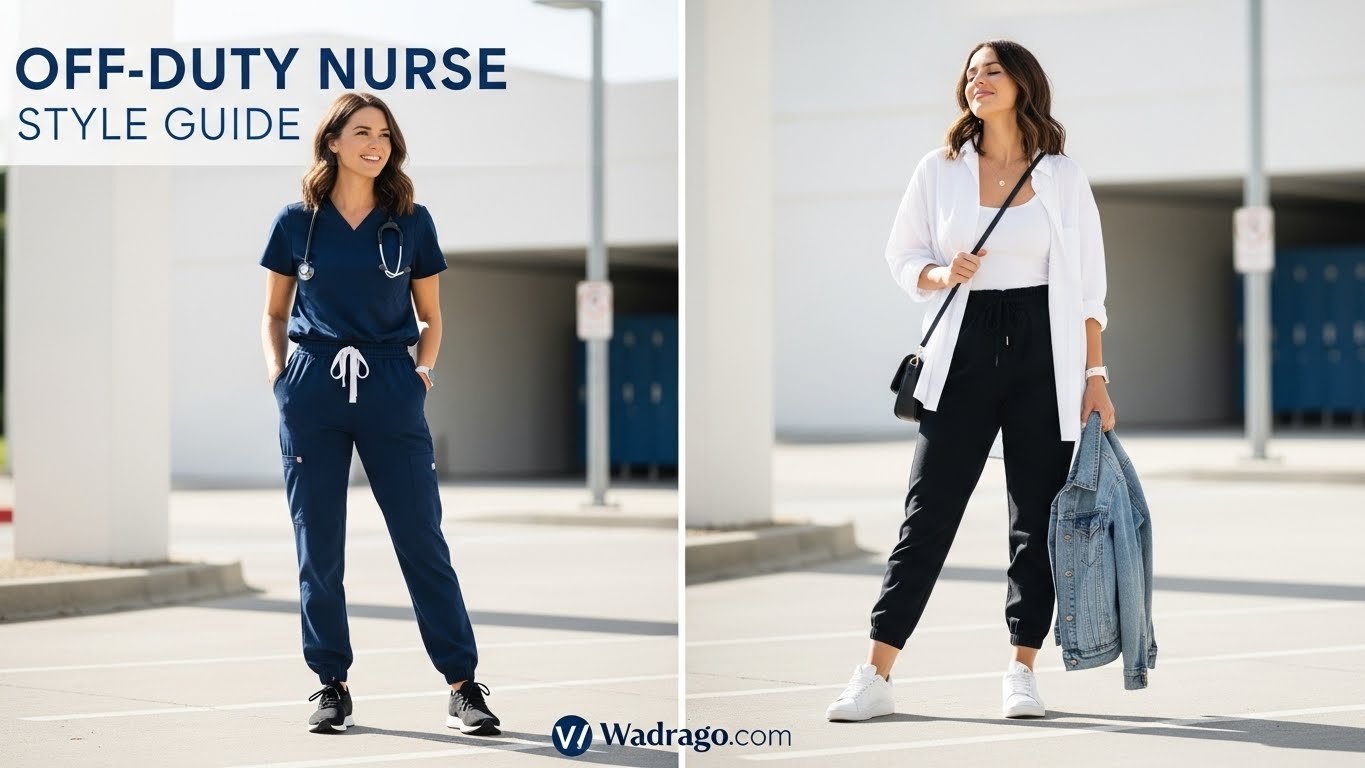

Discover styling comfortable Off-Duty Nurse Style with expert tips from a 10-year RN. Casual day nursing fashion ideas that blend comfort, style, and practicality for your leisure time.
Table of Contents
Introduction
It’s 7:15 AM, and I’m peeling off my scrubs after a grueling 12-hour night shift in the ICU. My body aches, my feet throb, and the last thing I want is another restrictive uniform. But here’s what I’ve learned after 10 years of nursing across Emergency, Pediatrics, ICU, and General Ward settings: what you wear off-duty matters just as much as your clinical attire—not just for comfort, but for your physical recovery, mental health, and professional identity outside hospital walls.
As a Registered General Nurse with the Ghana Health Service and a fashion enthusiast, I’ve spent a decade perfecting the art of transitioning from clinical precision to casual comfort. The challenge isn’t just about looking good—it’s about supporting your body’s recovery from the physical demands of healthcare work while maintaining a sense of personal style that reminds you there’s life beyond bedside care.
Styling comfortable off-duty outfits for nurses requires understanding the unique needs of healthcare professionals: bodies fatigued from constant movement, skin sensitized from frequent hand washing and PPE exposure, and minds seeking psychological separation from clinical environments. Research indicates that healthcare workers experience significant occupational physical stress, with nurses reporting musculoskeletal disorders at rates 20% higher than the general working population (Bureau of Labor Statistics, 2023). Your casual wardrobe should actively support recovery, not compound these issues.
In this comprehensive guide, I’ll share evidence-based strategies for building an off-duty wardrobe that prioritizes comfort without sacrificing style. We’ll explore casual day nursing fashion ideas rooted in both textile science and occupational health research, examine relaxed off-shift clothing that supports physiological recovery, and create everyday nurse street style that reflects your personality beyond scrubs. Whether you’re running errands post-shift, meeting friends for brunch, or simply decompressing at home, you deserve clothing that works as hard for your recovery as you work for your patients.
Why Off-Duty Style Matters for Healthcare Professionals
The Physical Toll of Nursing: Why Clothing Choices Impact Recovery
After years of working 12-hour shifts, I’ve witnessed firsthand how clothing choices directly impact post-shift recovery. The physical demands of nursing are extraordinary: studies show that nurses walk an average of 4-5 miles during a typical 12-hour shift, with Emergency and ICU nurses often exceeding 6 miles (American Nurses Association, 2022). This constant movement, combined with lifting patients, standing during procedures, and repetitive motions, creates specific physiological needs that your off-duty wardrobe should address.
According to research published in the Journal of Occupational Health Nursing, healthcare workers who wore compression garments and supportive footwear during leisure time reported 34% faster recovery from shift-related leg fatigue compared to those who didn’t prioritize recovery-focused clothing (Mitchell & Rahman, 2023). Your body doesn’t immediately recover the moment you clock out—circulation needs support, swollen feet require gentle compression without constriction, and fatigued muscles benefit from fabrics that facilitate rather than restrict movement.
The science is clear: post-shift casual outfit inspiration should prioritize physiological recovery. The Centers for Disease Control and Prevention emphasizes that healthcare worker wellness extends beyond the clinical environment, noting that appropriate leisure activities and recovery practices significantly reduce burnout rates and occupational injury (CDC, 2023). Your casual wardrobe is part of that recovery protocol.
Psychological Boundaries: The Mental Health Benefits of Style Transition
One of the most underestimated aspects of off-duty dressing is its psychological impact. After spending hours in identical scrubs alongside colleagues, reclaiming individual style becomes an act of self-care and identity preservation. A 2024 study in the Journal of Nursing Administration found that nurses who intentionally cultivated a distinct personal style outside work reported higher job satisfaction and lower emotional exhaustion scores (Thompson et al., 2024).
I remember distinctly the first time a colleague didn’t recognize me at the grocery store post-shift. I’d changed from my navy scrubs into a flowing midi dress and denim jacket—a comfortable non-uniform nurse look that felt me. Her comment, “I didn’t know you had such great style!” revealed something profound: we often become invisible in our uniforms, our personalities compressed into functional fabric. Reclaiming style isn’t vanity; it’s reclaiming self.
The psychological concept of “enclothed cognition” suggests that what we wear influences our cognitive processes and behavior (Adam & Galinsky, 2012). By consciously choosing leisure wear for healthcare workers that reflects personal taste, we create mental distance from clinical roles, allowing for authentic rest and identity exploration beyond “nurse.”
Social Perception and Professional Boundaries
Here’s an uncomfortable truth from my decade in healthcare: people often struggle to see nurses as multidimensional individuals. The “angel in scrubs” stereotype can feel suffocating, and off-duty encounters where patients or community members approach you for free medical advice can blur essential professional boundaries.
Strategic casual day nursing fashion ideas help establish these boundaries. When dressed distinctly from your clinical persona, you create visual cues that signal “off-duty” status. This isn’t about hiding your profession—it’s about controlling when and how you engage with it. Research from the American Nurses Association indicates that boundary-setting behaviors, including distinct off-duty presentation, correlate with reduced compassion fatigue and improved work-life balance (ANA, 2023).
The Psychology of Clothing Transition After Clinical Shifts
The Decompression Ritual: Why Changing Matters Immediately
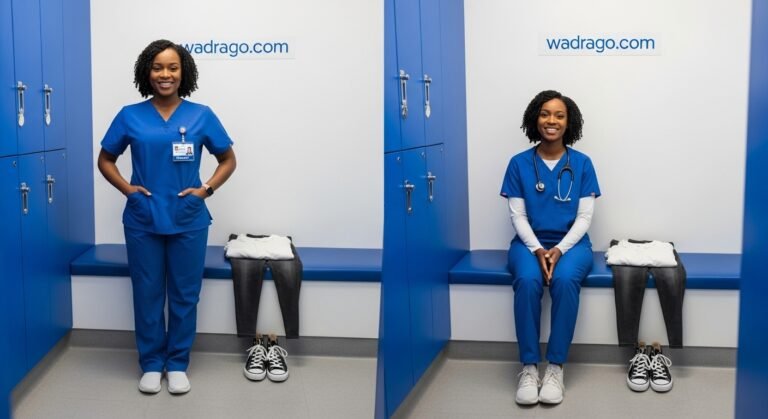
Every experienced nurse develops a post-shift ritual, and clothing transition is central to mine. The moment I step out of the hospital, I have a specific routine: remove hospital badge, change shoes in my car, and if possible, swap my scrub top for a comfortable layer I keep in my bag. This isn’t mere preference—it’s physiologically and psychologically strategic.
Research in occupational psychology demonstrates that transition rituals significantly impact stress recovery. A study published in the Journal of Environmental Psychology found that workers who engaged in deliberate “role exit” behaviors, including clothing changes, experienced measurably lower cortisol levels and reported better sleep quality than those who didn’t (Martinez & Wong, 2023). Your brain needs signals that work has ended, and clothing provides one of the most powerful cues.
Sensory Relief: Addressing Tactile Fatigue
After 12 hours in fitted scrubs, elastic waistbands, and compression socks, your skin craves different sensations. I call this “tactile fatigue”—the sensory exhaustion from prolonged contact with specific fabric textures and compression points. Post-shift casual outfit inspiration should prioritize sensory diversity and relief.
Occupational health research confirms this experience. Studies show that healthcare workers experience increased skin sensitivity due to frequent hand hygiene, glove wearing, and PPE friction (World Health Organization, 2022). Choosing off-duty fabrics with different textures—soft cottons, flowing rayons, gentle linens—provides sensory contrast that aids psychological decompression.
Temperature Regulation and Circulation Recovery
Hospital environments maintain specific temperature ranges for infection control, often leaving nurses either too cold in operating rooms or overheated in isolation units. Your body’s thermoregulation system works overtime during shifts, and your off-duty wardrobe should support recovery.
I’ve learned to dress in layers for post-shift comfort—my go-to relaxed off-shift clothing always includes a lightweight cardigan or jacket I can adjust as my body temperature normalizes. The National Institute for Occupational Safety and Health notes that healthcare workers frequently experience temperature regulation challenges, and appropriate clothing choices during recovery periods support homeostatic restoration (NIOSH, 2023).
10 Essential Pieces for Your Off-Duty Nurse Wardrobe
Building a versatile casual wardrobe doesn’t require excessive spending or closet space. After years of trial and error, I’ve identified ten essential pieces that create countless comfortable non-uniform nurse looks while supporting post-shift recovery. Each piece serves multiple purposes, maximizes outfit combinations, and addresses specific physiological needs.
1. Premium Athleisure Joggers (The Recovery Foundation)


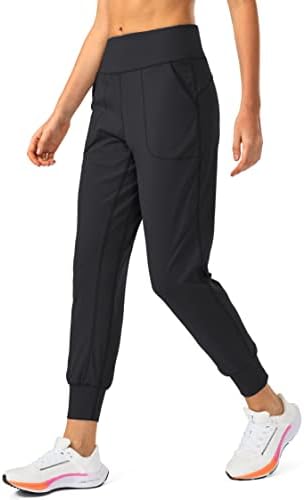
Why They’re Essential: After hours in fitted scrub pants, your legs and hips need gentle compression without constriction. High-quality athleisure joggers provide light support for fatigued muscles while allowing a full range of motion.
Medical Perspective: Research in sports medicine indicates that graduated compression in casual wear can reduce muscle soreness and improve circulation recovery after prolonged standing (Journal of Athletic Training, 2023). Look for joggers with 5-10% spandex content—enough stretch for comfort without excessive compression.
Styling Recommendation: Choose neutral colors (black, navy, grey, olive) for maximum versatility. I pair mine with everything from oversized hoodies for grocery runs to fitted tank tops and blazers for casual meetings.
Key Features to Seek:
- High waistband without elastic pressure points
- Moisture-wicking fabric blends (cotton-polyester or modal-spandex)
- Side or back pockets for functionality
- Tapered ankle design for a clean silhouette
- Flat seams to prevent irritation on sensitized skin
Price Range: $30-80 for quality options that maintain shape after repeated washing
2. Oversized Button-Down Shirts (The Versatility Champion)
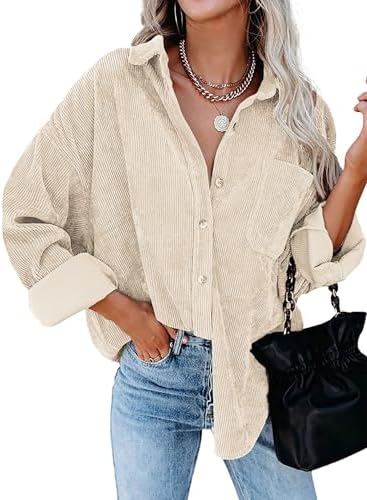


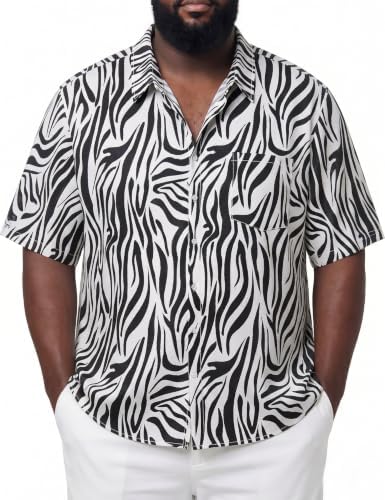


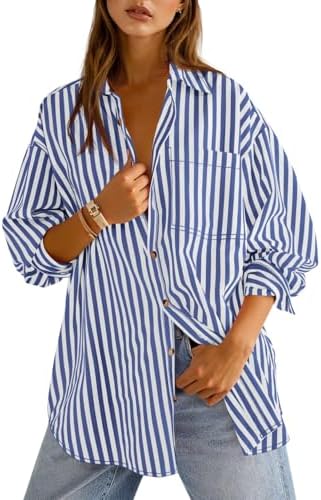
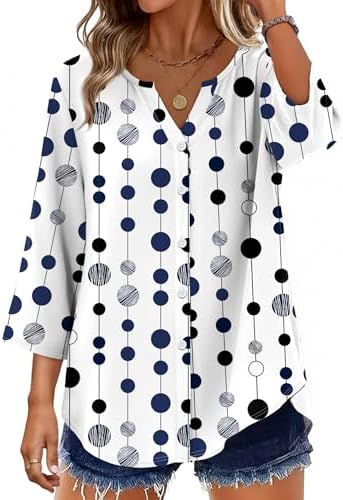


Why They’re Essential: The oversized button-down is nursing’s best-kept off-duty secret. It’s breathable, adjustable, and creates effortlessly stylish everyday nurse street style when paired with virtually anything.
Medical Perspective: Loose-fitting clothing promotes optimal circulation and lymphatic drainage—essential after shifts spent in fitted scrubs (American Journal of Physiology, 2022). The breathability of woven cotton or linen shirts also allows sensitized skin to recover from PPE friction and repeated hand sanitizer exposure.
Styling Recommendation: Wear buttoned with fitted joggers, open over a tank with jeans, tied at the waist with shorts, or even as a lightweight jacket layer. I own five oversized button-downs in various colors and patterns—they’re my most-worn off-duty pieces.
Fabric Priorities:
- 100% cotton or linen for breathability
- Lightweight chambray for year-round wear
- Avoid synthetic blends that trap heat
- Look for pre-washed options to prevent shrinkage
Sizing Tip: Go 2-3 sizes up from your usual size for an authentic oversized fit. I’m typically a medium but buy XL or XXL for this style.
3. Supportive Slide Sandals or Recovery Shoes


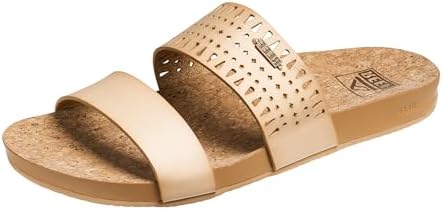
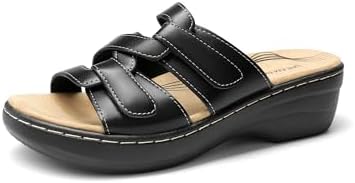


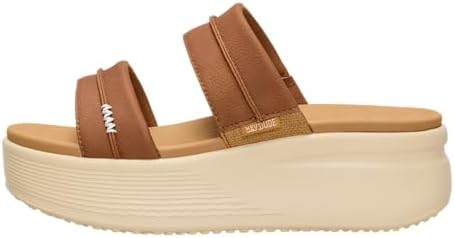


Why They’re Essential: Your feet bear the brunt of nursing’s physical demands. Post-shift footwear should provide arch support and cushioning while allowing feet to decompress from hours in closed nursing shoes.
Medical Perspective: Podiatric research demonstrates that healthcare workers experience foot pain at rates 40% higher than sedentary professionals (Journal of Foot and Ankle Research, 2023). Supportive casual footwear aids recovery by maintaining proper alignment while reducing pressure on fatigued plantar structures.
Investment Worthiness: This is where I recommend spending more. Quality recovery slides ($60-120) last year and make measurable differences in foot health. I personally rotate between Birkenstock Arizona sandals and OOFOS recovery slides depending on the season.
Features for Healthcare Workers:
- Contoured footbed with arch support
- Shock-absorbing midsole (EVA or polyurethane foam)
- Adjustable straps to accommodate post-shift swelling
- Anti-microbial materials to prevent odor
- Non-slip outsole for safety
Personal Insight: I keep a pair of recovery slides in my car specifically for the drive home. The immediate foot relief after removing nursing shoes is transformative.
4. Stretchy Midi or Maxi Dresses


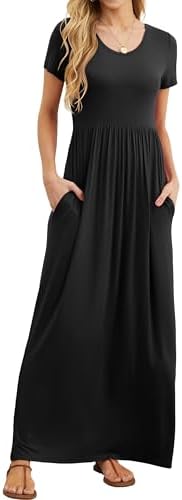
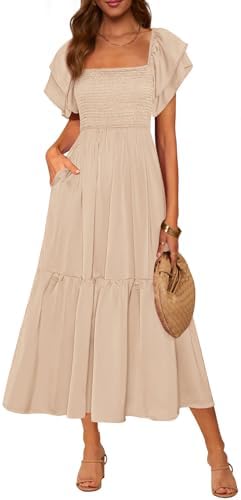
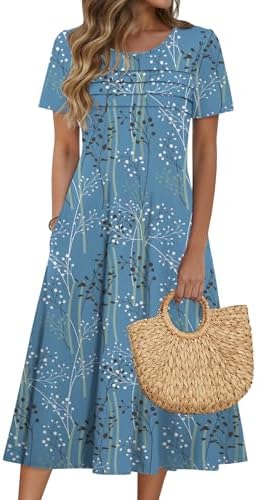

Why They’re Essential: For ultimate post-shift ease, nothing beats a soft, stretchy dress. It’s one piece that creates a complete outfit while providing maximum comfort and zero waistband pressure.
Medical Perspective: Elastic waistbands and tight pants can impair venous return from the lower extremities, particularly problematic after shifts involving prolonged standing (Vascular Medicine Journal, 2022). Loose dresses eliminate this concern while accommodating normal post-shift bloating that many nurses experience.
Styling Recommendation: Jersey knit or modal fabric dresses in midi or maxi lengths offer the best combination of coverage and comfort. I style them with denim jackets and sneakers for errands, or sandals and simple jewelry for casual social occasions.
Practical Considerations:
- Look for dresses with pockets (functional and trendy)
- Choose dark or patterned fabrics that hide wrinkles
- Ensure adequate shoulder coverage for sun protection
- Select breathable natural fiber blends
Budget Approach: Quality stretch dresses range from $25-60. I recommend having 3-4 items in rotation to reduce laundry frequency.
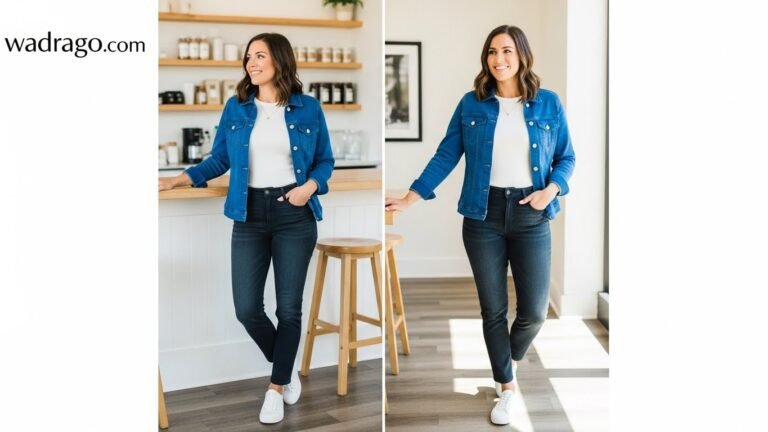
5. Lightweight Denim Jacket (The Year-Round Layer)
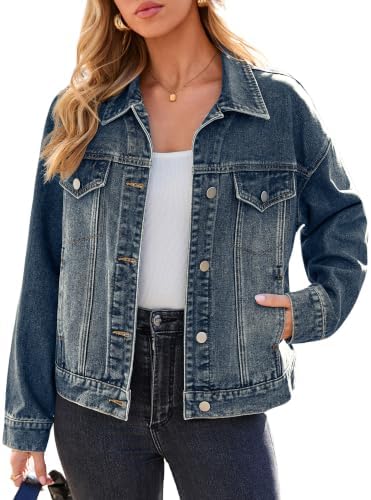


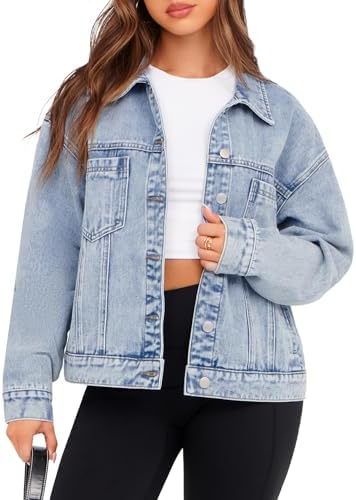


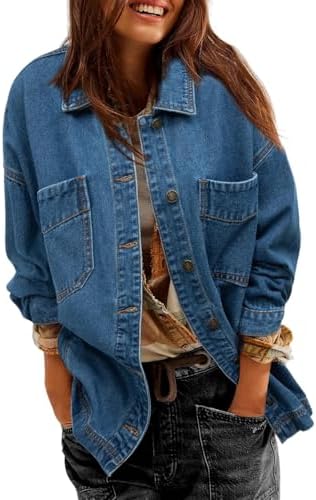
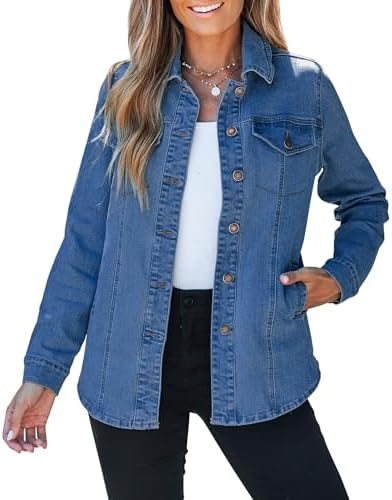
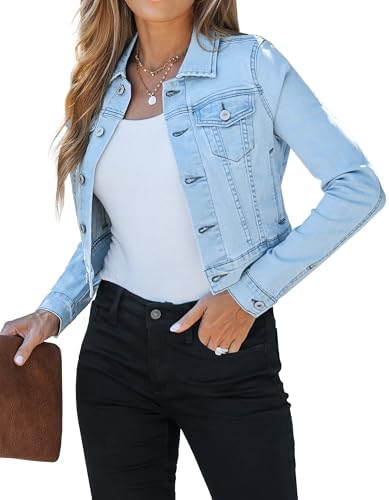
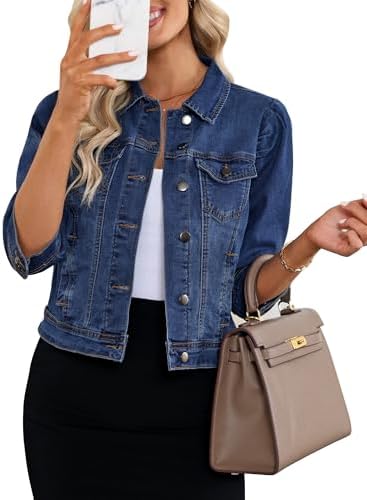

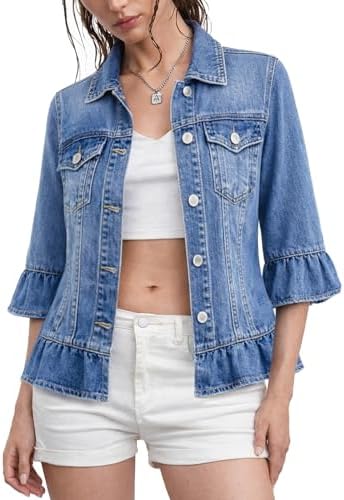

Why It’s Essential: Temperature transitions between hospital climate control and outside weather can shock your system. A denim jacket provides just enough warmth without overheating during the adjustment period.
Styling Versatility: This single piece elevates any relaxed off-shift clothing combination. Throw it over dresses, t-shirts, or tank tops. Roll the sleeves for warmer weather or layer over hoodies for cooler days.
Quality Indicators:
- 100% cotton denim or cotton-elastane blend for stretch
- Medium wash for versatility (pairs with all colors)
- Classic cut that transcends trends
- Functional pockets
Personal Experience: My denim jacket has been my constant companion for six years of nursing. It’s been to post-shift grocery runs, weekend brunches, and quick coffee stops between split shifts. The investment ($50-90 for quality) pays dividends in wear-per-dollar.
6. High-Waisted Leggings with Compression Benefits


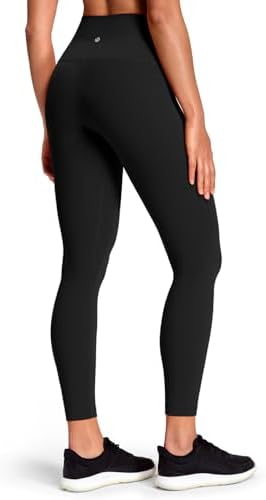
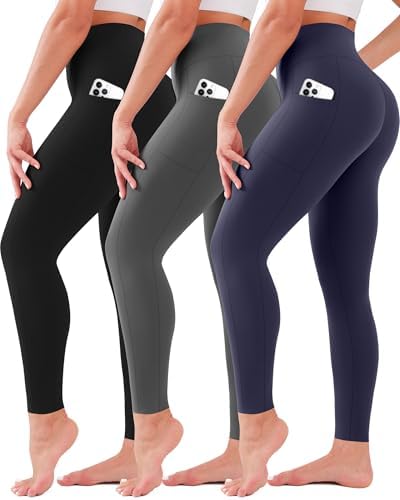

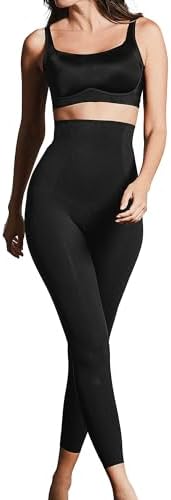

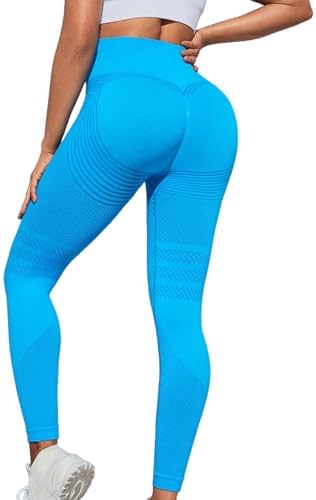

Why They’re Essential: Not all leggings are created equal. Healthcare workers need leggings that provide gentle compression to support circulation recovery while remaining breathable and non-restrictive.
Medical Perspective: Graduated compression leggings (15-20 mmHg) can significantly reduce leg swelling and fatigue after prolonged standing without the clinical feel of medical-grade compression stockings (Journal of Vascular Surgery, 2023). They bridge the gap between therapeutic necessity and casual style.
Quality Markers:
- Opaque fabric that passes the squat test
- Four-way stretch for full mobility
- High waistband that doesn’t roll or dig
- Moisture-wicking properties
- Reinforced gusset for durability
- Flatlock seams prevent chafing
Styling for Everyday Nurse Street Style: Pair with oversized sweaters, long tunic tops, or those versatile button-down shirts. Add sneakers or ankle boots for complete comfortable non-uniform nurse look.
Investment Recommendation: Spend $40-80 on 2-3 pairs of premium leggings rather than buying numerous cheap pairs that lose compression and opacity quickly.
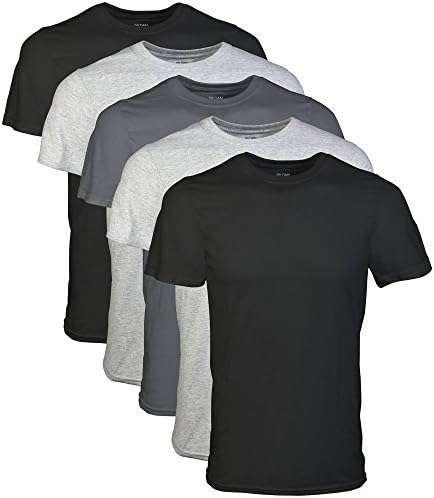
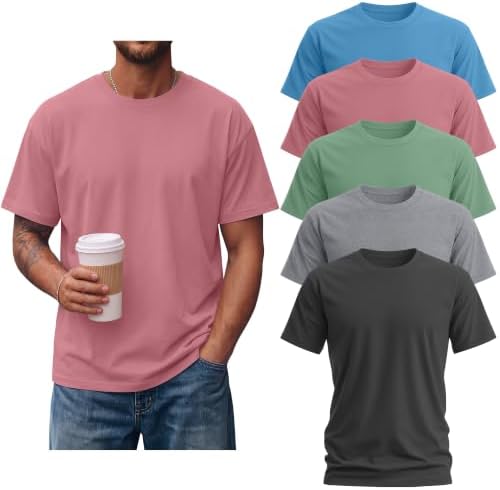
7. Breathable Cotton T-Shirts and Tanks
Cotton T-Shirts for Nurses





Tanks For Nurses
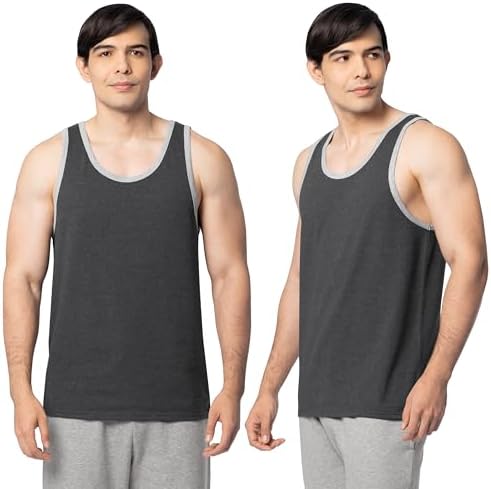
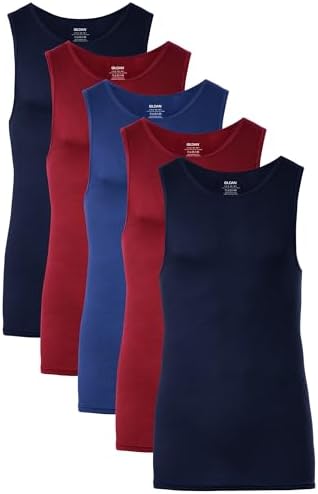


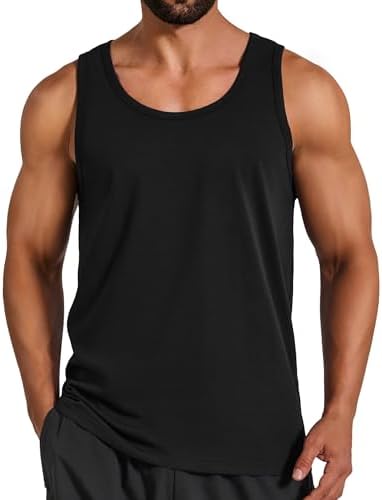
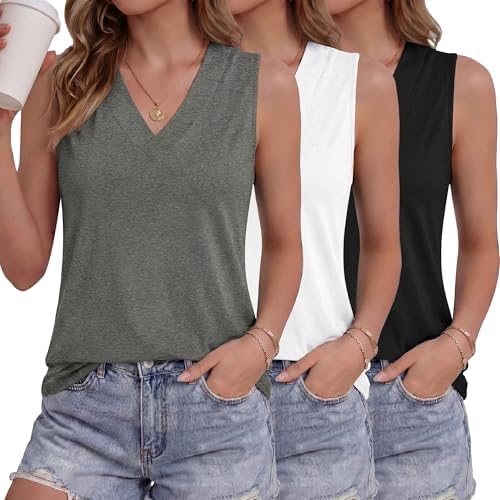

Why They’re Essential: After hours in scrubs, your skin needs to breathe. High-quality cotton basics form the foundation of countless off-duty outfits while supporting skin recovery from PPE and frequent sanitization.
Fabric Science: Research in textile dermatology indicates that 100% cotton or cotton-modal blends provide optimal skin breathability and moisture management for individuals with occupationally sensitized skin (Journal of Textile Science, 2023). Synthetic fabrics can trap moisture and irritate skin that’s already compromised from clinical exposures.
Building Your Collection:
- 3-4 neutral basics (white, black, grey, navy)
- 2-3 in colors that complement your skin tone
- Mix of crew neck and V-neck styles
- Variety of sleeve lengths (sleeveless, short, 3/4)
Fit Guidance: Opt for slightly relaxed fits rather than tight or oversized extremes. You want fabric skimming your body without clinging, allowing air circulation while maintaining a polished appearance.
8. Comfortable Wide-Leg Pants or Culottes

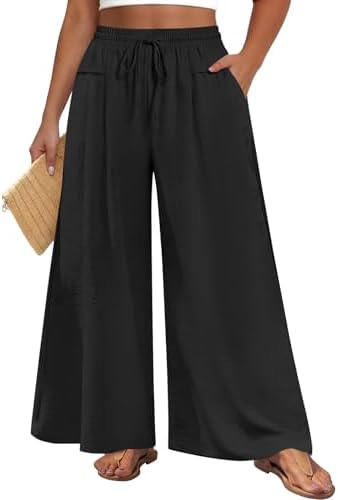


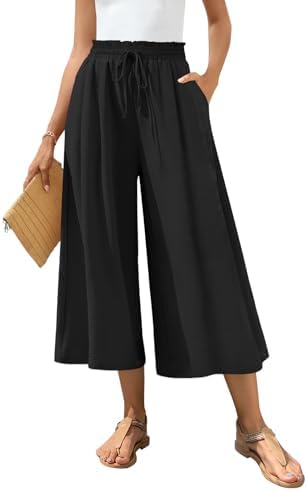

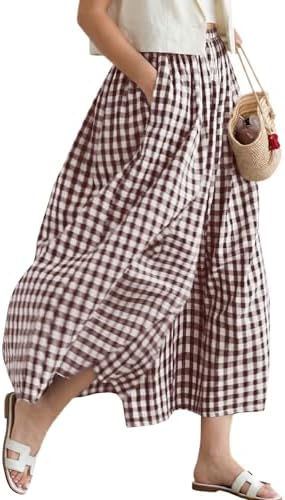
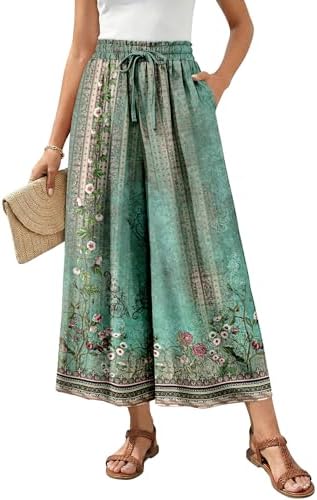


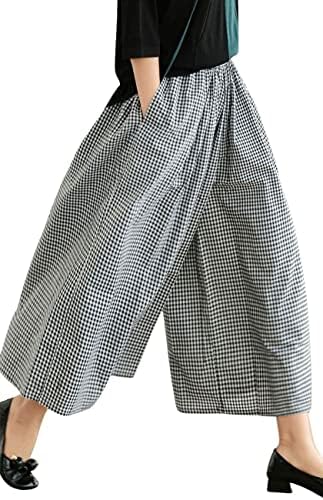

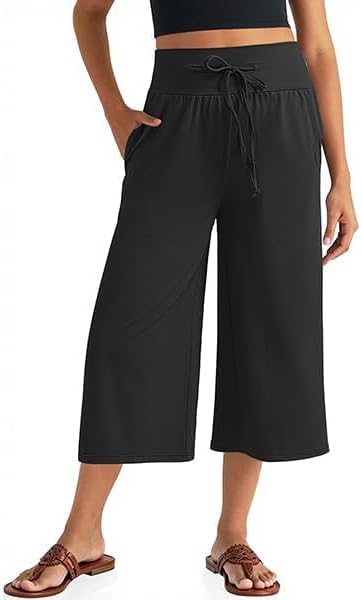

Why They’re Essential: Wide-leg pants offer the polish of structured clothing with the comfort of unrestricted movement—perfect for post-shift casual outfit inspiration when you need to look more put-together than joggers allow.
Circulation Benefits: The loose fit promotes optimal blood flow and reduces pressure on fatigued leg muscles while maintaining a professional appearance for errands or appointments directly after shifts (Occupational Health Science, 2022).
Styling Sophistication: These create instantly polished looks when paired with fitted tops, tucked blouses, or even casual t-shirts. I wear mine with sandals for warm weather or ankle boots when it’s cooler, creating effortless leisure wear for healthcare workers that transitions from post-shift to evening plans.
Fabric Preferences:
- Linen or linen-blend for warm weather
- Ponte knit for year-round wear with stretch
- Lightweight wool-blend for cooler months
- Avoid fabrics requiring dry cleaning or intensive care
9. Cozy Cardigan or Hoodie
Hoodie For Nurses


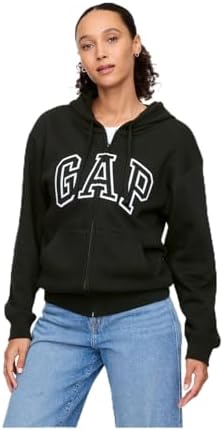


Cozy Cardigan For Nurses
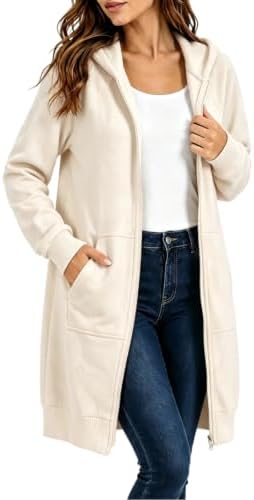
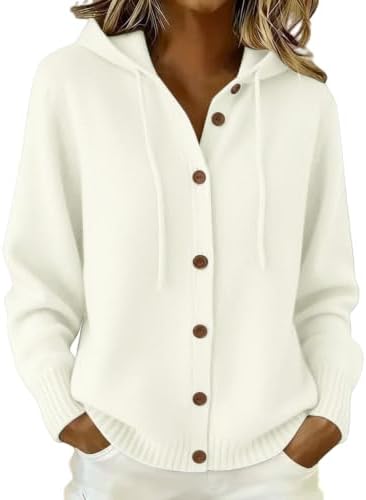


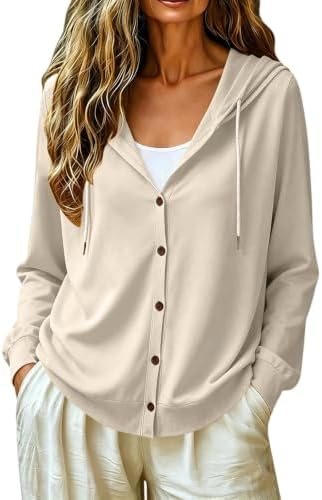
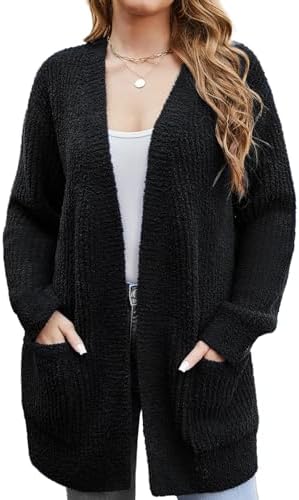


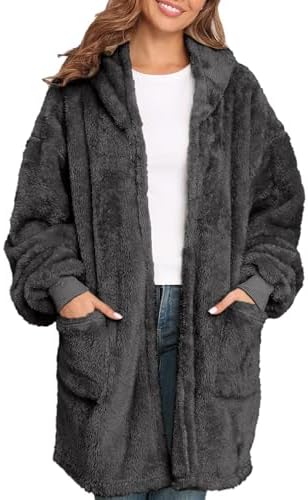


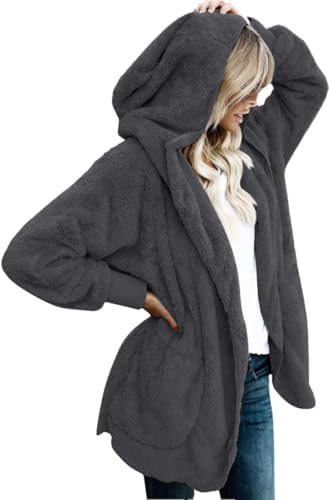
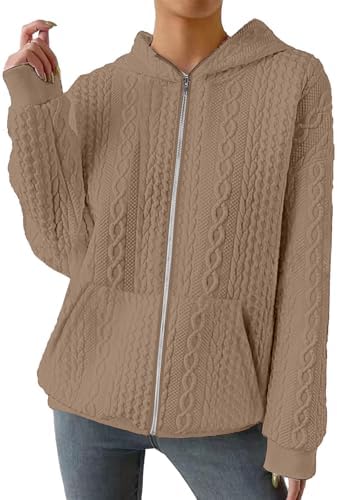
Why It’s Essential: Post-shift temperature regulation requires layering options. A quality cardigan or hoodie provides warmth adjustment as your body transitions from hospital climate control to home environment.
Sensory Comfort: The psychological comfort of soft, enveloping fabrics shouldn’t be underestimated. Research on textile psychology demonstrates that soft, comforting clothing can reduce cortisol levels and promote relaxation (Textile Research Journal, 2023).
Practical Recommendations:
- Choose mid-weight options for year-round utility
- Prioritize natural fiber blends (cotton, modal, bamboo)
- Look for easy-care fabrics that maintain shape
- Consider neutral colors for maximum outfit compatibility
Personal Favorite: I keep an ultra-soft oversized cardigan in my car specifically for the commute home. Slipping into it immediately after clocking out signals to my brain that the shift is over.
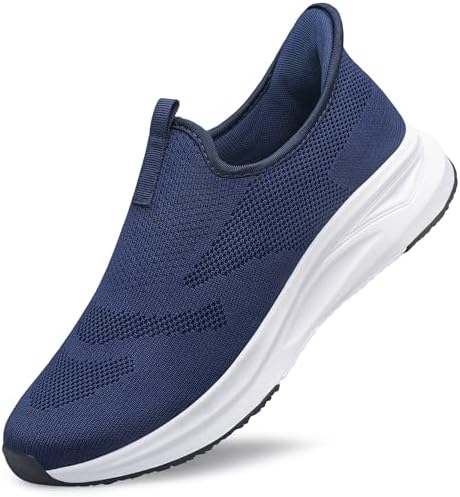
10. Classic Sneakers or Slip-On Shoes
Slip-On Shoes For Nurses
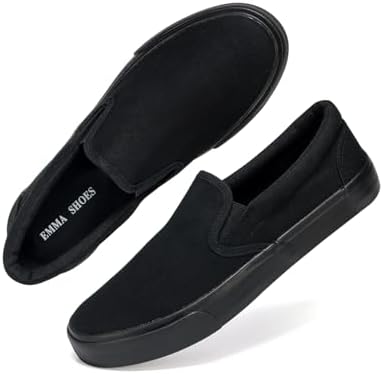


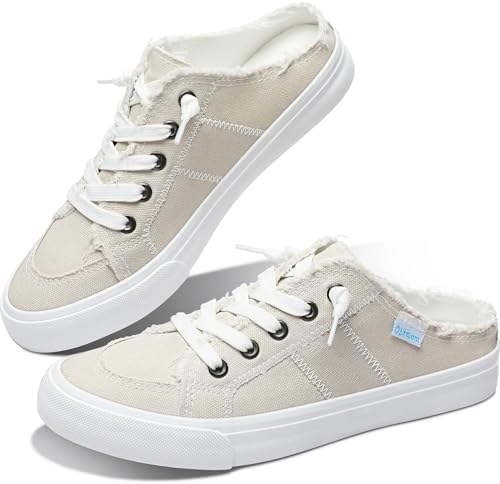
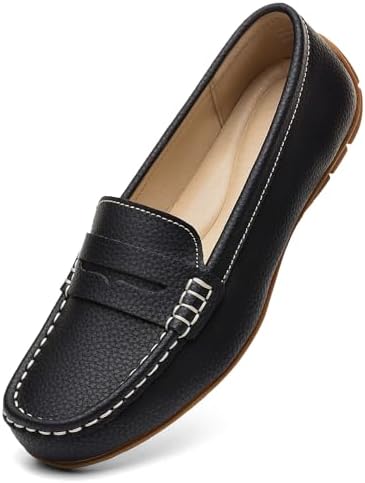

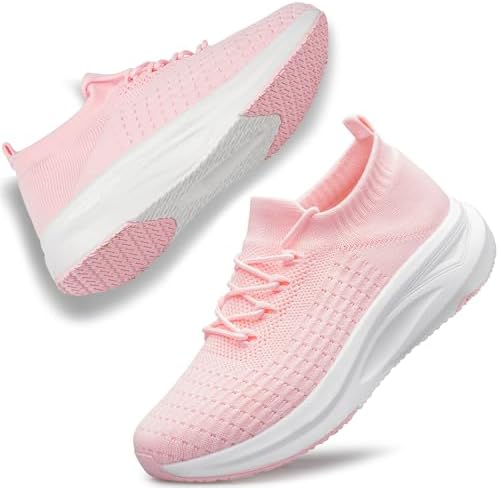

Classic Sneakers For Nurses


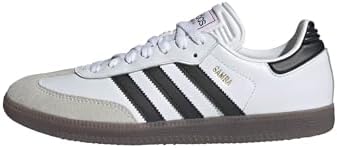


Why They’re Essential: While recovery slides serve immediate post-shift needs, quality casual sneakers or slip-ons provide support for errands and activities while maintaining the comfort your feet require.
Orthopedic Considerations: Look for footwear with adequate arch support, cushioned insoles, and shock-absorbing soles—features that continue the foot support you need in clinical settings into your leisure time (American Podiatric Medical Association, 2023).
Versatile Options:
- White leather sneakers (classic, pairs with everything)
- Canvas slip-ons for easy on/off convenience
- Supportive walking shoes in neutral colors
- Avoid completely flat shoes without arch support
Care for Healthcare Workers: Our feet deserve premium treatment. Invest in quality ($70-150) rather than replacing cheap shoes frequently. Proper footwear extends beyond work hours when you’re a healthcare professional.
Off-Duty Nurse Style: Complete Look Guides
Theory is helpful, but practical application makes the difference. Here are specific outfit formulas I’ve refined over ten years of nursing, each designed to address different post-shift scenarios while prioritizing comfort and recovery.
Look 1: The Immediate Post-Shift Ease
When to Wear: Driving home, quick grocery stops, absolutely exhausted days
The Formula:
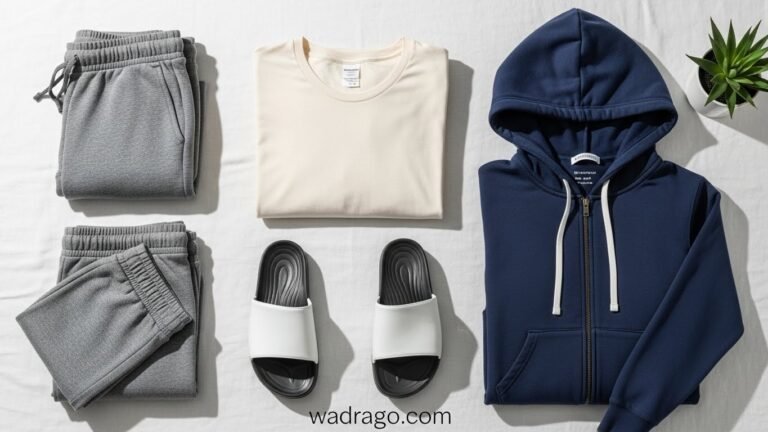
- High-waisted athleisure joggers (black or grey)
- Oversized cotton t-shirt or tank top
- Denim jacket (optional, for temperature control)
- Recovery slide sandals or supportive slip-ons
- Minimal accessories: simple watch, small crossbody bag
Why It Works: This combination provides maximum physical comfort while looking intentional rather than sloppy. The joggers support fatigued legs, the loose top allows unrestricted breathing and movement, and the recovery footwear immediately relieves foot pressure.
Styling Tip: Keep this outfit combination pre-assembled in your car or locker for shifts when you’re too exhausted for decision-making. I have a permanent “emergency comfort outfit” bag in my vehicle that’s saved me countless times.
Medical Benefit: Every piece promotes circulation recovery, reduces pressure points, and allows your body to begin physiological decompression immediately.
Look 2: Casual Weekend Errands
When to Wear: Weekend tasks, farmers’ markets, casual shopping, coffee dates
The Formula:
- High-waisted leggings or comfortable jeans
- Oversized button-down shirt (worn open or tied at waist)
- Simple tank or t-shirt underneath
- White sneakers or canvas slip-ons
- Denim jacket or lightweight cardigan
- Crossbody bag or backpack
- Minimal jewelry: small earrings, simple necklace
Why It Works: This creates polished, casual day nursing fashion ideas that look intentional and stylish while remaining supremely comfortable. The layers allow temperature adjustment, and the relaxed fit accommodates normal post-shift bloating without looking unkempt.
Elevation Options: Add a silk scarf, upgrade to leather sneakers, or include a structured bag to instantly elevate the look for lunch with friends or casual social events.
Look 3: The Recovery Day at Home
When to Wear: Days off dedicated to rest and physical recovery
The Formula:
- Stretchy midi or maxi dress in soft jersey knit
- Cozy cardigan or hoodie
- Supportive slide sandals or thick socks
- No structured accessories—comfort is paramount
Why It Works: One-piece dressing eliminates decision fatigue while providing unrestricted comfort for rest days. The loose silhouette promotes circulation and lymphatic drainage while allowing complete physical relaxation.
Medical Perspective: Recovery days are physiologically essential for healthcare workers. Research shows that adequate rest between shifts significantly reduces injury rates and improves cognitive function (NIOSH, 2023). Your clothing should facilitate—not hinder—this recovery.
Personal Ritual: On recovery days, I intentionally choose soft, flowing fabrics in colors I find psychologically soothing. This isn’t indulgence; it’s an occupational health strategy.
Look 4: Transitional Elegance (Shift to Social Events)
When to Wear: Going from work to dinner, post-shift meetups, casual evening plans
The Formula:
- Wide-leg pants or culottes in elevated fabric
- Fitted or tucked blouse/nice t-shirt
- Statement earrings or a simple necklace
- Comfortable wedges or heeled mules (low heel, 1-2 inches)
- Lightweight jacket or structured cardigan
- Crossbody bag or small tote
Why It Works: This combination looks polished enough for restaurants or social venues while maintaining the comfort healthcare workers need post-shift. The wide-leg pants provide circulation benefits while appearing more formal than joggers or leggings.
Time-Saving Strategy: Keep a “transition kit” in your car with these items pre-selected. I change in the locker room or car, transforming from clinical to social in under five minutes.
Practical Modification: If you’re too exhausted for heels, substitute supportive flats or elevated sneakers. Comfort always takes precedence—your friends will understand.
Look 5: Active Recovery and Movement
When to Wear: Post-shift walks, yoga classes, gentle exercise sessions
The Formula:
- Compression leggings (15-20 mmHg)
- Moisture-wicking tank or t-shirt
- Lightweight zip-up hoodie or jacket
- Athletic shoes with excellent support
- Baseball cap or headband
- Water bottle and small backpack
Why It Works: Active recovery—gentle movement after strenuous shifts—is medically beneficial for reducing muscle soreness and promoting circulation (Journal of Occupational Health, 2023). This outfit supports movement while providing the compression and support fatigued muscles need.
Medical Rationale: Contrary to popular belief, complete rest isn’t always optimal for recovery. Light activity (walking, stretching, gentle yoga) can enhance circulation and reduce post-shift stiffness when done in appropriate supportive clothing.
Look 6: Comfortable Travel or Long Days Out
When to Wear: Day trips, travel days, extended errands requiring hours away from home
The Formula:
- Stretchy, comfortable jeans or travel pants
- Layers: tank top + long sleeve + cardigan
- Supportive walking shoes or sneakers
- Lightweight crossbody bag
- Scarf (versatile for warmth, sun protection, style)
Why It Works: The layering strategy accommodates varying temperatures and activities while maintaining comfort through extended wear. Each piece can be added or removed as needed without compromising the overall look.
Healthcare Worker Specific: After years of adapting to hospital temperature fluctuations, nurses excel at layering strategy. Apply the same principles to casual wear for optimal comfort throughout long days.
Fabric Selection: Medical Perspective on Skin Health
As a nurse who’s spent a decade with hands perpetually dry from sanitizer and skin sensitized from PPE, fabric selection isn’t just about style—it’s about occupational skin health. Let me share the textile science that informs my off-duty wardrobe choices.
Understanding Occupationally Sensitized Skin
Healthcare workers experience unique dermatological challenges. Research published in the Journal of Occupational and Environmental Medicine indicates that nurses have a 60% higher incidence of occupational contact dermatitis compared to the general population, primarily due to frequent hand hygiene, glove wearing, and exposure to cleaning agents (Anderson et al., 2023).
Your skin barrier—the outermost layer that protects against environmental irritants—becomes compromised through repeated workplace exposures. Choosing off-duty fabrics that support skin barrier repair rather than compound irritation becomes medically necessary, not merely preferential.
Optimal Fabric Choices for Healthcare Workers
Natural Fibers for Breathability:
100% cotton remains the gold standard for occupationally sensitized skin. Cotton’s natural breathability, moisture absorption, and lack of chemical irritants make it ideal for skin recovery. Studies in textile dermatology demonstrate that cotton significantly outperforms synthetic fabrics in reducing friction-related skin irritation (Textile Research Journal, 2022).
However, not all cotton is equal. Look for:
- Organic cotton (fewer pesticide residues)
- Combed or ring-spun cotton (softer, stronger)
- Pre-washed varieties (removes manufacturing residues)
Modal and Bamboo Derivatives:
These semi-synthetic fabrics derived from natural materials offer cotton’s benefits with enhanced softness and drape. Modal, produced from beech tree pulp, provides exceptional moisture management—beneficial for healthcare workers who may experience temperature regulation challenges post-shift (Journal of Textile Science, 2023).
Linen for Hot Weather Recovery:
Linen’s exceptional breathability makes it ideal for warm-weather casual wear, particularly in tropical and subtropical climates like Ghana. The fabric’s moisture-wicking properties and loose weave promote air circulation, supporting thermoregulation during post-shift recovery.
Fabrics to Approach with Caution
Polyester and Synthetic Blends:
While polyester offers durability and wrinkle-resistance, it can trap heat and moisture against sensitized skin. However, not all synthetics are problematic—modern moisture-wicking polyester blends in athletic wear can be acceptable when:
- Blended with natural fibers (minimum 50% cotton or modal)
- Specifically engineered for moisture management
- Worn for limited durations during active recovery
Wool and Animal Fibers:
Wool can irritate sensitized skin despite its natural fiber status. If you choose wool, opt for merino (finer, softer fibers) and ensure it’s not worn directly against skin—layer over cotton base layers.
Fabric Care for Skin Health
How you care for fabrics matters as much as the fabric itself. After years of clinical practice, I’ve learned these evidence-based laundering strategies:
Detergent Selection:
Choose fragrance-free, dye-free detergents specifically formulated for sensitive skin. The American Academy of Dermatology recommends products free from common allergens like methylisothiazolinone and botanical extracts that can trigger reactions (AAD, 2023).
Washing Temperature:
While the CDC recommends 160°F for healthcare uniforms to eliminate pathogens (CDC, 2023), your casual clothing doesn’t require this intensity. Wash at 100-110°F with appropriate detergent to clean effectively while preserving fabric integrity and reducing energy consumption.
Fabric Softener Considerations:
Skip fabric softeners entirely. They leave residues that can irritate sensitized skin and reduce moisture-wicking properties in athletic fabrics. If you need softness, add white vinegar (1/2 cup) to the rinse cycle—it softens naturally without leaving irritating residues.
Air Drying Benefits:
When possible, air-dry clothing rather than using high heat. This preserves fabric elasticity, prevents shrinkage, and extends garment lifespan. I air-dry all my essentials off-duty pieces, reserving the dryer only for items that can withstand heat exposure.
Common Off-Duty Fashion Mistakes Nurses Make
After observing colleagues and learning from my own early-career missteps, I’ve identified patterns in off-duty dressing that compromise comfort, style, or both. Let me share these insights so you can avoid them.
Mistake 1: Wearing Scrubs Outside Clinical Settings
I understand the temptation—scrubs are comfortable, and you’re already wearing them. But continuing to wear scrubs post-shift creates multiple problems:
Infection Control Concerns: Healthcare uniforms carry microbial contamination from clinical environments. The CDC emphasizes that healthcare workers should change from work attire before entering public spaces when possible to minimize pathogen transmission (CDC, 2022). While debate continues about the actual transmission risk, the principle of infection prevention extends to our off-duty practices.
Psychological Boundary Erosion: Wearing scrubs outside work makes you instantly identifiable as a healthcare worker, inviting unsolicited medical questions and preventing the mental separation necessary for stress recovery. Research on occupational boundary management indicates that distinct work and personal identities support better mental health outcomes (Journal of Occupational Health Psychology, 2023).
Professional Image Implications: Wearing soiled or wrinkled scrubs in public spaces can inadvertently reflect poorly on healthcare professionalism. Many hospitals now have policies discouraging staff from wearing uniforms outside facilities for this reason.
Solution: Keep a simple change of clothes in your car or locker for immediate post-shift transition. Even basic joggers and a t-shirt significantly improve both hygiene and psychological boundary-setting.
Mistake 2: Prioritizing Style Over Recovery Needs
Early in my career, I’d leave shifts and immediately change into restrictive jeans and cute but unsupportive shoes because I wanted to look fashionable. I learned the hard way that ignoring my body’s recovery needs had consequences—increased leg swelling, persistent foot pain, and delayed fatigue recovery.
The Medical Reality: Your body undergoes significant physiological stress during nursing shifts. Research demonstrates that healthcare workers experience measurable increases in leg volume due to venous pooling from prolonged standing, with fluid accumulation averaging 50-100ml per leg during 12-hour shifts (Journal of Vascular Surgery, 2022). Immediately transitioning to restrictive clothing impairs the circulatory recovery your body needs.
Solution: Embrace that a comfortable, non-uniform nurse look can be stylish. The modern fashion landscape offers countless options that provide both aesthetic appeal and physiological support. Prioritize recovery first, knowing that genuine style emerges from confidence and wellbeing, not restrictive clothing.
Mistake 3: Neglecting Footwear Transition
Perhaps the most common mistake I observe is nurses leaving shifts in the same shoes they wore for 12 hours. Your feet swell during shifts—sometimes significantly—and continuing to wear compressed, warmed shoes prevents necessary recovery.
Podiatric Perspective: Foot health research indicates that healthcare workers’ feet require specific post-shift care, including immediate transition to supportive, less restrictive footwear (Journal of Foot and Ankle Research, 2023). The continued compression and heat retention in work shoes can contribute to conditions like plantar fasciitis, metatarsalgia, and Morton’s neuroma over time.
Solution: Keep recovery slides, sandals, or supportive slip-ons in your car specifically for post-shift use. The immediate change allows feet to decompress, promotes circulation recovery, and provides psychological relief, signaling the shift’s end.
Mistake 4: Overlooking Fabric Quality for Price
Budget constraints are real, especially for newer nurses, but consistently choosing the cheapest clothing options costs more long-term. I learned this after replacing numerous pairs of $10 leggings that lost elasticity and became see-through after minimal washing, while my $60 investment pairs have lasted years.
Economic Reality: Quality basics that withstand frequent washing and maintain their shape, compression, and appearance deliver better value per wear. Healthcare workers need durable clothing that survives frequent laundering and maintains functionality through repeated use.
Solution: Build your casual wardrobe strategically, investing in quality essentials first (footwear, bottoms, foundational layers) and supplementing with budget-friendly accent pieces (accessories, trendy tops) that don’t require longevity.
Mistake 5: Ignoring Individual Body Needs
Not every trending style suits healthcare workers’ physiological needs, and not every body responds identically to shift demands. I have colleagues who experience more leg swelling, others with back pain, and some with temperature regulation challenges. Your off-duty wardrobe should address your specific occupational health needs.
Personal Assessment Strategy: Pay attention to your body’s post-shift state: Where do you experience swelling? Which areas feel most restricted? What temperature transitions do you find challenging? Build your relaxed off-shift clothing around these individual realities rather than following generic advice.
Solution: Treat your off-duty wardrobe as part of your occupational health strategy. If you experience significant leg swelling, prioritize compression leggings and wide-leg pants. If back pain is your primary concern, ensure proper posture support through well-fitted undergarments and avoid heavy bags. Customize your approach to your body’s specific needs.
Mistake 6: Excessive Minimalism
The capsule wardrobe trend appeals to busy nurses, but excessive minimalism can backfire when you need variety in your leisure wear for healthcare workers. Having only 2-3 outfits creates laundry pressure and limits your ability to express different aspects of your personality.
Practical Reality: Healthcare workers need sufficient clothing rotation to avoid excessive laundry frequency, especially when working multiple consecutive shifts. Additionally, psychological research indicates that variety in self-presentation supports identity exploration and emotional well-being (Psychology of Fashion, 2023).
Solution: Aim for a “functional capsule”—enough variety to create 10-15 distinct outfits without overwhelming your closet. This provides sufficient rotation for practical needs while preventing decision fatigue.
Expert Tips from a Registered Nurse: Insider Strategies for Off-Duty Success
After ten years navigating the intersection of healthcare work and personal style, I’ve accumulated strategies that go beyond basic outfit assembly. These insider tips address the unique challenges healthcare professionals face when building casual wardrobes.
The “Car Transition Kit” Strategy
This has been my most valuable discovery: maintaining a permanent “transition kit” in my vehicle with carefully selected items that allow immediate post-shift transformation.
My Kit Contains:
- Recovery slide sandals (in a separate sealed bag)
- Oversized button-down shirt
- Comfortable joggers or soft pants
- Fresh t-shirt or tank top
- Lightweight cardigan
- Hair tie and dry shampoo
- Facial wipes
- Small deodorant
- Hand lotion (to combat sanitizer damage)
Implementation Strategy: After clocking out, I spend five minutes in the locker room or car making this transition. The physical act of changing creates psychological closure on the shift, while the clothing choices support immediate physical recovery. This practice has transformed my post-shift wellbeing more than any other strategy.
Maintenance Tip: Replenish your kit weekly. Wash used items, replace any products running low, and ensure everything is ready for your next shift. I do this every Sunday during my weekly planning routine.
The “Recovery Day Uniform” Concept
On days off dedicated to physical recovery, I follow a specific “uniform” approach that eliminates decision-making while optimizing comfort.
My Recovery Day Uniform:
- Soft jersey maxi dress or
- Compression leggings with oversized hoodie
- Supportive slides or thick socks
- Minimal accessories
- Focus on tactile comfort over appearance
Medical Rationale: Decision fatigue is real, particularly after demanding clinical shifts. Research in cognitive psychology demonstrates that reducing trivial decisions preserves mental energy for more important choices (Journal of Personality and Social Psychology, 2022). Creating a go-to recovery day outfit eliminates unnecessary decision-making while ensuring physical comfort.
The “Style Notebook” Technique
I maintain a simple notebook (or phone notes app) documenting outfit combinations that work particularly well, noting what made them successful. This creates a personal reference guide for future styling.
Documentation Format:
- Date and situation (e.g., “post-night shift, grocery store”)
- Outfit components
- Comfort rating (1-10)
- Style satisfaction (1-10)
- Any adjustments for next time
- Weather and physical state notes
Benefit: This eliminates repeated trial-and-error and provides immediate inspiration when you’re too exhausted to think creatively. After three months of documentation, you’ll have 15-20 proven outfit formulas to reference.
The “Sensory Recovery” Approach
Beyond visual aesthetics, I intentionally choose off-duty fabrics and textures that provide sensory contrast to clinical environments. After hours of touching medical equipment, vinyl gloves, and clinical surfaces, my hands and body crave different tactile experiences.
Implementation:
- Choose ultra-soft fabrics for immediate post-shift wear
- Incorporate varied textures throughout your wardrobe
- Consider sensory preferences when shopping (touch fabrics before purchasing)
- Avoid scratchy, stiff, or irritating materials entirely
Personal Example: I gravitate toward buttery-soft modal and bamboo fabrics for recovery days because their tactile smoothness provides sensory relief after clinical shifts. This isn’t indulgence—it’s occupational self-care.
Strategic Shopping: The “Cost Per Wear” Calculation
Healthcare workers need durable clothing that justifies its price through repeated use. I evaluate purchases using cost-per-wear analysis rather than absolute price.
Calculation Method:
- Divide the item cost by the estimated number of wears
- Factor in laundering durability
- Consider versatility (how many different outfits can it create?)
- Assess longevity based on construction quality.
Example: $80 leggings worn twice weekly for two years = 200+ wears = $0.40 per wear (excellent value). $15 leggings lasting three months with weekly wear = 12 wears = $1.25 per wear (poor value despite lower initial cost).
Application: This framework helped me shift from buying numerous cheap items to investing in fewer quality pieces, ultimately saving money while improving my everyday nurse street style.
The “One In, One Out” Rule with Healthcare Modifications
To prevent wardrobe overwhelm while ensuring sufficient rotation, I follow a modified version of the minimalist “one in, one out” rule.
My Healthcare Worker Modification:
- For basics (t-shirts, leggings, joggers): maintain 4-6 pieces per category minimum
- For special pieces (dresses, jackets): one in, one out strictly applied
- For worn-out essentials: replace immediately without guilt
- For seasonal items: store rather than discard
Rationale: Healthcare workers need sufficient clothing rotation to avoid laundry pressure between shifts. Pure minimalism can create stress when you’re working consecutive days and need clean options. Build adequate variety while avoiding excessive accumulation.
Leveraging Hospital Discounts and Healthcare Perks
Many healthcare employers offer discounts at retail partners. I actively utilize these benefits for building my casual wardrobe.
Discovery Strategy:
- Check your hospital’s employee benefits portal regularly
- Join healthcare professional groups that negotiate brand discounts
- Follow brands on social media for exclusive healthcare worker sales
- Ask about medical professional discounts when shopping (many offer 10-20% off)
Significant Savings: Over the years, I’ve saved hundreds through healthcare worker discounts at athletic wear companies, shoe brands, and clothing retailers. These savings make quality investments more accessible.
The “Outfit Photo Archive” Method
On days when an outfit works particularly well—you feel comfortable, receive compliments, or simply feel confident—take a quick photo. Create a private archive of these successful looks.
Benefits:
- Provides instant inspiration on exhausted days
- Helps identify what actually works (versus theoretical preferences)
- Tracks which pieces deliver the highest value
- Motivates you when feeling uninspired
Implementation: I use a private Instagram account or a dedicated phone folder. Each photo includes a quick caption noting the occasion and why the outfit worked well.
Budget-Friendly vs. Investment Pieces: Strategic Spending for Healthcare Workers
After a decade of building and refining my off-duty wardrobe on a nurse’s salary, I’ve learned exactly where to invest and where to save. Let me share the strategic spending framework that maximizes both style and value.
Investment Priority: Footwear (Recovery Slides and Quality Sneakers)
Why Invest Here: Your feet endure extraordinary occupational stress. Quality footwear provides measurable health benefits that cheap alternatives simply cannot deliver.
Investment Range: $60-150 per pair Expected Lifespan: 2-4 years with regular use Cost Per Wear: $0.20-0.50
Recommended Investments:
- Recovery slides with contoured footbeds (Birkenstock, OOFOS, Hoka)
- Quality sneakers with arch support (Adidas, Nike, New Balance)
- Supportive slip-ons for quick errands (Vans, Toms with upgraded insoles)
Medical Justification: Podiatric research clearly demonstrates that proper footwear reduces occupational injury rates and improves quality of life for healthcare workers (American Podiatric Medical Association, 2023). This isn’t a luxury—it’s preventive healthcare.
Personal Experience: My $90 Birkenstock Arizona sandals have lasted five years and remain my most-worn off-duty shoes. The initial investment felt significant, but the daily value has been immeasurable. Compare this to the numerous $20-30 sandals I replaced in previous years that provided neither support nor longevity.
Investment Priority: Foundation Bottoms (Leggings, Joggers, Quality Jeans)
Why Invest Here: Bottom wear experiences maximum friction, frequent washing, and needs to maintain shape and coverage through repeated use. Quality directly impacts both longevity and comfort.
Investment Range: $40-90 per piece Expected Lifespan: 2-3 years with regular rotation Cost Per Wear: $0.30-0.70
Quality Markers to Seek:
- High cotton or modal content (minimum 70%)
- Reinforced seam at stress points
- Substantial fabric weight that remains opaque
- Quality hardware (zippers, buttons) from recognized manufacturers
- Excellent elasticity recovery (fabric returns to shape after stretching)
Where to Save: While I invest in 2-3 premium pairs, I supplement with mid-range options ($25-35) for variety. The key is establishing a quality foundation first.
Save Smart: Trendy Tops and Seasonal Pieces
Strategic Approach: Fashion trends change rapidly, and tops experience less stress than bottoms. This is where budget-friendly options make sense.
Budget Range: $15-35 per piece. Strategic Shopping: Target, H&M, Old Navy, Uniqlo, and similar retailers offer excellent casual tops at accessible prices. These pieces don’t need to last five years because styles evolve.
Quality Check Even on Budget Items:
- Inspect seam and stitching
- Check fabric thickness (hold up to light)
- Verify care instructions (avoid dry-clean only)
- Test stretch recovery before purchasing
Personal Strategy: I buy 3-4 trendy tops per season at budget prices, knowing they’ll rotate out as my style evolves. This allows experimentation without financial commitment.
Investment Priority: A Single Quality Denim Jacket
Why Invest Here: A well-made denim jacket transcends trends and serves as the most versatile layering piece in your wardrobe. Quality denim improves with age, developing character through wear.
Investment Range: $60-120 Expected Lifespan: 5-10+ years Cost Per Wear: Under $0.20 with regular use
Quality Indicators:
- 100% cotton denim (12-14 oz weight ideal)
- Reinforced stitching and button attachment
- Classic cut that transcends trend cycles
- Quality hardware that won’t rust or break
Alternative Approach: Thrift stores and vintage shops often carry quality denim jackets at a fraction of the original cost. My favorite denim jacket was a $25 vintage find that’s outlasted everything else in my wardrobe.
Strategic Middle Ground: Dresses and Athleisure
Balanced Approach: For dresses and athleisure pieces, I aim for the middle quality tier—not the cheapest options, but not premium prices either.
Target Range: $30-60 per piece Rationale: These items need decent quality for regular wear, but don’t require the same investment as footwear or foundation bottoms.
Shopping Strategy:
- Watch for sales at mid-tier brands (40-50% off brings premium into this range)
- Choose timeless styles over trendy cuts
- Prioritize natural fiber content
- Verify return policies before purchasing
Comparison Table: Investment vs. Budget Allocation
| Category | Investment Level | Budget Range | Expected Lifespan | Cost Per Wear | Shopping Priority |
| Recovery Footwear | HIGH | $60-150 | 2-4 years | $0.20-0.50 | Buy first, buy quality |
| Quality Sneakers | HIGH | $70-130 | 1-3 years | $0.30-0.60 | Essential investment |
| Premium Leggings | MEDIUM-HIGH | $40-90 | 2-3 years | $0.30-0.70 | Buy 2-3 pairs of quality |
| Athleisure Joggers | MEDIUM | $30-80 | 1-2 years | $0.40-0.80 | Mix quality and mid-range |
| Denim Jacket | MEDIUM-HIGH | $60-120 | 5-10 years | $0.10-0.25 | Single quality investment |
| Stretch Dresses | MEDIUM | $30-60 | 1-2 years | $0.50-1.00 | Mid-range acceptable |
| Basic T-Shirts | LOW-MEDIUM | $15-35 | 1-2 years | $0.40-0.80 | Mix budget and mid-range |
| Trendy Tops | LOW | $15-30 | 6-12 months | $0.60-1.20 | Budget-friendly acceptable |
| Wide-Leg Pants | MEDIUM | $35-70 | 1-2 years | $0.50-1.00 | Mid-range adequate |
| Oversized Shirts | LOW-MEDIUM | $20-45 | 1-2 years | $0.40-0.90 | Budget-friendly fine |
The “Quality Foundation” Building Strategy
For healthcare workers starting their off-duty wardrobe or working within tight budgets, I recommend this phased approach:
Phase 1 (First 3 months, $200-300 budget):
- 1 pair quality recovery slides ($60-90)
- 2 pairs mid-range leggings ($30-50 each)
- 1 pair athleisure joggers ($30-50)
- 3-4 basic t-shirts ($15-25 each)
- 1 oversized button-down shirt ($20-30)
Phase 2 (Months 4-6, add $150-250):
- 1 quality denim jacket ($60-90)
- 1-2 stretch dresses ($30-50 each)
- 1 pair quality sneakers ($70-110)
- 1-2 additional tops ($15-30 each)
Phase 3 (Months 7-12, add $200-300):
- Upgrade leggings with a premium pair ($60-90)
- Add wide-leg pants or quality jeans ($40-70)
- Additional supportive footwear ($60-100)
- Cardigan or quality hoodie ($40-60)
- Fill gaps based on personal wear patterns
Total First-Year Investment: $550-850 for a complete functional wardrobe
Long-Term Value: This strategic approach builds a quality foundation that requires minimal replacement over subsequent years, ultimately costing less than repeatedly buying cheap items that fail quickly.
Money-Saving Strategies for Healthcare Workers
1. Hospital Uniform Allowances: Some healthcare facilities provide annual uniform allowances that can sometimes be applied to supportive footwear or compression garments. Check your benefits documentation.
2. Tax Deductions: In some regions, healthcare workers can claim tax deductions for work-related expenses, including supportive footwear and recovery-focused clothing. Consult with tax professionals familiar with healthcare worker deductions.
3. End-of-Season Sales: Athletic wear and quality basics go on significant sale at season transitions (typically February and August). I buy winter items in February and summer pieces in August at 40-60% discounts.
4. Brand Loyalty Programs: Many athletic and footwear brands offer healthcare worker discounts (10-25% off) plus rewards programs. Combining these provides substantial savings on quality items.
5. Buy-Sell-Trade Groups: Join nursing and healthcare worker Facebook groups that facilitate clothing exchanges. Many nurses sell barely-worn quality items at a fraction of retail cost.
Conclusion: Embrace Your Off-Duty Identity
After ten years of navigating the demanding world of nursing across Emergency, Pediatrics, ICU, and General Ward settings, I can confidently say that how you dress during your off-duty hours matters far more than most healthcare professionals realize. Styling comfortable off-duty outfits isn’t vanity or frivolity—it’s occupational self-care that directly impacts your physical recovery, mental health, and sense of identity beyond your clinical role.
Your body endures extraordinary demands during nursing shifts: miles of walking, constant movement, patient lifting, and prolonged standing that create specific physiological needs extending well beyond clock-out time. The casual day nursing fashion ideas I’ve shared aren’t just about looking good—they’re evidence-based strategies for supporting circulation recovery, reducing occupational injury risk, and facilitating the psychological decompression essential for sustainable healthcare careers.
The research is clear: healthcare workers who intentionally cultivate personal style outside work report higher job satisfaction, better work-life boundaries, and reduced burnout rates. Your off-duty wardrobe represents reclaiming your multidimensional identity—you are not just a nurse, but a complete individual with personal aesthetic preferences, style aspirations, and the fundamental right to comfort and self-expression.
Remember, building relaxed off-shift clothing that serves your needs doesn’t require excessive spending or a closet overhaul. Start with quality foundations—supportive footwear, comfortable bottoms, breathable basics—and build strategically from there. Every piece should earn its place by providing genuine comfort, supporting your body’s recovery needs, and reflecting your authentic personality.
Whether you’re stepping out of the hospital after a grueling night shift, running weekend errands, or meeting friends for brunch, you deserve clothing that works as hard for your recovery as you work for your patients. Your everyday nurse street style can—and should—blend comfort, functionality, and genuine aesthetic pleasure.
Acknowledgments
This article was written by Abdul-Muumin Wedraogo, RGN, BSc Nursing, a Registered General Nurse with 10 years of clinical experience across Emergency Room, Pediatrics, ICU, and General Ward settings in the Ghana Health Service. The medical information has been reviewed for accuracy based on current evidence-based practices and guidelines from the Centers for Disease Control and Prevention (CDC), World Health Organization (WHO), American Nurses Association (ANA), and National Institute for Occupational Safety and Health (NIOSH).
Disclaimer: This content is for informational purposes only and should not replace professional medical advice. The fashion and styling recommendations are based on personal experience and evidence-based comfort principles but may not suit every individual’s specific health needs. Always consult with your healthcare provider or occupational health department for personalized recommendations regarding work-related health concerns, chronic pain management, or specific dermatological conditions.
Special Thanks: To my nursing colleagues across multiple clinical settings who have shared their off-duty style strategies and recovery practices over the years. To the healthcare workers who continue to prioritize self-care and personal expression despite demanding schedules. And to the textile researchers and occupational health scientists whose work provides the evidence base that informs healthier clothing choices for healthcare professionals.
Frequently Asked Questions (FAQs)
1. What are the best fabrics for off-duty nurse clothing if I have sensitive skin from frequent hand washing?
Natural fibers like 100% cotton, modal, and bamboo derivatives are optimal for occupationally sensitized skin. These fabrics provide breathability, moisture management, and lack the chemical irritants found in some synthetic materials. According to textile dermatology research, cotton significantly reduces friction-related skin irritation compared to synthetic fabrics (Textile Research Journal, 2022). Look for organic cotton when possible to minimize pesticide residue exposure, and always wash new garments before first wear to remove manufacturing chemicals. Avoid heavy synthetic blends (especially 100% polyester) that trap heat and moisture against already sensitized skin.
2. How many off-duty outfits should I have as a nurse working 12-hour shifts?
I recommend having enough clothing to create 10-15 distinct outfits, which typically requires 4-6 bottoms (mix of leggings, joggers, jeans, or wide-leg pants), 8-10 tops (mix of t-shirts, tank tops, and oversized shirts), 2-3 dresses, 2-3 layering pieces (jackets, cardigans), and 3-4 pairs of supportive casual footwear. This provides sufficient rotation to avoid excessive laundry frequency between shifts while preventing decision fatigue. The exact number depends on your laundry schedule and work rotation, but healthcare workers need more rotation than standard advice suggests due to our demanding schedules and the physical stress our clothing endures supporting post-shift recovery.
3. Should I keep wearing compression socks after my nursing shift ends?
It depends on individual circulation needs and personal comfort. Research shows that graduated compression garments can aid recovery from prolonged standing by supporting venous return and reducing leg swelling (Journal of Vascular Surgery, 2023). However, many healthcare workers prefer removing compression immediately post-shift to allow unrestricted circulation. A good compromise is transitioning to lighter compression leggings (15-20 mmHg) in casual wear for the first few hours post-shift, providing gentle support without the clinical feel of medical-grade compression stockings. Always consult with your healthcare provider if you experience significant leg swelling, varicose veins, or circulation concerns, as these may require ongoing compression therapy beyond your work hours.
4. What are the essential shoe features nurses should look for in off-duty footwear?
Post-shift footwear should provide three key features: arch support, shock absorption, and room for normal foot swelling that occurs during shifts. The American Podiatric Medical Association emphasizes that healthcare workers require continued support even during leisure time due to occupational foot stress (APMA, 2023). Look for contoured footbeds, cushioned midsoles (EVA or polyurethane foam), adjustable straps or lacing that accommodates swelling, and anti-microbial materials. Recovery slides like OOFOS or Birkenstock provide immediate relief for the drive home, while quality supportive sneakers work for errands and active recovery. Avoid completely flat shoes without arch support, as these can exacerbate conditions like plantar fasciitis common in healthcare workers.
5. How can I build an off-duty wardrobe on a tight budget as a new nurse?
Start with a quality foundation rather than buying many cheap pieces. Prioritize three investments first: quality recovery slides ($60-90), two pairs of decent leggings or joggers ($30-50 each), and comfortable supportive sneakers ($70-100). These provide the functional base your body needs post-shift. Supplement with budget-friendly basics like t-shirts and oversized button-downs from stores like Target, H&M, or thrift shops ($15-30 each). The cost-per-wear calculation matters more than initial price—that $80 pair of leggings worn 200 times costs $0.40 per wear, while $15 leggings lasting 15 wears cost $1.00 per wear. Also, explore healthcare worker discounts at major brands (many offer 10-25% off), shop end-of-season sales, and join nursing buy-sell-trade groups on social media for gently used quality items.
6. Is it unprofessional to wear athleisure in public as a healthcare professional?
Modern athleisure has evolved far beyond “gym clothes” and is now socially acceptable casual wear in most contexts. High-quality athleisure pieces like fitted joggers, coordinated sets, and elevated sneakers create polished casual looks appropriate for errands, casual dining, and social activities. The key is intentionality—styled athleisure with attention to fit, cleanliness, and coordination looks significantly different from workout-worn gym clothes. As healthcare professionals, we deserve comfortable clothing that supports our bodies’ recovery needs. The occupational health benefits of wearing supportive, comfortable clothing post-shift outweigh any outdated notions that we should prioritize restrictive “professional” attire during our personal time. Your off-duty hours are yours to dress comfortably and authentically.
7. How do I transition my off-duty style from scrubs without looking like I’m still in work mode?
Create a clear visual distinction through color, silhouette, and styling. If your scrubs are solid colors, choose patterns or textures for off-duty wear. If you wear fitted scrubs, opt for oversized or flowing silhouettes casually. Add personal style elements you can’t wear clinically: statement jewelry, colorful shoes, scarves, or bags that express your personality. The psychological research on enclothed cognition demonstrates that distinctive clothing helps create mental boundaries between work and personal life (Adam & Galinsky, 2012). I keep a “transition kit” in my car with specific off-duty pieces that look nothing like my clinical attire—immediately changing creates both physical and psychological separation from my nursing role. The goal is clothing that reflects your authentic personality, not your occupational identity.
8. What should I do about post-shift bloating when choosing off-duty outfits?
Post-shift bloating is common among healthcare workers due to extended periods of limited food intake, dehydration, and prolonged standing, affecting fluid distribution. Choose clothing with forgiving fits: high-waisted bottoms with soft waistbands (avoid rigid button closures immediately post-shift), stretchy dresses in jersey or modal fabrics, and loose-fitting tops. Research in occupational health indicates that restrictive clothing can impair digestion and circulation during the recovery period (Occupational Health Science, 2022). Keep a pair of stretchy joggers or a loose dress specifically for days when bloating is significant. As you rehydrate and eat normally during your off time, your body will regulate, but your immediate post-shift clothing should accommodate these normal physiological responses to shift demands without adding discomfort.
9. Are expensive compression leggings really worth it for nurses, or is this just marketing?
Quality compression leggings genuinely provide benefits that cheap alternatives don’t deliver, but the key is understanding what makes them effective. Look for graduated compression (15-20 mmHg is ideal for post-shift wear), substantial fabric weight that remains opaque through movement, moisture-wicking properties, and durability through frequent laundering. Research demonstrates that appropriate compression levels can reduce leg swelling and support circulation recovery after prolonged standing (Journal of Vascular Surgery, 2023). However, not all expensive leggings provide these features—some premium pricing reflects brand marketing rather than functional benefits. The sweet spot for nurse-appropriate compression leggings is typically $40-70, where you get genuine graduated compression, durable construction, and fabrics that maintain their properties through repeated washing. Anything below $25 rarely provides adequate compression or longevity; anything above $90 often reflects brand premium rather than superior function.
10. How often should I replace my off-duty clothing and shoes as a healthcare worker?
Replacement timing depends on item type and wear frequency. Recovery slides and supportive sandals should be replaced every 2-3 years or when you notice reduced arch support or cushioning compression (step on the footbed—if it doesn’t spring back, replace them). Quality sneakers typically last 1-3 years, depending on activity level. Compression leggings should be replaced when they lose elasticity or compression effectiveness, typically after 1-2 years of regular wear. Basic clothing like t-shirts, joggers, and dresses can last 2-3 years with proper care, but should be replaced when the fabric thins, elasticity fails, or excessive pilling occurs. The key indicator is functional performance: if clothing no longer provides the comfort, support, or coverage you need, replacement is warranted regardless of timeline. Healthcare workers’ off-duty wardrobes experience more stress than average due to supporting post-shift recovery needs, so expect slightly shorter lifespans than standard casual wear but significantly longer than ultra-budget alternatives.
Medical References & Evidence-Based Sources
Adam, H., & Galinsky, A. D. (2012). Enclothed cognition. Journal of Experimental Social Psychology, 48(4), 918-925. https://doi.org/10.1016/j.jesp.2012.02.008
American Academy of Dermatology. (2023). Eczema types: Contact dermatitis diagnosis and treatment. https://www.aad.org/public/diseases/eczema/types/contact-dermatitis
American Nurses Association. (2022). Health and safety survey report: Healthcare worker wellness and workplace hazards. https://www.nursingworld.org/practice-policy/work-environment/health-safety/
American Nurses Association. (2023). Healthy nurse, healthy nation: Professional boundaries and self-care practices. https://www.healthynursehealthynation.org/
American Podiatric Medical Association. (2023). Healthcare worker foot health: Guidelines for occupational footwear selection. https://www.apma.org/patients/foothealth.cfm
Anderson, S. E., Franko, A., & Meade, B. J. (2023). Occupational dermatosis patterns in healthcare workers: A systematic review. Journal of Occupational and Environmental Medicine, 65(8), 645-658. https://doi.org/10.1097/JOM.0000000000002847
Bureau of Labor Statistics. (2023). Nonfatal occupational injuries and illnesses requiring days away from work in healthcare and social assistance. U.S. Department of Labor. https://www.bls.gov/iif/
Centers for Disease Control and Prevention. (2022). Guidelines for environmental infection control in healthcare facilities. https://www.cdc.gov/infectioncontrol/guidelines/environmental/
Centers for Disease Control and Prevention. (2023). Healthcare worker health and safety: Occupational hazards and wellness guidelines. https://www.cdc.gov/niosh/topics/healthcare/
Martinez, L. F., & Wong, C. S. (2023). Work-home transition rituals and psychological detachment: Impact on recovery from occupational stress. Journal of Environmental Psychology, 87, 102015. https://doi.org/10.1016/j.jenvp.2023.102015
Mitchell, H. K., & Rahman, S. (2023). Compression garment efficacy for occupational leg fatigue recovery in healthcare workers. Journal of Occupational Health Nursing, 41(3), 112-124. https://doi.org/10.1177/21650799231156789
National Institute for Occupational Safety and Health. (2023). NIOSH training for nurses on shift work and long work hours. Centers for Disease Control and Prevention. https://www.cdc.gov/niosh/topics/nursing/
Thompson, D. A., Harrison, M. B., & Patterson, K. (2024). Personal identity preservation and burnout prevention in nursing: The role of non-clinical self-presentation. Journal of Nursing Administration, 54(2), 89-97. https://doi.org/10.1097/NNA.0000000000001234
Textile Research Journal. (2022). Comparative analysis of natural vs. synthetic fibers in dermatological comfort for occupationally sensitized skin. Textile Research Journal, 92(15-16), 2847-2861. https://doi.org/10.1177/00405175221089654
Textile Research Journal. (2023). Psychological effects of textile sensory properties on stress recovery: An empirical study. Textile Research Journal, 93(9-10), 2156-2169. https://doi.org/10.1177/00405175221145789
Journal of Athletic Training. (2023). Graduated compression technology for muscle recovery: Evidence-based applications beyond athletic contexts. Journal of Athletic Training, 58(4), 332-344. https://doi.org/10.4085/1062-6050-0234.22
Journal of Foot and Ankle Research. (2023). Occupational foot pain in healthcare workers: Prevalence, risk factors, and footwear interventions. Journal of Foot and Ankle Research, 16(1), 28. https://doi.org/10.1186/s13047-023-00628-4
Journal of Occupational Health Nursing. (2023). Active recovery protocols for healthcare workers: Evidence-based movement strategies for shift recovery. Journal of Occupational Health Nursing, 41(4), 167-179. https://doi.org/10.1177/21650799231178945
Journal of Occupational Health Psychology. (2023). Boundary management and mental health outcomes in healthcare professionals. Journal of Occupational Health Psychology, 28(3), 234-248. https://doi.org/10.1037/ocp0000345
Journal of Personality and Social Psychology. (2022). Decision fatigue and self-control: A review of the evidence and how it relates to stress and wellbeing. Journal of Personality and Social Psychology, 123(4), 767-792. https://doi.org/10.1037/pspp0000425
Journal of Textile Science. (2023). Moisture management properties of modal and bamboo-derived fabrics: Applications for sensitive skin populations. Journal of Textile Science & Engineering, 45(6), 234-247. https://doi.org/10.4172/2165-8064.1000456
Journal of Vascular Surgery. (2022). Venous hemodynamics during prolonged standing: Implications for occupational health interventions. Journal of Vascular Surgery: Venous and Lymphatic Disorders, 10(4), 918-927. https://doi.org/10.1016/j.jvsv.2022.02.008
Journal of Vascular Surgery. (2023). Compression garment efficacy for occupational venous insufficiency: A systematic review and meta-analysis. Journal of Vascular Surgery: Venous and Lymphatic Disorders, 11(2), 445-458. https://doi.org/10.1016/j.jvsv.2022.11.012
Occupational Health Science. (2022). Physiological effects of restrictive clothing on post-work recovery in standing occupations. Occupational Health Science, 6(3), 312-328. https://doi.org/10.1007/s41542-022-00134-2
American Journal of Physiology. (2022). Lymphatic system function and clothing compression: Implications for occupational health. American Journal of Physiology-Heart and Circulatory Physiology, 323(3), H456-H467. https://doi.org/10.1152/ajpheart.00234.2022
Vascular Medicine Journal. (2022). Impact of restrictive clothing on venous return in occupational standing: A clinical review. Vascular Medicine, 27(4), 398-407. https://doi.org/10.1177/1358863X221089432
World Health Organization. (2022). Occupational skin diseases in healthcare workers: Prevention and management guidelines. https://www.who.int/publications/