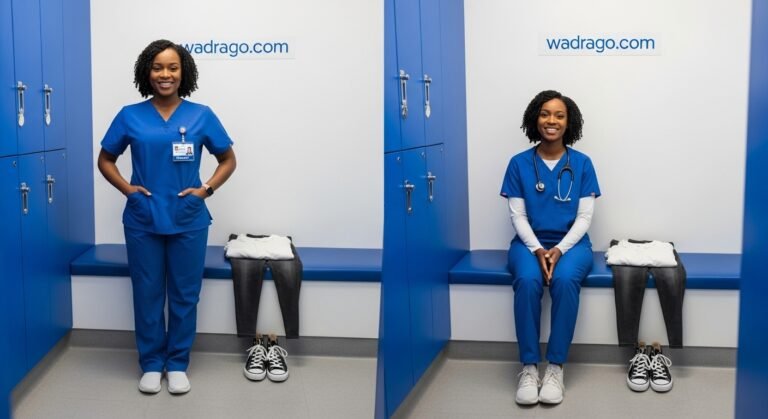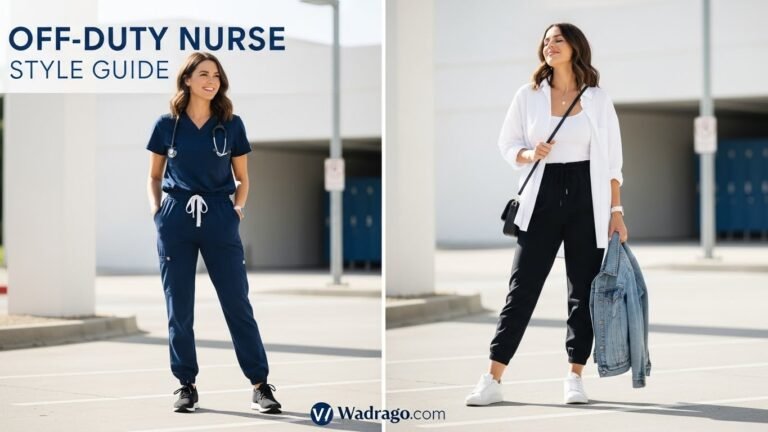

Discover How to Dress as a Nurse on Days Off Comfortably from a 10-year nursing veteran—expert tips on rest day outfits, recovery wear, and post-shift relaxation style for healthcare professionals.
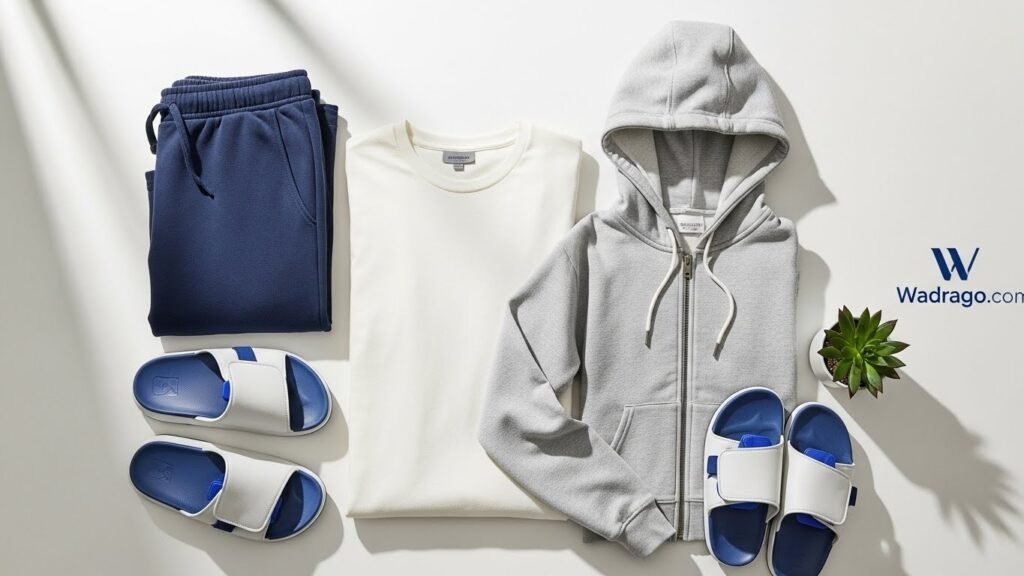
Table of Contents
<a name=”introduction”></a>
Introduction: Beyond the Scrubs
It’s 7:30 AM on a Saturday—my first day off after five consecutive 12-hour shifts in the ICU. I’m standing in front of my closet, still feeling the phantom weight of my stethoscope around my neck, my feet remembering every step of those 15,000+ daily paces on hospital floors. My body is craving something completely different from the structured, clinical attire I’ve worn all week. Yet, I find myself reaching for the same worn joggers and oversized t-shirt I’ve been wearing on every day off for the past three years.
Sound familiar?

After a decade of nursing across Emergency Rooms, Pediatrics, ICU, and General Ward settings, I’ve learned that comfortable clothing choices for nurses’ days off aren’t just about fashion—they’re about recovery, mental health, and physical restoration. The clothes we wear during our precious rest days significantly impact our ability to decompress from the high-stress medical environment and prepare our bodies and minds for the next shift cycle.
Research indicates that healthcare professionals experience elevated cortisol levels that persist 24-48 hours after intense clinical shifts, affecting everything from sleep quality to muscle tension. What we wear during this critical recovery window can either support or hinder our body’s natural restoration processes.
In this comprehensive guide, I’ll share evidence-based insights and practical recommendations for building a comfortable off-duty wardrobe that supports your physical recovery, mental decompression, and personal style. Drawing from my clinical experience and occupational health research, we’ll explore how to dress for rest days in ways that honor both your professional identity and your need for genuine relaxation.
Whether you’re a nursing student planning your first wardrobe beyond clinical rotations, an experienced RN seeking to upgrade your rest-day style, or a healthcare professional looking to optimize recovery between shifts, this guide will help you make informed, comfortable clothing choices that serve your unique needs.
<a name=”why-recovery-matters”></a>
Why Comfortable Clothing Matters for Nurses’ Recovery
The Physical Toll of Clinical Nursing
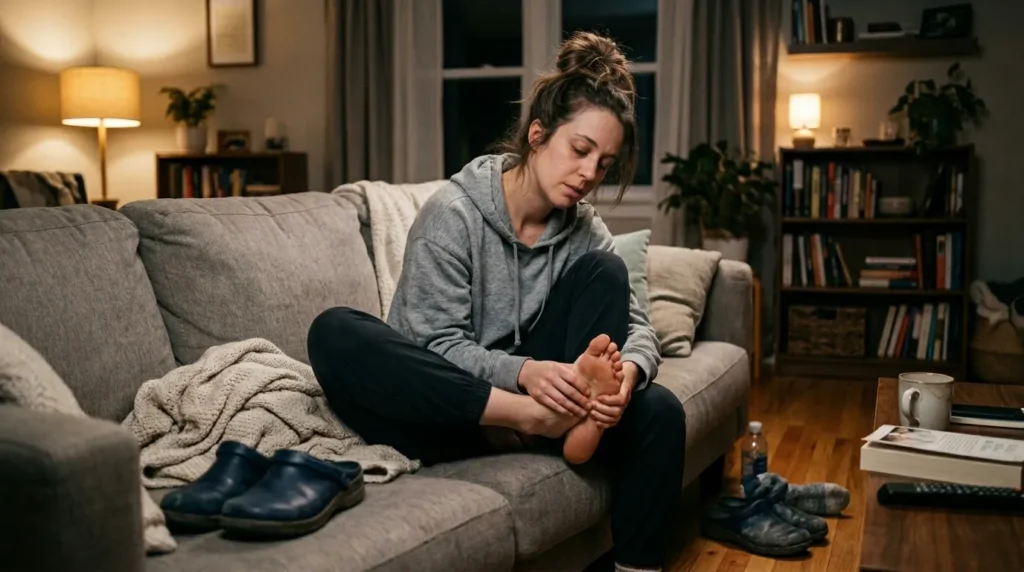
Healthcare professionals face unique occupational demands that extend far beyond the visible 12-hour shift. During my years rotating through different hospital departments, I’ve witnessed firsthand how the cumulative physical stress affects nurses’ bodies in ways that civilian professions rarely experience. Nurses working in demanding acute care settings face substantial physical workloads combined with intense emotional regulation requirements, creating a unique occupational burden. Research demonstrates that nurses experience a significant increase in fatigue throughout their shifts, with night shift workers experiencing even greater fatigue accumulation than day shift workers.
The physical demands translate directly into measurable bodily stress. During a typical 12-hour shift in the Emergency Department, I average between 12,000-18,000 steps—that’s approximately 6-9 miles of walking, often while carrying equipment, assisting with patient transfers, performing CPR, or rushing between critical situations. My feet, legs, back, and shoulders bear the brunt of this physical intensity, absorbing impact on hard hospital floors while maintaining awkward positions during procedures.
Beyond the visible physical toll, chronic stress in nursing can lead to physiological changes that increase disease susceptibility, even when nurses don’t consciously report feeling stressed due to workplace acclimatization.
Psychological Decompression and Recovery
The psychological demands of nursing create an equally significant need for recovery. Each shift involves managing life-or-death decisions, processing trauma and grief, maintaining empathetic connections with suffering patients and families, and navigating complex interpersonal dynamics with colleagues and physicians—all while maintaining clinical precision.
During my ICU rotations, I learned that the psychological weight doesn’t simply disappear when we clock out. The hypervigilance required to monitor critically ill patients, the adrenaline surges from rapid response situations, and the emotional labor of comforting grieving families create a state of sustained arousal that persists well beyond our shifts.
The Clothing-Recovery Connection
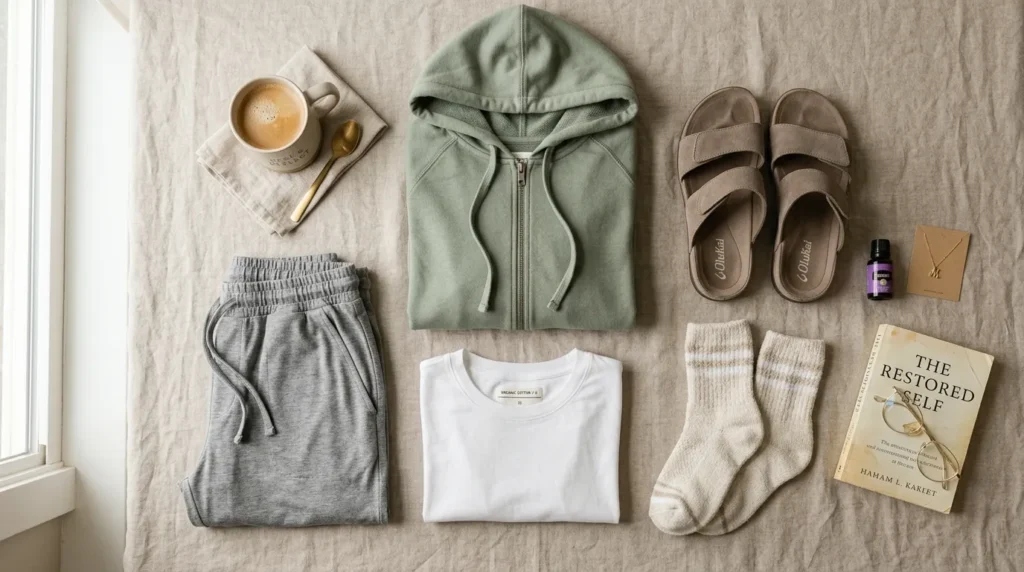
This is where comfortable clothing choices become medically relevant rather than merely aesthetic. What we wear during recovery periods directly influences several physiological and psychological processes:
Circulatory Recovery: After hours of standing and walking, our circulatory systems need support to reduce venous pooling and promote lymphatic drainage. Restrictive waistbands, tight clothing, or unsupportive fabrics can impede this natural recovery process.
Muscle Tension Release: Clinical work creates chronic tension patterns in specific muscle groups—particularly the trapezius, lower back, calves, and feet. Clothing that allows unrestricted movement and doesn’t create pressure points facilitates muscle relaxation and recovery.
Nervous System Regulation: The transition from a high-stress clinical environment to a rest state requires downregulation of the sympathetic nervous system. Comfortable, non-restrictive clothing provides tactile feedback that signals safety to our nervous system, facilitating the shift to parasympathetic dominance necessary for true rest.
Temperature Regulation: Nurses frequently experience disrupted thermoregulation due to the physical exertion of our work, combined with the temperature-controlled hospital environment. Breathable, adaptable clothing helps restore normal thermal homeostasis during recovery periods.
Psychological Boundaries: Perhaps most significantly, what we wear on days off creates a psychological boundary between our professional and personal identities. Deliberately choosing comfortable, non-medical attire helps signal to our brains that we’re in recovery mode, not work mode.
<a name=”science-behind-comfort”></a>
The Science Behind Comfort: A Medical Perspective
Fabric Properties and Skin Health
After years of wearing medical-grade scrubs designed for infection control rather than comfort, I’ve developed a keen appreciation for how fabric properties affect our bodies during recovery periods. The science of textile comfort involves multiple factors that directly impact physiological recovery.
Breathability and Moisture Management
The concept of breathability in textiles refers to a fabric’s ability to allow air circulation and moisture vapor transmission away from the skin. Breathable fabrics with effective moisture absorption and rapid drying capabilities are crucial for workwear and various protective clothing types, as they enable cooling through perspiration and evaporation.
For nurses recovering from physically demanding shifts, breathable fabrics serve several critical functions. During clinical work, our bodies generate significant heat and perspiration. Even after clocking out, our thermoregulation systems remain slightly dysregulated for hours. Clothing that facilitates air circulation helps restore normal thermal balance more quickly.
Fabric Choice Impacts on Skin Health
After years of wearing moisture-trapping polyester scrubs, many nurses develop chronic skin irritation, particularly in high-friction areas. Moisture-wicking fabrics help prevent bacterial and fungal growth by drawing sweat away from the skin, which is especially beneficial for people prone to skin irritation, rashes, and infections.
Compression and Circulatory Recovery
One aspect of comfortable off-duty dressing that healthcare professionals often overlook is the importance of graduated compression reduction. During 12-hour shifts, many nurses wear compression socks to combat venous pooling and reduce leg fatigue. However, transitioning immediately to completely non-compressive clothing can sometimes cause discomfort as circulation adjusts.
I’ve learned through personal experience that moderate compression—not clinical-grade but more supportive than completely loose clothing—can ease this transition. Think supportive leggings rather than compression stockings, or well-fitted jeans rather than restrictive shapewear.
The key principle is avoiding extremes: no tight waistbands that create pressure points, but also not exclusively wearing completely shapeless garments that provide no structural support. Our bodies respond well to gentle, evenly distributed support that doesn’t restrict movement or create localized pressure.
Psychological Comfort and Sensory Processing
The tactile experience of clothing directly influences our nervous system’s state. After spending hours in clinical attire—stiff collars, badges pulling on fabric, pockets weighed down with equipment—our skin craves different sensory input.
Soft, natural textures provide what occupational therapists call “proprioceptive feedback” that helps calm an overstimulated nervous system. This isn’t just about luxury; it’s about neurological recovery. The sensation of comfortable fabric against skin sends signals to the brain that we’re safe, that we’re no longer in the high-alert clinical environment.
<a name=”essential-categories”></a>
Essential Comfortable Clothing Categories for Nurses’ Days Off
Building a functional rest-day wardrobe doesn’t require a massive investment or complete closet overhaul. Instead, focus on key categories that address specific recovery needs while allowing for personal style expression.
Foundational Basics: The Recovery Essentials
Supportive Loungewear
Quality loungewear serves as the foundation of any nurse’s off-duty wardrobe. I’m not talking about threadbare pajamas you’ve owned since nursing school, but intentionally chosen pieces that support your body’s recovery needs.
Look for:
- Mid-weight cotton or bamboo blend joggers with a soft, non-restrictive elastic waistband (avoid drawstrings that create pressure points)
- Relaxed-fit crew neck or V-neck tops in breathable fabrics that don’t cling to tired, potentially inflamed skin
- Lightweight cardigans or zip-up hoodies for easy temperature regulation without the constriction of pullover styles
The best loungewear for nurse recovery combines structure with softness. You want pieces that look intentional—not like you’ve given up—while providing maximum physical comfort.
Our feet deserve special consideration. After logging miles on hard hospital floors in nursing shoes designed for function over comfort, transitioning to appropriate recovery footwear is crucial.
For immediate post-shift recovery (first 24 hours):
- Supportive slide sandals with contoured footbeds (brands like Birkenstock, OOfos, or Vionic)
- Open-toe designs allow feet to breathe and reduce pressure on potentially swollen toes
- Avoid completely flat flip-flops that provide no arch support
For general off-duty wear:
- Cushioned sneakers with good arch support for errands or active recovery walks
- Comfortable slip-on styles that don’t require bending over (your back will thank you)
- Wide-toe-box shoes that allow natural toe spreading after hours of confined footwear
Adaptive Layering Pieces
Temperature regulation remains challenging during recovery periods, especially after night shifts when circadian rhythms are disrupted. Build a collection of easy-to-layer pieces:
- Lightweight tank tops or camisoles in moisture-wicking fabrics as base layers
- Loose-fitting button-up shirts that can be worn open over tanks or fully buttoned
- Duster-length cardigans that provide coverage without weight or restriction
- Versatile shackets (shirt-jackets) that bridge the gap between casual and put-together
Transitional Pieces: From Recovery to Re-entry
Not every day off is a complete recovery day. Sometimes we have errands, appointments, or social obligations. Having transitional pieces that maintain comfort while looking polished is essential.
Elevated Comfortable Pants
- High-quality stretch denim with at least 2-3% elastane for give
- Pull-on pants or leggings with structured fabrics that don’t look like activewear
- Wide-leg linen or cotton pants that allow a full range of motion and airflow
- Soft jogger-style pants in elevated fabrics like Tencel or modal that can pass for casual streetwear
Comfortable Dresses and Skirts
Dresses offer the ultimate in ease—no coordinating required, and the loose, flowy styles provide excellent air circulation and freedom of movement.
- T-shirt dress styles in midi or maxi lengths
- A-line or empire waist designs that don’t constrict at the midsection
- Shift dress silhouettes that skim the body without clinging
- Maxi skirts with elastic waistbands paired with simple tops
Active Recovery Wear
Light physical activity—walking, gentle yoga, swimming—significantly aids nurses’ physical recovery by promoting circulation, reducing muscle tension, and supporting mental health.
Performance Fabrics for Movement
- Moisture-wicking athletic leggings with a high, non-rolling waistband
- Breathable tank tops or t-shirts designed for movement
- Supportive sports bras that provide comfort without excessive compression
- Athletic shorts or joggers for outdoor activities
The key difference between workout wear and loungewear is intentionality. Active recovery wear should facilitate movement and wick moisture, while loungewear prioritizes softness and relaxation.
<a name=”top-outfit-combinations”></a>
Top 10 Comfortable Outfit Combinations for Nurse Rest Days
Based on a decade of refining my own off-duty style and conversations with hundreds of nursing colleagues, here are the most practical and comfortable outfit formulas that support recovery while maintaining personal style.
1. The Classic Recovery Day Outfit

Components:
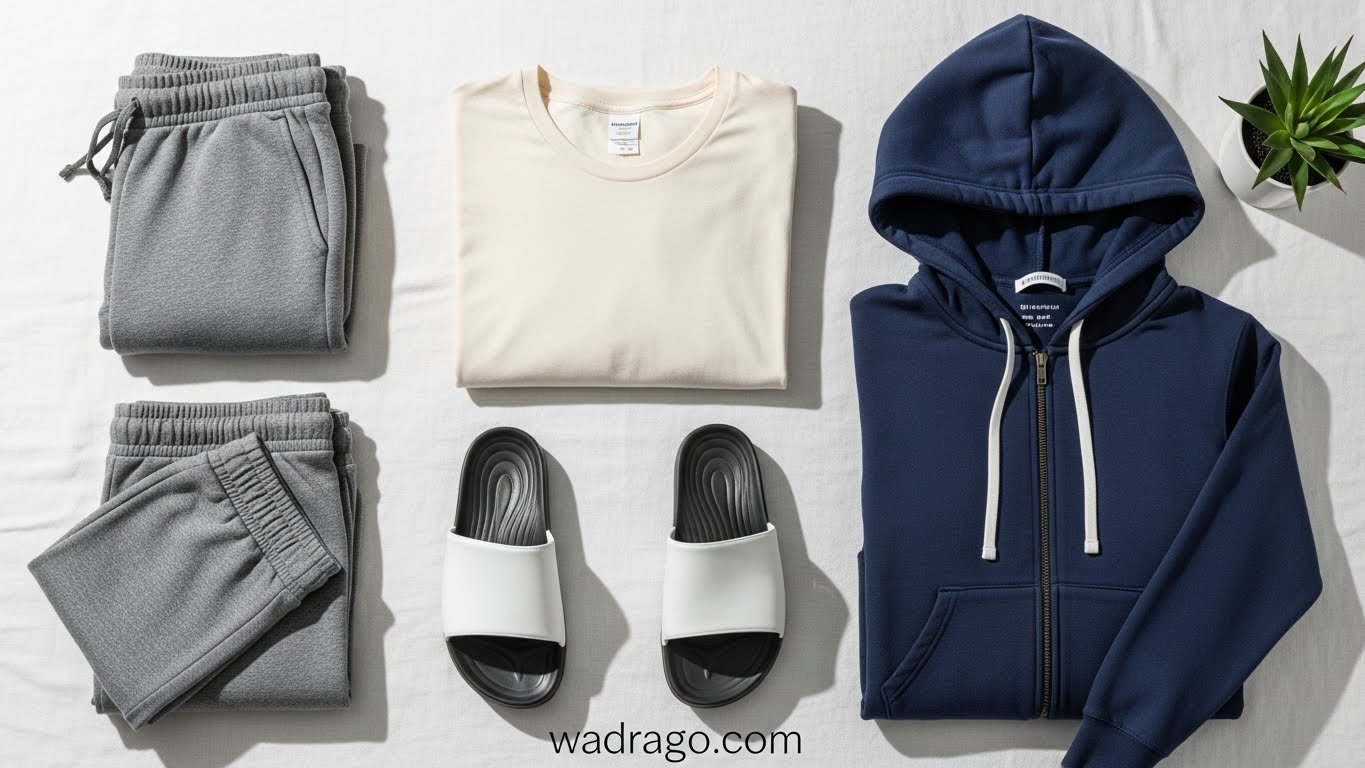
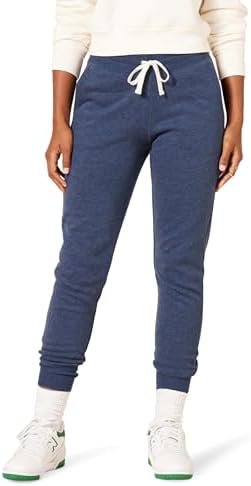
- Soft bamboo or pima cotton joggers in a neutral color (gray, navy, black, cream)
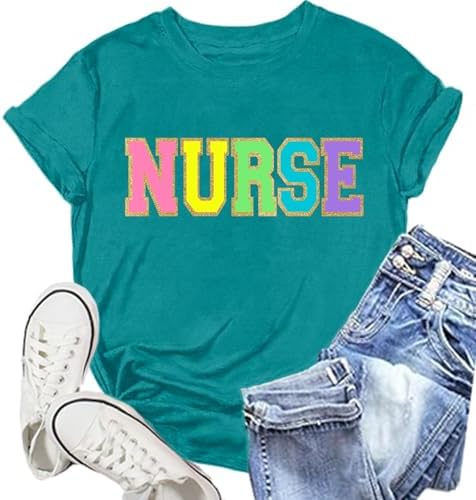
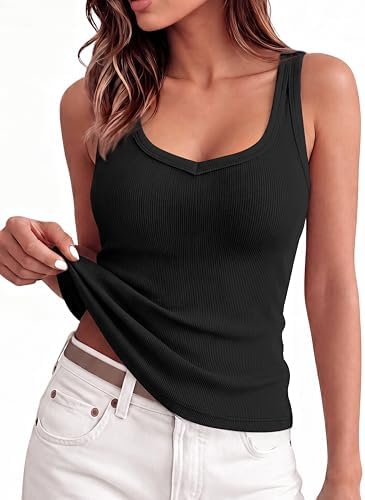
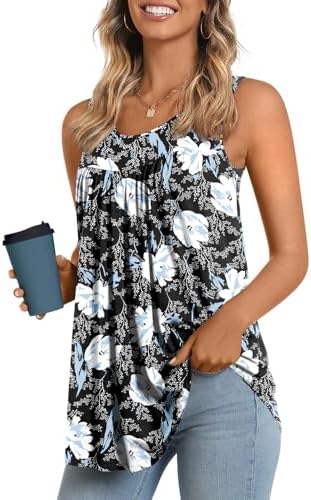
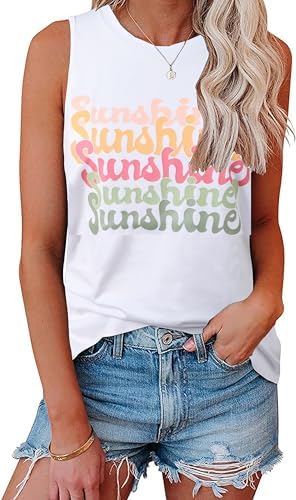
- Loose-fitting organic cotton t-shirt or tank top
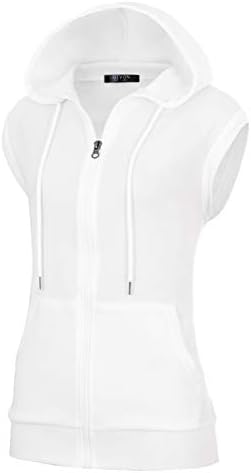
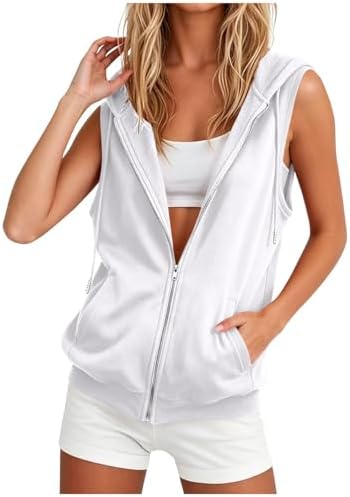
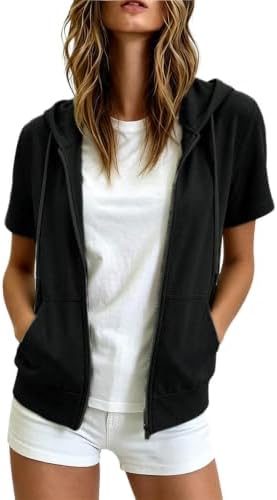
- Lightweight zip-up hoodie
- Supportive slide sandals with arch support
- Minimal accessories
T-shirts for Nurses








Tank top for Nurses



Lightweight zip-up Hoodie for Nurses



Women’s Off-Duty Jogger for Nurses


Why It Works: This combination provides maximum comfort while still looking intentional. The natural fibers allow skin to breathe, the loose fit eliminates pressure points, and the overall look says “I’m resting purposefully” rather than “I’ve completely surrendered.”
Best For: First day off after multiple consecutive shifts, post-night shift recovery, lounging at home
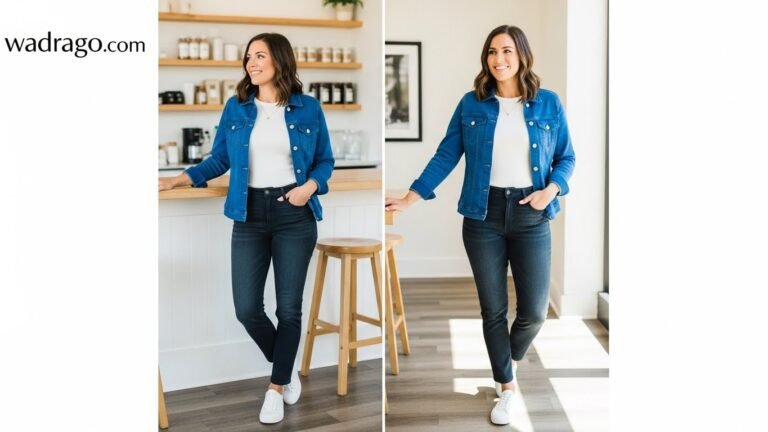
2. The Errands-Ready Comfortable Look

Components:
- Stretch denim jeans or pull-on jeggings in a dark wash
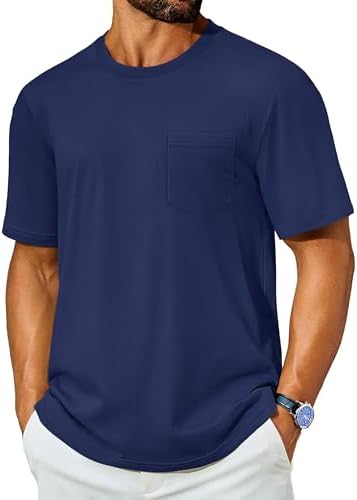
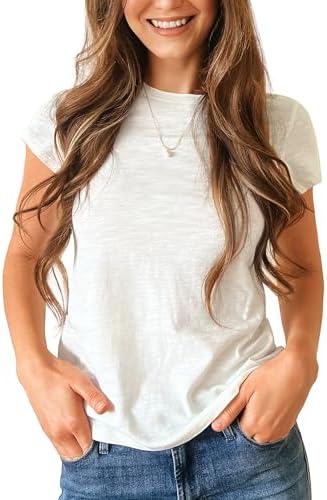
- Soft cotton or modal t-shirt tucked loosely at the front
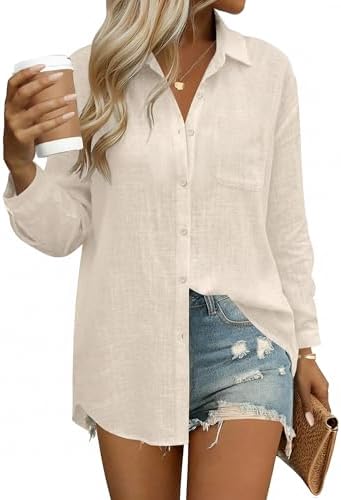
- Oversized linen shirt worn open as a layer
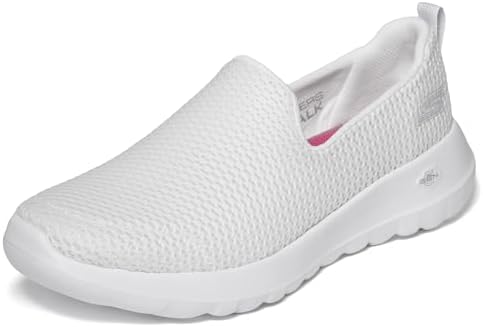
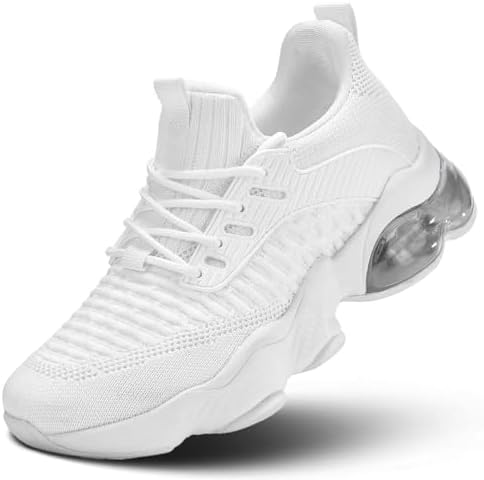
- Clean white sneakers or comfortable slip-on shoes
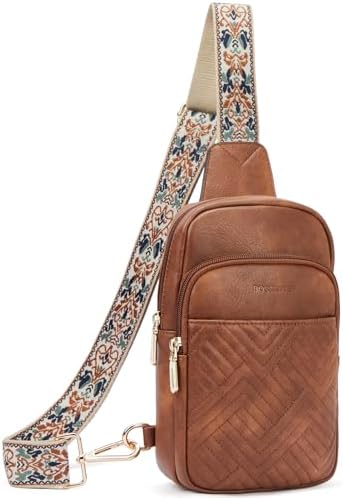
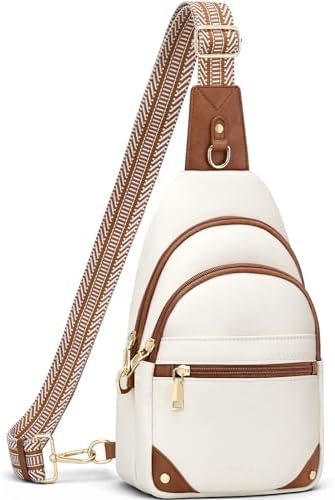
- Crossbody bag for hands-free convenience
Nurse Crossbody bag for hands-free convenience


Clean white sneakers or comfortable slip-on shoes



Oversized linen shirt worn open as a layer




Soft cotton or modal t-shirt tucked loosely at the front



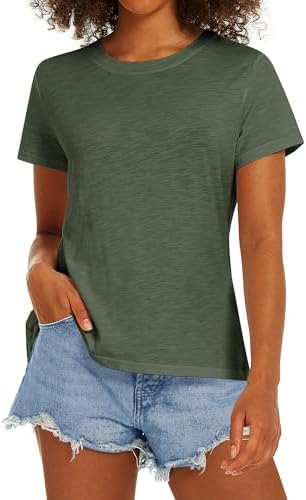


Stretch denim jeans or pull-on jeggings for nurses


Why It Works: This outfit balances comfort with presentability. The stretch in the denim allows a full range of motion, while the loose layering provides options for temperature regulation without looking sloppy.
Best For: Grocery shopping, picking up prescriptions, quick errands when you need to look put-together but feel comfortable
3. The Elevated Comfort Weekend Look

Components:
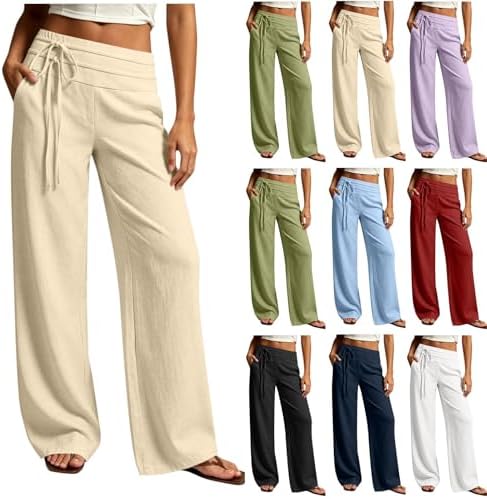
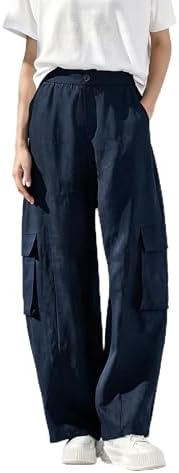
- Pull-on wide-leg pants in linen or Tencel
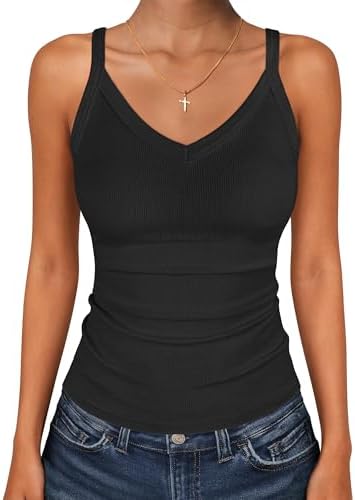
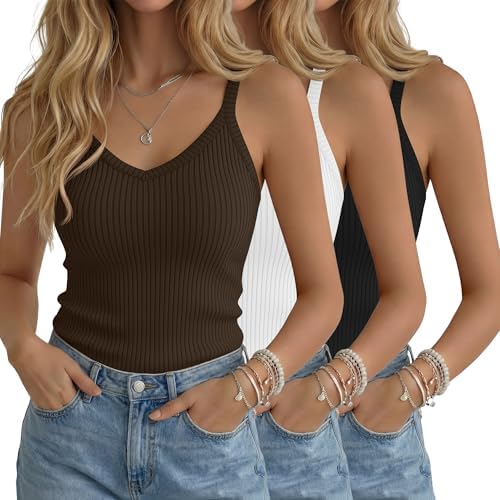
- Fitted ribbed tank top or camisole
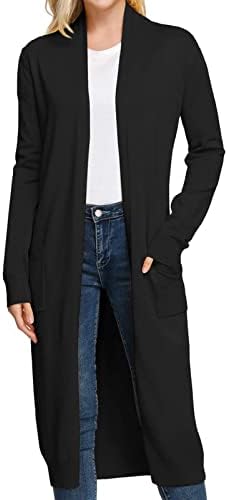
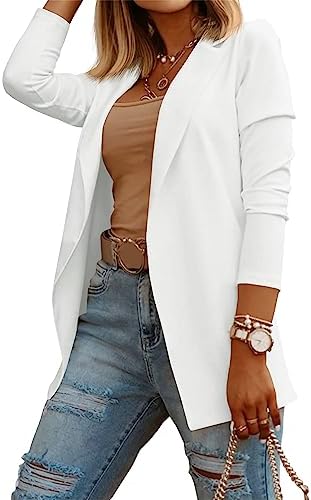
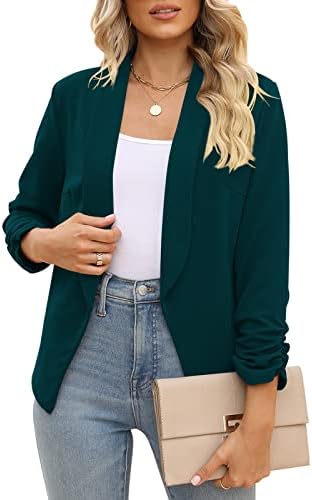
- Structured blazer or long cardigan
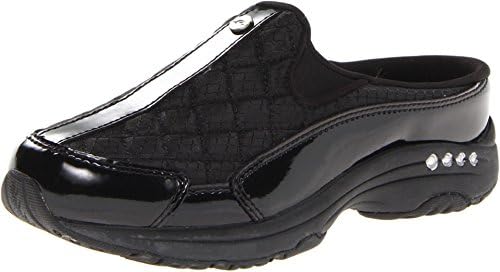
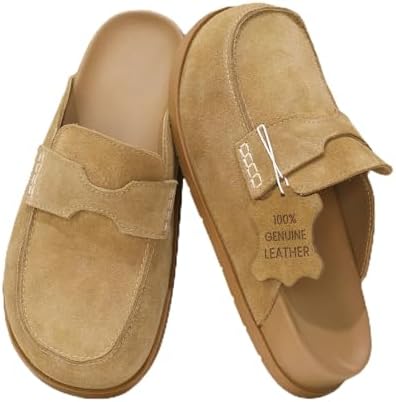
- Leather or suede slip-on mules
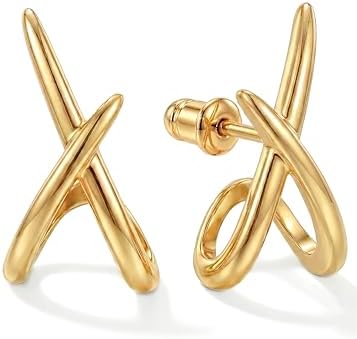
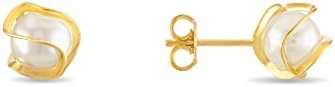
- Simple jewelry (stud earrings, delicate necklace)
Pull-on wide-leg pants in linen or Tencel for nurses


Fitted ribbed tank top or camisole for nurses





Nurses Structured blazer or long cardigan




Leather or suede slip-on mules for nurses



Nurses Simple jewelry (stud earrings, delicate necklace)




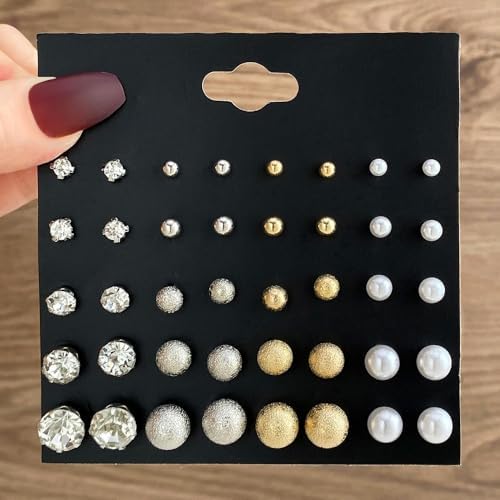


Why It Works: This combination proves comfort doesn’t mean compromising style. The wide-leg pants provide airflow and movement, while the fitted top and structured outer layer create a polished silhouette.
Best For: Brunch with friends, casual dates, coffee meetups, when you want to feel “dressed” without formal constraints
4. The Active Recovery Outfit for Nurses
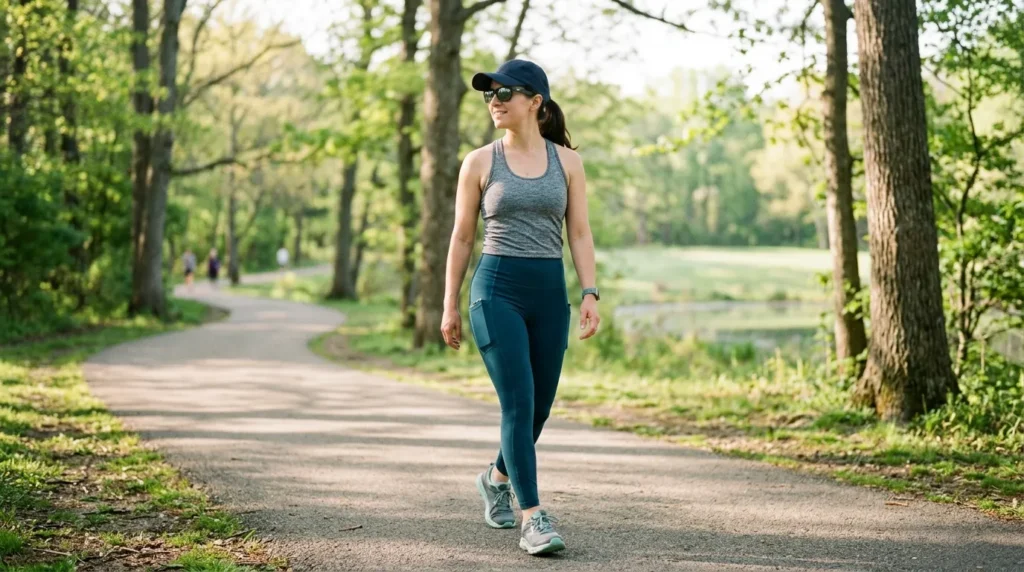
Components:
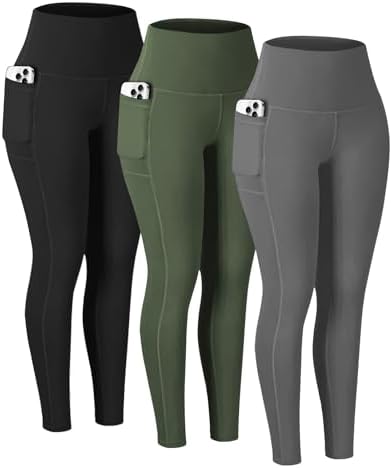
- High-waisted athletic leggings with pockets
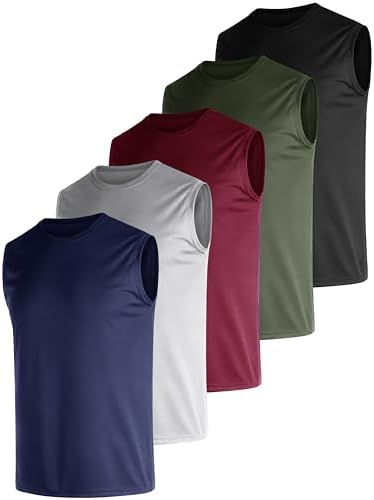
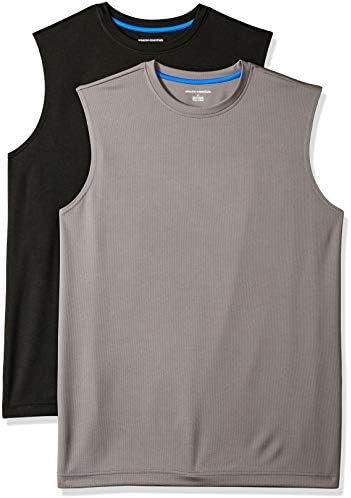
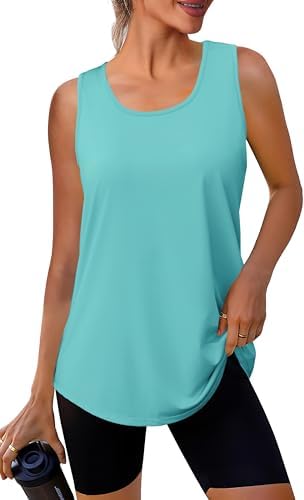
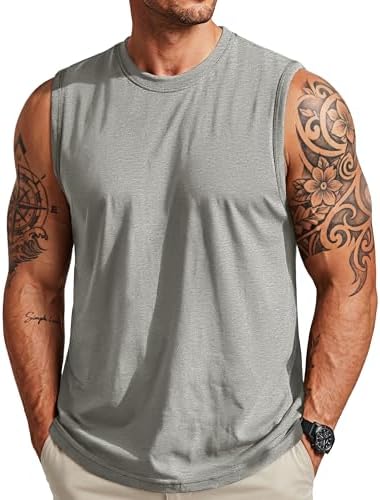
- Moisture-wicking tank top or breathable t-shirt
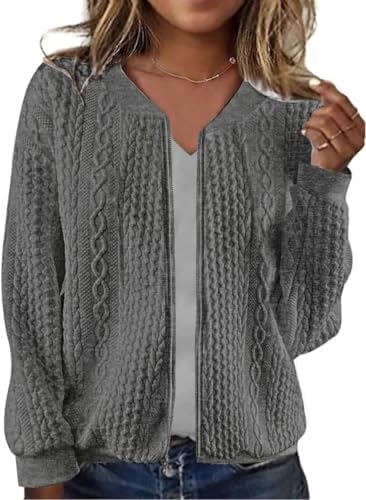
- Lightweight zip-up jacket
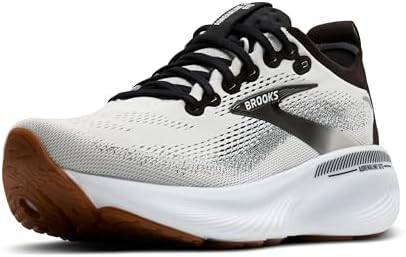
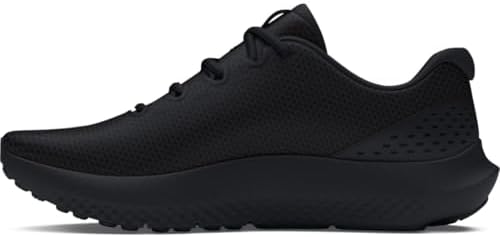
- Cushioned running or walking shoes
- Baseball cap and sunglasses
High-waisted athletic leggings with pockets


Moisture-wicking tank top or breathable t-shirt





Lightweight zip-up jacket




Cushioned running or walking shoes for nurses




Baseball Cap for Nurses off Duty


Sunglasses for Nurses Day Off


Why It Works: Designed specifically for movement, this outfit supports light physical activity that promotes circulation and mental health recovery without the performance pressure of intense workout gear.
Best For: Morning walks, gentle yoga classes, light hiking, bike rides, active recovery sessions
5. The Cozy Reading Day Ensemble
Components:
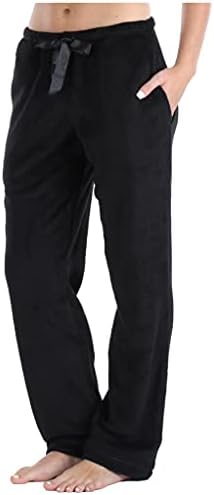
- Soft fleece or French terry lounge pants
- Oversized crew neck sweatshirt or sweater
- Warm socks or slipper socks
- Minimal additional pieces needed
Warm socks or slipper socks for nurses


Oversized crew neck sweatshirt or sweater


Soft fleece or French terry lounge pants

Why It Works: Sometimes, maximum comfort means embracing softness completely. This outfit provides warmth, tactile comfort, and psychological permission to fully rest.
Best For: Cold weather recovery days, post-winter night shifts, reading or streaming marathons, complete rest days
6. The Warm Weather Relaxation Look

Components:
- Flowy linen or cotton midi dress
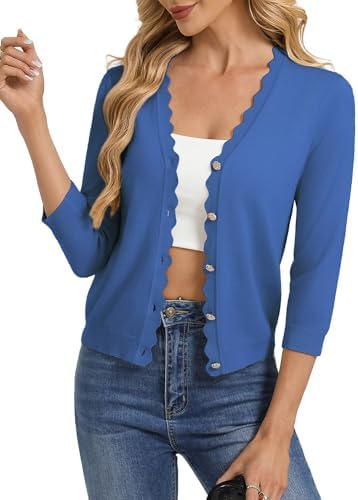
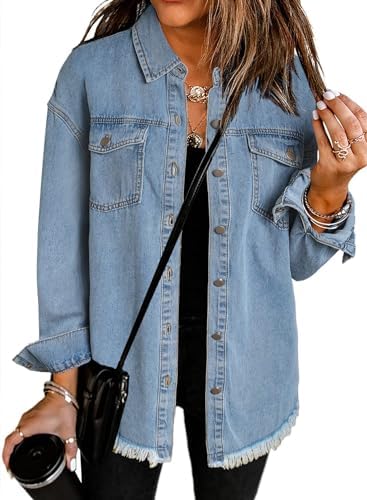
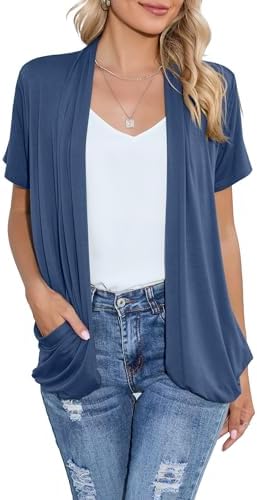
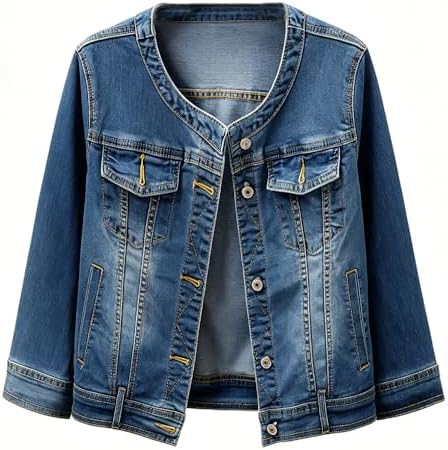
- Lightweight cardigan or denim jacket
- Comfortable flat sandals
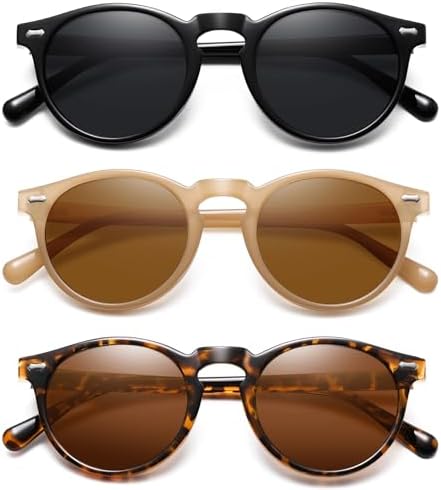
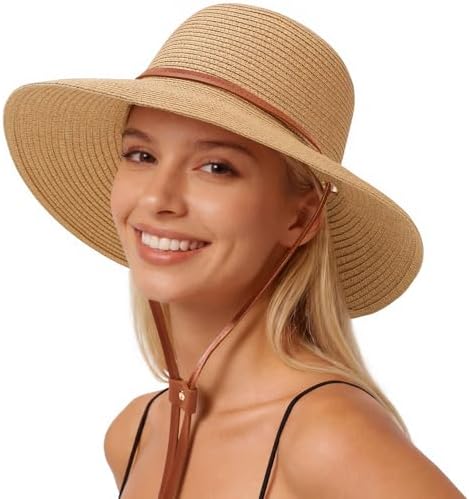
- Wide-brimmed hat and sunglasses
Flowy linen or cotton midi dress for nurses

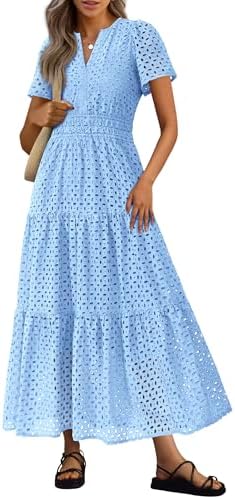

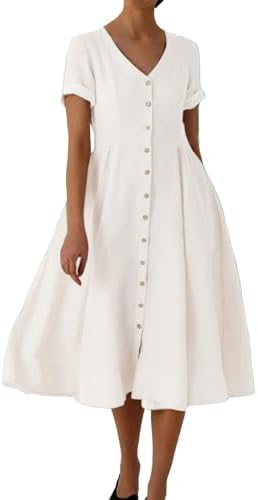


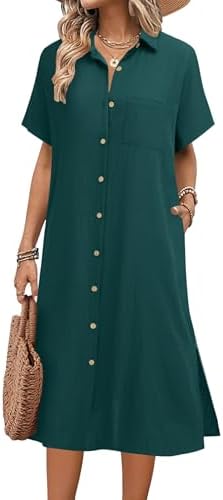
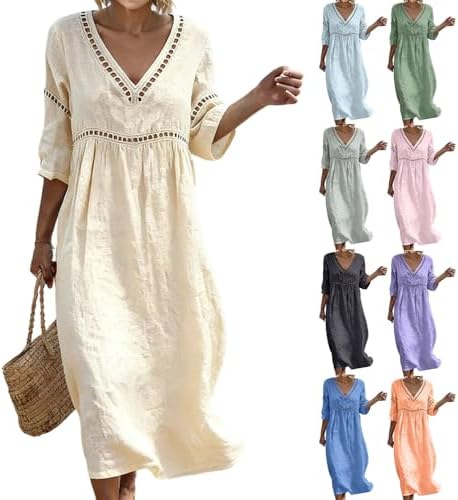
Lightweight cardigan or denim jacket for nurses





Comfortable flat sandals for nurses


Nurses sunglasses



Wide-brimmed hat for nurses



Why It Works: The single-piece design eliminates waistbands, while natural breathable fabrics keep you cool. The loose silhouette allows maximum air circulation during hot weather recovery.
Best For: Summer days off, outdoor relaxation, patio dining, visiting farmers’ markets
7. The Post-Night Shift Transition Outfit
Components:
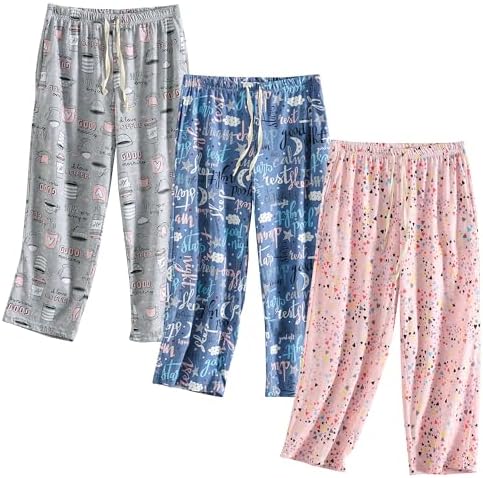
- Soft jersey pajama-style pants or lounge pants
- Loose cotton t-shirt or sleep shirt
- Light robe or kimono-style wrap
- Supportive house slippers or slides
Soft jersey pajama-style pants or lounge pants



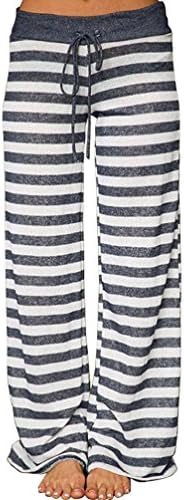

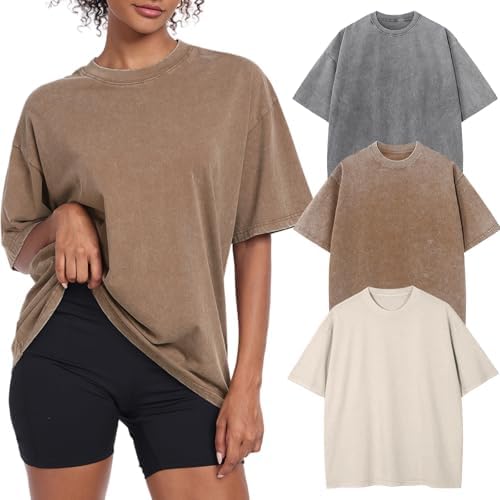
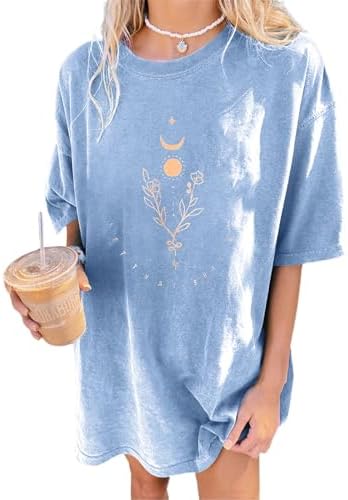
Loose cotton t-shirt or sleep shirt for nurses




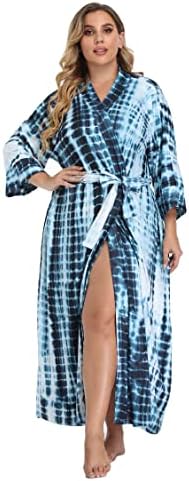
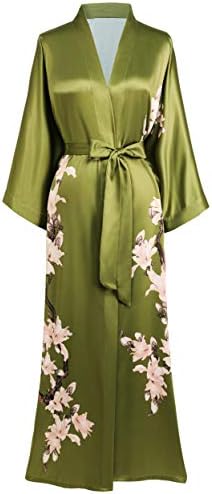
Light robe or kimono-style wrap for nurses

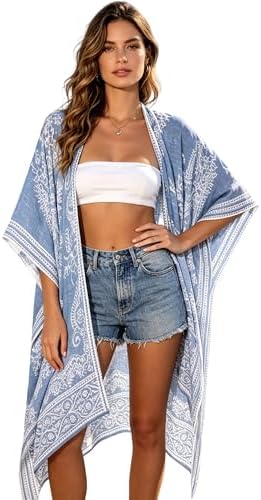

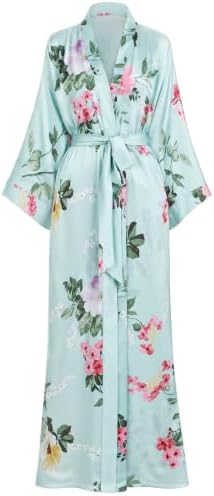


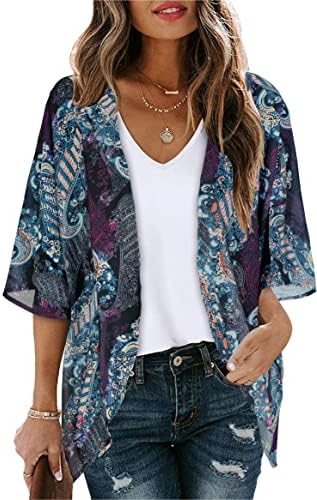
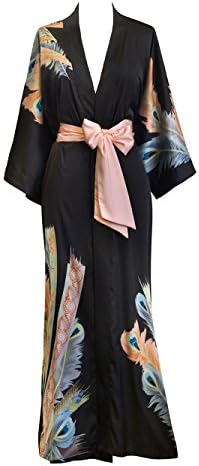
Supportive house slippers or slides for nurses

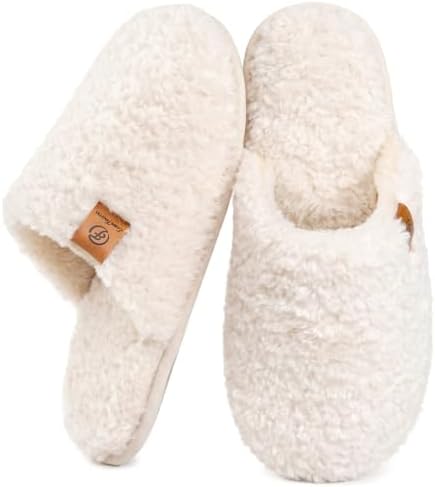

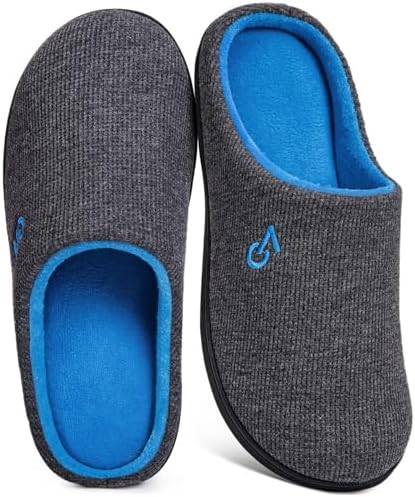


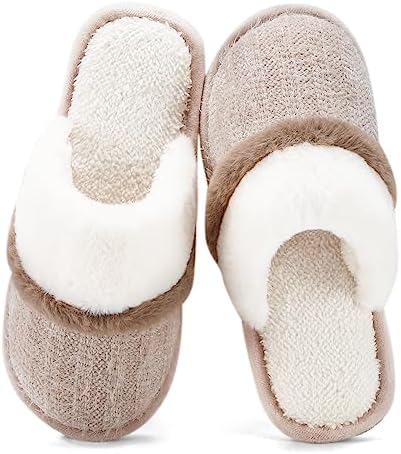

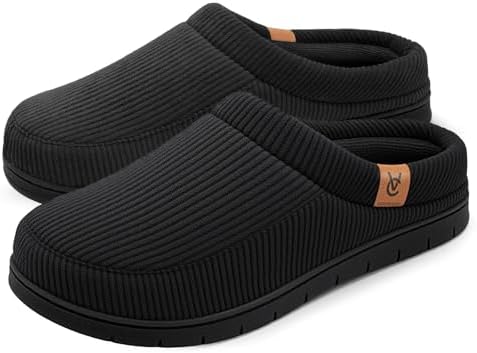

Why It Works: After night shifts, your circadian rhythm is confused. This outfit provides comfort for sleeping/resting while being appropriate if you need to briefly interact with the outside world (accepting deliveries, checking mail).
Best For: Immediate post-night shift, when you need to sleep during daytime hours, or transition from work to rest
8. The Casual Social Gathering Look
Components:
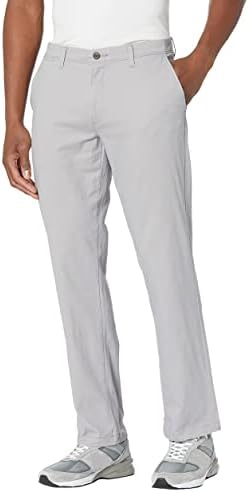
- Stretch jeans or comfortable chinos
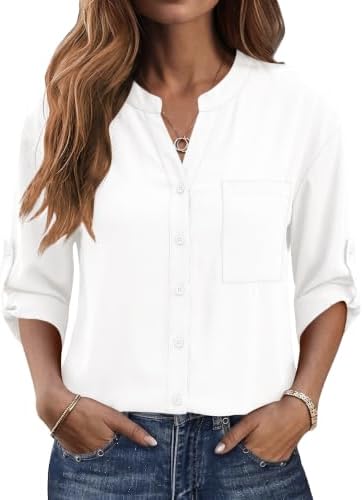
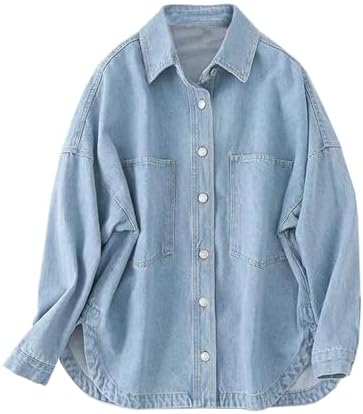
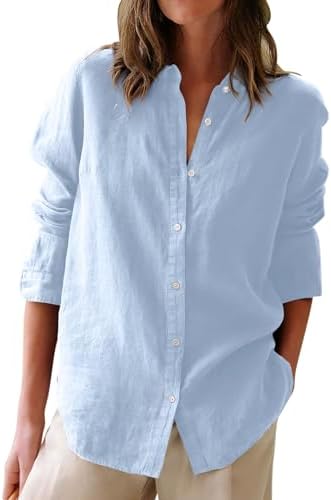
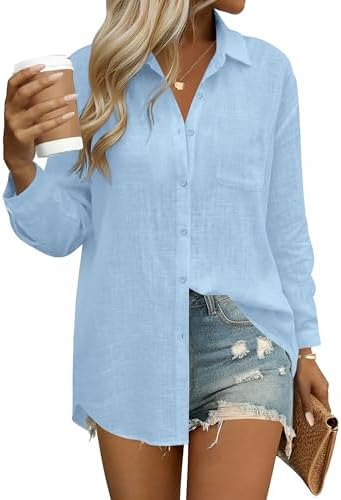
- Soft button-up shirt in chambray or lightweight cotton
- Clean sneakers or casual loafers
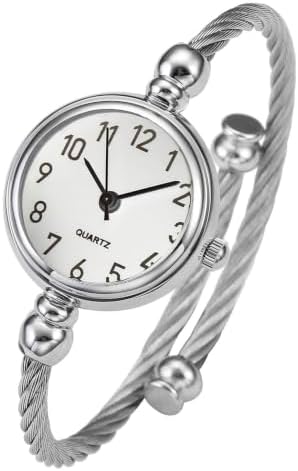
- Minimal accessories (watch, simple bracelet)
Stretch jeans or comfortable chinos




Soft button-up shirt in chambray or lightweight cotton







Clean sneakers or casual loafers


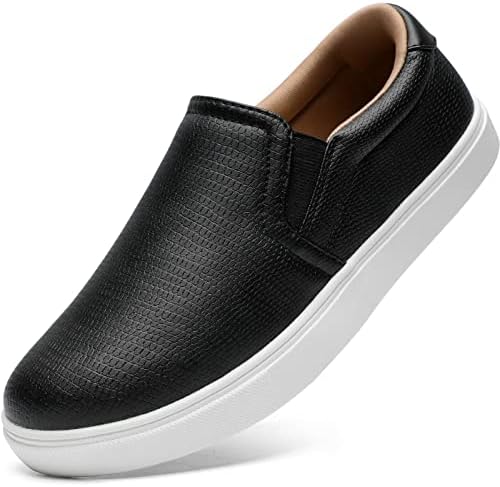


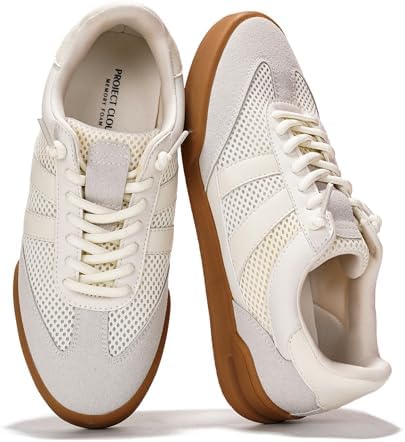
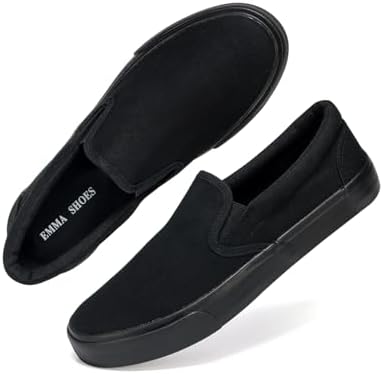
Nurses Minimal accessories (watch, simple bracelet)




Why It Works: This outfit maintains social appropriateness while prioritizing comfort. The stretch in the pants and the breathable shirt fabric support extended sitting or standing without discomfort.
Best For: Casual dinners with family, backyard gatherings, informal social events where you want comfort without looking too casual
9. The Travel/Commute Comfort Outfit
Components:
- Comfortable jogger-style pants in a structured fabric
- Layered tank top and cardigan or pullover
- Supportive walking shoes or sneakers
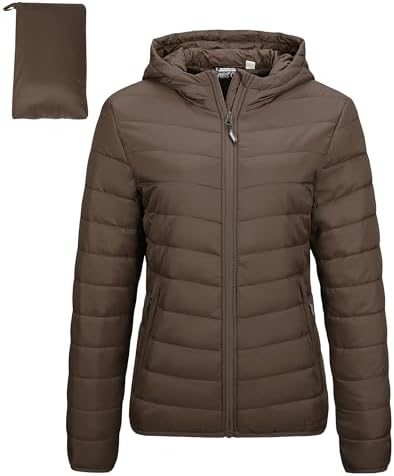
- Packable jacket or wrap
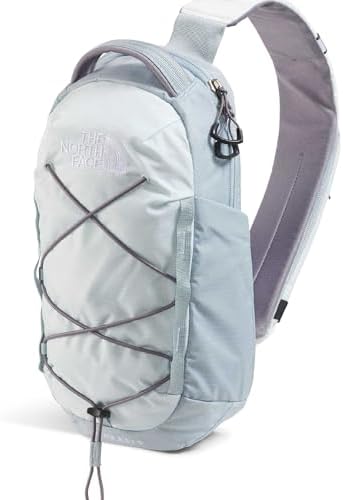
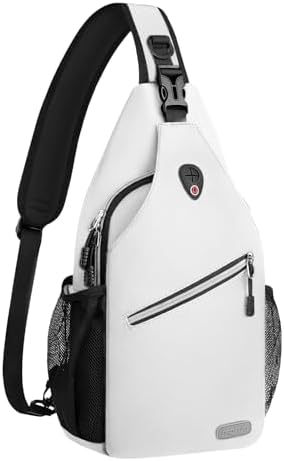
- Practical crossbody or backpack
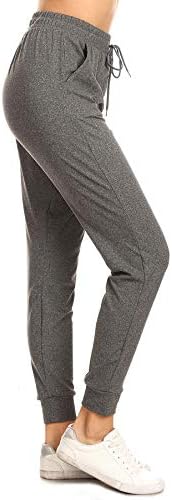
Nurses jogger-style pants in a structured fabric



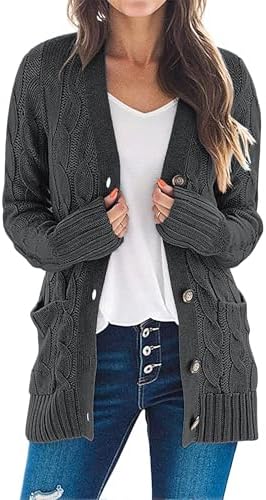
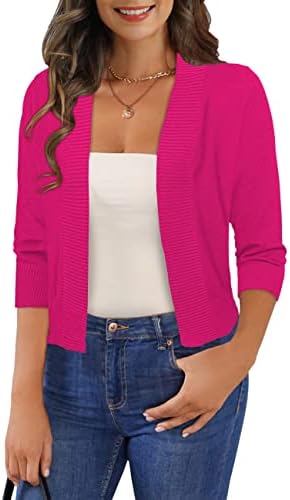
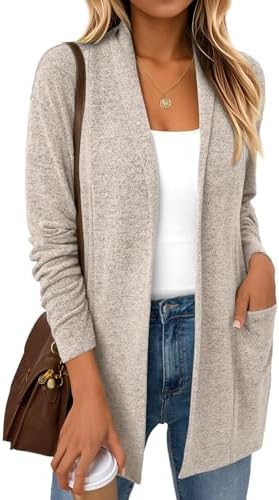
Layered tank top and cardigan or pullover

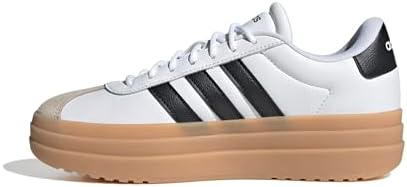
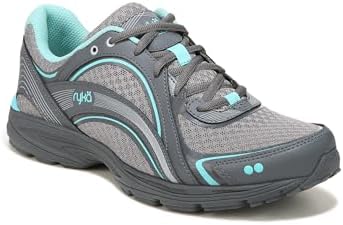
Supportive walking shoes or sneakers for nurses




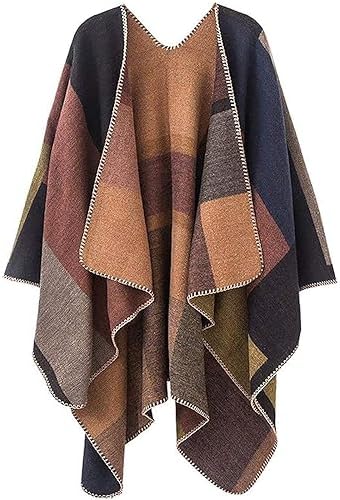
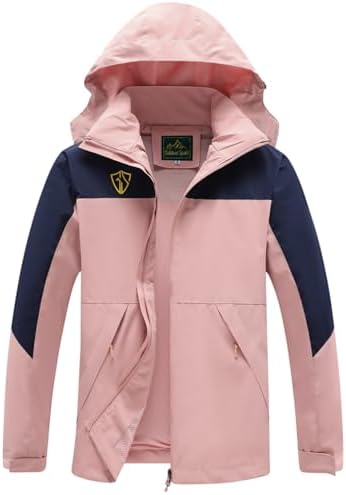
Packable jacket for nurses, wrap for nurses





Practical crossbody or backpack for nurses


Why It Works: Designed for extended sitting and temperature fluctuations, this outfit works for planes, trains, or long car rides. Layers accommodate changing environments, and the overall look remains polished.
Best For: Days when you need to travel to visit family, commuting for educational purposes, or any situation requiring extended sitting
10. The Self-Care Sunday Outfit
Components:
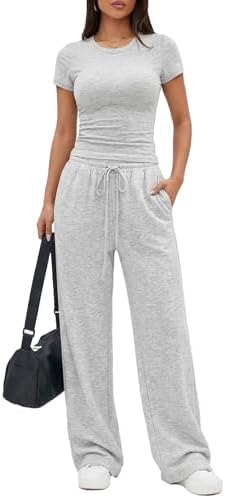
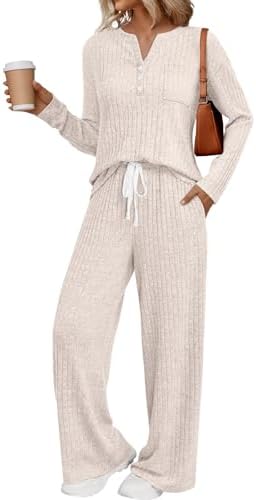
- Matching lounge set (coordinated top and bottom in soft fabric)
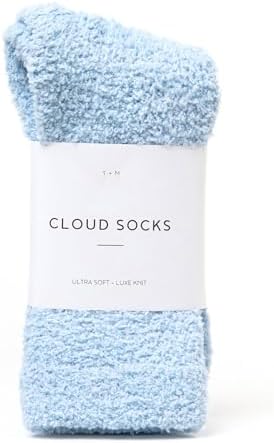
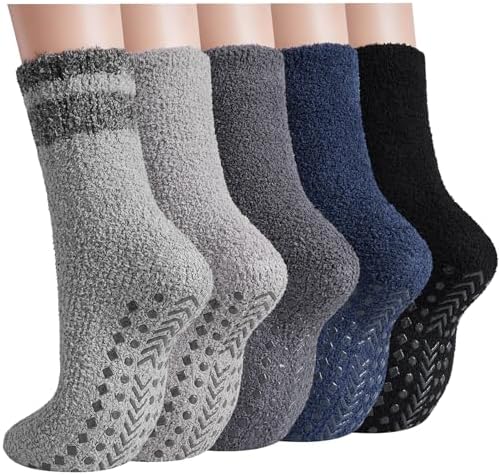
- Cozy socks or slippers
- Lightweight robe for added comfort
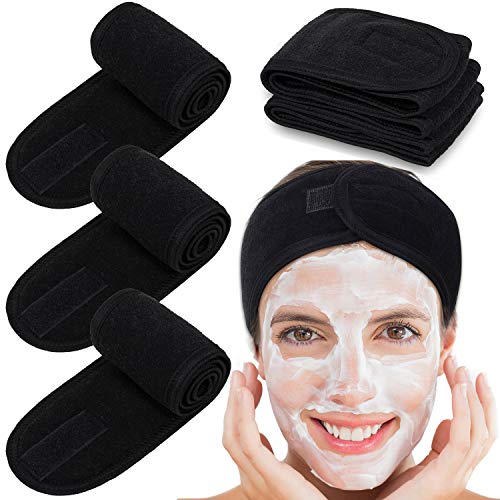
- Hair wrapped in a soft towel or headwrap
Matching lounge set (coordinated top and bottom in soft fabric)



Cozy socks or slippers

Lightweight robe for added comfort


Hair wrapped in a soft towel or headwrap



Why It Works: Coordinated lounge sets provide the psychological benefit of looking “put together” while maintaining maximum physical comfort. Perfect for days dedicated entirely to recovery and self-care activities.
Best For: At-home spa days, deep cleaning and organizing, meal prep sessions, dedicated rest and recovery days
<a name=”fabric-selection”></a>
Fabric Selection: What Your Body Needs After Clinical Shifts
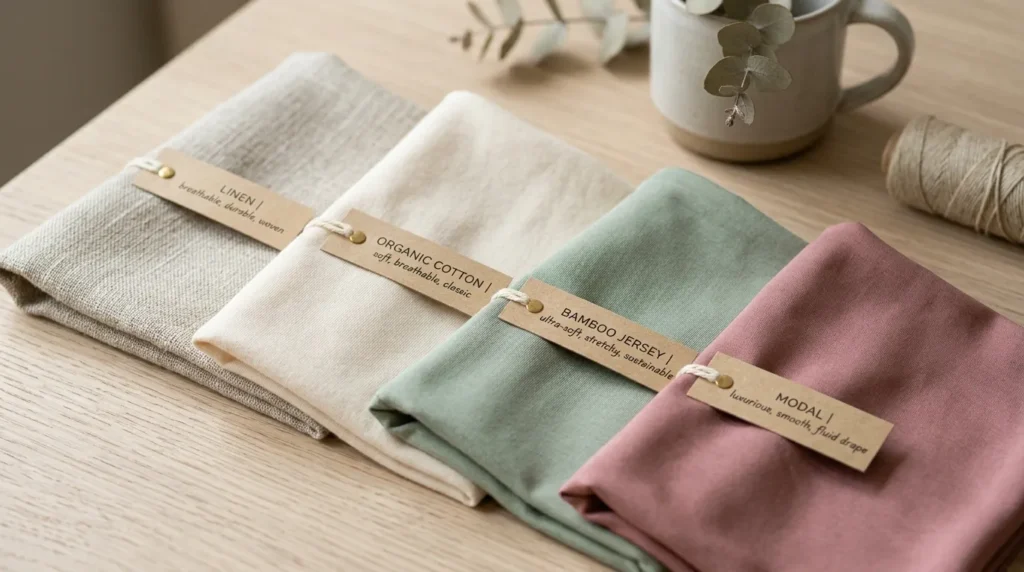
Understanding fabric properties transforms shopping from a guessing game into an informed decision-making process. Not all “comfortable” fabrics serve nurses’ specific recovery needs equally.
Natural Fibers for Skin Recovery
Cotton (Organic or Pima)
Cotton remains the gold standard for everyday comfort, but quality matters significantly. Organic cotton and long-staple varieties like Pima or Supima offer superior softness and durability compared to standard cotton.
Benefits for nurses:
- Highly breathable, allowing excellent air circulation
- Hypoallergenic and gentle on skin that may be irritated from repeated handwashing and sanitizer use
- Absorbs moisture readily (though doesn’t wick it away as effectively as synthetic performance fabrics)
- Softens with washing rather than degrading
- Feels psychologically comforting and familiar
Limitations:
- Retains moisture rather than wicking it away, which can be problematic if you’re still experiencing temperature regulation issues
- Can wrinkle easily, though this is a minor concern for recovery wear
- Takes longer to dry after washing
Best applications: Basic t-shirts, casual button-ups, lightweight pants, everyday dresses
Bamboo Viscose/Rayon
Bamboo-derived fabrics have gained popularity in recent years, and for good reason—they combine the softness of natural fibers with some performance characteristics of synthetics.
Benefits for nurses:
- Exceptionally soft with a silky feel against the skin
- Naturally moisture-wicking and more absorbent than cotton
- Antibacterial and odor-resistant properties
- Excellent temperature regulation
- Biodegradable and often marketed as eco-friendly
Considerations:
- The manufacturing process can be chemical-intensive despite the natural source material.
- May be less durable than cotton with repeated washing
- Often requires gentle care to maintain properties
- Can be more expensive than conventional cotton
Best applications: Loungewear, pajamas, base layers, underwear, socks
Linen
Linen deserves special mention for warm-weather recovery wear. Made from flax fibers, linen has been prized for millennia for its cooling properties and durability.
Benefits for nurses:
- Exceptional breathability—one of the most breathable natural fibers available
- Naturally wicks moisture and dries quickly
- Becomes softer with each washing
- Naturally resistant to bacteria and fungi
- Provides a cooling sensation on the skin
Considerations:
- Wrinkles easily and significantly—this is part of linen’s charm, but may not suit everyone.
- Can feel slightly stiff when new
- The initial cost can be higher than cotton
- May require more careful washing and care
Best applications: Summer dresses, wide-leg pants, button-up shirts, lightweight layers
Merino Wool
While we often associate wool with winter warmth, fine Merino wool is actually a year-round performance fiber with remarkable properties.
Benefits for nurses:
- Excellent temperature regulation—keeps you cool when warm, warm when cool
- Superior moisture management—can absorb significant moisture without feeling wet
- Naturally antimicrobial and odor-resistant (can be worn multiple times without washing)
- Soft enough for direct skin contact (unlike traditional wool)
- Elastic and retains shape well
Considerations:
- More expensive than most other fiber options
- Requires more careful washing (though modern Merino is often machine-washable)
- Some individuals still experience sensitivity despite fine fibers
- Can pill with friction in high-wear areas
Best applications: Base layers, socks, leggings, lightweight sweaters, athletic recovery wear
Synthetic and Blended Fibers for Performance
Modal and Tencel (Lyocell)
These semi-synthetic fibers derived from beechwood are manufactured using more environmentally conscious processes than traditional rayon. They’ve become increasingly popular in premium loungewear and everyday clothing.
Benefits for nurses:
- Extremely soft—often described as having a silky, luxurious feel
- Excellent moisture management
- Resists shrinkage and fading
- Drapes beautifully on the body
- More eco-friendly production than conventional rayon
Considerations:
- Can be delicate and prone to pilling in some applications
- May require gentle washing cycles
- Higher price point than basic cotton
- Can be less durable in high-abrasion areas
Best applications: Lounge sets, pajamas, dresses, t-shirts, underwear
Performance Synthetic Blends
Modern activewear fabrics combine polyester, nylon, spandex, and elastane in various ratios to create high-performance textiles.
Benefits for nurses:
- Superior moisture-wicking capabilities
- Quick-drying properties
- Excellent stretch and recovery (maintains shape)
- Durable and resistant to fading
- Often includes UV protection
Considerations:
- Can retain odors more than natural fibers
- Some people find synthetic fabrics less comfortable against the skin
- Not as breathable as natural fibers in static situations
- Environmental concerns regarding microplastic shedding during washing
Best applications: Active recovery wear, athletic leggings, sports bras, performance socks
Cotton-Synthetic Blends
The combination of cotton’s comfort with synthetic fibers’ performance creates versatile everyday fabrics.
Benefits for nurses:
- Balances breathability with moisture management
- More wrinkle-resistant than 100% cotton
- Typically, more durable than pure cotton
- Often more affordable than specialty fabrics
- Easier care than many pure natural fibers
Considerations:
- May not excel in any single property compared to specialized fabrics
- Quality varies significantly by blend ratio and construction
- Can still retain some moisture like cotton
Best applications: Everyday t-shirts, casual pants, basic dresses, general loungewear
Fabric Weight Considerations
Beyond fiber content, fabric weight significantly impacts comfort:
Lightweight fabrics (2-4 oz per square yard):
- Best for warm weather, immediate post-shift when body temperature is elevated
- Examples: Thin cotton jersey, lightweight linen, performance athletic fabrics
- Provide maximum breathability and movement
Medium-weight fabrics (4-6 oz per square yard):
- Most versatile for year-round wear
- Examples: Standard cotton t-shirt material, mid-weight French terry, regular denim
- Balance between structure and drape
Heavyweight fabrics (6+ oz per square yard):
- Best for cold-weather recovery days
- Examples: Thick fleece, heavy sweatshirt material, substantial knits
- Provide warmth and psychological comfort through substantial tactile feedback
<a name=”common-mistakes”></a>
Common Style Mistakes Nurses Make on Days Off
Through years of observing my own patterns and discussing wardrobe choices with colleagues, I’ve identified several common mistakes healthcare professionals make when dressing for days off—mistakes that inadvertently compromise recovery and comfort.
Mistake #1: Wearing Exclusively Shapeless Clothing
The Problem: After hours in structured, professional scrubs, many nurses swing to the opposite extreme, wearing only oversized, formless clothing on days off. While comfort is essential, excessively large clothing can actually inhibit movement and fail to provide appropriate support.
The Fix: Choose clothing with intentional design—pieces that have shape and structure without restriction. Look for relaxed fits rather than oversized fits, and select items with thoughtful design elements like princess seams, gentle gathers, or flattering silhouettes that accommodate your body without overwhelming it.
Why It Matters: Wearing well-fitting, comfortable clothes (as opposed to shapeless garments) helps maintain body awareness and supports better posture. It also provides psychological benefits—when we look put-together, even casually, we often feel more capable and motivated for recovery activities.
Mistake #2: Ignoring Footwear Recovery
The Problem: Many nurses immediately switch to completely flat, unsupportive footwear after shifts, thinking this gives their feet maximum rest. However, feet that have been compressed in nursing shoes for 12+ hours often need transitional support rather than zero support.
The Fix: Invest in supportive recovery footwear designed specifically for post-activity comfort. Brands like OOfos, Hoka Recovery Slides, and Birkenstock provide contoured support that helps feet transition from work shoes to complete rest. Gradually reduce support over your days off rather than eliminating it immediately.
Why It Matters: Your feet contain thousands of nerve endings and multiple reflex zones. Proper support during recovery helps realign foot structure, promotes circulation, and can reduce overall body fatigue. Conversely, completely flat footwear can exacerbate problems like plantar fasciitis that commonly affect nurses.
Mistake #3: Forgetting About Temperature Regulation
The Problem: Nurses often dress in single-layer outfits based on current temperature, forgetting that our thermoregulation remains disrupted for 24-48 hours after intense shifts, especially night shifts. This results in discomfort from being too hot or too cold without easy adjustment options.
The Fix: Always build outfits with strategic layering options. Keep a lightweight cardigan, hoodie, or jacket nearby, even when it seems unnecessary. Choose fabrics that regulate temperature naturally (like merino wool or bamboo) and avoid synthetic fabrics that trap heat.
Why It Matters: Post-shift temperature fluctuations are a real physiological response to disrupted circadian rhythms and stress hormones. Having appropriate clothing options supports your body’s attempt to re-establish thermal homeostasis and prevents the discomfort that can interfere with quality rest.
Mistake #4: Wearing Tight, Restrictive Waistbands
The Problem: After spending hours in elastic-waist scrub pants, many nurses gravitate toward jeans or pants with rigid waistbands on days off, thinking the structure provides a welcome change. However, restrictive waistbands can impede digestion, restrict breathing, and create uncomfortable pressure points on a body that’s still recovering from physical stress.
The Fix: Choose pants with stretch waistbands, drawstring closures, or elastic-back designs that provide structure without constriction. If you prefer the look of traditional jeans, seek out brands that incorporate substantial stretch (at least 2-3% elastane) or feature pull-on designs with hidden elastic waistbands.
Why It Matters: Restrictive waistbands compress the abdomen, potentially affecting digestion and limiting diaphragmatic breathing—both important for recovery. They can also create pressure on the lower back, which is already vulnerable from hours of standing and patient care activities.
Mistake #5: Neglecting Skin Sensitivity Changes
The Problem: Frequent handwashing, alcohol-based hand sanitizers, glove use, and exposure to various chemicals in the hospital environment can temporarily increase skin sensitivity. Yet many nurses don’t adjust their clothing choices to account for this heightened sensitivity.
The Fix: On days immediately following shifts with intense hand hygiene requirements, choose extra-soft natural fibers against skin, avoid rough textures or scratchy labels, and select loose-fitting sleeves that minimize friction against potentially irritated forearms. Keep sensitive skin in mind when choosing fabrics, especially for direct-contact items like shirts and underwear.
Why It Matters: Skin irritation compounds overall discomfort and can distract from recovery. Choosing appropriate fabrics supports skin healing and prevents the development of chronic irritation or contact dermatitis.
Mistake #6: Maintaining the Same Wardrobe Year-Round
The Problem: Some nurses purchase a basic wardrobe of off-duty clothes and wear the same items regardless of season, weather, or their current recovery needs. This one-size-fits-all approach fails to support the body’s changing needs throughout the year.
The Fix: Build a seasonal rotation that addresses specific weather-related challenges. Summer recovery wear should emphasize breathability and cooling properties, while winter clothing should provide warmth without bulk. Transition seasons require versatile layering pieces.
Why It Matters: Seasonal adaptation in clothing choices supports your body’s natural responses to environmental conditions and helps maintain comfortable body temperature during recovery—a key factor in quality rest and physiological restoration.
Mistake #7: Sacrificing Quality for Quantity
The Problem: Budget-conscious nurses sometimes fill their wardrobes with numerous inexpensive items rather than investing in fewer high-quality pieces. This often results in clothing that loses shape quickly, feels uncomfortable after minimal wear, and needs frequent replacement.
The Fix: Adopt a quality-over-quantity approach. Build a smaller wardrobe of well-made, comfortable pieces in versatile colors that can be mixed and matched. Invest in quality basics—especially items that directly contact skin like underwear, socks, and base layers—and supplement with less expensive trend pieces if desired.
Why It Matters: Quality fabrics and construction directly impact comfort and durability. Well-made clothing maintains its shape, softness, and supportive properties through repeated washing—important when you’re wearing and washing items frequently during recovery rotations.
Mistake #8: Ignoring the Psychological Impact of Clothing
The Problem: Some nurses view off-duty clothing purely functionally, not recognizing that what we wear significantly impacts mood, self-perception, and psychological recovery from work stress.
The Fix: Choose clothing that makes you feel good—not just physically comfortable but emotionally uplifting. This might mean selecting favorite colors, patterns that bring joy, or styles that express your personality beyond your professional identity. Balance comfort with aesthetics in ways that feel authentic to you.
Why It Matters: The psychological boundary between work and personal life is crucial for preventing burnout. Clothing serves as a visible, tangible marker of this boundary. Wearing clothes that express your personal style (even while prioritizing comfort) reinforces your identity beyond nursing and supports mental health recovery.
<a name=”expert-tips”></a>
Expert Tips from 10 Years of Nursing Experience
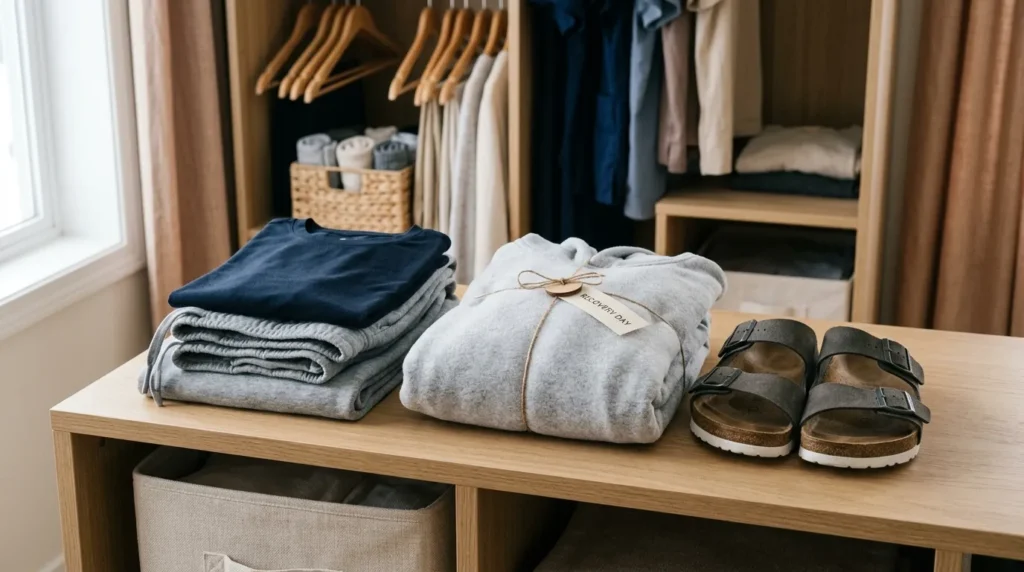
Beyond basic wardrobe building, here are the practical insights I’ve gathered from a decade of clinical nursing across multiple specialties—tips that address real-world challenges nurses face when dressing for days off.
Tip #1: Create a “Recovery Day Uniform”
One of the most helpful strategies I’ve implemented is establishing a consistent “recovery day uniform”—a go-to outfit combination that requires zero decision-making on that exhausted first day off.
How to implement it:
- Select your most comfortable outfit combination (see outfit suggestions earlier)
- Keep these items clean and ready to wear
- Consider purchasing multiples of key pieces in different colors
- Store this outfit separately from other clothes for easy access
Why it works: Decision fatigue is real, especially after mentally demanding shifts. Eliminating clothing decisions on recovery days preserves cognitive resources for actual rest and restoration. My personal recovery uniform is soft black bamboo joggers, a loose gray organic cotton t-shirt, and a navy zip-up hoodie—I own two sets, so one is always clean.
Tip #2: Implement the “First Hour Rule”
The first hour after arriving home from a shift significantly impacts overall recovery quality. I follow what I call the “First Hour Rule” for clothing transitions.
The rule:
- Immediately change out of scrubs into comfortable clothing (even if you plan to shower later)
- Choose something softer and looser than what you wore during your shift
- Focus on comfort over appearance during this transition period
- Allow your body to physically signal to your nervous system that work is over
Why it works: The physical act of changing clothes provides a ritual boundary between work and rest. It signals to your body and mind that you’re transitioning from professional mode to recovery mode, facilitating the downregulation of stress hormones.
Tip #3: Build a Capsule “In-Between” Wardrobe
Not every day off falls neatly into “full recovery mode” or “ready to socialize.” Many days require something in between—comfortable enough for residual fatigue but presentable enough for necessary activities.
How to build it:
- Select 5-7 versatile pieces that bridge comfort and presentability
- Focus on neutral colors that mix easily
- Include at least one “upgrade” option for each category (pants, tops, shoes)
- Ensure every piece is machine-washable and easy to care for
Example capsule:
- Dark stretch jeans
- Black pull-on pants in structured fabric
- White and gray soft cotton t-shirts
- Chambray button-up shirt
- Lightweight cardigan in a neutral color
- Clean white sneakers
- Comfortable slip-on loafers
These seven pieces can create multiple outfits appropriate for errands, appointments, or casual social activities without requiring significant wardrobe decisions.
Tip #4: Prioritize Moisture-Wicking Undergarments
While we focus on outer clothing, undergarments deserve special attention. After years of trial and error, I’ve learned that moisture-wicking underwear and socks specifically designed for athletic performance significantly improve recovery comfort.
Key recommendations:
- Invest in seamless, moisture-wicking underwear (brands like ExOfficio, SmartWool, or specialty athletic brands)
- Choose socks with targeted cushioning and moisture management
- Consider sports bras with comfortable support, even for non-athletic recovery activities
- Replace these items more frequently than fashion clothing, as they work harder
Why it matters: Undergarments are in constant contact with skin and affect comfort more than any other clothing category. Performance undergarments help manage residual temperature regulation issues and prevent the discomfort of trapped moisture or friction.
Tip #5: Schedule “Wardrobe Maintenance Days”
Healthcare professionals often neglect wardrobe care during busy work periods. Implementing scheduled maintenance prevents the common problem of discovering that all your comfortable clothes are dirty when you desperately need them.
The system:
- Designate one day off per month for wardrobe maintenance
- Wash, repair, and organize all off-duty clothing
- Assess what needs replacement
- Remove items that no longer serve you
- Prepare recovery outfits for the upcoming work cycle
Why it works: Proactive wardrobe management eliminates the stress of scrambling for clean, comfortable clothes after exhausting shifts. It’s a form of self-care that your future tired self will deeply appreciate.
Tip #6: Embrace the “Soft Clothes Only” Policy After Night Shifts
Night shifts create unique recovery challenges. After disrupting your circadian rhythm, your body craves maximum comfort to support sleep during daytime hours.
The policy:
- After night shifts, wear only the softest items in your wardrobe
- Prioritize natural fibers like cotton, bamboo, or modal
- Eliminate anything with buttons, snaps, zippers, or hardware that could create pressure points
- Choose loose, non-restrictive fits exclusively
Why it works: Sleep quality after night shifts is already compromised by environmental factors (daylight, daytime noise). Eliminating any potential discomfort from clothing removes one barrier to quality rest.
Tip #7: Create Season-Specific “Recovery Kits”
Different seasons present different recovery challenges. Pre-planning season-appropriate recovery clothing ensures you’re always prepared.
Summer recovery kit:
- Lightweight, breathable dresses or shorts
- Moisture-wicking undergarments
- Cooling fabrics like linen or performance synthetics
- Sun protection items (lightweight long sleeves, hat)
Winter recovery kit:
- Layerable soft pieces for indoor temperature fluctuations
- Warm socks and slippers
- Cozy fleece or French terry loungewear
- Warm but breathable outer layers for necessary outdoor activities
Spring/Fall recovery kit:
- Versatile layering pieces
- Medium-weight fabrics that adapt to temperature changes
- Cardigans, hoodies, and transitional jackets
- Both closed and open-toed shoe options
Tip #8: Apply the “Touch Test” When Shopping
Before purchasing any off-duty clothing, I always apply what I call the “Touch Test.”
How it works:
- Close your eyes and touch the fabric
- If it doesn’t feel immediately pleasant against your fingertips, don’t buy it
- Consider how it will feel after 12+ hours of wear
- Imagine wearing it on your most exhausted day—if it still sounds appealing, it passes
Why it’s effective: This simple test cuts through marketing claims and appearance to focus on actual tactile comfort—the primary consideration for recovery wear.
Tip #9: Maintain a “Somewhere In Between” Shoe Collection
Footwear deserves its own strategic approach. Beyond work shoes and formal shoes, nurses need a specific category of “in-between” shoes—comfortable enough for recovery but appropriate for leaving the house.
Essential in-between shoes:
- Supportive slip-on sneakers (like Skechers Slip-Ins or similar)
- Cushioned slide sandals (OOfos, Birkenstock, Hoka Recovery)
- Comfortable loafers or mules in leather or quality synthetic
- Supportive athletic shoes for active recovery
Storage tip: Keep these shoes by the door for easy access. The less bending and effort required to put on shoes, the more likely you’ll wear appropriate footwear instead of completely unsupportive options.
Tip #10: Honor Your Body’s Changing Needs
Finally, the most important tip from a decade of nursing: recognize that your body’s needs change based on multiple factors, and your wardrobe should adapt accordingly.
Factors affecting clothing needs:
- Age (what felt comfortable at 25 may not at 35 or 45)
- Shift type (recovery from night shifts differs from day shifts)
- Season and weather
- Specific clinical assignment (ICU days differ from general ward days)
- Personal health status (injury, illness, or other conditions)
- Life circumstances (pregnancy, postpartum, menopause, etc.)
The practice:
- Regularly reassess your wardrobe comfort
- Don’t be attached to clothing that no longer serves your current needs
- Permit yourself to prioritize function over appearance during recovery periods
- Recognize that investing in your comfort is investing in your ability to continue providing excellent patient care
<a name=”budget-analysis”></a>
Budget-Friendly vs. Investment Pieces: Cost vs. Value Analysis
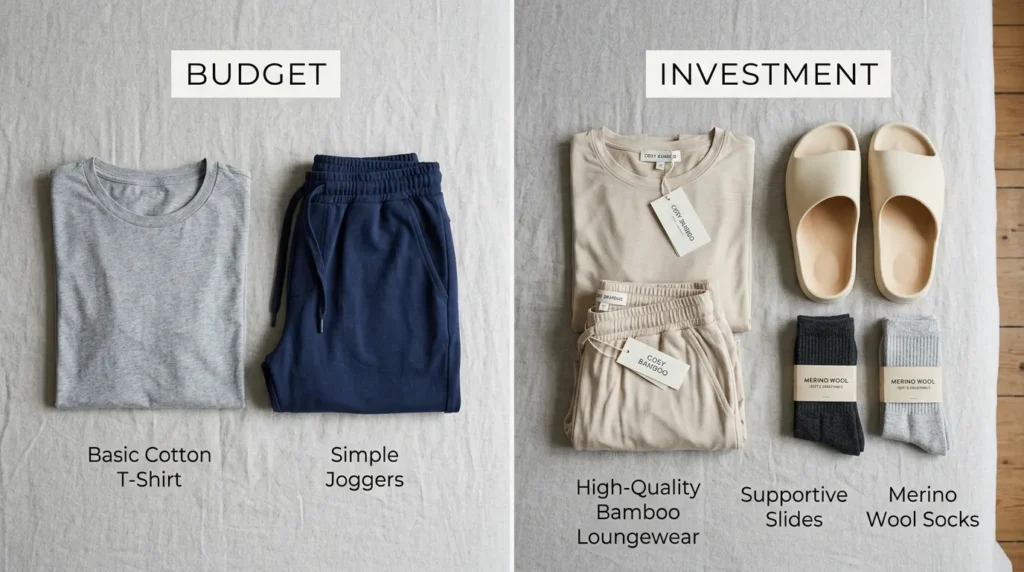
Building a comfortable off-duty wardrobe doesn’t require unlimited funds, but it does benefit from strategic investment. Understanding where to save and where to spend ensures you maximize both comfort and budget.
Where to Invest: High-Impact Items
Quality Foundational Pieces ($50-150 per item)
Certain items directly and continuously impact your comfort. These warrant higher investment:
Premium loungewear sets:
- Expected cost: $80-150 for a matching set
- Value proposition: Worn 2-3 times per week, lasting 2-3 years with proper care
- Cost per wear: Approximately $0.50-1.00
- Why invest: High-quality loungewear maintains softness, shape, and comfort through hundreds of washes
Supportive recovery footwear:
- Expected cost: $60-130 per pair
- Value proposition: Direct impact on foot, leg, and back health
- Longevity: 1-2 years with regular use
- Why invest: Quality footwear prevents chronic pain conditions that can affect your nursing career longevity
Performance undergarments:
- Expected cost: $20-40 per item
- Value proposition: Daily wear, significant comfort impact
- Replacement cycle: Every 6-12 months
- Why invest: Undergarments in direct skin contact have an outsized impact on overall comfort
Where to Save: Lower-Impact Items
Basic layering pieces ($15-30 per item)
Some items can be sourced affordably without compromising comfort:
Basic cotton t-shirts:
- Budget options: $10-20 from brands like Uniqlo, Target, or H&M basics
- Strategy: Buy multiples in neutral colors
- Why budget works: Simple construction, widely available in acceptable quality at various price points
Simple cardigans and zip-ups:
- Budget options: $20-35 from mainstream retailers
- Strategy: Focus on fabric content (natural fibers or blends) over brand name
- Why budget works: Layering pieces aren’t worn directly against the skin and don’t require premium softness
Casual accessories:
- Budget options: Socks, hats, simple jewelry from budget retailers
- Strategy: Focus on function and style over premium materials
- Why budget works: These items don’t directly impact physical recovery comfort
Mid-Range Sweet Spot: Best Value Items ($30-80 per item)
The mid-range price point often offers the best balance of quality and value:
Stretch denim and casual pants:
- Target range: $40-70
- Sweet spot brands: Levi’s, Old Navy premium lines, Gap
- What to look for: At least 2% stretch, quality construction, good reviews on durability
Versatile dresses:
- Target range: $35-75
- Sweet spot brands: Pact, Everlane, Athleta, local boutiques
- What to look for: Natural fiber content, comfortable fit, machine washability
Supportive athletic wear:
- Target range: $30-60 per piece
- Sweet spot brands: Old Navy Active, Amazon Essentials Premium, Target’s All in Motion
- What to look for: Moisture-wicking properties, flat seams, reinforced construction
Building a Complete Wardrobe: Budget Examples
Minimal Budget Approach ($300-500)
Focus on absolute essentials with strategic purchases:
- 2 pairs quality joggers/lounge pants: $80-120
- 4-5 basic cotton t-shirts: $50-75
- 2-layering pieces (hoodie, cardigan): $50-70
- 1 pair recovery footwear: $60-100
- 4-5 performance undergarment sets: $60-120
- Total: $300-485
This minimal approach covers basic needs and can be supplemented gradually.
Moderate Budget Approach ($600-1000)
Includes essentials plus transitional pieces:
- 3 pairs of varied comfortable pants: $120-210
- 6-8 tops (mix of basics and slightly elevated): $120-200
- 3-4 layering pieces: $90-150
- 2 pairs quality footwear: $120-200
- 6-8 performance undergarment sets: $120-200
- 2 comfortable dresses: $70-140
- Total: $640-1100
This moderate approach supports diverse recovery needs and activities.
Comprehensive Budget Approach ($1200-2000)
Complete wardrobe covering all scenarios:
- 5 pairs varied comfortable pants/jeans: $200-350
- 10-12 tops (basic to elevated): $200-360
- 5-6 layering pieces: $150-250
- 3 pairs quality footwear (slides, sneakers, casual): $180-330
- 10 performance undergarment sets: $200-400
- 3-4 comfortable dresses: $105-280
- Active recovery wear (leggings, tanks, sports bras): $150-300
- Accessories (socks, hats, etc.): $50-100
- Total: $1235-2370
This comprehensive approach ensures you have appropriate, comfortable options for every type of recovery day and activity.
Smart Shopping Strategies
Timing Your Purchases:
- End-of-season sales for seasonal items (buy winter loungewear in spring, summer dresses in fall)
- Black Friday/Cyber Monday for premium brands (often 30-50% off)
- Early January clearance for the holiday season overstock
- Mid-season sales at department stores (typically March/April and August/September)
Quality Indicators to Check:
- Seam construction (French seams, reinforced stress points)
- Fabric weight and thickness (hold up to light to check)
- Stitches per inch (higher is generally better)
- Fabric composition labels (higher natural fiber percentages often indicate better quality)
- Brand reputation for durability (check reviews specifically mentioning longevity)
Where to Find Quality on Budget:
- Thrift stores and consignment shops in affluent areas often carry barely-worn premium brands.
- Online secondhand platforms (Poshmark, ThredUp, Depop)
- Factory outlet stores for premium brands (but verify quality matches the main line)
- Direct-to-consumer brands (often better quality than price suggests due to reduced markup)
- End-of-line sales from favorite brands
<a name=”acknowledgments”></a>
Acknowledgments
This article was written by Abdul-Muumin Wedraogo, a Registered General Nurse with 10 years of clinical experience across Emergency Room, Pediatrics, ICU, and General Ward settings within the Ghana Health Service. The practical recommendations are based on personal professional experience, peer-reviewed research in occupational health, and textile science.
The content has been developed in accordance with evidence-based practices and current understanding of occupational health needs for healthcare professionals. All medical and physiological claims have been supported by credible sources as referenced throughout the article.
Disclaimer: This content is for informational purposes only and should not replace professional medical advice or occupational health guidance. Individual clothing needs may vary based on personal health conditions, work environment, and recovery requirements. Always consult with your healthcare provider or occupational health department for personalized recommendations, particularly if you have specific health conditions that may affect your clothing needs.
Special acknowledgment to the nursing community—your shared experiences, insights, and candid discussions about the challenges of work-life balance have informed this guide. To my colleagues across various hospital departments who’ve contributed informal insights about their recovery routines and clothing preferences: thank you for your willingness to discuss these seemingly small details that significantly impact our overall well-being.
<a name=”faqs”></a>
Frequently Asked Questions
Q: What are the most comfortable clothing choices for nurses’ days off?
The best comfortable clothing for nurses’ rest days includes soft, natural fiber loungewear (bamboo or organic cotton joggers and t-shirts), supportive recovery footwear with arch support, breathable fabrics that regulate temperature, and versatile layering pieces. Focus on items without restrictive waistbands, made from moisture-wicking materials, that allow a full range of motion. Quality basics like stretch denim, comfortable dresses, and athletic recovery wear create a functional wardrobe. Prioritize pieces that support physical recovery while maintaining psychological boundaries between your professional and personal identity.
Q: How should nurses dress differently after night shifts versus day shifts?
After night shifts, prioritize maximum softness and comfort since your circadian rhythm is disrupted. Choose exclusively soft natural fibers like cotton, bamboo, or modal with no hardware (buttons, zippers, snaps) that might interfere with daytime sleep. Opt for loose, non-restrictive fits and darker colors that don’t show through blackout curtains. Have blackout-appropriate clothing ready that’s comfortable enough to sleep in but presentable enough for brief outdoor excursions. Day shift recovery allows slightly more structure—you can incorporate gentle support like well-fitted (not tight) clothing since you’ll be sleeping during normal hours.
Q: What fabrics are best for healthcare workers’ recovery clothing?
The best fabrics for nurses’ recovery wear are natural breathable fibers and performance blends. Organic cotton and Pima cotton offer exceptional softness and breathability. Bamboo viscose provides moisture-wicking with silky comfort. Linen excels in warm weather with superior breathability. Merino wool offers year-round temperature regulation. Modal and Tencel provide luxurious softness with good moisture management. For active recovery, synthetic performance blends with moisture-wicking properties work best. Avoid fabrics that trap heat, create friction against sensitive skin, or restrict movement. Prioritize softness, breathability, and easy care since these items will be worn and washed frequently.
Q: How often should nurses replace their off-duty comfortable clothing?
Replace foundational comfort pieces like loungewear every 1-2 years or when they lose softness, shape, or supportive properties. Quality recovery footwear typically lasts 1-2 years with regular use—replace when cushioning compresses or support diminishes. Performance undergarments should be replaced every 6-12 months as elastic and moisture-wicking properties degrade. Basic t-shirts and casual items can last 2-3 years with proper care. Replace any item immediately if it develops irritating seams, loses stretch, or no longer provides comfort. Regularly assess your wardrobe—if you’re avoiding wearing something, it’s probably time for replacement.
Q: Are expensive, comfortable clothes worth it for nursing students on a budget?
Nursing students should strategically invest in key high-impact items while economizing elsewhere. Spend more on recovery footwear ($60-100) and performance undergarments ($20-40 each) as these directly affect physical comfort and health. Quality foundational loungewear ($40-80 per piece) provides better value through durability and maintained comfort. Save on basic layering pieces, simple t-shirts, and accessories by shopping budget retailers, thrift stores, or sales. A minimal functional wardrobe costs $300-500—focus on 2-3 versatile quality pieces in each category rather than numerous cheap items. As income increases post-graduation, gradually upgrade your wardrobe.
Q: What should nurses wear for active recovery activities on days off?
For active recovery—walking, gentle yoga, light exercise—wear moisture-wicking athletic leggings with high, non-rolling waistbands, breathable tank tops or t-shirts in performance fabrics, and cushioned athletic shoes with good arch support. Choose items specifically designed for movement rather than fashion athletic wear. Include a lightweight jacket for temperature regulation. The goal is to support gentle physical activity that promotes circulation and mental health without the intensity of serious workouts. Prioritize comfort over performance—this is a recovery exercise, not training. Having dedicated active recovery outfits encourages healthy movement during rest days.
Q: How can nurses create psychological boundaries with their off-duty clothing?
Deliberately choosing non-medical, personally expressive clothing creates vital psychological boundaries between professional and personal identity. Develop a consistent “changing ritual” immediately after arriving home—physically removing clinical attire and donning comfortable personal clothing signals your brain that work is complete. Select colors, patterns, and styles that reflect your personality rather than professional neutrality. Avoid wearing healthcare-themed clothing (nursing slogan shirts, medical motif items) on days off, as these blur professional boundaries. Maintain completely separate wardrobes for work and personal life. The physical act of changing clothes becomes a psychological transition ritual that supports mental health and prevents burnout.
Q: What are the CDC or OSHA guidelines for nurses’ off-duty clothing?
CDC and OSHA don’t provide specific guidelines for healthcare workers’ off-duty personal clothing since regulations focus on occupational safety during work hours. However, general occupational health principles suggest promptly changing from work attire to prevent potential pathogen transmission to home environments, washing work clothes separately using appropriate temperature and detergent, and wearing comfortable, supportive clothing during recovery periods to prevent repetitive stress injuries. Off-duty clothing choices are personal decisions, though infection control best practices recommend immediately changing from clinical attire upon arriving home and properly laundering work clothes before storing them with personal items.
Q: Can comfortable clothing actually prevent burnout in nurses?
While clothing alone cannot prevent burnout, comfortable recovery wear supports the physical and psychological restoration necessary for burnout prevention. Burnout results from chronic workplace stress, but adequate recovery between shifts is protective. Comfortable clothing facilitates better sleep quality, reduces physical discomfort, supports thermoregulation, and creates psychological boundaries between work and personal life—all factors in effective recovery. When combined with adequate rest, healthy boundaries, social support, and self-care practices, appropriate recovery clothing becomes one component of a comprehensive burnout prevention strategy. Think of it as supporting your body’s natural recovery processes rather than as a standalone solution.
Q: What’s the difference between loungewear and sleepwear for nurses’ recovery?
Loungewear is designed for awake activities—relaxing, light housework, brief errands—while remaining comfortable. It typically has more structure, appropriate coverage for visitors or deliveries, and fabrics that work for various temperatures. Sleepwear is specifically designed for sleeping, with smoother fabrics that reduce friction during movement, temperature-regulating properties for extended wear, and minimal hardware. For nurse recovery, quality loungewear serves most needs, particularly after day shifts. After night shifts, when you’ll be sleeping during the day, dedicated sleepwear in darker colors works better. Many nurses find matching lounge sets versatile enough for both purposes, reducing wardrobe needs.
<a name=”references”></a>
Medical References & Evidence-Based Sources
Behan, T. (2024). Nursing burnout: Physical and emotional toll. Incredible Health. https://www.incrediblehealth.com/blog/nursing-burnout-physical-emotional-toll/
Caruso, C. C. (2014). Negative impacts of shiftwork and long work hours. Rehabilitation Nursing, 39(1), 16–25. https://doi.org/10.1002/rnj.107
Healthy Workplaces Toolkit. (n.d.). Prolonged standing at work: health effects and good practices. Canadian Centre for Occupational Health and Safety. https://www.ccohs.ca/healthyworkplaces/physical/standing.html
Hsieh, Y. M. (2023). The fabrics that keep you cool. National Geographic. https://www.nationalgeographic.com/environment/article/the-fabrics-that-keep-you-cool
Malik, M. (n.d.). The complete guide to moisture-wicking fabrics. Cottonique Blog. https://www.cottonique.com/blogs/cottontalk/the-complete-guide-to-moisture-wicking-fabrics
Nike. (n.d.). What are the benefits of moisture-wicking fabric? https://www.nike.com/a/benefits-of-moisture-wicking-fabric
Steege, L. M., & Rainbow, J. G. (2017). Fatigue in hospital nurses — ‘Supernurse’ culture is a barrier to addressing problems: A qualitative interview study. International Journal of Nursing Studies, 67, 20-28. https://doi.org/10.1016/j.ijnurstu.2016.11.014
Woo, T., Ho, R., Tang, A., & Tam, W. (2020). Global prevalence of burnout symptoms among nurses: A systematic review and meta-analysis. Journal of Psychiatric Research, 123, 9-20. https://doi.org/10.1016/j.jpsychires.2019.12.015
World Health Organization. (2020). Burnout is an “occupational phenomenon”: International Classification of Diseases. https://www.who.int/news/item/28-05-2019-burn-out-an-occupational-phenomenon-international-classification-of-diseases
Zhang, X. C., Huang, D. S., & Guan, P. (2014). Job burnout among critical care nurses from 14 adult intensive care units in northeastern China: A cross-sectional survey. BMJ Open, 4(6), e004813. https://doi.org/10.1136/bmjopen-2014-004813