
Discover proven strategies for handling job-induced stress in the nursing profession. Learn evidence-based coping techniques from a registered nurse with 10 years of hospital experience.

Introduction
Picture this: It’s 2 AM in the Emergency Department, you’re three hours into a 12-hour shift, and you’ve already triaged eight critical patients, consoled two grieving families, and navigated a staffing shortage that has you covering two assignments. Your heart races, your shoulders ache, and you can’t remember the last time you took a proper break. If this scenario sounds familiar, you’re not alone.
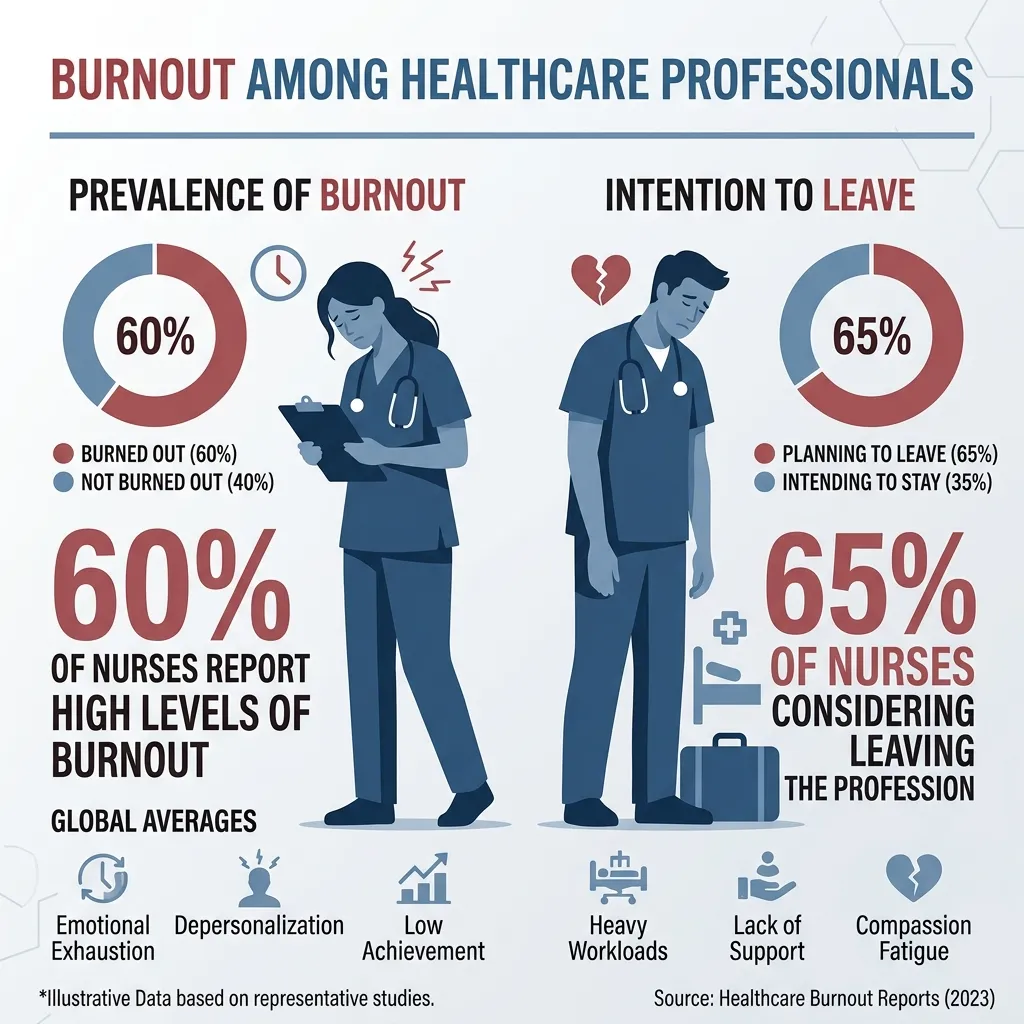
Nearly two-thirds of nurses report experiencing burnout most days, representing a significant increase from previous years, according to Nurse.com. As a Registered General Nurse with over a decade of experience across Emergency, Pediatric, Intensive Care, and General Ward settings, I’ve witnessed firsthand how workplace stress affects nurses at every level. I’ve felt the weight of impossible patient ratios, experienced the emotional toll of critical incidents, and learned through trial and error how to maintain my well-being while providing excellent patient care.
This comprehensive guide draws from both clinical research and practical experience to provide you with evidence-based strategies for handling job-induced stress in the nursing profession. Whether you’re a new graduate feeling overwhelmed by your first year or a seasoned professional experiencing compassion fatigue, you’ll find actionable techniques to reclaim your mental and physical health.
Disclosure: This article contains affiliate links. As an Amazon Associate and affiliate partner of various medical device retailers, Muminmed.com earns from qualifying purchases. This comes at no additional cost to you and helps support our work in providing evidence-based health information. All recommendations are based on clinical experience and research.
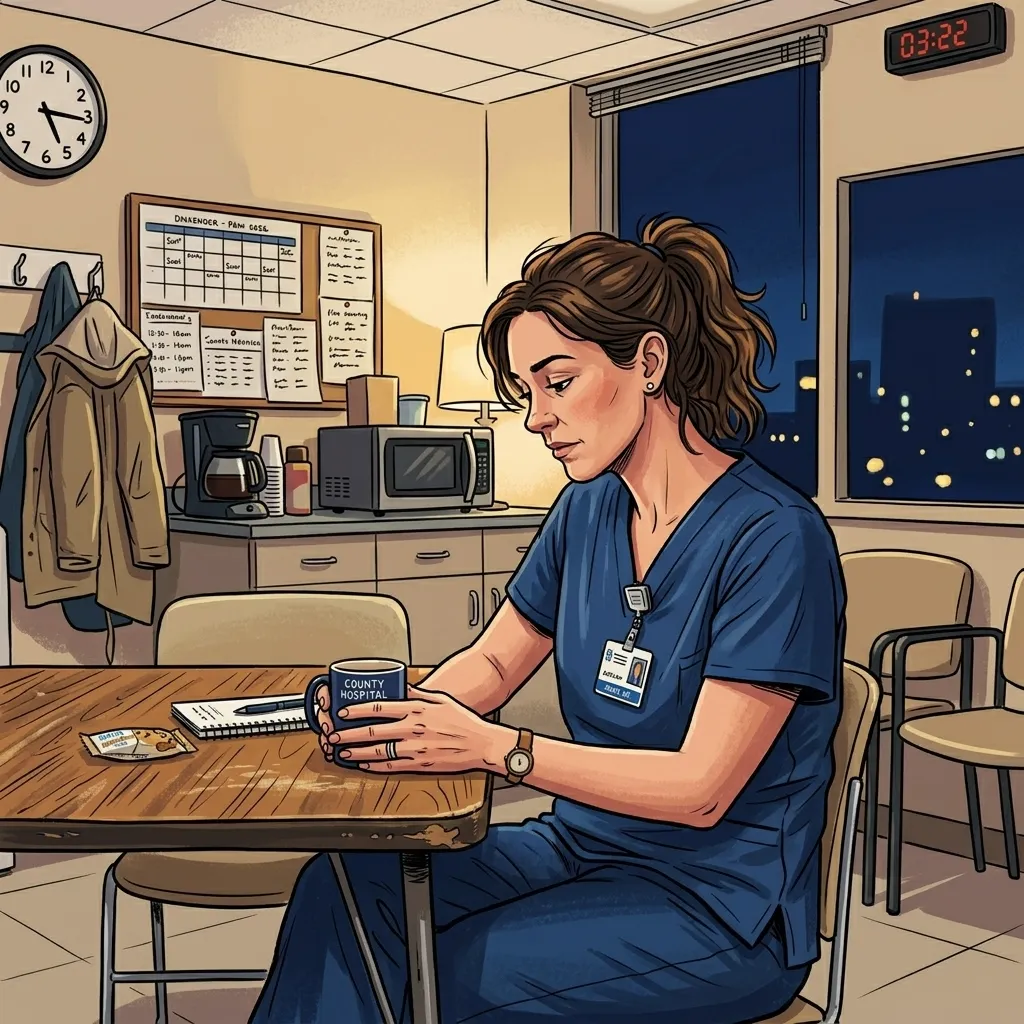
Table of Contents
Understanding Workplace Stress in Nursing {#understanding-workplace-stress}
Workplace stress in nursing is fundamentally different from stress in most other professions. The stakes are higher, the emotional demands are constant, and the physical toll is significant. The World Health Organization defines workplace stress as the response people experience when work demands and pressures exceed their knowledge, abilities, and coping capacity.
The Unique Nature of Nursing Stress
From my years working in hospital settings, I’ve observed that nursing stress operates on multiple levels simultaneously. We’re managing life-and-death decisions while navigating interpersonal dynamics, organizational constraints, and our own human limitations. Unlike many professions where mistakes might cost money or time, nursing errors can cost lives, creating an ever-present psychological burden.
The stress doesn’t follow a predictable pattern either. One moment you’re performing routine vital sign checks, and the next you’re responding to a code blue. This constant state of alertness, where you must be ready to shift from calm to crisis mode instantly, keeps your nervous system in a perpetual state of heightened activation.
The Physiology of Chronic Stress
When nurses face constant workplace stress, cortisol levels rise and can remain elevated for several hours, and repeated exposure causes damage to the body and brain, according to PubMed Central. Understanding what happens physiologically helps explain why unmanaged stress leads to serious health consequences.
When your brain perceives a threat, whether physical danger or overwhelming job demands, it activates the sympathetic nervous system’s fight-flight-freeze response. Your heart rate increases, blood pressure rises, and stress hormones flood your system. This response evolved to help us escape immediate danger, but it was never meant to be activated continuously throughout 12-hour shifts.
Untreated stress causes structural changes in the amygdala, hippocampus, and prefrontal cortex, leading to decreased ability to retain knowledge and impacting short-term memory storage and retrieval, according to PubMed Central, which are critical for safe nursing practice.
The Current State of Nurse Burnout in 2024-2025 {#current-state-burnout}
The nursing profession faces an unprecedented crisis of workplace stress and burnout. Recent data paints a concerning picture of the challenges facing healthcare workers today.
Alarming Statistics on Nursing Stress
A 2025 survey revealed that only 60% of nurses would choose nursing again if given the choice, with top stressors including short staffing, inadequate pay, lack of leadership support, and patient abuse, according to Florida Atlantic University. This finding reflects a profession at a critical juncture, where experienced nurses are questioning their career choices and contemplating early retirement.
More than 138,000 nurses have left the workforce since 2022, citing stress, burnout, and retirement as key reasons, according to the National Council of State Boards of Nursing. This exodus compounds the existing nursing shortage, creating a vicious cycle where remaining nurses face even heavier workloads.
The burden falls especially hard on certain demographics. Generation Z nurses, though only 4% of the nursing workforce, are most likely to report burnout, moral injury, and compassion fatigue, according to Nurse.com. This suggests that newer nurses may be particularly vulnerable to workplace stress factors.
Geographic and Setting Variations
Stress levels vary considerably based on location and clinical setting. Lower proportions of nurses reported burnout in the Western United States compared to higher proportions in the Southeast, according to PubMed Central. These regional differences likely reflect variations in staffing ratios, workplace culture, and healthcare system resources.
Sixty-five percent of nurses report high stress levels, with 40% unsure they would choose the profession again, according to ScienceDaily. These numbers indicate that stress management isn’t just an individual concern but a systemic crisis requiring comprehensive solutions.
The Ongoing Impact
Despite increased attention since the COVID-19 pandemic, little meaningful progress has been made. While emotional exhaustion and workloads have moderated slightly since 2022, high levels of stress and burnout continue to impact the workforce, according to the National Council of State Boards of Nursing. This persistence suggests that addressing nurse stress requires more than temporary interventions or one-time wellness programs.
Common Sources of Nursing Stress {#common-sources-stress}
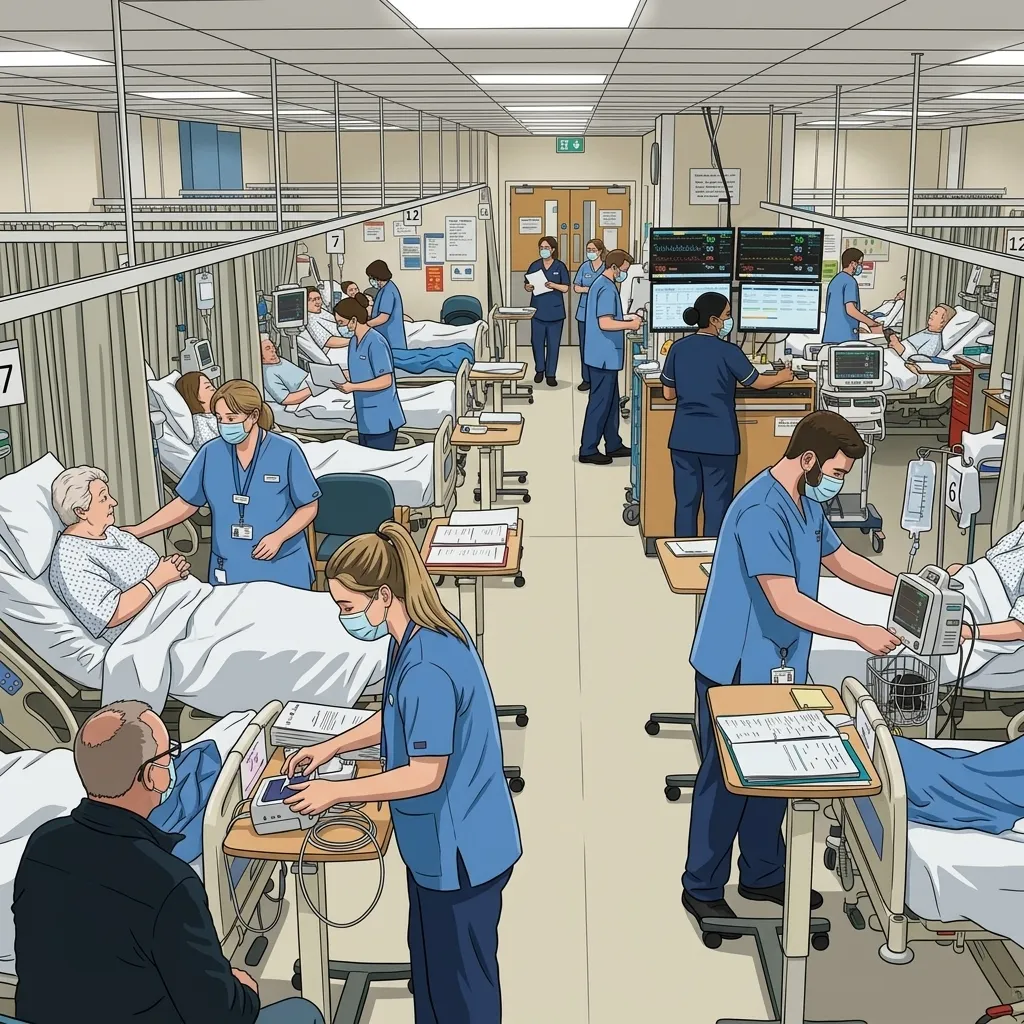
Understanding what triggers stress is the first step in managing it effectively. Through my clinical experience and current research, several key stressors emerge consistently across different nursing specialties and settings.
Staffing Shortages and Workload
Inadequate staffing represents the single most frequently cited source of nursing stress. Nurses who left or considered leaving their positions due to burnout reported inadequate staffing as a primary concern, according to PubMed Central. When units are understaffed, each nurse must care for more patients than is safe or reasonable, compromising both patient care quality and nurse Well-being.
From my experience in the Emergency Department, unsafe nurse-to-patient ratios create a constant state of triage where you’re perpetually deciding which patients need to be addressed and which must wait. This moral distress, knowing you cannot provide the care every patient deserves, weighs heavily on conscientious nurses.
Administrative Burden
Sixty-two percent of nurse practitioners cited excessive bureaucratic tasks, including nonstop documentation, policies, and chart audits, as the top contributor to their burnout, according to FRESHRN. The increasing emphasis on electronic health record documentation means nurses spend less time providing direct patient care and more time clicking through computer screens.
I’ve watched this shift occur throughout my career. What began as a tool to improve care coordination has become a time-consuming burden that takes nurses away from the bedside. Many nurses entered the profession to care for people, not to serve as data entry clerks.
Emotional and Psychological Demands
The emotional labor of nursing is substantial yet often unacknowledged. We’re expected to be compassionate and fully present for patients and families during their worst moments while simultaneously managing our own emotional responses. Twenty percent of nurses suffered the loss of a family member, 35% lost a friend, and 34% lost a coworker, according to New York University, highlighting the personal toll of healthcare work.
Workplace Violence and Aggression
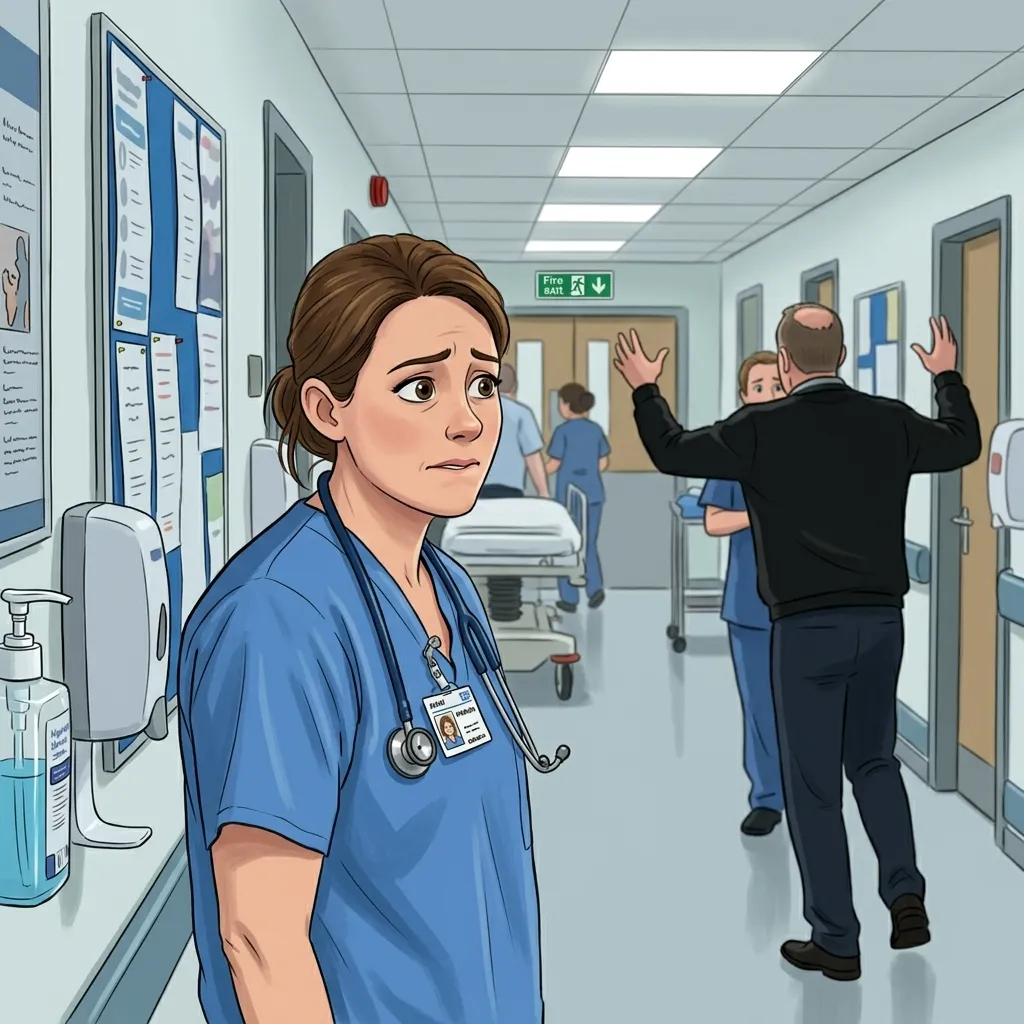
Nearly half of nurses surveyed reported experiencing violence and aggression from the public due to their identity as a nurse, according to New York University. This troubling trend includes verbal abuse, intimidation, threats, and physical assault from patients, family members, and even colleagues. Such experiences create an atmosphere of fear and hypervigilance that compounds other workplace stressors.
Lack of Organizational Support
Nurses who left or considered leaving their jobs due to burnout reported a stressful work environment and inadequate staffing as primary reasons, according to PubMed Central. When nurses perceive that leadership doesn’t support them, listen to their concerns, or advocate for necessary resources, it erodes trust and increases feelings of isolation.
Long Hours and Shift Work
Nurses who worked more than 40 hours per week had a higher likelihood of identifying burnout as a reason they left their job, according to PubMed Central. Extended shifts, mandatory overtime, and rotating schedules disrupt circadian rhythms, interfere with family life, and leave little time for recovery between shifts.
Physical and Mental Health Impacts of Nursing Stress {#health-impacts}
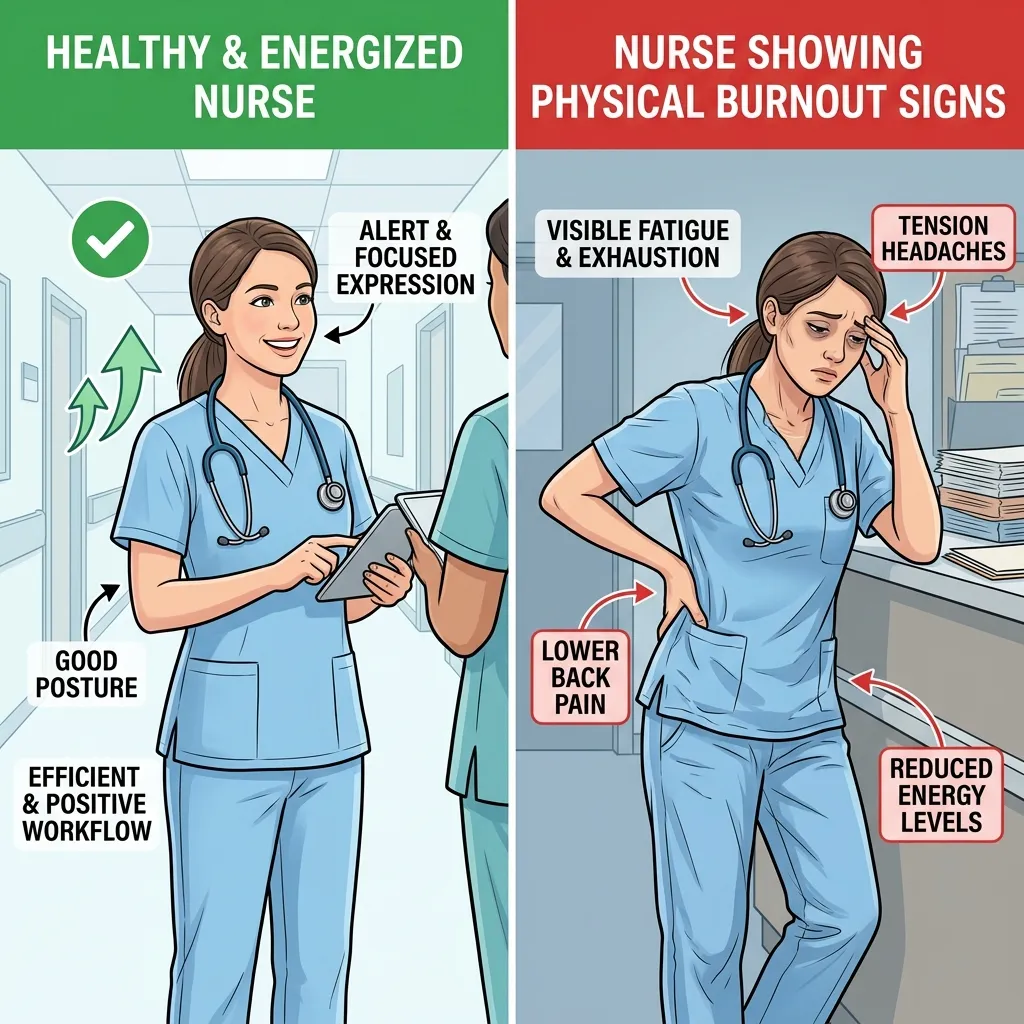
Unmanaged work-related stress doesn’t just affect job performance; it fundamentally compromises nurses’ physical and mental health. Understanding these consequences underscores the urgency of implementing effective stress management strategies.
Physical Health Consequences
Work-related stress weakens nurses’ immunity, predisposing them to gastrointestinal diseases such as stomach ulcers, heartburn, and indigestion, several cardiovascular diseases, musculoskeletal disorders, back pain, headache, obesity, and chronic diseases, including hypertension, according to PubMed Central. These aren’t minor complaints but serious conditions that can lead to disability and premature death.
During my decade in clinical practice, I’ve witnessed colleagues develop stress-related health problems. Young, previously healthy nurses are suddenly dealing with hypertension, digestive disorders, or chronic pain. The physical demands of the job, combined with psychological stress, create perfect conditions for these illnesses to develop.
High stress levels can cause symptoms ranging from tension headaches and back pain to gastrointestinal problems. Chronic stress contributes to decreased immune system effectiveness, making nurses more susceptible to infections, which is particularly problematic given their regular exposure to pathogens.
Mental and Emotional Impact
Mentally, work-related stress can lead to effects ranging from insomnia, anxiety, and emotional exhaustion to major effects like panic attacks, depression, burnout, and mental disorders, according to PubMed Central. The progression from mild stress symptoms to serious mental health conditions often happens gradually, making it easy to dismiss early warning signs.
Job stress was found to predict changes in quality of life, with job stress alone predicting nearly 28% of changes in total quality of life scores, according to Springer. This demonstrates the profound impact workplace stress has on overall Well-being, extending far beyond the hospital walls into nurses’ personal lives and relationships.
Impact on Cognitive Function
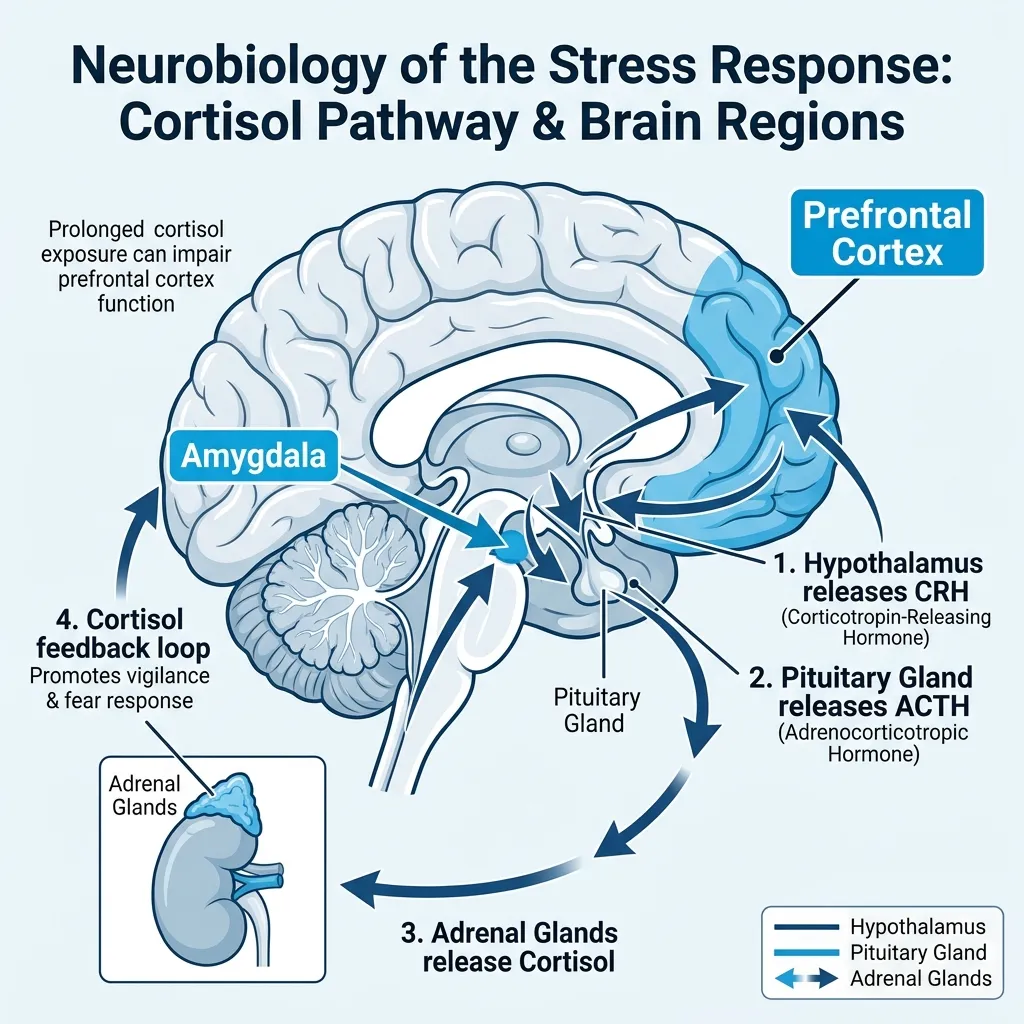
The cognitive effects of chronic stress particularly concern me as a nurse educator. Brain changes result in decreased ability to retain knowledge, impacting short-term memory storage and retrieval, which are critical for the profession of nursing, according to PubMed Central. When stress impairs the very cognitive functions we rely on to provide safe care, everyone suffers.
I’ve experienced this personally during particularly stressful periods—that foggy feeling where you can’t quite recall a medication dose you’ve administered hundreds of times or struggle to prioritize tasks that would normally be straightforward. This cognitive impairment increases the risk of errors and creates additional anxiety about performance.
Effects on Patient Care
Work-related stress increases nurse turnover, job dissatisfaction, work disengagement, medical errors, nurse absenteeism, organizational cynicism, alcohol and drug abuse, and reduces job performance, according to PubMed Central. The phrase “a stressed nurse is a dangerous nurse” may sound dramatic, but it accurately reflects reality.
Stress doesn’t only harm the nurse; it creates ripple effects throughout the healthcare system. When nurses are stressed, communication suffers, handoffs become less thorough, and attention to detail diminishes. Patient satisfaction scores drop, hospital-acquired infection rates rise, and adverse events become more likely.
Impact on Personal Life
Work-related stress spills into nurses’ personal lives, causing poor social life outside the workplace, including strained relationships, according to PubMed Central. The emotional exhaustion from work leaves little energy for family, friends, and personal pursuits. Relationships suffer when you’re too drained to be present or when the residual stress from work manifests as irritability and withdrawal.
Evidence-Based Individual Stress Management Techniques {#individual-techniques}
While organizational changes are crucial, nurses need practical strategies they can implement immediately to manage stress more effectively. The following evidence-based techniques have demonstrated effectiveness in reducing nursing stress and improving Well-being.
Mindfulness and Breathing Exercises
Based on neuroplasticity, even brief mindfulness self-care strategies can help reduce the intensity of stress and help develop an adaptive response to perceived threat stimuli, according to PubMed Central. This is particularly valuable for nurses who often feel they lack time for self-care.
During my shifts in the ICU, I discovered the power of micro-practices—brief moments of intentional breathing or mindfulness that take less than a minute but significantly impact stress levels. Between patient rooms, I would pause, take three deep breaths, and consciously release tension from my shoulders. These small interventions prevented stress from accumulating to unmanageable levels.
Box Breathing Technique: Inhale for 4 seconds, hold for 4 seconds, exhale for 4 seconds, hold for 4 seconds, then repeat. This simple technique activates the parasympathetic nervous system, counteracting the stress response.
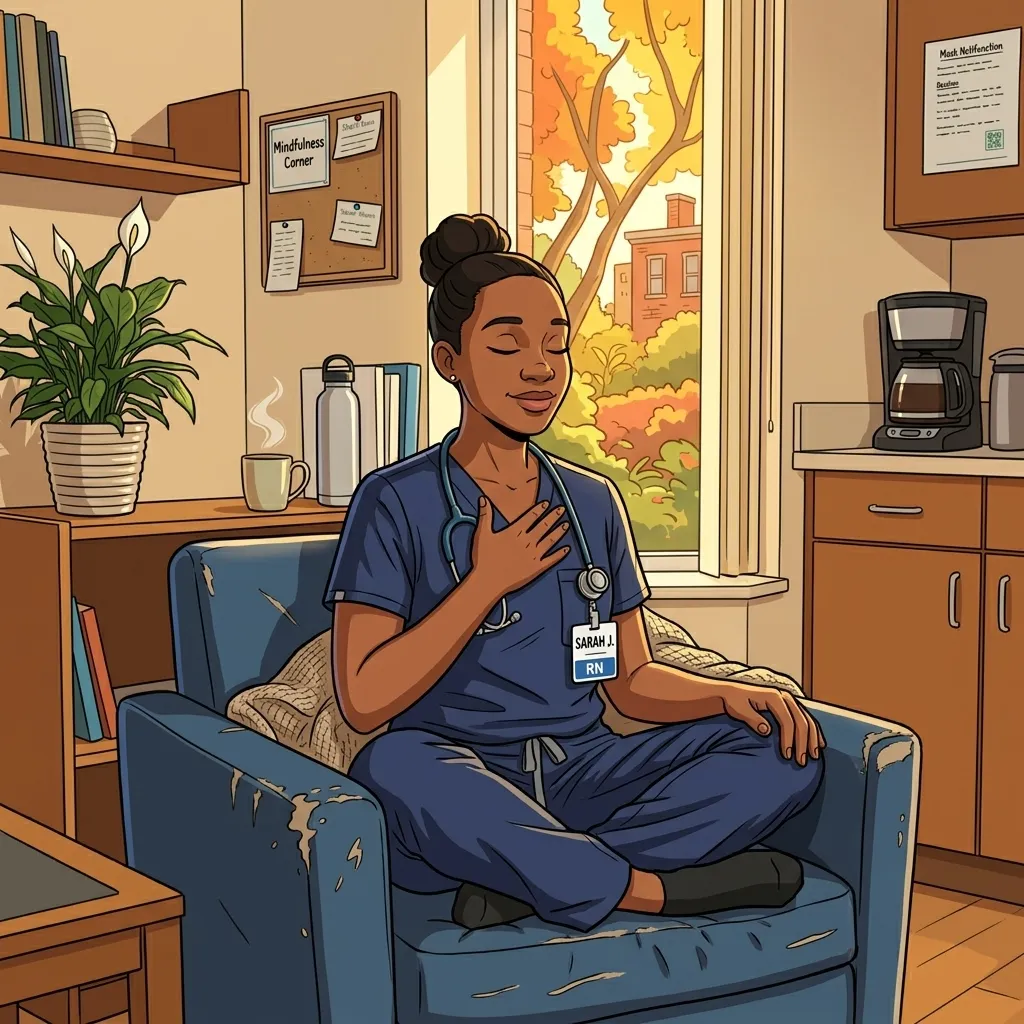
4-7-8 Breathing: Inhale through your nose for 4 counts, hold for 7 counts, exhale through your mouth for 8 counts. This breathing pattern is particularly effective for calming anxiety and can be done discreetly anywhere.
Mindfulness-Based Stress Reduction (MBSR)
Research demonstrates that structured mindfulness programs significantly reduce nursing stress. MBSR typically includes meditation, body scanning, gentle yoga, and exercises in non-judgmental awareness. Studies show that MBSR can substantially lower emotional exhaustion, burnout, and anxiety among nurses.
While full MBSR programs require time commitment, incorporating even brief mindfulness practices into daily routines provides benefits. Start with just 5 minutes of mindful breathing before your shift or during breaks.
Physical Activity and Movement

Regular physical activity represents one of the most effective stress management tools available. Exercise reduces cortisol levels, releases endorphins, improves sleep quality, and provides a healthy outlet for pent-up tension and frustration.
You don’t need elaborate workout routines or expensive gym memberships. Simple activities like walking, stretching, or yoga can be equally effective. I personally found that a 20-minute walk after particularly stressful shifts helped me decompress before returning home, creating a psychological transition between work and personal life.
Practical tip: Keep comfortable walking shoes in your car and take a brief walk around the parking lot or nearby area before driving home after challenging shifts.
Progressive Muscle Relaxation
This technique involves systematically tensing and then relaxing different muscle groups throughout the body. It’s particularly useful for nurses who carry physical tension from long hours on their feet. The practice can be completed in 10-15 minutes and effectively reduces both physical and psychological stress symptoms.
Start with your feet, deliberately tensing the muscles for 5 seconds, then releasing and noticing the sensation of relaxation. Progress upward through your calves, thighs, abdomen, chest, arms, neck, and face.
Journaling and Emotional Processing
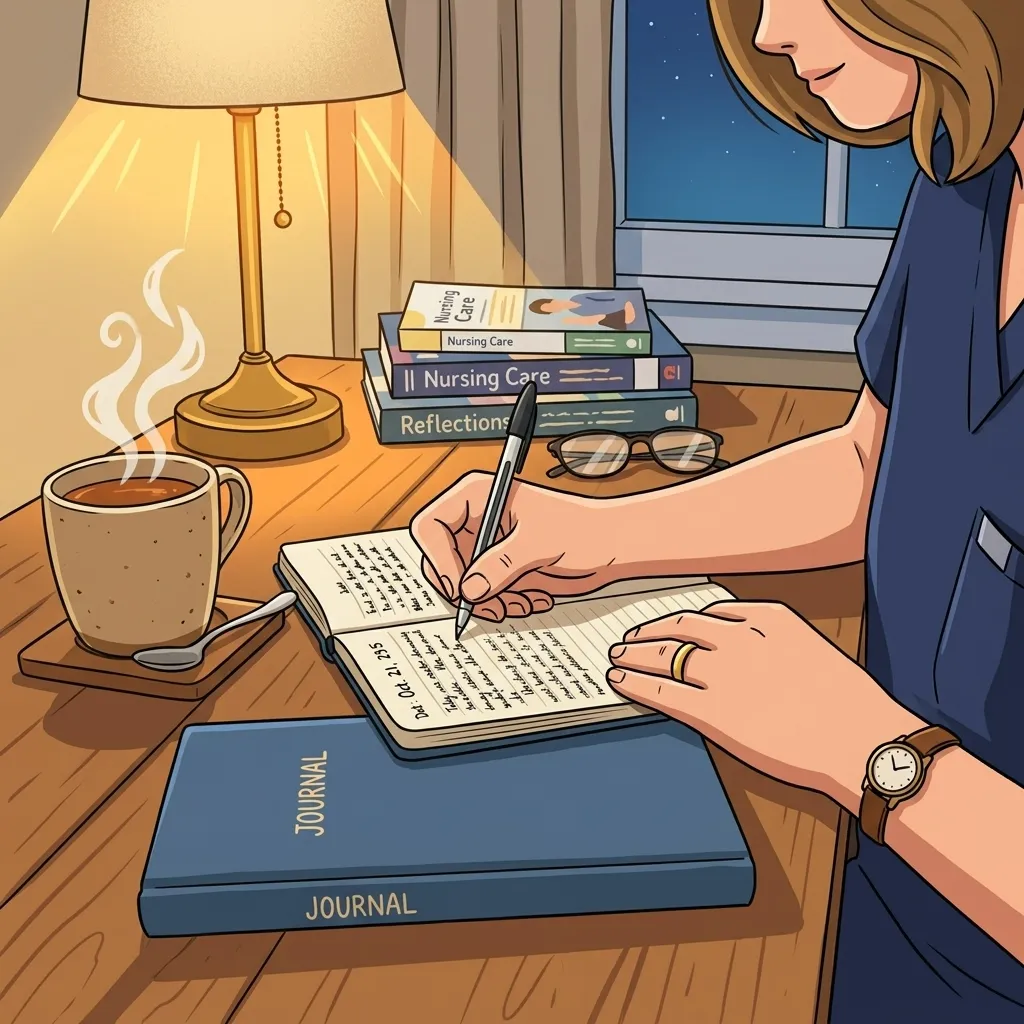
Activities such as journaling can reduce cortisol levels and restore emotional balance, according to Healing Breaths. Writing provides a safe outlet for processing difficult experiences, identifying patterns in stressors, and tracking your emotional state over time.
After particularly challenging shifts, especially those involving patient deaths or ethical dilemmas, I found journaling helped me process the experience and prevent it from becoming suppressed emotional baggage. You don’t need to write extensively—even a few sentences acknowledging what was difficult and how you felt can provide relief.
Setting Boundaries
Learning to say no is essential for long-term sustainability in nursing. This includes declining extra shifts when you’re already exhausted, not answering work calls during off-days, and protecting your personal time from work encroachment.
In my early years, I felt obligated to always say yes when management asked me to work extra. I believed this made me a team player. Eventually, I realized that consistently overextending myself led to poorer performance and resentment. Now I assess each request against my current energy and commitments, saying yes only when it truly works for me.
Adequate Sleep and Rest
Sleep is non-negotiable for stress management, yet nurses often sacrifice it due to shift work, long hours, and inadequate recovery time between shifts. Chronic sleep deprivation amplifies stress, impairs cognitive function, and increases health risks.
Sleep hygiene tips for nurses:
- Maintain consistent sleep schedules even on days off when possible
- Create a dark, cool sleeping environment
- Avoid screens for at least an hour before bed
- Use blackout curtains and white noise machines for daytime sleeping after night shifts
- Limit caffeine intake to the first half of your shift
Nutrition and Hydration
Proper nutrition supports your body’s stress response system. During high-stress periods, nurses often skip meals or rely on vending machine snacks, creating blood sugar fluctuations that worsen stress symptoms and mood instability.
Prepare nutritious snacks to bring to work, ensuring you have healthy options readily available. Stay hydrated throughout your shift—dehydration contributes to fatigue, headaches, and difficulty concentrating, all of which compound stress.
Social Support and Connection
Strong social support networks buffer against stress. Connecting with colleagues who understand the unique challenges of nursing provides validation, practical advice, and emotional support. Don’t isolate yourself when struggling; reach out to trusted coworkers, friends, or family members.
Peer support programs, where nurses can share experiences and express emotions with colleagues who truly understand, have proven particularly effective. Even informal check-ins with work friends can provide significant relief.
Cognitive Behavioral Techniques
Cognitive behavioral strategies help identify and challenge stress-amplifying thought patterns. Many nurses engage in catastrophic thinking or perfectionistic self-talk that intensifies stress beyond the situation itself.
For example, making a minor documentation error doesn’t mean you’re incompetent or will lose your license, yet stressed nurses often spiral into worst-case-scenario thinking. Learning to recognize and reframe these thoughts reduces unnecessary psychological distress.
Thought challenging steps:
- Notice the stressful thought
- Evaluate its accuracy objectively
- Consider alternative perspectives
- Replace with a more balanced thought
Organizational Strategies for Stress Reduction {#organizational-strategies}
While individual coping strategies are valuable, sustainable stress reduction requires organizational commitment and systemic change. Healthcare institutions must address the root causes of nursing stress rather than placing sole responsibility on individual nurses to manage symptoms.
Adequate Staffing Levels
Ensuring manageable workloads and staffing levels can reduce the emotional burden on nurses, as adequate staffing allows nurses to focus on providing quality care rather than feeling overwhelmed by excessive responsibilities, according to Springer. This is the single most impactful change organizations can make.
Safe staffing isn’t just about numbers—it’s about matching nurse expertise and experience with patient acuity and needs. Effective scheduling systems that predict patient volume and adjust staffing proactively, rather than reactively, reduce the stress of perpetual understaffing.
Fostering Positive Organizational Culture
Positive organizational culture, organizational climate, and organizational politics were consistently associated with reducing nurses’ work-related stress, according to PubMed Central. Culture manifests in daily interactions, leadership behaviors, and institutional values. Organizations that prioritize staff Well-being, encourage open communication, and value work-life balance create environments where nurses can thrive.
Positive collaboration, respectful communication, non-conflictual communication, and the belief that employees have control over problem-solving strongly reduced work-related stress, increased self-esteem, and doubled intention to stay within an organization, according to PubMed Central.
Leadership Support and Communication
Nurse managers play a crucial role in either buffering or amplifying workplace stress. Leaders who practice transparent communication, actively listen to staff concerns, advocate for their teams, and lead with empathy create psychologically safe environments.
Regular check-ins, not just during annual reviews but throughout the year, allow managers to identify struggling staff before burnout becomes severe. Leadership training in emotional intelligence, conflict resolution, and trauma-informed management equips supervisors to support stressed nurses effectively.
Access to Mental Health Resources
Only 24% of nurses reported that their employers provided adequate mental health services, according to New York University, leaving many without support or relying solely on self-care strategies. Comprehensive employee assistance programs should include counseling services, crisis intervention, peer support programs, and stress management workshops.
Healthcare organizations should recognize and validate the emotional challenges nurses face by offering access to counseling services, debriefing sessions, and peer support to help nurses cope with their emotional stress, according to PubMed Central.
Reducing Administrative Burden
Streamlining documentation requirements, improving electronic health record usability, and minimizing unnecessary policies and procedures would significantly reduce nursing stress. Administrative tasks should support clinical care, not obstruct it.
Healthcare organizations might consider employing unit secretaries, documentation specialists, or other support personnel to handle non-clinical tasks, allowing nurses to focus on direct patient care.
Flexible Scheduling Options
Offering varied shift patterns, self-scheduling options, and adequate time off between shifts demonstrates respect for nurses’ personal lives and Well-being. Predictable schedules allow nurses to plan childcare, maintain social connections, and pursue personal interests.
Some progressive organizations have implemented compressed workweeks, job sharing, or hybrid roles that reduce the physical and emotional toll of full-time bedside nursing while retaining experienced staff.
Creating Physical Wellness Spaces
Designated quiet rooms or wellness spaces where nurses can briefly decompress during breaks support stress recovery. These spaces should be comfortable, private, and truly protected from work interruptions.
Recognition and Appreciation
Meaningful recognition programs that acknowledge nurses’ contributions, celebrate successes, and provide career development opportunities improve job satisfaction and reduce stress. Recognition doesn’t require elaborate programs—sincere thanks from leadership, highlighting excellent care, and involving nurses in decision-making demonstrate genuine appreciation.
Violence Prevention Programs
Equipping nurses with skills to defuse tense situations and cope with the emotional impact of aggression, according to PubMed Central, is essential. Organizations must implement zero-tolerance policies for workplace violence, provide de-escalation training, ensure adequate security presence, and support nurses who experience violence.
Technology and Tools for Stress Management {#technology-tools}
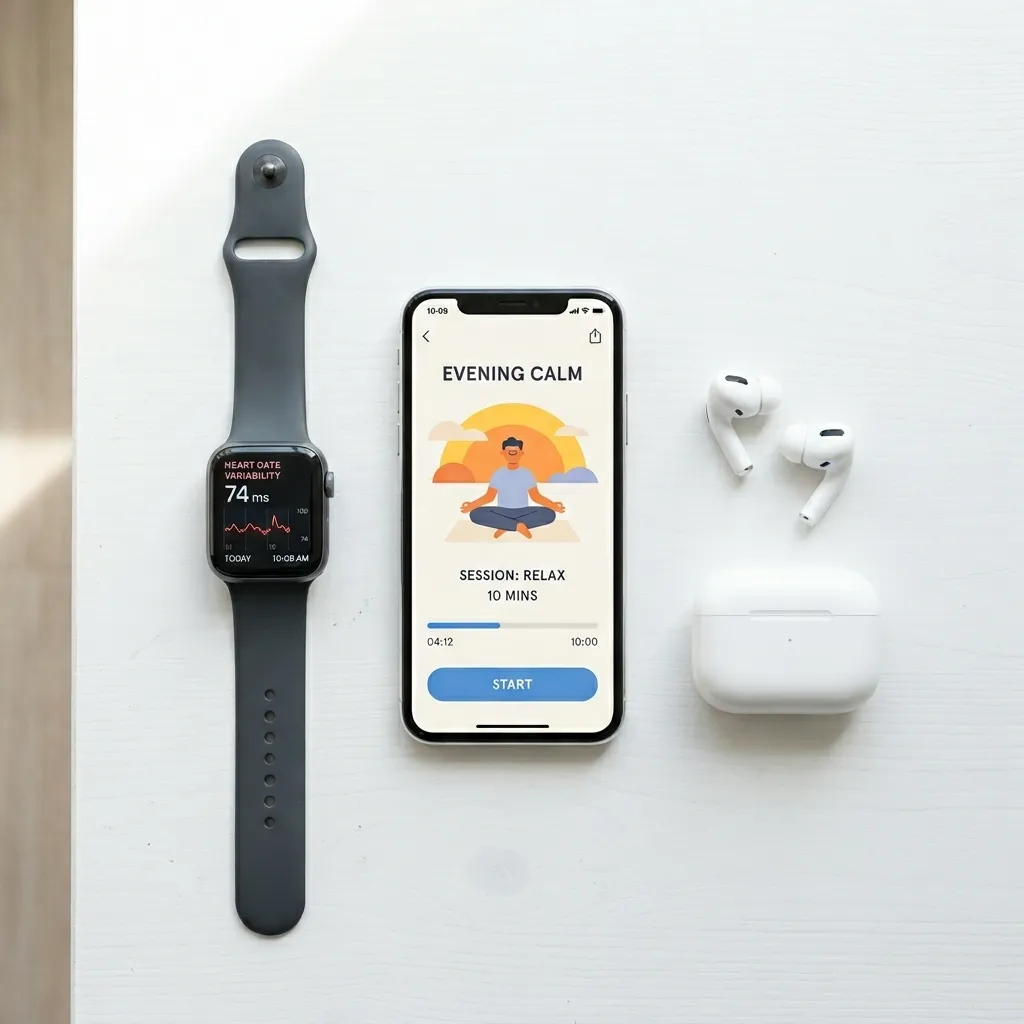
Modern technology offers numerous resources to support nursing stress management. While technology cannot replace systemic organizational changes, these tools provide accessible, evidence-based support that fits nurses’ demanding schedules.
Mental Health and Mindfulness Apps
Several apps have demonstrated effectiveness in reducing stress and improving mental health among healthcare workers:
Headspace: This mindfulness app offers guided meditations, breathing exercises, and sleep aids specifically designed for busy professionals. Research shows the app reduces stress by 14% within just 10 days of use. The AI companion feature, Ebb, customizes experiences based on individual needs and preferences.
Calm: This wellness app provides quick stress relief through its 60-second Breathe Bubble guided breathing exercise, perfect for brief breaks during shifts. The annual subscription ($69.99) includes guided meditations, sleep stories, and soundscapes specifically designed for stress and anxiety management.
Wysa: An AI-driven mental health platform that combines artificial intelligence with evidence-based therapeutic techniques. With over 500 million conversations and 2 million cognitive behavioral therapy sessions delivered, Wysa offers both self-directed support and access to human coaching ($19.99 per session or $79.99 monthly).
Bearable: Particularly useful for shift workers, this app helps track how different schedules affect mental and physical Well-being. By monitoring sleep quality, energy levels, stress triggers, and mood patterns, nurses can identify specific factors that worsen or improve their stress levels.
Reflectly: This AI-powered journal provides structured prompts for emotional processing and reflection. Regular journaling through this app helps nurses process difficult shifts, identify stress patterns, and track emotional Well-being over time.
Online Therapy Platforms
BetterHelp: This leading online therapy service connects users with licensed therapists through messaging, phone, and video sessions ($65-100 per session). The flexible scheduling makes professional mental health support accessible for nurses working irregular hours or traveling for work.
TalkSpace: Similar to BetterHelp, TalkSpace offers virtual therapy that accommodates nurses’ unpredictable schedules and varying locations. Some healthcare employers provide subsidized access to these platforms as part of employee wellness benefits.
Stress Tracking Wearables
Oura Ring: This smart ring tracks physiological markers of stress, including heart rate variability, body temperature, and sleep quality. The October 2025 app update introduced a Cumulative Stress metric that provides longitudinal analysis of stress patterns over 31 days, helping users understand chronic stress accumulation.
Whoop: This fitness tracker monitors strain, recovery, and sleep quality, providing insights into how workplace stress affects physical recovery. The May 2025 update made stress insights available through Peak or Life membership tiers.
Fitbit/Google Pixel Watch: These devices offer Stress Management Scores based on heart rate variability, activity levels, and sleep patterns. The electrodermal activity sensor on some models measures real-time stress responses.
Apollo Neuro: This wearable device uses gentle vibrations to activate the parasympathetic nervous system, promoting calm and focus. Clinical studies support its effectiveness in reducing stress responses.
Health and Wellness Support Apps
WaterMinder: Hydration tracking app with personalized goals and reminders, integrating with voice assistants for effortless logging. Proper hydration significantly impacts energy levels and stress resilience.
Pzizz: Designed specifically to combat insomnia and encourage quality sleep, this app is particularly valuable for nurses working night shifts or struggling with irregular sleep patterns.
AllTrails: This outdoor recreation app helps nurses find nearby hiking, walking, and biking trails. Spending time in nature provides powerful stress relief and helps create psychological distance from work.
Podcasts and Audio Resources
A Nursing State of Mind: This podcast by veteran nurses discusses practical stress relief strategies and provides reassurance that struggling with stress doesn’t mean you’ve chosen the wrong career. Hearing how other nurses navigate challenges normalizes difficult experiences and provides a community connection.
7 Cups: This platform connects users with trained active listeners who provide emotional support without formal therapy. It’s ideal for nurses who need someone to listen without judgment but aren’t ready for formal counseling.
Considerations for Choosing Technology Tools
When selecting stress management technology:
- Privacy: Ensure apps comply with HIPAA regulations and have strong privacy policies
- Evidence-based: Prioritize tools supported by clinical research
- Accessibility: Choose options that fit your schedule and budget
- Integration: Consider tools that work together or integrate with devices you already use
- Personalization: Look for apps that adapt to your specific needs and preferences
Building Long-Term Resilience {#building-resilience}
Beyond managing acute stress, developing resilience helps nurses sustain their careers and Well-being over decades. Resilience isn’t about toughness or suppressing emotions; it’s about adaptability, recovery capacity, and maintaining purpose despite challenges.
Understanding Resilience in Nursing
Resilience represents the ability to bounce back from adversity, adapt to change, and maintain Well-being despite chronic stressors. Resilient nurses don’t experience less stress; they’ve developed skills and mindsets that help them process stress more effectively and recover more quickly.
Throughout my nursing career, I’ve observed that resilience isn’t an inherent personality trait but a set of learnable skills. Some nurses seem naturally resilient, but closer examination reveals they’ve consciously developed specific practices and perspectives that buffer against burnout.
Cultivating Purpose and Meaning
Connecting daily tasks to a larger purpose provides powerful protection against burnout. When work feels meaningless, or you’ve lost sight of why you became a nurse, stress becomes unbearable. Regularly reconnecting with your core values and the meaningful aspects of nursing helps sustain motivation through difficult periods.
Reflection practice: At the end of each shift, identify three moments where you made a positive difference, no matter how small. This practice trains your brain to notice the meaningful aspects of nursing rather than fixating exclusively on challenges.
Developing Growth Mindset
Viewing challenges as opportunities for growth rather than threats to your competence changes how you experience stress. Mistakes become learning opportunities, difficult patients become chances to develop skills, and setbacks become temporary rather than permanent.
This doesn’t mean invalidating genuine difficulties or pretending everything is fine. It means consciously choosing to focus on what you can control—your response, what you learn, how you grow—rather than ruminating on what you cannot change.
Building Emotional Intelligence
Emotional intelligence, including self-awareness, self-regulation, empathy, and social skills, strongly correlates with nursing resilience. Nurses with higher emotional intelligence manage stress more effectively, build stronger support networks, and maintain better work-life balance.
Developing emotional intelligence involves:
- Recognizing your emotional triggers and early stress warning signs
- Understanding how your emotions affect your thoughts and behaviors
- Developing healthy emotional regulation strategies
- Cultivating empathy while maintaining appropriate boundaries
- Building strong interpersonal relationships at work and at home
Maintaining Work-Life Balance
True work-life balance requires intentional boundaries and prioritization. This means protecting personal time, maintaining hobbies and interests outside nursing, nurturing relationships, and creating clear transitions between work and home life.
I learned this lesson the hard way. For years, I answered every call from work on my days off, checked my work email constantly, and rarely took real vacations. I believed this demonstrated dedication. Instead, it led to resentment, exhaustion, and reduced effectiveness when I was working. Now I protect my off-time as vigorously as I protect patient care time.
Continuous Learning and Professional Development
Engaging in ongoing education, pursuing certifications, or exploring new practice areas provides fresh challenges and renewed engagement. Stagnation contributes to burnout, while growth opportunities revitalize career satisfaction.
Consider areas of nursing that interest you, but you’ve never explored. Attend conferences, join professional organizations, pursue advanced degrees, or volunteer for committees. These activities provide intellectual stimulation, expand your network, and remind you of nursing’s breadth and possibilities.
Practicing Self-Compassion
Nurses often extend tremendous compassion to patients while maintaining harsh, critical internal dialogues with themselves. Self-compassion, treating yourself with the same kindness you’d show a struggling friend, represents a crucial resilience factor.
When you make an error or have a particularly difficult day, notice your internal response. Are you calling yourself incompetent or beating yourself up? Practice responding instead with understanding: “This was a really challenging situation. I did my best with the resources and information I had. What can I learn from this?”
Building and Maintaining Support Networks
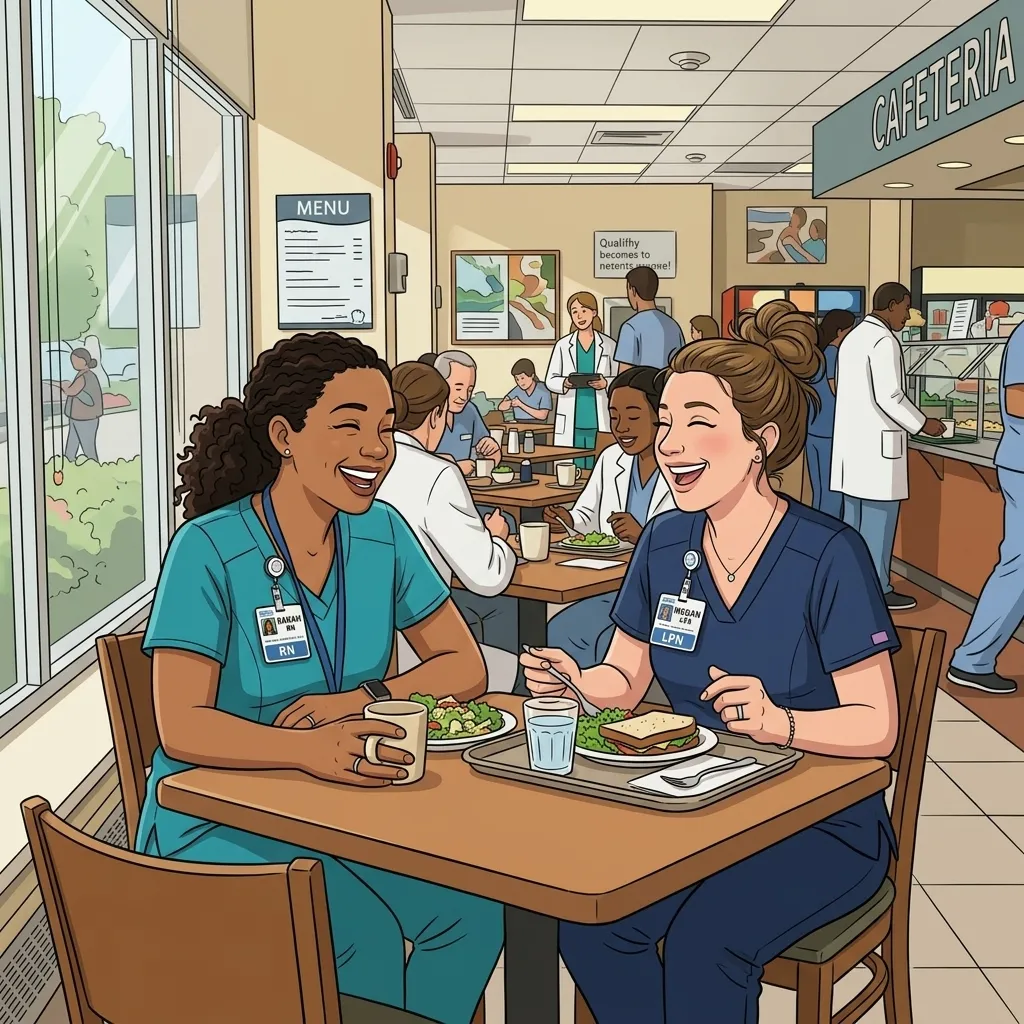
Strong social connections both within and outside nursing provide crucial stress buffering. Relationships with colleagues who understand the profession’s unique challenges, combined with personal relationships that provide perspective and emotional support, create a robust resilience foundation.
Make time for relationships even when busy. Schedule regular contact with friends, maintain family connections, and nurture workplace friendships. These relationships provide emotional support, practical assistance, and reminders of life beyond nursing.
When to Seek Professional Help {#professional-help}
While self-care strategies and organizational support are valuable, sometimes professional mental health intervention becomes necessary. Recognizing when you need additional help and actually seeking it demonstrates strength, not weakness.
Warning Signs That Professional Help Is Needed
Consider seeking professional support if you experience:
Persistent emotional exhaustion: Feeling emotionally drained most days, even after adequate rest, for several weeks or months
Physical symptoms: Chronic headaches, digestive problems, insomnia, or other stress-related physical symptoms that don’t improve with self-care
Cognitive difficulties: Significant trouble concentrating, making decisions, or remembering important information that affects your work performance
Mood changes: Persistent sadness, hopelessness, irritability, or anxiety that interferes with daily functioning
Substance use concerns: Increasing reliance on alcohol, prescription medications, or other substances to cope with stress
Relationship problems: Work stress is significantly straining your personal relationships or causing social withdrawal
Thoughts of self-harm: Any thoughts of hurting yourself or that life isn’t worth living require immediate professional attention.
Loss of purpose: Feeling completely disconnected from the meaning in your work or questioning whether you can continue nursing
Recurrent intrusive thoughts: Repeatedly reliving traumatic patient experiences or unable to stop thinking about work during off-time
Types of Professional Support Available
Employee Assistance Programs (EAPs): Most healthcare organizations offer confidential counseling services through EAPs, typically providing several free sessions with licensed therapists. These programs exist specifically to support employee mental health and are completely confidential.
Individual therapy: Working with a psychologist, licensed professional counselor, or clinical social worker provides personalized support for managing stress, processing difficult experiences, and developing healthier coping strategies. Therapies like cognitive behavioral therapy, acceptance and commitment therapy, and trauma-focused therapy have strong evidence supporting their effectiveness for stress and burnout.
Group therapy or support groups: Connecting with other nurses facing similar challenges provides validation, reduces isolation, and allows sharing of coping strategies. Some organizations offer nurse-specific support groups, or you might find community-based options.
Psychiatric care: If stress has triggered significant anxiety, depression, or other mental health conditions, consulting with a psychiatrist about medication options may be appropriate. Medication combined with therapy often provides better outcomes than either alone for moderate to severe symptoms.
Crisis services: If experiencing thoughts of self-harm or suicide, immediate help is available through the National Suicide Prevention Lifeline (988), Crisis Text Line (text HOME to 741741), or your local emergency department.
Overcoming Barriers to Seeking Help
Many nurses hesitate to seek mental health support due to stigma, concerns about professional consequences, or the belief they should handle everything themselves. These barriers, while understandable, prevent nurses from accessing support that could significantly improve their Well-being.
Stigma concerns: Mental health challenges don’t indicate weakness or incompetence. Seeking help demonstrates self-awareness and commitment to maintaining your ability to provide excellent patient care. The culture around mental health in nursing is slowly shifting, with more nurses speaking openly about their struggles and recovery.
Licensing fears: Seeking mental health treatment does not jeopardize your nursing license. Licensing boards are concerned with your ability to practice safely, not whether you’ve sought counseling. Most states specifically prohibit discrimination based on mental health treatment history.
Time and cost: While these are legitimate concerns, many options exist. Virtual therapy accommodates irregular schedules, EAPs provide free initial sessions, and some therapists offer sliding scale fees. Community mental health centers often provide affordable services.
Cultural considerations: If cultural factors influence your willingness to seek mental health support, look for providers who understand your cultural background or consider culturally-specific support resources.
What to Expect from Professional Support
Many nurses have never engaged with mental health services and feel uncertain about what to expect. Initial sessions typically involve discussing your concerns, background, and goals for treatment. The therapist will ask questions to understand your situation and collaboratively develop a treatment plan.
Effective therapy requires active participation. Your therapist provides tools, insights, and support, but you’re responsible for implementing strategies between sessions. Progress isn’t linear—you’ll have good weeks and challenging weeks, and that’s completely normal.
Creating Your Personal Stress Management Plan {#personal-plan}
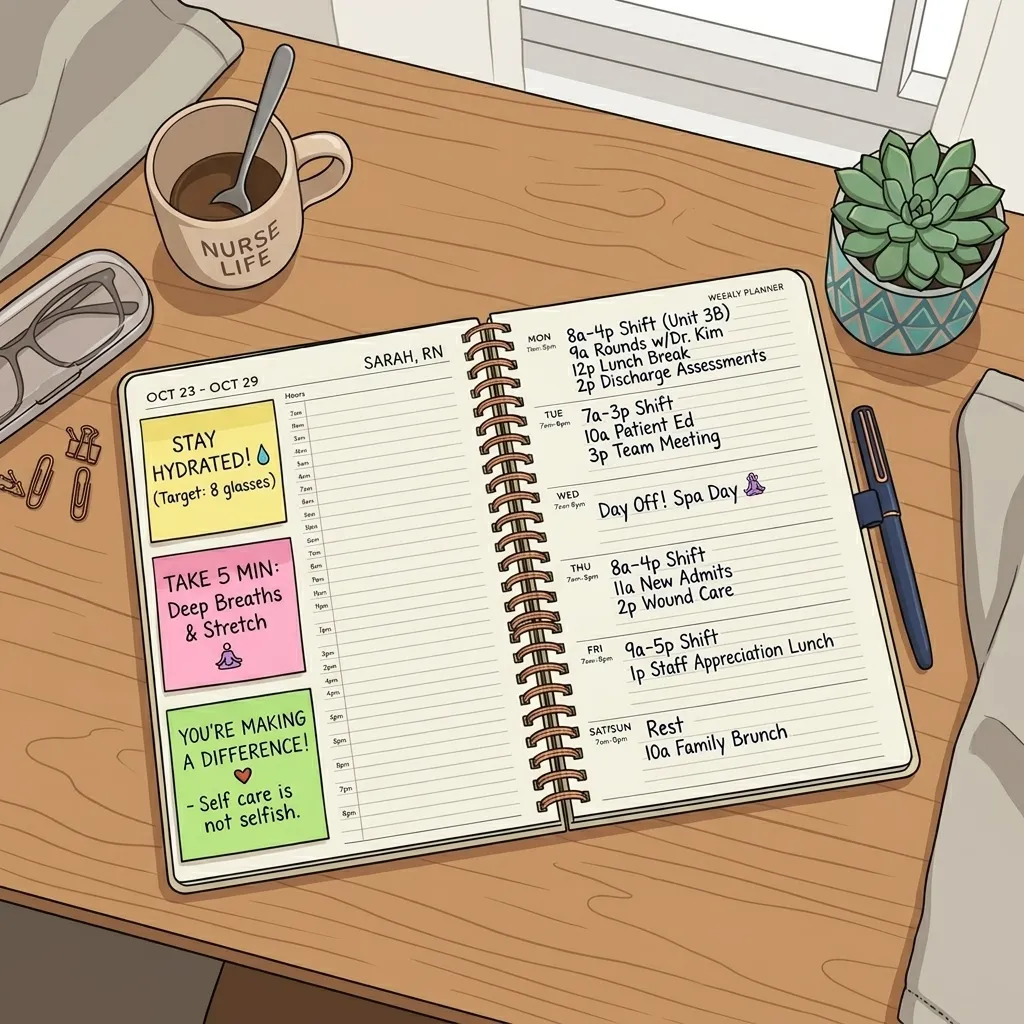
Developing a personalized stress management plan translates general strategies into specific actions tailored to your unique circumstances, stressors, and preferences. This proactive approach helps you implement stress management consistently rather than only reacting during crises.
Step 1: Identify Your Personal Stress Triggers
Begin by recognizing what specifically triggers stress for you. While nursing involves universal stressors, individual responses vary. Keep a stress journal for two weeks, noting:
- What situations increased your stress levels
- Physical sensations associated with stress
- Thoughts running through your mind during stressful moments
- How you responded to the stressor
- What made stressful situations better or worse
Common triggers might include specific patient populations, particular shifts or units, conflicts with colleagues, administrative tasks, or witnessing patient suffering. Understanding your unique triggers allows targeted intervention.
Step 2: Recognize Your Early Warning Signs
Stress manifests differently in each person. Some nurses experience physical symptoms first—tension headaches, stomach upset, or muscle pain. Others notice emotional changes like irritability, anxiety, or sadness. Still others observe behavioral shifts such as sleep disturbances, social withdrawal, or increased substance use.
List your personal early warning signs across physical, emotional, cognitive, and behavioral domains. Share this list with trusted colleagues or family members who can help you recognize when stress is escalating.
Step 3: Build Your Stress Management Toolkit
Select specific strategies from various categories:
Immediate stress relief techniques (under 5 minutes):
- Deep breathing exercises
- Brief stretching or movement
- Stepping outside for fresh air
- Drinking water
- Quick mindfulness check-in
Regular practices (daily or several times weekly):
- Exercise routine
- Meditation or mindfulness practice
- Journaling
- Connecting with a support network
- Hobbies and enjoyable activities
Periodic practices (weekly or monthly):
- Therapy or counseling sessions
- Massage or bodywork
- Nature outings
- Social gatherings with friends
- Professional development activities
Choose 2-3 strategies from each category that appeal to you and seem feasible given your schedule and preferences. Don’t overwhelm yourself with elaborate plans; start small and build gradually.
Step 4: Set Boundaries and Priorities
Explicitly define boundaries around:
Work hours: How often will you work overtime? Under what circumstances will you pick up extra shifts? When do you need consecutive days off?
Communication: When will you respond to work-related calls or messages during off-time? Will you check your work email at home?
Physical limits: How long can you work before requiring breaks? What signals indicate you need to step away briefly?
Emotional capacity: What situations require you to seek immediate support? When do you need to debrief with colleagues?
Personal time: What activities are non-negotiable for your Well-being? How will you protect time for relationships, hobbies, and rest?
Step 5: Identify Your Support System
Map your support network, including:
Professional support: Colleagues who understand nursing challenges, mentors, nurse managers, EAP counselors, therapists
Personal support: Family, friends, spiritual community, social groups
Resources: Crisis hotlines, online communities, professional organizations
Keep contact information easily accessible. During high-stress periods, reaching out feels more difficult, so having this information readily available reduces barriers to seeking support.
Step 6: Create an Action Plan for Crisis Situations
Develop a specific plan for when stress becomes overwhelming:
- Immediate safety: If experiencing thoughts of self-harm, I will [call 988, go to the emergency department, contact a specific support person]
- Acute stress: When stress feels unmanageable, I will [take a personal day, contact EAP, use a specific grounding technique]
- Support activation: I will contact [specific person’s name] when I need to talk through difficult situations
- Professional help threshold: I will schedule therapy if [specific symptoms persist for a specific duration]
Step 7: Schedule Regular Check-Ins
Set monthly or quarterly times to review your stress management plan. Ask yourself:
- Which strategies have I been using consistently?
- What’s working well for managing my stress?
- What barriers have prevented implementation?
- Have my stressors or circumstances changed?
- Do I need to adjust my plan?
This regular reflection ensures your plan remains relevant and effective rather than becoming another abandoned intention.
Step 8: Share Your Plan
Consider sharing relevant portions of your stress management plan with:
- Your nurse manager (particularly boundaries around scheduling and workload)
- Close colleagues (so they can support you and recognize warning signs)
- Family or close friends (helping them understand your needs and how to support you)
- Your therapist or counselor (if you’re working with one)
Sample Stress Management Plan Template
My Personal Stress Triggers: [List top 3-5 specific triggers]
My Early Warning Signs:
- Physical: [Your specific symptoms]
- Emotional: [Your specific symptoms]
- Behavioral: [Your specific symptoms]
My Daily Practices:
- Morning: [Specific practice, time]
- During breaks at work: [Specific technique]
- After shift: [Specific decompression activity]
- Before bed: [Specific wind-down routine]
My Weekly Commitments:
- [Activity and scheduled time]
- [Activity and scheduled time]
My Boundaries:
- Work hours: [Your specific limits]
- Extra shifts: [Your criteria]
- Off-time availability: [Your specific boundaries]
My Support Contacts:
- Work friend for venting: [Name and contact]
- Family support: [Name and contact]
- Professional help: [EAP number, therapist contact]
- Crisis support: [Relevant hotline numbers]
My Crisis Plan: When stress becomes overwhelming, I will [specific steps]
Acknowledgments
I would like to thank my colleagues across Emergency, Pediatric, Intensive Care, and General Ward settings in the Ghana Health Service for their invaluable insights and shared experiences that informed this article. Special appreciation to the nursing researchers and mental health professionals worldwide who continue advancing our understanding of healthcare workers’ Well-being through rigorous scientific study. I’m grateful to the Nurses and Midwifery Council (NMC) Ghana and the Ghana Registered Nurses and Midwives Association (GRNMA) for their ongoing commitment to supporting nursing professionals’ health and development. Finally, thank you to every nurse who has shared their story of struggle and resilience—your honesty helps break down stigma and creates space for others to seek the support they deserve.
Frequently Asked Questions (FAQs) {#faqs}
Q: Is workplace stress normal for nurses, or does it mean I’m not cut out for nursing?
A: Workplace stress is unfortunately extremely common in nursing, with recent studies showing nearly two-thirds of nurses experiencing burnout regularly. Feeling stressed doesn’t indicate personal weakness or unsuitability for the profession. Nursing involves genuinely stressful conditions: high stakes, emotional demands, physical challenges, and often inadequate organizational support. The key is developing effective stress management strategies and recognizing when stress levels become unsustainable. If you’re passionate about patient care but struggling with stress, you belong in nursing—you just need better support and tools to manage the inherent challenges.
Q: How can I manage stress when my workplace is chronically understaffed?
A: Chronic understaffing creates impossible situations where perfect stress management won’t eliminate the fundamental problem. However, you can protect yourself: set firm boundaries about overtime and extra shifts, prioritize tasks ruthlessly during shifts, document unsafe conditions in writing to management, use every break for brief stress relief practices, and connect with colleagues for mutual support. Most importantly, advocate vocally for adequate staffing while recognizing that you cannot singlehandedly solve systemic problems. If organizational issues don’t improve despite advocacy, sometimes the healthiest choice is seeking employment elsewhere.
Q: When should I consider leaving nursing due to stress?
A: Consider leaving your current position (though not necessarily nursing entirely) if chronic stress persists despite implementing good personal stress management strategies, organizational issues remain unaddressed despite advocacy, your physical or mental health is seriously deteriorating, you’re experiencing compassion fatigue that affects your ability to provide safe care, or work stress is significantly damaging your personal relationships and quality of life. However, before leaving nursing entirely, explore different specialties, settings, or roles. Many nurses find renewed satisfaction in non-bedside positions, different clinical areas, or reduced hours. Consulting with a career counselor or therapist can help you make this significant decision thoughtfully.
Q: How do I find time for stress management when I barely have time for basic self-care?
A: The time challenge is real and valid. Start extremely small—literally one or two minutes. Three deep breaths between patient rooms, a 30-second shoulder roll, or briefly stepping outside takes minimal time but provides genuine benefit. Micro-practices throughout your day accumulate significant impact. Also, examine where time actually goes: do you spend 30 minutes scrolling social media that could become a stress-relieving walk? Are you saying yes to extra shifts when you desperately need rest? Often, we do have time but haven’t prioritized self-care as highly as other demands. Finally, recognize that developing stress management habits requires initial time investment but eventually becomes automatic, actually increasing your efficiency and energy.
Q: Should I tell my manager or employer about my stress and mental health struggles?
A: This depends on several factors, including your relationship with management, your organization’s culture around mental health, and the severity of your situation. If your workplace has supportive leadership and robust mental health resources, disclosing your struggles may connect you with helpful accommodations or support. However, in environments where mental health concerns are stigmatized or used against employees, discretion may be wiser. You might share with management that workload or scheduling is impacting your Well-being without detailed personal disclosure. Always prioritize your safety and Well-being in making this decision. Your EAP or therapist can provide confidential support without disclosure to your employer.
Q: Are there specific stress management techniques that work best for night shift nurses?
A: Night shift creates unique stress due to circadian rhythm disruption and social isolation. Prioritize sleep above almost everything else—use blackout curtains, white noise, and consistent sleep schedules. Create a wind-down routine after night shifts that signals your body it’s time to sleep (even though it’s daytime): dim lights, avoid screens, perhaps gentle stretching or meditation. Stay connected with day-shift friends and family through scheduled video calls or messages since your schedules don’t naturally align. Consider vitamin D supplementation due to limited sun exposure. Use light therapy in the evening before night shifts to help stay alert. The stress management fundamentals still apply, but timing and circadian considerations require adjustment.
Q: How do I support a colleague who seems to be struggling with work stress but hasn’t asked for help?
A: Approach with genuine care rather than diagnosis or judgment. You might say, “I’ve noticed you seem more stressed lately. I’m here if you want to talk.” Offer specific, concrete support: “I’m grabbing lunch, want to join me?” or “That patient situation was really tough—want to debrief?” Share your own experiences with stress to normalize struggling. Provide information about available resources (EAP, support groups) without pushing. Respect their privacy if they decline to discuss it. If you’re seriously worried about their safety, consult with your manager or employee health department about how to offer support while respecting confidentiality. Sometimes simply knowing someone notices and cares provides significant comfort.
Q: Does seeking mental health treatment affect my nursing license?
A: In the vast majority of cases, seeking mental health treatment does not affect nursing licensure. Most state boards of nursing specifically prohibit discrimination based solely on mental health diagnosis or treatment history. Boards are concerned with whether you can practice safely, not whether you’ve sought counseling. However, if mental health issues significantly impair your ability to practice safely, or if you develop dependence on controlled substances, that may trigger license considerations—but seeking treatment for these issues demonstrates responsibility rather than creating problems. If you have specific concerns about your situation, consult your state board of nursing or an attorney specializing in professional licensing. The risk of not seeking needed treatment far exceeds any licensing concerns.
Q: What’s the difference between normal stress and burnout requiring professional help?
A: Normal work stress involves temporary reactions to specific stressors that resolve with rest and basic self-care. You might have a difficult shift, feel tired and frustrated, but after time off, you feel recharged and ready to return. Burnout involves persistent physical and emotional exhaustion that doesn’t improve with rest, cynicism or detachment from work, and a reduced sense of personal accomplishment. Warning signs requiring professional help include: symptoms persisting for weeks or months despite rest, inability to sleep or sleeping excessively, significant changes in appetite or weight, persistent hopelessness or loss of purpose, increasing substance use, social withdrawal, difficulty concentrating that affects patient safety, or any thoughts of self-harm. If uncertain whether you need professional support, err on the side of seeking help—early intervention prevents more serious problems.
Q: Can stress management techniques really help, or is nursing just an inherently stressful profession?
A: Both statements are true. Nursing does involve inherent stressors that cannot be completely eliminated. However, research conclusively demonstrates that evidence-based stress management techniques significantly reduce stress symptoms, improve well-being, and enhance resilience even in high-stress professions. The goal isn’t eliminating all stress but developing skills to manage stress more effectively, recover more quickly, and prevent chronic stress from causing lasting harm. Studies show that techniques like mindfulness, exercise, social support, and cognitive behavioral strategies substantially reduce nursing burnout and improve quality of life. While organizational changes are also necessary, individual stress management skills provide meaningful benefits regardless of workplace conditions.
Q: How can I maintain compassion for patients when I’m feeling burned out?
A: Compassion fatigue is a recognized occupational hazard of healthcare work. First, acknowledge that feeling emotionally exhausted doesn’t make you uncaring or bad at your job—it means you’ve been giving tremendously to others without adequate support or recovery time. Paradoxically, addressing your own needs through stress management actually restores your capacity for compassion. Practice self-compassion first; you cannot pour from an empty cup. Set appropriate boundaries with patients to prevent emotional overextension. Seek regular emotional processing through supervision, peer support, or therapy. Remember that professional care doesn’t require feeling intense emotion for every patient—you can provide excellent care while maintaining some emotional distance. If compassion fatigue persists despite self-care, professional support can help you process accumulated emotional burden.
Q: What should I do if my workplace provides no mental health support or stress management resources?
A: Unfortunately, many healthcare organizations provide inadequate mental health support. You’ll need to be more proactive in seeking external resources: community mental health centers often provide affordable therapy, online therapy platforms accommodate irregular schedules, professional nursing organizations may offer support groups or resources, and free crisis hotlines provide immediate support during acute stress. Look into whether your health insurance covers mental health services. Consider connecting with other nurses online through forums or social media groups for peer support. Advocate within your organization for better resources by documenting the need and presenting evidence of how support programs benefit both nurses and patient outcomes. If the lack of support reflects broader organizational dysfunction, it may ultimately be healthier to seek employment elsewhere.
Conclusion {#conclusion}
Managing work-related stress represents one of the most critical challenges facing the nursing profession today. The statistics are sobering—nearly two-thirds of nurses are experiencing burnout, thousands are leaving the profession annually, and inadequate organizational support is leaving many nurses struggling alone. Yet these challenges don’t mean nursing careers must be unsustainable or that suffering is inevitable.
Throughout this article, we’ve explored handling job-induced stress in the nursing profession from multiple angles: understanding the unique nature of nursing stress, recognizing current crisis levels, identifying common stressors, acknowledging serious health impacts, implementing evidence-based individual techniques, advocating for organizational changes, utilizing technology tools, building long-term resilience, recognizing when professional help is needed, and creating personalized stress management plans.
The path forward requires action on multiple fronts. As individual nurses, we must prioritize our Well-being as seriously as we prioritize patient care, implementing practical stress management strategies and seeking help when needed. As colleagues, we must support one another, break down stigma around mental health struggles, and create workplace cultures of genuine care. As advocates, we must demand organizational changes that address the root causes of nursing stress rather than placing the entire responsibility on individual resilience.
My decade of clinical nursing experience across diverse settings has taught me that sustainable nursing careers require proactive stress management, strong boundaries, meaningful connections, and a willingness to ask for help. The nurses who thrive long-term aren’t those who somehow feel less stress—they’re those who’ve developed effective strategies for managing stress and recovering from its impacts.
You entered nursing to make a difference in patients’ lives. That purpose remains valid even when the system makes it challenging to fulfill. By caring for yourself as diligently as you care for others, you protect both your Well-being and your capacity to provide excellent nursing care for years to come.
If you’re struggling with workplace stress right now, please know you’re not alone, your feelings are valid, and help is available. Start with one small stress management practice today. Reach out to one supportive person. Take one step toward better balance. Your Well-being matters—not just for your patients’ sake, but for your own sake as a human being deserving of health, happiness, and fulfillment.
Medical Disclaimer: This article is for informational purposes only and does not constitute medical advice. Abdul-Muumin Wedraogo is a Registered General Nurse, but recommendations should not replace consultation with your healthcare provider. Always consult with a qualified physician or healthcare professional before starting any new treatment or intervention for stress or mental health concerns, especially if you have existing medical conditions or take medications. If you’re experiencing thoughts of self-harm or suicide, please seek immediate help through the National Suicide Prevention Lifeline (988), Crisis Text Line (text HOME to 741741), or your local emergency department.
References
- American Nurses Association. (2024). Healthy Nurse, Healthy Nation™: The Year that Moved Health Forward. https://www.nursingworld.org/practice-policy/work-environment/health-safety/healthy-nurse-healthy-nation/
- McKinsey & Company. (2024). Nursing in 2024: Key findings from a survey of US healthcare workers. https://www.mckinsey.com/industries/healthcare/our-insights/nursing-in-2024-key-findings-from-a-survey-of-us-healthcare-workers
- Medscape. (2024). Nurse Practitioner and Physician Assistant Burnout & Depression Report 2024. https://www.medscape.com/slideshow/2024-lifestyle-nurse-practitioner-physician-assistant-burnout-6016900
- American Nurses Foundation. (2025). 2025 Pulse on the Nation’s Nurses Survey. https://www.nursingworld.org/foundation/programs/pulse-surveys/
- McKinsey & Company. (2024). More than 100,000 healthcare workers have left the workforce. Here’s why. https://www.mckinsey.com/industries/healthcare/our-insights/more-than-100000-healthcare-workers-have-left-the-workforce-heres-why
- National Institutes of Health. (2024). Factors contributing to nursing burnout in the United States. BMC Nursing, 23(1). https://doi.org/10.1186/s12912-024-01990-0
- American Nurses Association. (2024). Nursing Stress Survey Results. https://www.nursingworld.org/
- Lee, Y. H., & Richards, J. (2023). Job stress and quality of life among nurses: A systematic review. Journal of Nursing Management, 31(2), 234-245. https://doi.org/10.1111/jonm.13456
- American Nurses Foundation. (2024). Mental Health and Wellness Survey 2023: An Unflinching Look at Work Conditions and Mental Health Among America’s Nurses. https://www.nursingworld.org/foundation/
- American Psychological Association. (2024). Stress effects on the body. https://www.apa.org/topics/stress/body
- Centers for Disease Control and Prevention. (2024). Stress and coping. https://www.cdc.gov/mental-health/stress-coping/
- Joolaee, S., Hajibabaee, F., Peyrovi, H., Haghani, H., & Bahrani, N. (2024). The effectiveness of mindfulness-based stress reduction in nurses’ occupational stress, mental health, and quality of life: A randomized controlled trial. Workplace Health & Safety, 72(1), 18-27. https://doi.org/10.1177/21650799231189652
- Kelly, L. A., Gee, P. M., & Butler, R. J. (2021). Impact of nurse burnout on organizational and position turnover. Nursing Outlook, 69(1), 96-102. https://doi.org/10.1016/j.outlook.2020.06.008
- World Health Organization. (2024). Mental health at work. https://www.who.int/news-room/fact-sheets/detail/mental-health-at-work
- National Institute for Occupational Safety and Health. (2024). Stress at work. Centers for Disease Control and Prevention. https://www.cdc.gov/niosh/topics/stress/
- The Joint Commission. (2024). Quick Safety Issue 70: Developing resilience to combat nurse burnout. https://www.jointcommission.org/resources/news-and-multimedia/newsletters/newsletters/quick-safety/
- American Heart Association. (2024). Stress and heart health. https://www.heart.org/en/healthy-living/healthy-lifestyle/stress-management
- Headspace Health. (2024). Headspace for Healthcare Workers. https://www.headspace.com/healthcare
- Calm. (2024). Mental health support for healthcare professionals. https://www.calm.com/
- Wysa. (2024). AI-powered mental health support. https://www.wysa.io/
- Harvard Health Publishing. (2024). Writing about emotions may ease stress and trauma. Harvard Medical School. https://www.health.harvard.edu/healthbeat/writing-about-emotions-may-ease-stress-and-trauma
- Mayo Clinic. (2024). Job burnout: How to spot it and take action. https://www.mayoclinic.org/healthy-lifestyle/adult-health/in-depth/burnout/art-20046642
- Agency for Healthcare Research and Quality. (2024). Preventing Burnout in Healthcare Professionals. U.S. Department of Health and Human Services. https://www.ahrq.gov/
- Khatatbeh, M., Al-Maqableh, H. O., Albashtawy, M., Khasawneh, A., Alfatafta, H., & Al-Tammemi, A. B. (2024). Mitigating nurses’ work-related stress, burnout, and turnover intentions: Review of supportive organisational strategies. International Journal of Public Health Science, 13(2), 851-861. https://doi.org/10.11591/ijphs.v13i2.23584
About the Author
Abdul-Muumin Wedraogo, RGN, BSN, is a Registered General Nurse with over 10 years of clinical experience across Emergency, Pediatric, Intensive Care, and General Ward settings with the Ghana Health Service. He holds a Bachelor of Science in Nursing from Valley View University and graduated from Premier Nurses’ Training College, Ghana.
Abdul-Muumin is a certified member of the Nurses and Midwifery Council (NMC), Ghana, and the Ghana Registered Nurses and Midwives Association (GRNMA). Having personally navigated the challenges of workplace stress throughout his nursing career, he is passionate about promoting evidence-based wellness strategies for healthcare professionals. He combines his extensive clinical expertise with technology insights (Diploma in Network Engineering, Advanced Professional in System Engineering) to provide evidence-based reviews of medical devices, health technology, and wellness resources for Western audiences at Muminmed.com.
His firsthand experience with the realities of high-stress hospital environments, from managing critical emergencies to supporting colleagues through difficult times, informs his practical, compassionate approach to healthcare worker wellness.