

Discover proven strategies for Enhancing Emotional Health for Nursing Professionals. Expert insights on resilience, stress management, and mental health support from an RGN with 10+ years of experience.

Introduction
Picture this: It’s hour eleven of your twelve-hour shift in the ICU. You’ve just lost a patient you’d been caring for all week, comforted a grieving family, mentored a new graduate nurse through her first code, and now you’re being asked to take on an additional patient assignment due to short staffing. Your back aches, your feet throb, but more concerning is the emotional weight pressing on your chest—a familiar companion that’s been growing heavier with each passing month.
If this scenario resonates with you, you’re not alone. Recent surveys indicate that over half of nurses report burnout symptoms, with 64% experiencing substantial stress from their jobs, according to the University of Tulsa. As Abdul-Muumin Wedraogo, a Registered General Nurse with over a decade of clinical experience spanning Emergency, Pediatric, Intensive Care, and General Ward settings, I’ve witnessed firsthand how the demands of our noble profession can chip away at our emotional reserves. I’ve felt the weight of compassion fatigue, experienced the sleepless nights after particularly difficult shifts, and struggled with the challenge of maintaining my own well-being while caring for others.
Enhancing emotional health for nursing professionals isn’t just about preventing burnout—it’s about thriving in a profession we love, providing excellent patient care, and building a sustainable career that nourishes rather than depletes us. Research demonstrates that nurses with good mental health show improved emotional regulation, superior stress management skills, and adoption of effective coping strategies, according to the Wiley Online Library.
In this comprehensive guide, I’ll share evidence-based strategies for boosting emotional wellness in healthcare work, drawing from current research, clinical expertise, and practical wisdom gained from years on the frontlines. Whether you’re a new graduate nurse or a seasoned professional, these approaches for strengthening emotional health for nurses can help you reclaim your well-being and rediscover the joy in nursing.
Disclosure: This article contains affiliate links. As an Amazon Associate and affiliate partner of various medical device retailers, Muminmed.com earns from qualifying purchases. This comes at no additional cost to you and helps support our work in providing evidence-based health information. All recommendations are based on clinical experience and research.
Table of Contents
Understanding the Emotional Health Crisis in Nursing
The Current State of Nursing Mental Health
The emotional well-being crisis among nursing professionals has reached alarming levels. Current data shows that 56% of nurses experience burnout, including emotional exhaustion, while 64% report feeling substantial stress due to their jobs, according to the American Nurses Association. These aren’t just statistics—they represent real nurses struggling daily with the psychological demands of healthcare.
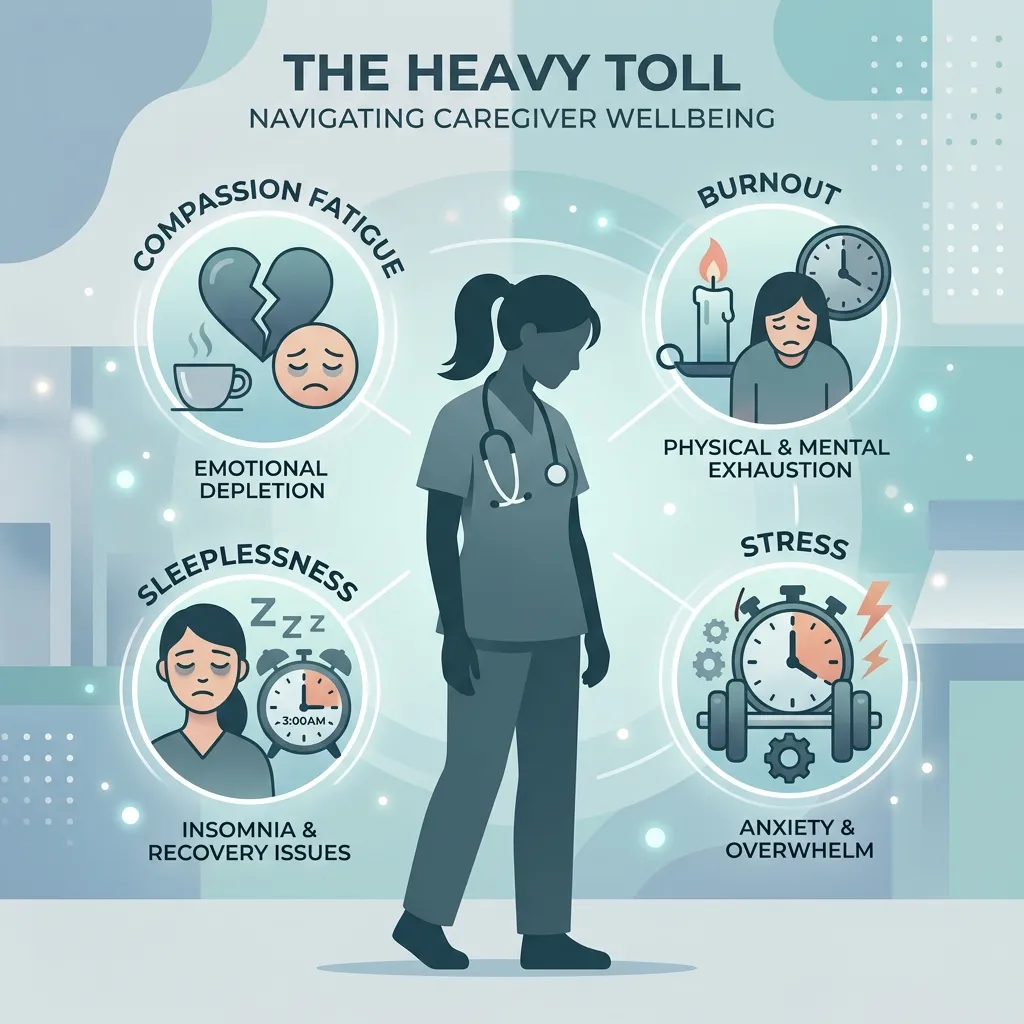
Nearly 20% of nurses consider themselves either not emotionally healthy or not at all emotionally healthy, according to Indiana Wesleyan University, with additional research suggesting considerable levels of diagnosable conditions, including depression and problematic coping mechanisms. The situation has been particularly challenging since the pandemic, with fewer than tenured nurses reporting higher dissatisfaction, increased likelihood of leaving their roles, and elevated burnout rates, according to McKinsey & Company.
From my own experience working across multiple high-acuity settings, I can attest that the emotional toll of nursing extends far beyond what statistics can capture. The constant exposure to human suffering, the weight of life-and-death decisions, the moral distress of working within a strained healthcare system—these factors accumulate over time, creating what researchers call allostatic load, or the cumulative burden of chronic stress.
Why Emotional Well-being Matters for Patient Care
The connection between nurse well-being and patient outcomes isn’t just theoretical. Research shows that nurse burnout is associated with lower patient safety climate and patient safety grade, more nosocomial infections, patient falls, medication errors, and adverse events, as well as lower patient satisfaction ratings and lower nurse-assessed quality of care, according to PubMed Central.
When we’re emotionally depleted, our cognitive function suffers. Stress affects nurses’ cognitive functions, including memory, concentration, and decision-making capacity, leading to increased rates of distractions, anxiety, irritability, and medication errors, according to PubMed Central. This creates a vicious cycle where poor emotional health leads to decreased work performance, which in turn generates more stress and guilt.
The Unique Challenges of Healthcare Work
Nurses face emotionally wrenching situations daily, from seeing patients in pain or mental distress to dealing with grieving families and patients’ financial concerns, according to Nevada State University. Over time, this constant exposure to suffering can lead to compassion fatigue—a condition where ongoing exposure to traumatized patients prompts a negative emotional response that makes effective work difficult.
Working in healthcare also means navigating understaffing, heavy patient loads, inadequate resources, and sometimes unsupportive leadership. These workplace factors, combined with individual stressors, contribute to sustained feelings of burnout that persist across years, according to McKinsey & Company.
The Science Behind Emotional Well-being and Resilience
Defining Emotional Resilience in Nursing
Emotional resilience isn’t about being tough or suppressing emotions. Rather, it’s the ability to adapt positively to stressful situations, recover from adversity, and grow through challenging experiences. Personal resilience has been conceptualized as the ability to cope successfully despite adverse circumstances, encompassing both physiological and psychological aspects PubMed Central.
Research indicates that resilience is not an innate, fixed characteristic but can be developed through carefully targeted interventions Taylor & Francis. This is encouraging news for nurses at any stage of their career—emotional resilience can be cultivated and strengthened over time.
The Connection Between Physical and Emotional Health
Nurses with compromised mental health have a higher likelihood of experiencing cardiovascular disease, cancer, diabetes, and other related conditions Wiley Online Library. Conversely, good mental health facilitates regulation of the inflammatory immune system, bolsters disease resistance, and promotes healthy behaviors, including proper dietary habits, sufficient sleep, and effective physical activity.
This bidirectional relationship between physical and emotional health means that strategies targeting one dimension often benefit the other. When we exercise regularly, eat nutritiously, and sleep adequately, we’re not just supporting our physical health—we’re building a foundation for emotional resilience.
Understanding Burnout Versus Stress
While stress and burnout are related, they’re distinct phenomena. Stress typically involves too much—too many demands, too much pressure, too little time. Burnout, however, involves not enough—not enough motivation, not enough energy, not enough care. Occupational burnout syndrome is characterized by emotional exhaustion, depersonalization, and a diminished sense of personal accomplishment PubMed Central.
During my years in the ICU, I learned to distinguish between the acute stress of a challenging shift and the chronic depletion of burnout. Acute stress resolved with rest and recovery; burnout required more comprehensive intervention and lifestyle changes.
Individual-Level Strategies for Improving Mental and Emotional State as a Nurse
Self-Awareness and Reflection
When nurses feel they’re going through difficult situations, they try to recognize and acknowledge that situation by exploring their inner selves, focusing on themselves to find out exactly what their situation and problems are through self-exploration, BMC Nursing. This self-awareness serves as a preparation process for problem-solving.
Practical strategies for developing self-awareness include:
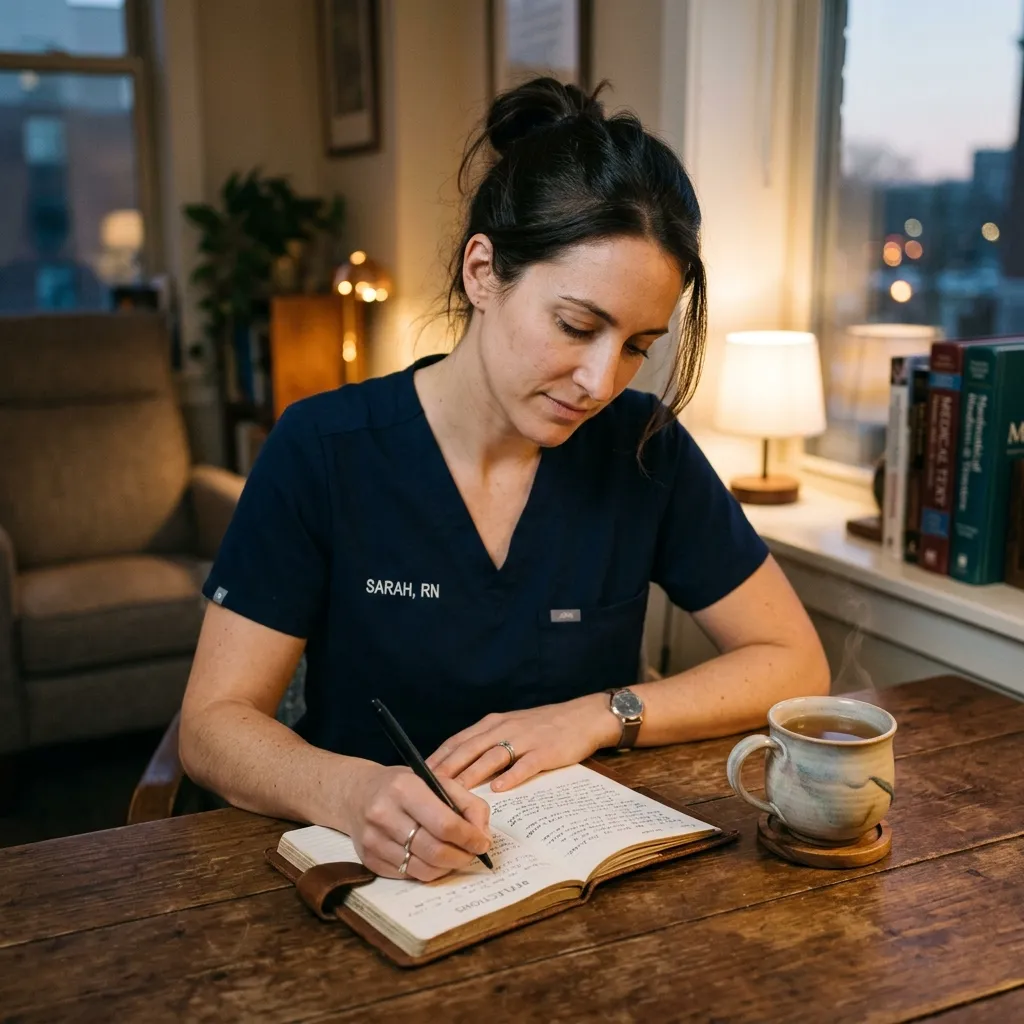
Journaling: Spend five to ten minutes daily writing about your experiences, emotions, and reactions. This helps identify patterns in your emotional responses and recognize early warning signs of distress.
Mindful Check-ins: Throughout your shift, pause briefly to assess your emotional state. Ask yourself: How am I feeling right now? What do I need? This simple practice builds emotional intelligence.
Post-Shift Reflection: After particularly challenging shifts, take time to process what happened. What went well? What was difficult? What can you learn from the experience?
Setting Boundaries
One of the most crucial skills for sustaining emotional wellness in nursing involves learning to set healthy boundaries. This includes:
Saying No When Necessary: You cannot pour from an empty cup. It’s okay to decline extra shifts when you need rest, or to refuse assignments that would compromise your well-being or patient safety.
Leaving Work at Work: While easier said than done, developing rituals that help you transition from work mode to personal time is essential. This might include changing clothes immediately after your shift, listening to specific music during your commute, or practicing a brief meditation before entering your home.
Protecting Time Off: Your days off are for recovery and rejuvenation. Resist the temptation to constantly check work emails or respond to unit needs unless you’re officially on call.
Developing Emotional Intelligence
To cope with stressors and make correct decisions in critical conditions, nurses adopt measures like emotional intelligence and self-compassion PubMed Central. Emotional intelligence involves recognizing your own emotions and those of others, understanding what these emotions mean, and managing your emotional responses effectively.
Steps to enhance emotional intelligence:
- Practice naming emotions specifically rather than using general terms like “bad” or “stressed.”
- Recognize emotional triggers and develop alternative responses
- Learn to sit with uncomfortable emotions rather than immediately trying to fix or suppress them
- Develop empathy for yourself as you would for your patients
Self-Compassion Practices
Self-compassion is defined as the nurse’s awareness of one’s own emotions and a desire to help patients, with a willingness to be nonjudgmental as well as having the same for oneself, promoting psychological well-being PubMed Central.
Treat yourself with the same kindness and understanding you extend to your patients. When you make a mistake or face a difficult situation, speak to yourself as you would to a colleague who’s struggling. Replace self-criticism with self-compassion, recognizing that imperfection is part of being human.
Mindfulness and Meditation Practices
The Evidence for Mindfulness in Nursing
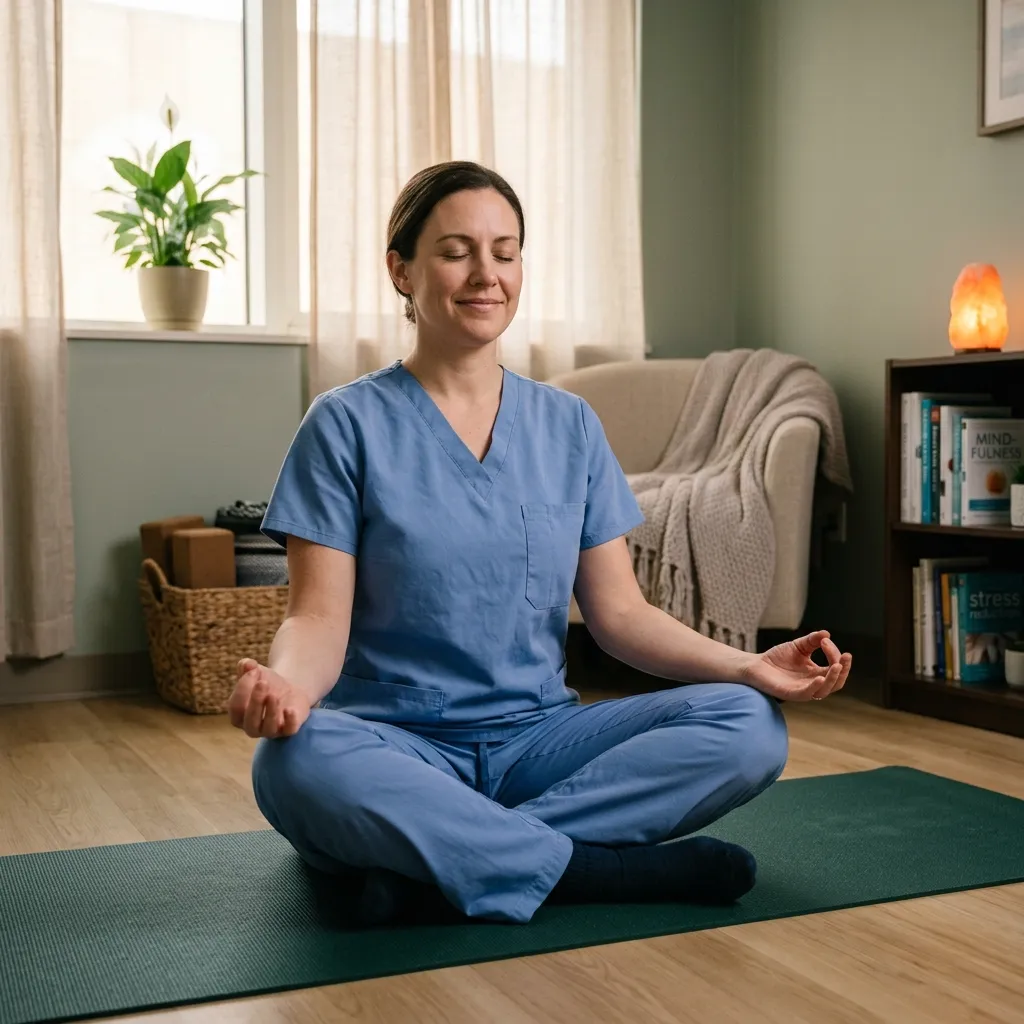
Studies examining people who meditate over time show changes in the brain related to stress and anxiety, with mindfulness training showing positive impacts on psychosocial well-being and both physical and mental health, OJIN. For nurses specifically, mindfulness interventions have demonstrated reductions in stress, burnout, and anxiety.
Mindfulness techniques like meditation, deep-breathing exercises, and daily mindfulness practices can help manage stress and enhance focus in nursing education. Even brief periods of mindfulness practice yield benefits—research shows that just five minutes of aerobic exercise or meditation can stimulate anti-anxiety effects.
Practical Mindfulness Techniques for Busy Nurses
Box Breathing (4-4-4-4): Inhale for four counts, hold for four counts, exhale for four counts, hold for four counts. Repeat for two to three minutes. This technique activates the parasympathetic nervous system, promoting calm. I’ve used this countless times before difficult conversations with families or after stressful codes.
Body Scan Meditation: Starting with your toes and moving up to your head, systematically bring awareness to each part of your body, noticing sensations without judgment. This practice, which takes five to ten minutes, helps release physical tension and promotes relaxation.
Mindful Walking: During breaks, walk slowly and deliberately, paying attention to the sensation of your feet touching the ground, your breath, and your surroundings. This transforms a simple walk into a moving meditation.
Three-Minute Breathing Space: Stop what you’re doing, bring awareness to your present experience (thoughts, feelings, sensations), focus on your breath for a minute, then expand awareness back to your whole body and environment. This mini-meditation fits easily into a nursing shift.
Meditation Apps and Digital Resources
Several evidence-based apps can support your mindfulness practice:
Headspace: Research examining the effectiveness of the Headspace meditation application has shown a reduction in stress among healthcare workers, OJIN. The app offers guided meditations specifically designed for healthcare professionals, with sessions ranging from three to twenty minutes.
Calm: This research-based app provides tools to manage stress, sleep better, and live a healthier life, with over 500 Sleep Stories, soundscapes, and guided sleep meditations.
Healthy Minds: Created by neuroscientists at the University of Wisconsin-Madison, this app provides podcast-style lessons and meditation practices rooted in research on well-being Daily Nurse.
Fifth Window: Designed specifically for nurses, this app encourages you to check in with yourself, matches you with quick calming or grounding practices, and sends scheduled notifications for mindful breaks.
Most of these apps offer free trials, and some provide free access to healthcare workers. I recommend trying several to find which resonates with your preferences and schedule.
Physical Activity and Exercise for Emotional Health

The Mind-Body Connection
In the general population, exercise and physical activity are associated with greater mental well-being, reduced incidence of depression, improvements in mood and sleep quality, and reductions in stress ScienceDirect. For healthcare workers specifically, research demonstrates consistent evidence of psychological stress reduction and sleep quality improvement following exercise compared to non-active controls.
Physical activity positively affects nurses’ regulatory emotional self-efficacy, with exercise used to reduce fatigue and enhance health even in high-stress environments. The mechanisms behind these benefits are multifaceted, involving neurochemical changes, improved physical health, enhanced self-efficacy, and stress hormone regulation.
Types of Exercise for Emotional Well-being
Aerobic Exercise: Activities like walking, jogging, and cycling engage large muscle groups in rhythmic, repetitive movements, creating what experts call muscular meditation that is particularly effective at reducing stress. Aim for thirty minutes of moderate-intensity aerobic exercise most days of the week.
Strength Training: Research demonstrates that resistance exercise at low-to-moderate intensity produces reliable decreases in anxiety, with sessions lasting 60-90 minutes performed 2-3 times weekly showing marked improvements in overall well-being.
Yoga: This ancient practice combines physical postures with breathing techniques and mental focus, addressing stress both physically and mentally. Studies show that women practicing Hatha yoga three times weekly for four weeks experienced considerable reductions in stress levels.
Outdoor Activities: Activities like hiking or nature walks offer the dual benefits of exercise and exposure to nature, which research shows reduces stress and improves mood.
Team Sports: Participating in team sports provides exercise while offering social support and a sense of community—addressing multiple aspects of emotional well-being simultaneously.
Incorporating Movement Into Your Nursing Shift
Finding time for formal exercise can be challenging with nursing schedules, but movement opportunities exist throughout your workday:
- Take the stairs instead of the elevator when possible
- Walk briskly during your breaks instead of sitting in the break room
- Do simple stretches between patient care activities
- Park farther from the hospital entrance to add extra walking
- Suggest walking meetings with colleagues when appropriate
Even small changes can make a big difference, with studies showing that multiple 10-minute walks offer benefits similar to a single 30-minute session.
Building a Sustainable Exercise Routine
Start small and gradually build your activity level. If you’re not currently exercising, begin with ten to fifteen minutes of walking daily and gradually increase duration and intensity. Choose activities you genuinely enjoy—you’re much more likely to maintain an exercise routine that feels pleasant rather than punishing.
Consider finding a workout buddy among your nursing colleagues. Social support plays a vital role in exercise adherence, and sharing this commitment with someone who understands your schedule challenges can enhance motivation and accountability.
Sleep Optimization for Shift Workers
The Sleep Crisis Among Nurses
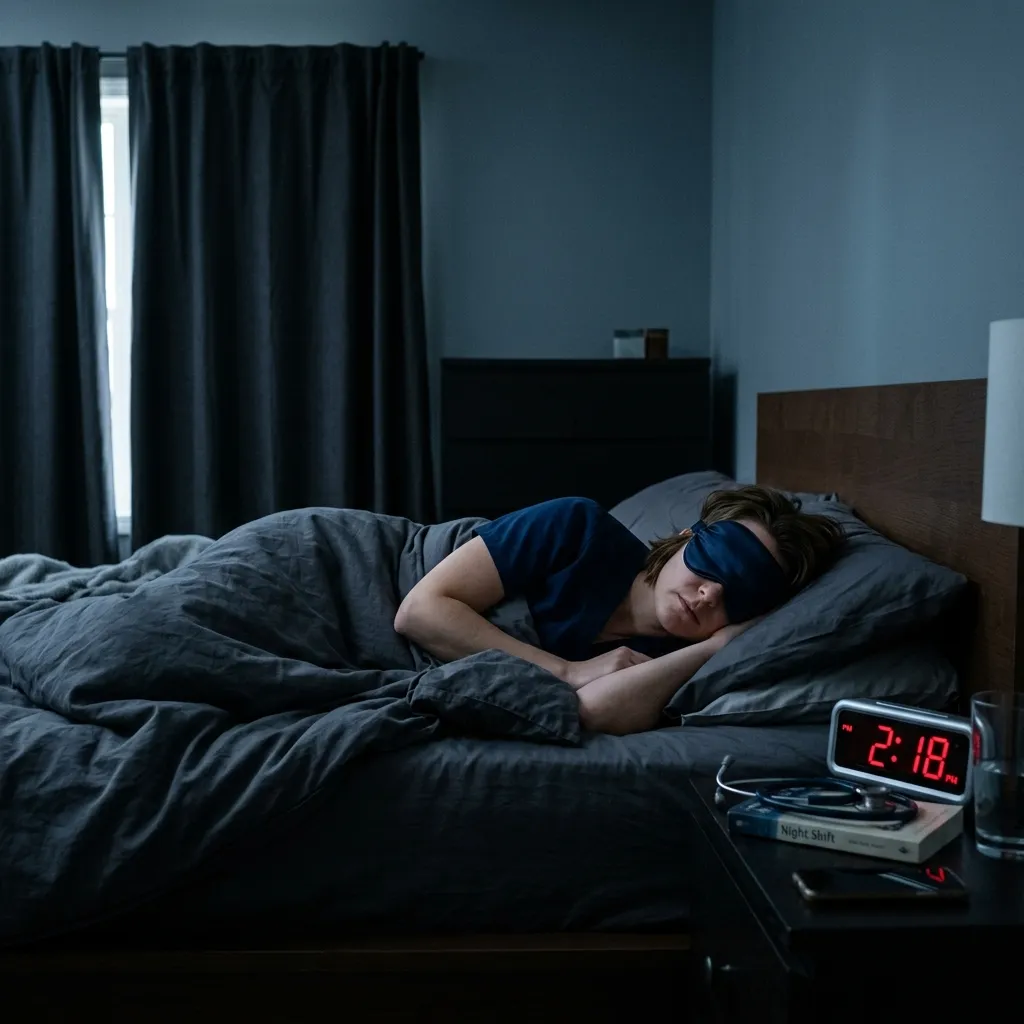
Sleep quality is fundamental for physical health, cognitive function, emotional well-being, and overall quality of life. Unfortunately, the constant adjustment between day and night shifts can disrupt nurses’ social lives, leading to feelings of isolation, stress, and depression. While working during nighttime hours, dealing with emergencies, and making critical decisions contribute to heightened anxiety levels, burnout, and emotional exhaustion, BMC Nursing.
Depression and anxiety rates of 58.82% and 62.08%, respectively, have been found in shift nurses, with these rates influenced by fatigue during shift work, psychological stress before, during, and after night shifts, and poor sleep quality. Frontiers.
From my own experience working rotating shifts, I can attest that sleep deprivation doesn’t just make you tired—it fundamentally alters your emotional regulation, decision-making abilities, and resilience to stress.
Strategies for Improving Sleep Quality
Optimize Your Sleep Environment:
- Use blackout curtains or an eye mask to create complete darkness
- Maintain a cool room temperature (around 65-68°F or 18-20°C)
- Use white noise machines or earplugs to block disruptive sounds
- Ensure your mattress and pillows provide adequate support
- Reserve your bedroom for sleep only—avoid working or watching TV in bed
Develop Pre-Sleep Rituals:
- Establish a consistent wind-down routine lasting thirty to sixty minutes before bed
- Avoid screens for at least one hour before sleep (blue light suppresses melatonin production)
- Practice relaxation techniques such as progressive muscle relaxation or guided imagery
- Take a warm bath or shower to help lower your body temperature
- Avoid caffeine for at least six hours before attempting sleep
Manage Post-Night Shift Sleep: Nurses working night shifts have identified coping strategies, including wearing dark sunglasses when driving home, sleeping in rooms with blackout curtains, and minimizing morning sunlight exposure PubMed Central. Additionally, research suggests that taking brief naps during night shifts and avoiding high-fat foods after midnight can improve subsequent sleep quality.
Address Shift Work Sleep Disorder:
If you’re experiencing persistent insomnia, excessive sleepiness, or sleep that doesn’t feel refreshing despite adequate duration, you may have shift work sleep disorder. Cognitive Behavioral Therapy for Insomnia and improved sleep hygiene practices can help address this condition Springer. Consult with your healthcare provider if sleep difficulties persist.
The Role of Napping
Strategic napping can be beneficial for shift workers. A twenty to thirty-minute nap before a night shift or during a break can improve alertness and performance. However, naps longer than thirty minutes may lead to sleep inertia (grogginess upon waking) and interfere with nighttime sleep.
Nutrition and Emotional Well-being

The Gut-Brain Connection
The relationship between nutrition and emotional health is profound. Your gut houses hundreds of millions of neurons that maintain constant communication with your brain. This gut-brain axis means that what you eat directly influences your mood, stress levels, and emotional resilience.
Nutritional Strategies for Emotional Health
Stable Blood Sugar: Fluctuating blood sugar levels can trigger mood swings, irritability, and anxiety. Eat regular meals combining complex carbohydrates, lean proteins, and healthy fats to maintain stable energy and mood throughout your shift.
Omega-3 Fatty Acids: Found in fatty fish (salmon, mackerel, sardines), walnuts, and flaxseeds, omega-3s support brain health and have been shown to reduce symptoms of depression and anxiety. Aim for two servings of fatty fish weekly or consider a high-quality fish oil supplement.
B Vitamins: Research has identified elevated plasma folate and vitamin B12 levels as protective factors for nurses’ mental health Wiley Online Library. B vitamins play crucial roles in neurotransmitter synthesis and can be obtained from whole grains, leafy greens, legumes, eggs, and fortified foods.
Hydration: Dehydration impairs cognitive function and mood. Keep a water bottle accessible during shifts and aim for adequate fluid intake throughout your workday.
Limit Caffeine: While caffeine can provide a temporary energy boost, excessive consumption—especially later in your shift—can interfere with subsequent sleep and increase anxiety. If you drink coffee, limit intake to morning hours and avoid consuming caffeine within six hours of when you plan to sleep.
Practical Meal Planning for Nurses
Prep Ahead: Use your days off to prepare healthy meals and snacks for the week ahead. Having nutritious options readily available makes healthy eating more feasible during busy shifts.
Pack Your Meals: Bringing food from home gives you control over what you eat and ensures you have nourishing options available, regardless of what the cafeteria offers or whether you have time to leave the unit.
Healthy Snacks: Keep nutrient-dense snacks easily accessible—nuts, fruit, yogurt, hummus with vegetables, or whole-grain crackers with cheese. These provide sustained energy without the crash that comes from sugary snacks.
Avoid Emotional Eating: Stress eating is common among nurses, but using food to cope with emotions typically backfires, leading to guilt and potential health consequences. When you feel the urge to eat for emotional reasons, pause and ask yourself what you truly need. Often, it’s rest, connection, or emotional release rather than food.
Building Social Support Networks

The Power of Connection
Research indicates that social support can attenuate stress responses, improve social connections, and mitigate physiological effects like cortisol and adrenaline, with building favorable interpersonal relationships in the workplace helping to reduce emotional and job-related stress for nurses PubMed Central.
Social support has been identified as a critical factor in nurses’ mental health, with workplace bullying or violence at workplaces showing significant correlation with anxiety, burnout, fatigue, and sleep disorders Wiley Online Library.
Types of Support to Cultivate
Peer Support: Peer support remains an evidence-based practice that is effective in supporting nurses and building their resilience, with formal peer supporters trained to support distressed nurse colleagues, building an environment of safety and connectedness. Lippincott Williams & Wilkins.
Consider establishing or joining a peer support group within your unit or facility. These groups provide a safe space to discuss challenges, share coping strategies, and normalize the emotional difficulties of nursing work.
Mentor Relationships: Both having a mentor and serving as a mentor can enhance resilience. Mentors provide guidance, perspective, and support during challenging times, while mentoring others can foster a sense of purpose and connection.
Professional Networks: Join professional nursing organizations, attend conferences (in-person or virtual), and connect with nurses working in different settings. These broader networks provide perspective, learning opportunities, and a sense of belonging to the larger nursing community.
Personal Relationships: Don’t neglect relationships outside of nursing. Friends and family who aren’t in healthcare can provide different perspectives and help you maintain identity beyond your professional role.
Cultivating Meaningful Connections
Be Intentional: In our busy lives, meaningful connections don’t happen automatically. Schedule regular time with friends and family, and honor those commitments as you would any important appointment.
Practice Vulnerability: Authentic connection requires vulnerability—sharing not just the highlights but also the struggles. Allow trusted people in your life to see your challenges and provide support.
Offer Support to Others: Connection is a two-way street. Be present for your colleagues when they’re struggling, offer practical help when you can, and celebrate their successes.
Address Conflict Constructively: Workplace relationships aren’t always harmonious. When conflicts arise, address them directly and respectfully rather than letting resentment build.
Organizational and Workplace Interventions
The Role of Healthcare Organizations
While individual strategies are important, improving nurses’ emotional health for nurses requires organizational commitment. Healthcare systems are focusing on strategies to enhance and sustain the health and well-being of their clinical workforce through infrastructure support, annual measurement and reporting, and leadership accountability PubMed Central.
Evidence-Based Workplace Interventions
Adequate Staffing: Appropriate nurse-to-patient ratios directly impact emotional well-being. Understaffing forces nurses to work harder, spend less time with each patient, and experience moral distress when they cannot provide the care they know patients deserve.
Supportive Leadership: Healthcare organizations are encouraged to implement and strengthen support mechanisms such as access to counseling services, peer support programs, and effective management practices to help mitigate the emotional toll of healthcare work and enhance job satisfaction and retention PubMed Central.
Debriefing After Critical Events: Organizations should provide opportunities for nurses to self-reflect, debrief, or validate themselves, with team camaraderie fostering resilience, PubMed Central. Structured debriefing after particularly challenging situations helps process emotions and learn from experiences.
Flexible Scheduling: When possible, allowing nurses input into their schedules and providing options for self-scheduling can improve work-life balance and reduce stress.
Professional Development Opportunities: Professional growth is a significant factor in building resilience, with opportunities for advancement and skill development enhancing nurses’ sense of competence and career satisfaction PubMed Central.
Advocating for Change
As nurses, we can advocate for organizational changes that support emotional well-being:
- Participate in shared governance and unit-based councils
- Provide feedback through official channels when policies or practices harm well-being
- Support nursing unions and professional organizations working for systemic change
- Mentor and protect new nurses, helping them develop resilience and healthy coping strategies
Professional Mental Health Resources
Employee Assistance Programs (EAPs)
Employee assistance programs are voluntary, confidential programs that help employees work through various life challenges that may adversely affect job performance, health, and personal well-being, including services such as assessments, counseling, and referrals for additional services, Nurse.org.
Most healthcare employers offer EAPs that typically include:
- Confidential counseling sessions (usually three to eight sessions per issue)
- Crisis intervention services
- Referrals for long-term mental health care
- Resources for work-life balance issues
- Legal and financial consultation
Host Healthcare’s EAP provides up to six virtual or in-person counseling sessions per household for discussions around self-care, mental health issues, legal matters, physical health, and finances Host Healthcare. Check with your human resources department to understand what your specific EAP offers.
When to Seek Professional Help
Consider professional mental health support if you’re experiencing:
- Persistent sadness, hopelessness, or loss of interest in activities you once enjoyed
- Anxiety that interferes with daily functioning
- Difficulty sleeping or sleeping too much
- Changes in appetite or weight
- Thoughts of self-harm or suicide
- Substance use to cope with stress
- Inability to function effectively at work or home
- Relationship problems stemming from work stress
Remember, seeking help is a sign of strength, not weakness. Unfortunately, 56% of nurses believe that mental health challenges are stigmatized in their profession, with two-thirds not receiving mental health support McKinsey & Company. We must work to change this culture.
Types of Mental Health Support
Therapy: Individual therapy with a licensed mental health professional can help you develop coping strategies, process difficult experiences, and address underlying mental health conditions. Cognitive Behavioral Therapy (CBT) and Eye Movement Desensitization and Reprocessing (EMDR) have strong evidence for treating work-related stress and trauma.
Coaching: Mental health coaching or nurse coaching provides support for goal-setting, behavior change, and developing healthy habits. While coaches don’t treat mental illness, they can help you implement wellness strategies and maintain accountability.
Psychiatry: If you’re diagnosed with a mental health condition requiring medication, a psychiatrist can prescribe and manage psychotropic medications in conjunction with therapy.
Group Therapy or Support Groups: Sharing experiences with others facing similar challenges can be validating and healing. Many areas offer support groups specifically for healthcare professionals.
Accessing Mental Health Care
Through Insurance: Most health insurance plans cover mental health services, though coverage varies. Check your policy’s mental health benefits and use your insurance company’s provider directory to find in-network clinicians.
Teletherapy Platforms: Services like BetterHelp, Talkspace, and others offer convenient access to licensed therapists via messaging, phone, and video. These platforms can be particularly helpful for nurses with irregular schedules.
Community Mental Health Centers: These facilities often offer services on a sliding scale based on income, making care more accessible.
Crisis Resources: If you’re in crisis, contact the National Suicide Prevention Lifeline (988), Crisis Text Line (text HOME to 741741), or go to your nearest emergency department. These services are available 24/7.
Technology Tools and Apps for Emotional Wellness
Mental Health and Wellness Apps
Moodfit: This free app helps monitor mental health and emotions, offering tools such as mood tracking, CBT-based thought records, mindfulness exercises, and gratitude journaling Daily Nurse. It’s particularly helpful for nurses with hectic schedules who want to stay balanced.
Aloe Bud: Marketed as your self-care pocket companion, this app offers activities, information, exercises, and tips for self-care, including reminders for basic needs like hydration, movement, and breaks.
What’s Up: This application incorporates cognitive-behavioral therapy and acceptance-commitment therapy methods to eliminate negative thoughts before they affect mood and behavior, with users reporting that it provides valuable strategies to minimize anxiety.
Reflectly: An AI-powered journaling app that removes stress from traditional journaling, helping nurses manage and track moods and daily ups and downs.
Sleep Apps
Sleep Cycle: This app analyzes your sleep patterns using your phone’s sensors and wakes you during your lightest sleep phase within a specified time window, helping you feel more refreshed upon waking.
Breathe: Offers sleep stories, guided meditation, and bedtime visualization specifically designed to help with sleep after difficult shifts.
Fitness and Movement Apps
Nike Training Club: Provides free workout videos ranging from five to forty-five minutes, with options for all fitness levels and no equipment required.
Yoga for Beginners: Offers gentle yoga sequences perfect for stress relief and body tension release, with sessions as short as ten minutes.
Important Considerations for App Use
While apps can be helpful tools, they aren’t substitutes for professional mental health care when needed. Research on mobile mindfulness interventions notes that lower app usage than expected is a component of mobile intervention delivery that requires further study, with identification of methods to increase user engagement among busy, time-limited nurses needed PubMed Central.
Use apps as supplements to, not replacements for, the fundamental strategies discussed in this article—adequate sleep, physical activity, nutrition, and social connection remain paramount.
Creating Your Personal Well-being Action Plan

Assessing Your Current State
Begin by honestly evaluating your current emotional well-being. Consider:
- How would you rate your overall emotional health on a scale of 1-10?
- What are your biggest sources of stress?
- Which areas of self-care are you neglecting?
- What coping strategies have you found helpful in the past?
- What barriers prevent you from taking better care of yourself?
Setting Realistic Goals
Based on your assessment, identify two to three specific, achievable goals for improving your emotional well-being. Make them SMART: Specific, Measurable, Achievable, Relevant, and Time-bound.
Examples:
- “I will practice ten minutes of meditation before bed four nights per week for the next month.”
- “I will pack healthy lunches for work three times per week.”
- “I will decline all extra shifts for the next two months to prioritize rest and recovery.”
Building Your Support System
Identify people who can support your well-being goals:
- Who can you call when you’re having a difficult day?
- Which colleagues can you trust to debrief with after challenging shifts?
- Who will hold you accountable for your self-care commitments?
- What professional resources (EAP, therapist, etc.) do you have access to?
Creating Micro-Habits
Nurses demonstrate resilience by developing personal strategies for overcoming adversity and building professionalism, showing a desire to improve inner strength through self-examination, BMC Nursing.
Rather than overhauling your entire life at once, start with small, consistent changes:
- Five-minute meditation sessions
- Ten-minute walks on breaks
- One healthy meal packed from home per week
- Brief phone call with a friend once weekly
These micro-habits build upon each other, creating sustainable change over time.
Monitoring Progress
Check in with yourself regularly—perhaps weekly or biweekly—to assess:
- Are you making progress toward your goals?
- What’s working well?
- What obstacles have you encountered?
- Do your goals need adjustment?
Remember, progress isn’t linear. There will be setbacks and difficult weeks. The goal isn’t perfection but rather gradual, sustainable improvement in your overall emotional well-being.
Celebrating Success
Acknowledge and celebrate your efforts to improve your emotional health. This might mean:
- Journaling about what you’ve accomplished
- Sharing successes with your support system
- Treating yourself to something enjoyable (not related to food) when you reach milestones
- Simply pausing to notice how much better you feel
Acknowledgments
I would like to express my gratitude to my colleagues across emergency, pediatric, intensive care, and general ward settings who have shared their wisdom, vulnerabilities, and resilience strategies over the years. Your collective experience has deeply informed this article.
Special thanks to the researchers and healthcare organizations worldwide who continue to study nursing well-being and develop evidence-based interventions. Your work provides the scientific foundation that validates what many nurses intuitively know about the importance of self-care.
I’m also grateful to the nursing professional organizations—including the American Nurses Association, the National Academy of Medicine’s Action Collaborative on Clinician Well-Being and Resilience, and the International Council of Nurses—for their ongoing advocacy for nurse well-being.
Finally, thank you to the nursing community for your continued dedication to patient care, even as you navigate immense personal and professional challenges. Your resilience inspires this work.
Frequently Asked Questions (FAQs)
Q: How can I practice self-care when I barely have time to eat during my shift?
A: Start incredibly small. Self-care doesn’t have to be hour-long spa sessions or elaborate rituals. It can be taking three deep breaths before entering a patient’s room, drinking water consistently throughout your shift, or spending two minutes stretching your neck and shoulders. Build micro-moments of self-care into your existing routine rather than trying to add entirely new activities. Even thirty seconds of mindful breathing can help reset your nervous system.
Q: Is it normal to cry after shifts or feel emotionally numb?
A: Both crying and emotional numbing are common responses to the emotional demands of nursing, but neither should be your persistent state. Occasional crying after particularly difficult shifts is a healthy emotional release. However, if you’re crying after every shift or feeling consistently numb and disconnected, these may be signs of compassion fatigue or burnout that warrant professional support. Don’t hesitate to reach out to your EAP or a mental health professional.
Q: How do I know if I’m experiencing burnout versus just normal job stress?
A: Stress typically involves too much—too many demands, too much pressure, too little time. When stress resolves with rest and time off, it’s likely situational stress. Burnout, however, involves not enough—not enough motivation, energy, or care. With burnout, even after vacation, you dread returning to work. You may feel cynical about nursing, emotionally exhausted regardless of how much you rest, and disconnected from the sense of purpose that initially drew you to nursing. Burnout requires more comprehensive intervention than stress management alone.
Q: Can supplements help with stress and anxiety related to nursing work?
A: While certain supplements may support mental health—such as omega-3 fatty acids, vitamin B complex, magnesium, and adaptogenic herbs—they should complement, not replace, foundational strategies like adequate sleep, nutrition, exercise, and stress management. Always consult with your healthcare provider before starting supplements, especially if you take medications or have health conditions. Some supplements can interact with medications or may not be appropriate for your specific situation.
Q: My hospital doesn’t provide adequate mental health support. What can I do?
A: Start by fully utilizing whatever resources are available, including your EAP. Look for external resources such as community mental health centers, teletherapy platforms, or support groups for healthcare professionals. Additionally, advocate for better support by working through shared governance structures, nursing unions, or professional organizations. Document the need for better mental health resources and present this information to leadership. Sometimes, creating informal peer support groups among colleagues can provide immediate help while working toward systemic change.
Q: How can I maintain compassion for patients when I’m emotionally depleted?
A: First, recognize that compassion fatigue is a real occupational hazard of caring professions—it doesn’t make you a bad nurse. Focus on self-compassion first; you cannot pour from an empty cup. Practice the fundamental self-care strategies outlined in this article, particularly those addressing sleep, nutrition, and emotional processing. Consider whether you need to reduce your work hours temporarily or take a leave of absence to recover. Sometimes, switching to a different type of nursing or taking on roles with less direct patient care can help you recover while remaining in the profession.
Q: Is it worth trying meditation if I’m not naturally a “calm” person?
A: Absolutely. Meditation isn’t about being naturally calm—it’s a skill you develop through practice. Research shows that meditation actually changes brain structures related to stress and anxiety over time. Start with just three to five minutes daily using a guided meditation app. You’ll likely notice benefits within a few weeks. Remember, the goal isn’t to have a completely quiet mind but rather to notice your thoughts without getting caught up in them.
Q: Should I consider leaving nursing if my mental health is suffering?
A: This is a deeply personal decision. Before making this choice, exhaust other options: change units or specialties, reduce to part-time, take a leave of absence, or seek professional mental health support. Many nurses find renewed satisfaction in nursing by changing their work environment or focus area. However, if you’ve genuinely tried these alternatives and nursing continues to severely harm your well-being, it may be time to explore other career paths. Your health and well-being are paramount—nursing is meaningful work, but it shouldn’t cost you your mental health.
Q: How can I support colleagues who seem to be struggling emotionally?
A: Start with a genuine, non-judgmental connection. Ask simple questions like “How are you really doing?” and create space for honest answers. Offer specific, practical help: “I noticed you had a really tough patient assignment yesterday. Want to grab coffee and talk?” or “I can cover your patients for fifteen minutes if you need a break.” Share information about available resources like EAP without being pushy. Most importantly, normalize the emotional challenges of nursing—let your colleague know that struggling doesn’t mean weakness.
Q: Can exercise really make a difference if I’m dealing with serious depression or anxiety?
A: Exercise is a powerful tool for mental health, with research showing effects comparable to medication for mild to moderate depression. However, if you’re experiencing severe depression or anxiety, exercise should complement, not replace, professional mental health treatment. Start with whatever movement you can manage—even a five-minute walk counts. Work with a mental health professional to develop a comprehensive treatment plan that may include therapy, medication, and lifestyle modifications like exercise.
Q: What if my manager is unsupportive of my mental health needs?
A: Document everything, including specific instances where you’ve requested support or raised concerns. Familiarize yourself with your organization’s policies regarding mental health accommodations and employee assistance programs. Consider going up the chain of command or speaking with human resources if direct conversations with your manager aren’t productive. If you’re experiencing harassment or discrimination related to mental health concerns, you may have legal protections under the Americans with Disabilities Act. Consult with your union representative if you’re unionized, or consider speaking with an employment attorney.
Q: How do I balance career advancement with protecting my emotional well-being?
A: Career advancement shouldn’t require sacrificing your mental health. Be strategic about opportunities you pursue—not every promotion or additional certification serves your overall well-being and life goals. Before accepting new responsibilities, honestly assess: Will this energize or deplete me? Does it align with my values and goals? Can I manage the demands without compromising my health? It’s okay to decline opportunities that don’t serve you, even if they look good on paper. True career success includes sustainability and satisfaction, not just titles and achievements.
Conclusion
Enhancing emotional health for nursing professionals isn’t optional—it’s essential for providing quality patient care, sustaining a meaningful career, and living a fulfilling life. The strategies outlined in this comprehensive guide—from mindfulness and physical activity to building support networks and accessing professional resources—represent evidence-based approaches for strengthening emotional health for nurses at all career stages.
As I reflect on my decade of clinical nursing experience, I recognize that the most sustainable, satisfied nurses are those who prioritize their own well-being alongside their patients’ needs. This isn’t selfish—it’s strategic. When we care for ourselves, we can better care for others. When we model healthy coping and self-care, we change the culture of nursing for future generations.
Remember, improving your mental and emotional state as a nurse is a journey, not a destination. Start with one small change—perhaps five minutes of morning meditation, a weekly walk with a colleague, or finally scheduling that therapy appointment you’ve been postponing. Build from there, be patient with yourself, and celebrate small victories along the way.
The nursing profession needs you—healthy, resilient, and fulfilled. You deserve to thrive in this meaningful work, not merely survive it. By implementing these emotional well-being enhancement strategies for nurses, you’re not just improving your own life—you’re contributing to a broader cultural shift toward sustainable, healthy nursing practice.
If you’re currently struggling, please know that you’re not alone, and help is available. Reach out to your Employee Assistance Program, connect with a mental health professional, or simply start a conversation with a trusted colleague. Your well-being matters—to your patients, your colleagues, your loved ones, and most importantly, to yourself.
Medical Disclaimer: This article is for informational purposes only and does not constitute medical advice. Abdul-Muumin Wedraogo is a Registered General Nurse, but recommendations should not replace consultation with your healthcare provider. Always consult with a qualified physician or healthcare professional before starting any new supplement, diet, or treatment regimen, especially if you have existing medical conditions or take medications. If you’re experiencing a mental health crisis, contact the National Suicide Prevention Lifeline (988), Crisis Text Line (text HOME to 741741), or go to your nearest emergency department immediately.
References
- American Nurses Association. (2024). Healthy Nurse, Healthy Nation: 2024 Survey Results. https://www.nursingworld.org/practice-policy/work-environment/health-safety/healthy-nurse-healthy-nation/
- Adriaenssens, J., De Gucht, V., & Maes, S. (2015). Determinants and prevalence of burnout in emergency nurses: A systematic review of 25 years of research. International Journal of Nursing Studies, 52(2), 649-661. https://doi.org/10.1016/j.ijnurstu.2014.11.004
- National Academy of Medicine. (2019). Taking Action Against Clinician Burnout: A Systems Approach to Professional Well-Being. Washington, DC: The National Academies Press. https://doi.org/10.17226/25521
- Schroeder, K., Norful, A. A., Travers, J., & Aliyu, S. (2020). Nursing perspectives on care delivery during the early stages of the COVID-19 pandemic: A qualitative study. International Journal of Nursing Studies Advances, 2, 100006. https://doi.org/10.1016/j.ijnsa.2020.100006
- Dall’Ora, C., Ball, J., Reinius, M., & Griffiths, P. (2020). Burnout in nursing: A theoretical review. Human Resources for Health, 18(1), 41. https://doi.org/10.1186/s12960-020-00469-9
- Wei, H., Kifner, H., Dawes, M. E., Wei, T. L., & Boyd, J. M. (2022). Self-care strategies to combat burnout among nurses: A narrative review. International Journal of Environmental Research and Public Health, 19(23), 16041. https://doi.org/10.3390/ijerph192316041
- McHugh, M. D., Kutney-Lee, A., Cimiotti, J. P., Sloane, D. M., & Aiken, L. H. (2011). Nurses’ widespread job dissatisfaction, burnout, and frustration with health benefits signal problems for patient care. Health Affairs, 30(2), 202-210. https://doi.org/10.1377/hlthaff.2010.0100
- Centers for Disease Control and Prevention. (2024). Healthcare Workers: Mental Health and Well-Being. https://www.cdc.gov/niosh/topics/healthcare/mental-health.html
- Hofmeyer, A., Taylor, R., & Kennedy, K. (2020). Fostering compassion and reducing burnout: How can health system leaders respond in the Covid-19 pandemic and beyond? Nurse Education Today, 94, 104502. https://doi.org/10.1016/j.nedt.2020.104502
- Cañadas-De la Fuente, G. A., Gómez-Urquiza, J. L., Ortega-Campos, E. M., Cañadas, G. R., Albendín-García, L., & De la Fuente-Solana, E. I. (2018). Prevalence of burnout syndrome in oncology nursing: A meta-analytic study. Psycho-Oncology, 27(5), 1426-1433. https://doi.org/10.1002/pon.4632
- World Health Organization. (2022). Mental Health at Work: Policy Brief. Geneva: World Health Organization. https://www.who.int/publications/i/item/9789240053052
- Mealer, M., Jones, J., & Moss, M. (2012). A qualitative study of resilience and posttraumatic stress disorder in United States ICU nurses. Intensive Care Medicine, 38(9), 1445-1451. https://doi.org/10.1007/s00134-012-2600-6
- Rushton, C. H., Batcheller, J., Schroeder, K., & Donohue, P. (2015). Burnout and resilience among nurses practicing in high-intensity settings. American Journal of Critical Care, 24(5), 412-420. https://doi.org/10.4037/ajcc2015291
- Goyal, M., Singh, S., Sibinga, E. M., et al. (2014). Meditation programs for psychological stress and well-being: A systematic review and meta-analysis. JAMA Internal Medicine, 174(3), 357-368. https://doi.org/10.1001/jamainternmed.2013.13018
- Kabat-Zinn, J. (2013). Full Catastrophe Living: Using the Wisdom of Your Body and Mind to Face Stress, Pain, and Illness (Revised Edition). New York: Bantam Books.
About the Author
Abdul-Muumin Wedraogo, RGN, BSN, is a Registered General Nurse with over 10 years of clinical experience across Emergency, Pediatric, Intensive Care, and General Ward settings with the Ghana Health Service. He holds a Bachelor of Science in Nursing from Valley View University and graduated from Premier Nurses’ Training College, Ghana.
Abdul-Muumin is a certified member of the Nurses and Midwifery Council (NMC), Ghana, and the Ghana Registered Nurses and Midwives Association (GRNMA). Throughout his career, he has witnessed firsthand the emotional toll of nursing and developed deep insights into the strategies that help healthcare professionals maintain their well-being while providing excellent patient care.
He combines his clinical expertise with technology insights (Diploma in Network Engineering, Advanced Professional in System Engineering) to provide evidence-based reviews of medical devices, wellness tools, and health products at wadrago.com. His mission is to bridge the gap between clinical nursing experience and practical, evidence-based solutions that support healthcare professionals’ well-being and enhance patient care.
Abdul-Muumin is passionate about addressing the mental health crisis in nursing and advocating for systemic changes that support sustainable, fulfilling nursing careers. When he’s not working clinically or writing, he enjoys mentoring new nurses and contributing to professional nursing organizations focused on workforce well-being.