
Standing at the nurses’ station during my first week in the Emergency Room at Ridge Hospital in Ghana, I learned a crucial lesson that has stayed with me through every ward rotation since: what you wear in healthcare isn’t just about looking professional—it’s about patient safety, infection control, and your own physical wellbeing during those marathon 12-hour shifts.
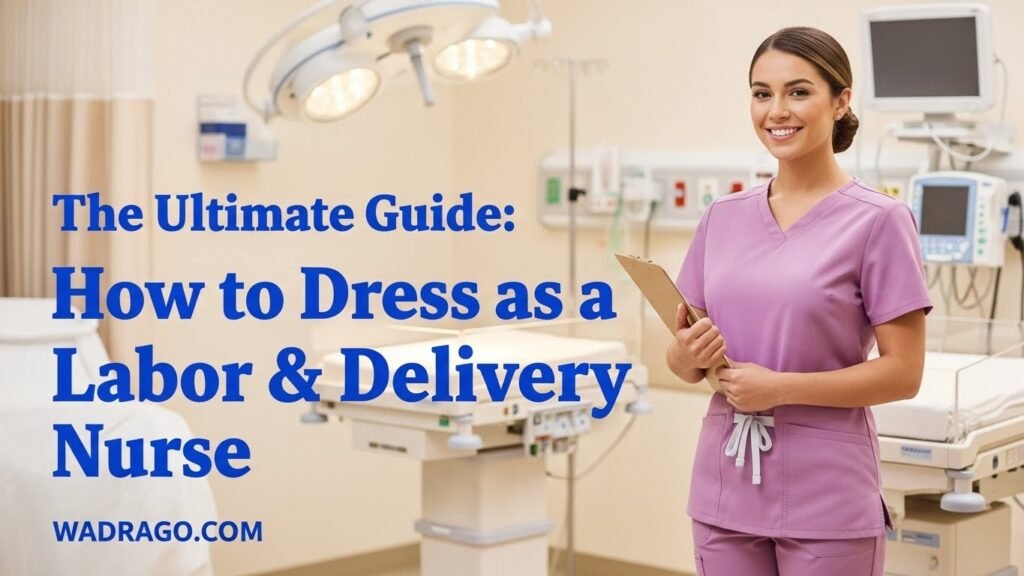
After a decade of clinical practice across Emergency, Pediatrics, ICU, and General Ward settings, I’ve witnessed how proper attire directly impacts both patient outcomes and nurse performance. Labor and delivery nursing presents unique challenges that demand specialized attention to uniform requirements, from managing bodily fluid exposures during delivery to maintaining sterile environments during cesarean sections.
In this comprehensive guide, I’ll share evidence-based recommendations for dressing appropriately in maternity and labor wards, drawing from current CDC guidelines, professional nursing standards, and real-world clinical experience. Whether you’re a nursing student preparing for your OB rotation, an experienced nurse transitioning to labor and delivery, or a healthcare professional seeking to optimize your workwear, this guide provides everything you need to know about proper attire for obstetric nursing.
Table of Contents
Understanding Labor and Delivery Nurse Dress Code Requirements
Why Dress Codes Matter in Obstetric Settings
Hospital-provided scrubs are required in labor and delivery units, along with operating rooms and burn units, due to heightened infection control needs. During my rotations through various clinical settings, I observed that maternity wards enforce some of the strictest dress code policies in healthcare—and for good reason.
Labor and delivery environments present unique infection risks. Newborns have immature immune systems, making them particularly vulnerable to healthcare-associated infections. Cesarean section surgical site infections can be reduced through evidence-based care bundles that include proper staff attire protocols.
Nursing dress codes serve four essential functions: displaying professionalism, enabling convenient task completion, preventing physical harm, and controlling infection spread. In labor and delivery, these functions take on heightened importance due to the vulnerable patient population and the frequent exposure to blood, amniotic fluid, and other bodily substances.
Standard Dress Code Elements for L&D Nurses
Nursing dress codes vary significantly between facilities, though evidence-based requirements like shorter fingernails remain consistent. However, certain standards apply universally across most US hospitals:
Hospital-Issued vs. Personal Scrubs
Hospital-provided and laundered scrubs must be worn in labor and delivery units, and staff cannot wear these scrubs to or from work. This requirement exists because:
- Hospital laundering ensures proper disinfection at temperatures that kill pathogens
- It prevents cross-contamination between home and healthcare environments
- Facilities can maintain consistent color-coding for department identification
- It reduces the risk of introducing outside contaminants into sterile birthing environments
Color-Coding Systems
Many hospitals use color-coded scrubs to help patients and families quickly identify different healthcare roles. Some facilities require registered nurses to wear royal blue tops with royal blue or black pants, while medical assistants and CNAs wear ceil blue. In labor and delivery specifically, some hospitals mandate specific colors like lilac or carnation pink to distinguish obstetric staff.
The Science Behind Scrub Selection for Labor and Delivery
Material Matters: Choosing Performance Fabrics
During a particularly demanding shift in the ICU, I learned the hard way that not all scrub fabrics perform equally when exposed to multiple fluid exposures. The material composition of your scrubs directly affects comfort, durability, and infection control capabilities.
Optimal Fabric Blends
The best scrubs for labor and delivery typically feature:
- Polyester-Cotton Blends (65/35 or 55/45 ratio): Provide durability while maintaining breathability
- Spandex Integration (5-7%): Adds stretch for ease of movement during patient positioning and emergency situations
- Moisture-Wicking Technology: Keeps you dry during physically demanding deliveries
- Anti-Microbial Treatments: Some premium scrub brands incorporate antimicrobial finishes to reduce bacterial colonization on fabric
Scrub materials include polyester for durability, cotton for breathability, rayon for softness, and blended fabrics combining these properties.
Top Scrub Brands for Labor and Delivery Nurses
Based on both clinical experience and extensive research into nurse preferences, here are the most recommended brands for obstetric nursing:
FIGS Scrubs (Premium Option – $38-$98)
FIGS scrubs use proprietary materials including FIONx (72% polyester, 21% rayon, 7% spandex), which is soft, wrinkle-resistant, odor-resistant, and moisture-wicking. The company offers extensive sizing options and styles specifically designed for healthcare professionals.
Pros:
- Exceptional fluid resistance
- Four-way stretch for mobility
- Anti-wrinkle and anti-odor properties
- Professional, tailored appearance
- Excellent durability with proper care
Cons:
- Higher price point ($80-$100 per set)
- May require sizing up for fuller coverage
- Some nurses find the fitted style too form-fitting
Cherokee Workwear (Mid-Range – $20-$45)
Cherokee scrubs are made with thick yet lightweight material that feels comfortable and durable at a low price point.
Pros:
- Excellent value for quality
- Size-inclusive (XXS to 5XL)
- Multiple collections for different preferences
- Wide color selection
- Maternity options available
Cons:
- Less refined appearance than premium brands
- May fade faster with industrial laundering
- Basic pocket configurations
Moxie Scrubs (Nurse-Designed – $45-$75)
Moxie Scrubs are popular with labor and delivery nurses because they’re comfortable, flattering, and consistently stock required colors like carnation pink.
Pros:
- Designed by nurses for nurses
- Exceptional comfort for long shifts
- Deep functional pockets
- Maintains color vibrancy
- Supports women-owned businesses
Cons:
- Cargo pocket placement favors left-handed users
- Fitted design may require sizing up
- Limited retail availability
Grey’s Anatomy by Barco (Style-Focused – $30-$60)
Grey’s Anatomy scrubs use softer fabrics with stretch elements and are highly rated by nurses who value both style and comfort.
Pros:
- Modern, stylish designs
- Soft, comfortable fabric
- Good stretch and recovery
- Professional appearance
- Multiple style options
Cons:
- May show wear faster than sturdier brands
- Some styles run small
- Pockets may be less functional than workwear brands
Scrub Fit and Function Considerations
Coverage and Modesty
Labor and delivery nursing involves significant bending, reaching, and rapid movement. Your scrubs should provide adequate coverage without restricting mobility. Look for:
- Tops that are long enough to stay tucked or provide coverage when bending
- Mid-rise or high-rise pants that don’t gap at the waist
- An adequate rise in pants to prevent exposure during squatting
- Modest necklines are appropriate for professional settings
Pocket Configuration
During delivery emergencies, you need quick access to essential tools. Ideal pocket placement includes:
- Chest pockets for pens, scissors, and small tools
- Side cargo pockets for gloves and personal items
- Hidden or zippered pockets for valuables
- Internal pockets for organizing smaller items
Footwear Fundamentals for Labor and Delivery Nurses
Why Proper Shoes Matter in Obstetric Nursing
Labor and delivery professionals spend hours on their feet during shifts that extend beyond eight hours, requiring footwear with shock absorption and slip resistance. During a particularly intense night shift when we had three simultaneous deliveries, I logged over 15,000 steps—and that was considered a light night in L&D.
Essential Features for L&D Nursing Shoes
Slip-Resistance
Hospital floors can be slippery, and slip-resistant soles are crucial, with research showing they’re particularly effective for older staff. Labor and delivery units face frequent fluid spills from amniotic fluid, blood, and cleaning solutions. Look for shoes with:
- Rubber outsoles with deep tread patterns
- ASTM or SATRA slip-resistance certification
- Full-length contact with the flooring
- Oil and water-resistant properties
Fluid Resistance
Labor and delivery nurses need shoes with fluid-resistant technology to protect against amniotic fluid and blood exposure. Leather or synthetic leather uppers provide better protection than mesh or knit materials, though they may sacrifice some breathability.
Support and Cushioning
Essential support features include:
- Contoured arch support (especially important for flat feet or high arches)
- Memory foam or gel cushioning in the footbed
- Shock-absorbing midsoles
- Adequate heel counter for stability
- Roomy toe box to prevent forefoot compression
Top Nursing Shoe Recommendations for L&D
Hoka Bondi SR (Premium Performance – $170)
The Hoka Bondi SR earned the title of best slip-resistant shoes for nurses, with a softer outsole that grips polished floors powerfully while maintaining comfort through 12-hour shifts.
Best for: Nurses prioritizing maximum cushioning and slip-resistance. Key features: Exceptional shock absorption, certified slip-resistant, and Meta-Rocker technology. Considerations: Higher price point, bulkier profile
Dansko XP 2.0 (Classic Professional – $135-$145)
The Dansko XP 2.0 delivers dependable support with its contoured midsole and shock-absorbing footbed, praised by nurses for longevity and ability to maintain comfort over the years.
Best for: Nurses preferring traditional clog styling with a professional appearance. Key features: Excellent arch support, stain-resistant leather, rocker bottom. Considerations: Requires a break-in period, heavier than athletic styles
Crocs Neria II Pro Clog (Budget-Friendly – $45-$55)
Nurses love Crocs Neria II Pro for being easy to clean, with a closed-toe no-hole design ideal for infection control, keeping feet ache-free even after 13-hour shifts.
Best for: Budget-conscious nurses wanting easy maintenance. Key features: Croslite foam cushioning, fluid-proof, lightweight, and easy to clean. Considerations: Less arch support than premium options, may feel loose without socks
Clove Classic Sneaker (Healthcare-Specific Design – $140)
Clove Classics are built specifically for healthcare with cushioned insoles, stable arch support, slip-resistant rubber outsoles, and fluid-repellent uppers for easy cleaning.
Best for: Nurses wanting sneaker comfort with healthcare-specific features. Key features: Quick on/off design, wipe-clean surface, designed by healthcare workers. Considerations: Limited color options, newer brand with less long-term durability data
Infection Control Standards: Nails, Jewelry, and Accessories
The Evidence on Artificial Nails
Artificial fingernail enhancements contribute to nail changes that increase the risk of pathogen colonization and transmission, with outbreaks traced to healthcare workers wearing artificial nails.
During my nursing training at Valley View University, we studied several outbreak investigations that conclusively linked healthcare-associated infections to artificial nails worn by healthcare workers. The evidence is compelling and non-negotiable.
Why Artificial Nails Are Prohibited
Even after hand washing, artificial nails harbored higher counts of gram-negative bacteria, including Enterobacter, Serratia, Klebsiella, and Pseudomonas. These pathogens are particularly dangerous for newborns with developing immune systems.
CDC guidelines require that providers in high-risk areas, like labor and delivery, must not wear artificial nails. This includes:
- Acrylic nails
- Gel manicures and gel extensions
- Nail wraps and tips
- Nail art appliques
- Nail jewelry or piercings
Natural Nail Requirements
Direct patient care providers must maintain fingernails shorter than 6mm (¼ inch), with nail polish kept clear or light-colored and free of chips or cracks.
Best practices for natural nails in labor and delivery:
- Keep nails trimmed to fingertip length or shorter
- File edges smooth to prevent glove tears
- Avoid dark nail polish that obscures debris under nails
- Remove chipped or cracked polish immediately
- Perform daily nail inspection as part of the hand hygiene routine
Jewelry Restrictions in Labor and Delivery
While the association between jewelry and infection is weaker than for artificial nails, restrictions appear stronger for multiple, intricate rings than for a single, smooth wedding band.
Permitted Jewelry
Most labor and delivery units allow:
- One smooth wedding band without stones
- Small stud earrings (typically limited to one pair)
- Medical alert bracelets worn under clothing
Prohibited Jewelry
The following items interfere with proper hand hygiene and glove use:
- Multiple rings or rings with stones/settings
- Bracelets (except medical alert)
- Dangling earrings
- Necklaces that hang outside scrubs
- Facial piercings visible above the mask line
- Wrist watches (though some facilities allow them)
In my ICU rotations, I observed that smooth wedding bands were generally acceptable, but during labor and delivery and surgical procedures, even these are often removed to maintain the highest sterile technique standards.
Hair, Makeup, and Personal Grooming Standards
Hair Requirements
Hair must be clean, combed, and neat, with extreme hairstyles or unnatural colors deemed inappropriate for professional settings, and shoulder-length or longer hair secured to prevent patient and equipment contact.
Practical Hair Guidelines
For labor and delivery nursing, consider:
- Secure long hair in a low bun, braid, or ponytail
- Use hair ties without metal decorations
- Avoid loose hairstyles that require frequent touching or adjustment
- Keep hair off the collar and out of the face
- Consider a headband or hair clips for shorter styles
- Pull back bangs and face-framing layers
During a particularly intense delivery where I assisted with an emergency cesarean section, a colleague’s loose ponytail kept slipping forward, requiring her to repeatedly break sterile technique to adjust it. Since then, I’ve always recommended secure, low buns for obstetric nursing.
Cosmetics and Fragrances
Cosmetics should be worn in moderation, and perfume, cologne, and scented lotions may only be lightly applied or avoided entirely due to patient sensitivities.
Fragrance-Free Policy
Many labor and delivery units enforce strict fragrance-free policies because:
- Pregnant and postpartum women often experience heightened smell sensitivity
- Strong scents can trigger nausea in laboring mothers
- Some patients and coworkers have fragrance sensitivities or allergies
- Perfumes can interfere with the newborn-mother bonding process
Makeup Guidelines
If wearing makeup in labor and delivery:
- Keep it minimal and natural-looking
- Avoid excessive eye makeup that could flake or run
- Use transfer-resistant formulas
- Ensure all products are fragrance-free
- Skip false eyelashes (they can harbor bacteria)
Personal Protective Equipment Integration
Layering for Different L&D Scenarios
Labor and delivery nursing requires rapid transitions between different patient care scenarios, each with specific PPE requirements.
Standard Precautions Attire
For routine labor support and postpartum care:
- Standard hospital scrubs
- Supportive, slip-resistant footwear
- Hair secured back
- No jewelry beyond a simple wedding band
- Identification badge clearly displayed
Delivery Room PPE
Appropriate cover garments must be worn over scrub attire when personnel hold infants, and staff must wash their hands after each patient contact and upon entering or leaving the nursery.
For vaginal deliveries, add:
- Fluid-resistant gown
- Face shield or goggles with a mask
- Sterile or non-sterile gloves (depending on role)
- Hair covering if significant splatter risk
- Shoe covers for extensive fluid exposure
Operating Room Standards for C-Sections
OB scrub nurses must be knowledgeable about safety protocols and infection control procedures, scrubbing in for cesarean sections and other obstetric procedures.
Cesarean section attire requirements:
- Hospital-laundered surgical scrubs (changed immediately before procedure)
- Surgical cap covering all hair
- Surgical mask
- Sterile gown and gloves (for scrub role)
- Non-sterile gown and gloves (for circulating role)
- Protective eyewear
- Dedicated OR shoes or shoe covers
Practical Tips From 10 Years of Clinical Experience
Creating an Effective Scrub Wardrobe
Minimum Recommended Inventory
For full-time labor and delivery nurses, I recommend:
- 5-7 scrub tops (allows for mid-week laundry)
- 5-7 scrub bottoms (can mix and match)
- 2 pairs of nursing shoes (rotate daily for shoe longevity)
- 3-4 undershirts or long-sleeve layers
- 1-2 warm-up jackets (hospital-compliant)
Laundering Best Practices
To maintain scrub quality and infection control:
- Wash scrubs separately from household laundry
- Use hot water (160°F minimum) for proper disinfection
- Add color-safe bleach or an antibacterial laundry additive
- Avoid fabric softeners (they reduce absorbency)
- Dry on high heat or line dry
- Never wear the same scrubs two days consecutively without washing
Managing Physical Demands
Compression Socks for 12-Hour Shifts
During my rotations through various high-intensity units, I discovered that compression socks make a significant difference in reducing leg fatigue and swelling. For labor and delivery nurses spending entire shifts on their feet, I recommend:
- 15-20 mmHg compression for healthy nurses
- Knee-high length for optimal coverage
- Moisture-wicking materials
- Seamless toe design to prevent blistering
- Multiple pairs to rotate between shifts
Weather-Appropriate Layering
Hospital temperature control can be unpredictable. Labor and delivery units often keep rooms warm for newborns, but you may move between areas with different temperatures. Essential layering pieces:
- Moisture-wicking undershirts
- Long-sleeve underscrubs for cooler areas
- Scrub jackets in facility-approved colors
- Warm socks (hospital floors can be cold)
Special Considerations for Pregnant Labor and Delivery Nurses
Maternity Scrub Options
Cherokee maternity mock wrap scrubs feature drawstrings that adjust from first to third trimester, with extra stretch material that’s light and breathable.
If you’re expecting while working in labor and delivery, consider:
- Maternity scrub tops with side ruching or empire waists
- Maternity scrub pants with over-belly or under-belly panels
- Adjustable waistbands that grow with you
- Stretchy, forgiving fabrics
- Larger sizes in regular scrubs (often more affordable than maternity-specific)
Supportive Footwear During Pregnancy
Pregnancy changes foot size and arch structure. Invest in:
- Shoes with adjustable closures (laces or straps)
- Extra cushioning for joint support
- Wider widths if experiencing swelling
- Arch support appropriate for your changing foot structure
- Slip-on styles for easier donning as pregnancy progresses
Comparison Tables for Quick Reference
Top Scrub Brands for L&D Nurses
| Brand | Price Range | Best Feature | Ideal For | Overall Rating |
| FIGS | $80-$100 | Fluid resistance, durability | Nurses prioritizing quality | 4.5/5 |
| Cherokee | $20-$45 | Value, size inclusivity | Budget-conscious nurses | 4.3/5 |
| Moxie | $45-$75 | Nurse-designed comfort | L&D-specific needs | 4.4/5 |
| Grey’s Anatomy | $30-$60 | Style and softness | Fashion-conscious nurses | 4.2/5 |
| Jaanuu | $50-$80 | Antimicrobial fabric | High-intensity shifts | 4.3/5 |
Nursing Shoe Comparison for Labor and Delivery
| Shoe Model | Price | Key Features | Slip-Resistant | Fluid-Resistant | Best For |
| Hoka Bondi SR | $170 | Maximum cushioning, certified slip-resistant | Yes (certified) | Partial | High-mileage nurses |
| Dansko XP 2.0 | $135-$145 | Professional appearance, arch support | Yes | Yes (leather) | Traditional clog preference |
| Crocs Neria II Pro | $45-$55 | Easy cleaning, lightweight | Yes | Yes | Budget-conscious, easy maintenance |
| Clove Classic | $140 | Healthcare-specific design | Yes | Yes | Sneaker comfort with HCW features |
| Brooks Ghost | $140 | Exceptional cushioning | Moderate | No (mesh) | Nurses prioritizing cushioning |
Addressing Common Dress Code Questions
FAQ: Labor and Delivery Nurse Attire
Can I wear my own scrubs to labor and delivery shifts?
Most hospitals require hospital-provided scrubs in labor and delivery due to infection control standards. Staff must change into hospital-provided scrubs before patient contact and cannot wear them to or from work. Check your facility’s specific policy, but expect to use facility-laundered scrubs in most L&D units.
Are athletic shoes appropriate for labor and delivery nursing?
Yes, athletic shoes are acceptable if they meet safety requirements. The best nursing shoes must be slip-resistant, fluid-resistant, and easy to clean while providing proper arch support and cushioning. Choose closed-toe styles with non-porous uppers that can be easily wiped clean.
What should I wear under my scrubs?
Neutral-colored undershirts may be worn under scrubs for warmth, along with socks or stockings required for hygiene and professional appearance. Keep undergarments completely concealed, choosing seamless options that don’t show through scrubs.
Can I wear a smart watch in labor and delivery?
Policies vary by facility. Some hospitals prohibit all wrist watches due to infection control concerns, while others allow them. Smart watches can harbor bacteria and make hand hygiene challenging. If permitted, clean your device thoroughly between patient contacts and remove it for high-risk procedures.
How often should I replace my nursing shoes?
Nursing shoes typically wear out after 350-500 miles, which for full-time nurses means replacement every six months. Watch for signs of wear, including compressed cushioning, worn tread patterns, and new aches or pains after shifts.
Are Crocs acceptable in labor and delivery?
Many labor and delivery nurses wear Crocs, but choose closed-toe, hole-free models specifically designed for healthcare. The closed-toe, no-hole design prevents fluids from seeping in, making it ideal for infection control. However, some facilities prohibit them, so verify your hospital’s policy.
Can I have visible tattoos in labor and delivery?
In obstetric nursing, many younger mothers relate well to nurses with tattoos, with approximately 25% of labor and delivery nurses having visible tattoos, including full sleeves. However, policies vary widely between facilities. Some hospitals require coverage of all tattoos, while others allow non-offensive visible tattoos.
What temperature should I wash my scrubs?
For proper infection control, wash scrubs in hot water. Specific temperature requirements are detailed in facility policies, but generally, scrubs should be washed at temperatures high enough to eliminate pathogens. Use the hottest water safe for your fabric, typically 140-160°F.
Should I change scrubs between home and work?
Absolutely. Hospital-provided scrubs are not to be worn after leaving the hospital, and staff must change into them before patient contact. Even if wearing personal scrubs, change at the facility to prevent bringing home pathogens or introducing outside contaminants to the clinical environment.
Are gel nails allowed in labor and delivery?
Most facilities prohibit gel manicures in labor and delivery settings. Research found that alcohol-based hand sanitizer effectively reduced bacteria on natural nails and standard polish but not on gel-manicured nails. Since alcohol-based sanitizer is standard between patient contacts, gel nails compromise hand hygiene effectiveness.
Can I wear jewelry during vaginal deliveries?
Remove all jewelry except a smooth wedding band before participating in deliveries. Rings, watches, and bracelets interfere with proper gloving, create opportunities for glove tears, and can harbor microorganisms even after hand hygiene.
What should I do if I get bodily fluids on my scrubs?
Change immediately into clean scrubs. Most hospitals provide changing facilities and backup scrubs for this purpose. Never continue working in contaminated clothing, as this spreads pathogens and creates infection risks for patients and yourself.
Acknowledgments
I want to express gratitude to the nursing community that has shaped my professional journey over the past decade. Special thanks to the Ghana Health Service and my colleagues at Ridge Hospital, where I first learned the critical importance of proper clinical attire. Appreciation also goes to Valley View University’s nursing program, which instilled foundational knowledge about infection control and professional standards.
Research for this article drew upon guidelines from the Centers for Disease Control and Prevention, evidence-based recommendations from the Association of Perioperative Registered Nurses, and infection control protocols from multiple healthcare systems, including the Detroit Medical Center, UCSF Medical Center, and numerous obstetric units across the United States.
Image credits: Product images courtesy of respective manufacturers. Clinical environment photos sourced from healthcare professional photography databases with appropriate licensing.
Conclusion
Dressing appropriately for labor and delivery nursing extends far beyond simply looking professional. Your attire directly impacts infection control, patient safety, your physical comfort during demanding shifts, and your ability to perform critical interventions effectively.
The key takeaways for optimal L&D nurse attire include:
- Prioritize hospital-issued scrubs that meet facility infection control standards
- Invest in high-quality, slip-resistant, fluid-resistant footwear designed for healthcare professionals
- Maintain strict adherence to artificial nail prohibitions and jewelry restrictions
- Choose performance fabrics with moisture-wicking, antimicrobial, and stretch properties
- Ensure a proper fit that allows a full range of motion without compromising modesty
- Replace worn footwear every six months to maintain adequate support and safety features
- Follow evidence-based hand hygiene practices that inform grooming standards
As labor and delivery nurses, we have the privilege of supporting families during one of life’s most transformative moments. By dressing appropriately according to evidence-based standards, we honor that privilege while protecting our vulnerable patients and maintaining our own well-being throughout demanding shifts.
Before making any changes to your work attire, always consult your facility’s specific dress code policy and infection control guidelines. What works in one hospital may be prohibited in another, and your primary obligation is compliance with your employer’s standards.
For personalized advice about specific uniform concerns or questions about your facility’s dress code, contact your hospital’s Human Resources department or Occupational Health Services.
Ready to upgrade your labor and delivery wardrobe? Browse the recommended scrub brands and nursing shoes mentioned in this guide using the affiliate links throughout the article. Your feet (and your patients) will thank you!
Medical Disclaimer
Important: This article is provided for informational and educational purposes only and should not be construed as medical or professional advice. While I am a Registered General Nurse with clinical experience, dress code requirements vary significantly between healthcare facilities, states, and countries.
Always consult your employer’s specific dress code policy, infection control guidelines, and Human Resources department before making decisions about work attire. The product recommendations in this article are based on general nursing needs and published reviews, but individual experiences may vary.
Infection control standards evolve based on emerging research. For the most current guidelines, refer to the Centers for Disease Control and Prevention (CDC), World Health Organization (WHO), and your facility’s infection prevention department.
This article contains affiliate links to products. While I strive to recommend only items that meet professional standards, I encourage you to research products thoroughly and verify they meet your facility’s specific requirements before purchase.
References
American Journal of Infection Control. (2002). Banning artificial nails from health care settings. American Journal of Infection Control, 30(4), 252-254. https://www.ajicjournal.org/article/S0196-6553(02)59151-3/abstract
Arrowsmith, V. A., & Taylor, R. (2014). Removal of nail polish and finger rings to prevent surgical infection. Cochrane Database of Systematic Reviews, 2014(8). https://www.ncbi.nlm.nih.gov/books/NBK487441/
Centers for Disease Control and Prevention. (2024). Infection control in healthcare personnel: Epidemiology and control of selected infections transmitted among healthcare personnel and patients. https://www.cdc.gov/infection-control/hcp/healthcare-personnel-epidemiology-control/index.html
Centers for Disease Control and Prevention. (2024). Standard precautions for all patient care. https://www.cdc.gov/infection-control/hcp/basics/standard-precautions.html
Cimon, K., & Featherstone, R. (2017). Jewellery and nail polish worn by health care workers and the risk of infection transmission: A review of clinical evidence and guidelines. Canadian Agency for Drugs and Technologies in Health. https://www.ncbi.nlm.nih.gov/books/NBK487441/
Detroit Medical Center. (n.d.). Personal appearance standards. https://www.dmc.org/health-professionals/gme-at-dmc/dmc-clinical-campus/for-all-students/personal-appearance-standards
Edmiston, C. E., & Spencer, M. (2014). Patient safety: The infection prevention paradox. Infection Control Today.
Hewlett, A. L., Hohbein, C., Duffy, B., Maier, B., & Blevins, A. E. (2018). Evaluation for bacterial contamination of gel-type and regular nail polish in health care personnel. American Journal of Infection Control, 46(12), e109-e111.
Joint Commission. (n.d.). Standards interpretation: Artificial nails and gels. https://www.jointcommission.org/en-us/knowledge-library/support-center/standards-interpretation/standards-faqs/000001558
Loveday, H. P., Wilson, J. A., Pratt, R. J., Golsorkhi, M., Tingle, A., Bak, A., Browne, J., Prieto, J., & Wilcox, M. (2014). epic3: National evidence-based guidelines for preventing healthcare-associated infections in NHS hospitals in England. Journal of Hospital Infection, 86, S1-S70.
Manning, J. (2024). Nursing dress code: Explaining varying policies. Nursing Management, 55(5), 48-50. https://journals.lww.com/nursingmanagement/fulltext/2024/05000/nursing_dress_code__explaining_varying_policies.8.aspx
Passaro, D. J., Waring, L., Armstrong, R., Bolding, F., Bouvier, B., Rosenberg, J., & Jarvis, W. R. (1997). Postoperative Serratia marcescens wound infections traced to an out-of-hospital source. Journal of Infectious Diseases, 175(4), 992-995.
Pottinger, J., Burns, S., & amp; Manske, C. (1989). Bacterial carriage by artificial versus natural nails. American Journal of Infection Control, 17(6), 340-344.
Society for Healthcare Epidemiology of America. (2014). SHEA position paper: The role of personal protective equipment in preventing contamination of healthcare personnel attire. Infection Control & Hospital Epidemiology, 35(7), 729-731.
UCSF Medical Center. (n.d.). Healthcare professional appearance standards. https://coe.ucsf.edu/student-manual/professional-standards
University of Missouri Health. (n.d.). Professional dress code for healthcare providers. https://www.muhealth.org/professional-staff/dress-code
World Health Organization. (2009). WHO guidelines on hand hygiene in health care: First global patient safety challenge. https://www.who.int/publications/i/item/9789241597906
Author Bio:
Abdul-Muumin Wedraogo, RGN, BSc Nursing
Abdul-Muumin is a Registered General Nurse with 10 years of clinical experience across Emergency Room, Pediatrics, ICU, and General Ward settings in the Ghana Health Service. He holds a Bachelor of Science in Nursing from Valley View University and maintains active registration with the Nurses and Midwifery Council (NMC), Ghana, and membership in the Ghana Registered Nurses and Midwives Association (GRNMA). Drawing from evidence-based practice and real-world clinical experience, Abdul-Muumin creates content that bridges the gap between medical expertise and practical healthcare solutions for healthcare professionals and health-conscious individuals.