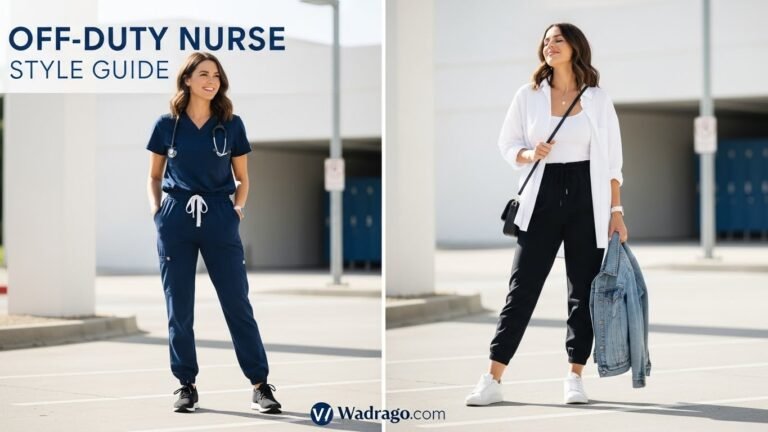

Discover 12+ weekend outfit ideas for nurses tested by an RN with 10+ years of experience. Off-duty fashion ideas for comfort, style & work-life balance after hospital shifts.
Introduction
I’ll never forget the first time I walked out of the hospital after a particularly grueling 12-hour ER shift. Still wearing my scrubs underneath my jacket, I caught my reflection in a shop window and barely recognized the exhausted person staring back at me. That moment sparked a realization that changed how I approached my off-duty life: the clothes I wore on weekends weren’t just about fashion—they were about reclaiming my identity beyond the hospital walls.
As a registered nurse with a BSc degree and over 10 years of clinical experience across ER, ICU, Pediatrics, and General Ward settings in Ghana, I’ve learned that transitioning from hospital life to personal time requires more than just changing out of scrubs. It requires a mindset shift, and the right weekend outfits can significantly facilitate that transformation.
Research from 2025 indicates that nurses face increased workloads, ongoing staff shortages, and the lingering effects of the COVID-19 pandemic, making self-care and work-life balance more critical than ever. Studies show that only about one-third of nurses sleep seven or more hours a night, and many report that their healthy lifestyle behaviors were negatively affected by workplace demands.
In this comprehensive guide, I’m sharing 12+ weekend outfit ideas that I’ve personally tested and refined over a decade of nursing. These aren’t just fashion suggestions—they’re strategic wardrobe choices designed to help you decompress, feel confident, and embrace your life outside the hospital. Whether you’re running errands, meeting friends for brunch, or simply lounging at home, these outfits strike the perfect balance between comfort and style.
Table of Contents
<a name=”why-weekend-fashion-matters”></a>
Why Weekend Fashion Matters for Healthcare Professionals
During my first few years as a nurse, I didn’t give much thought to my weekend wardrobe. I’d throw on whatever was clean and comfortable, usually old t-shirts and worn-out leggings. But I noticed something troubling: even on my days off, I still felt like I was “in nurse mode.” My mind couldn’t fully disconnect from the hospital, and I struggled to enjoy my personal time.
Healthcare professionals need to set healthy boundaries to avoid overextension, including dedicating time to activities and hobbies outside of work to recharge. What I discovered is that intentional dressing—choosing outfits that felt distinctly different from my work attire—became a powerful psychological tool for creating that necessary separation.
The Psychology of Wardrobe Transition
Working in healthcare means constant exposure to stress, emotional challenges, and physical demands. Nurses encounter physical, mental, emotional, and ethical challenges during their work, including the risk of infection, physical or verbal assault, meeting physical demands, and managing complex patient needs. When we finish our shifts, our bodies and minds need clear signals that work is over and rest has begun.
Clothing serves as one of those powerful signals. In my experience working across different hospital units—from the fast-paced ER to the emotionally intense ICU—I learned that what I wore on weekends directly impacted my ability to decompress and maintain a healthy work-life balance.
Professional Identity vs. Personal Identity
One challenge unique to healthcare workers is that our professional identity often overshadows our personal one. When you spend 40+ hours a week in scrubs, being known primarily as “the nurse,” it’s easy to lose touch with other aspects of yourself. Your weekend wardrobe becomes an opportunity to express the parts of your personality that don’t get to shine in clinical settings.
Impact on Mental Health and Wellness
Evidence-based interventions that improve mental and physical health in nurses include mindfulness, health coaching, deep abdominal breathing, gratitude, cognitive-behavioral therapy, and visual triggers. I consider my weekend wardrobe another form of self-care—a visual trigger that reminds me to prioritize my own wellness.
When asked about their priorities in the workplace for 2024, nurses emphasized compensation, improved nurse-to-patient ratios, better schedules, and wellness programs. While we can’t always control our work conditions, we can control how we nurture ourselves during off-hours.
Cost Considerations and Budget Realities
Let’s be honest: nursing doesn’t always pay as well as the demanding work deserves. Throughout my career in Ghana’s healthcare system, I’ve had to be strategic about building a wardrobe that looks great without breaking the bank. The good news? You don’t need an unlimited budget to create a versatile, stylish weekend wardrobe. In this guide, I’ll share how to maximize every purchase and create multiple outfits from key pieces.
<a name=”my-approach”></a>
My Approach to Building an Off-Duty Wardrobe
Over the past decade, I’ve refined my approach to weekend dressing through trial, error, and countless outfit experiments. Here’s the methodology I used to curate the outfit ideas in this guide.
Testing Period and Methodology
Unlike fashion bloggers who might wear an outfit once for photos, I’ve lived in these combinations for years. Each outfit idea in this guide has been worn multiple times across different scenarios—weekend errands in Kumasi’s heat, family gatherings, post-night shift recovery days, and everything in between.
I evaluated each outfit based on:
- Comfort Level: Could I wear this for 4+ hours without discomfort?
- Versatility: Did pieces work in multiple combinations?
- Durability: How did fabrics hold up after repeated washing?
- Climate Appropriateness: Did it work in Ghana’s tropical climate?
- Psychological Impact: Did it help me feel “off-duty”?
- Value for Money: Was the cost justified by wear frequency?
Real-Life Testing Scenarios
These outfits have been tested during:
- Post-12-hour shift exhaustion
- Weekend market trips in Kumasi
- Casual dinners with fellow nurses
- Family church services
- Recovery days after consecutive night shifts
- Spontaneous social invitations
- Long travel days
- Self-care activities (spa visits, walks, etc.)
Why This Matters
As healthcare professionals, we don’t have unlimited time or energy for complex outfit planning. These combinations are designed to be simple, repeatable, and adaptable—because the last thing you need after a challenging shift is wardrobe stress.
<a name=”outfit-ideas”></a>
Weekend Outfit Ideas for Nurses
Now, let’s dive into the specific outfit combinations that have transformed my weekends over the past decade.
Outfit 1: Casual Saturday Errands & Coffee Runs
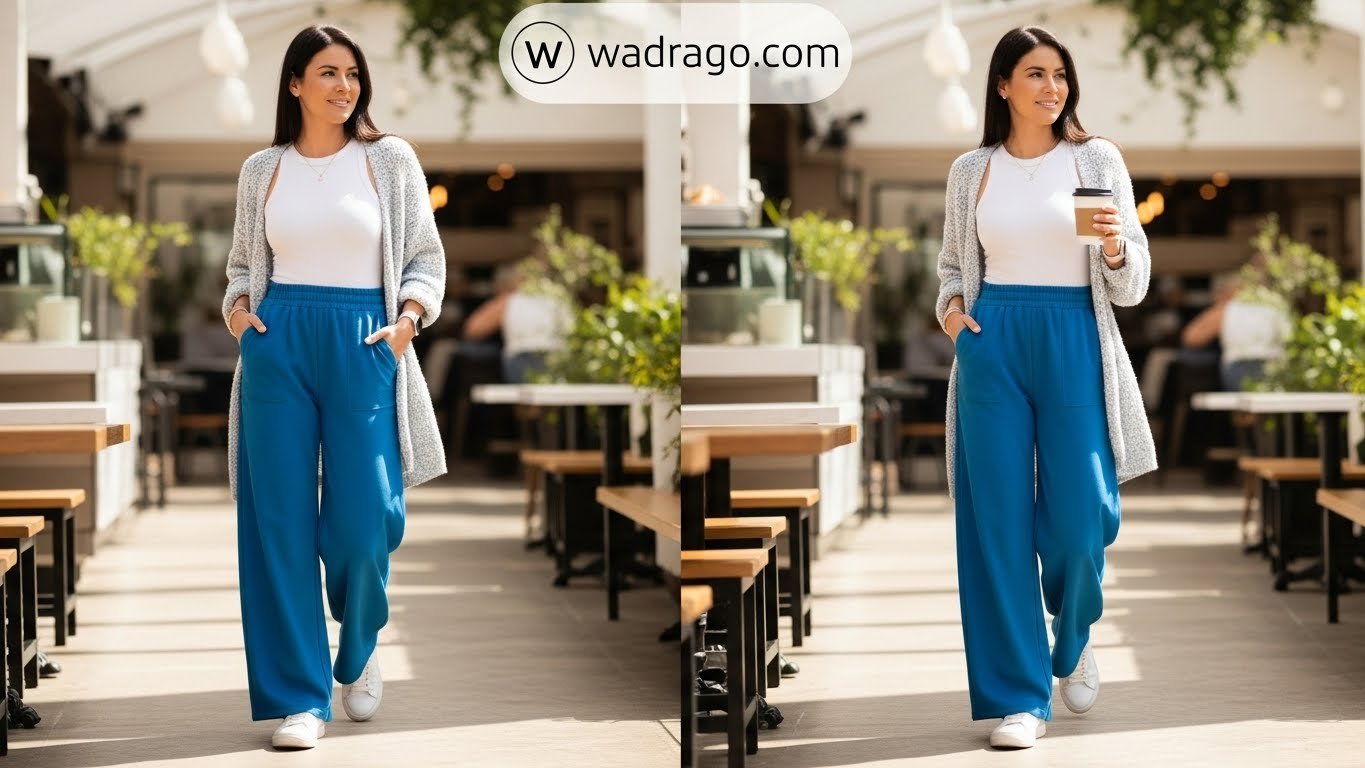
The Look: Comfortable athleisure meets everyday chic
Pieces:
- High-waisted wide-leg sweatpants or joggers in a neutral color (gray, beige, or black)
- Fitted white ribbed tank top or basic tee
- Oversized lightweight cardigan or zip-up hoodie
- White or neutral sneakers
- Crossbody bag
- Minimal jewelry (small hoops or studs)
Why It Works: Athleisure wear, which blends breathable fabrics with comfortable fits, has become a time-saving addition to wardrobes, designed to transition seamlessly from lounging to active wear. This outfit perfectly captures that versatility.
Personal Experience: After particularly exhausting shifts in the ICU, I need outfits that require zero mental energy. This combination has been my go-to for Saturday mornings when I’m running to the market or meeting a colleague for coffee. The wide-leg joggers feel infinitely more stylish than regular sweatpants while offering the same comfort level.
Styling Tips:
- Roll up the cardigan sleeves for a more polished look
- Add a baseball cap if you’re having a “bad hair day” post-night shift
- Switch to slide sandals in warmer weather
Best For: Post-shift recovery days, casual meetups, running errands
Budget: Affordable – most pieces can be found at mid-range retailers
Outfit 2: Brunch with Friends – Elevated Comfort
The Look: Casual professional with a feminine touch
Pieces:
- Flowy midi or maxi dress in a soft, breathable fabric
- Denim jacket or lightweight blazer
- Comfortable flat sandals or ballet flats
- Structured tote bag or shoulder bag
- Statement earrings
- Delicate layered necklaces
Why It Works: Fashion’s most photographed women have shown that everyday fashion can be effortlessly cool, with five key pieces forming the pillars of a casual-cool wardrobe. A versatile dress is one of those essential pieces.
Personal Experience: During my time working in Pediatrics, I’d often meet my nurse friends for Sunday brunch to decompress and share war stories from the week. This outfit became my uniform because it looks put-together (important when you want to feel like more than just “tired nurse”) while feeling as comfortable as pajamas.
Styling Tips:
- Choose dresses with pockets—trust me, once a nurse, always needing pockets
- Layer the denim jacket over your shoulders for a more casual vibe
- Opt for dresses in solid colors or subtle prints for maximum versatility
Best For: Social gatherings, brunch dates, church services, casual dinners
Budget: Mid-range – invest in a quality dress that will last multiple seasons
Outfit 3: Weekend Workout to Street Style
The Look: Athletic performance meets urban fashion
Pieces:
- High-waisted leggings or bike shorts in a bold color or print
- Cropped athletic tank or sports bra (with optional matching set)
- Oversized button-down shirt (worn open) or bomber jacket
- Chunky sneakers or athletic shoes
- Mini backpack or belt bag
- Athletic sunglasses
Why It Works: Athleisure isn’t just for the gym anymore—it’s fully cemented itself as streetwear, blending sporty elements with elevated style for 2025. This look takes you from morning yoga to afternoon socializing without a wardrobe change.
Personal Experience: Research shows that only about one in five nurses reports 150 minutes or more of moderate physical activity per week. When I do manage to fit in exercise on weekends, I refuse to add extra steps by changing outfits multiple times. This combination has saved me countless hours and makes it easier to maintain fitness habits.
Styling Tips:
- Choose bike shorts with an 8-inch inseam for modesty and versatility
- The oversized shirt adds coverage and polish for post-workout errands
- Animal prints in activewear are trending—leopard print leggings can elevate a basic look
Best For: Active weekends, gym sessions, outdoor activities, casual meetups
Budget: Affordable to mid-range, depending on activewear brands
Outfit 4: Cozy Home Days – Loungewear Luxury
The Look: Elevated comfort for rest and recovery
Pieces:
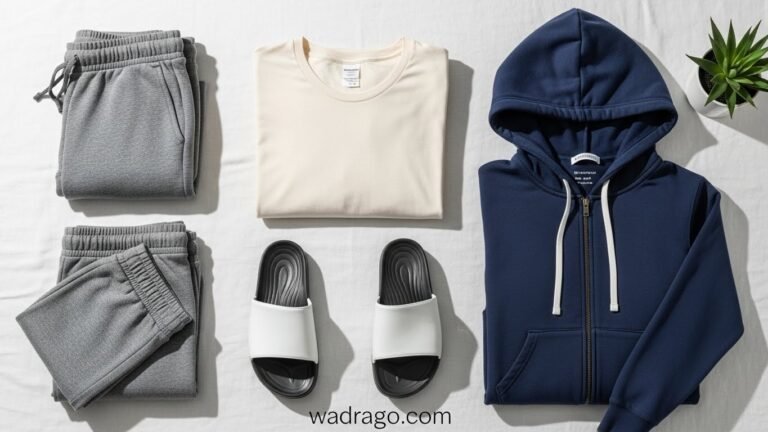
- Matching loungewear set (coordinated sweatshirt and sweatpants)
- Soft knit cardigan or robe
- Plush slippers or cozy socks
- Scrunchie or soft headband
- Moisturizing face mask (not clothing, but part of the vibe!)
Why It Works: After 12-hour shifts, sometimes the best weekend plan is no plan at all. Nurses must prioritize personal time and dedicate time to activities outside of work to recharge and prevent burnout. Quality loungewear makes home recovery feel intentional rather than lazy.
Personal Experience: Following particularly tough weeks in the ER—especially during COVID-19 surges—I learned that my body needed complete rest days. Investing in actually nice loungewear (not just old scrubs or ratty pajamas) helped me honor those rest days instead of feeling guilty about them.
Styling Tips:
- Choose loungewear in colors that make you happy—I love soft pastels and warm neutrals
- Natural, breathable fabrics like cotton or bamboo feel better against the skin
- A matching set looks more intentional than mismatched pieces
Best For: Recovery days, self-care Sundays, post-night shift sleep recovery
Budget: Mid-range – worth investing in quality pieces you’ll wear frequently
Outfit 5: Date Night Casual
The Look: Effortlessly romantic without trying too hard
Pieces:
- High-waisted jeans (straight leg or wide leg) in a dark wash
- Silk or satin camisole in a rich color (burgundy, emerald, or black)
- Tailored blazer or leather jacket
- Heeled mules or strappy sandals
- Clutch or small crossbody bag
- Statement earrings and delicate rings
Why It Works: The 2024-2025 fashion landscape emphasizes choosing what’s right for you rather than feeling pressured to follow every trend. This outfit feels special without being overdressed, perfect for nurses who want to look date-ready without excessive effort.
Personal Experience: Dating as a nurse is challenging—unpredictable schedules, exhaustion, and limited energy for elaborate preparation. This combination became my solution because I could put it together in 10 minutes and still feel confident and attractive. I’ve worn variations of this outfit to dinners, movies, and casual dates throughout my years in Kumasi.
Styling Tips:
- The blazer adds polish and can be removed if the venue is too warm
- Choose jeans with a bit of stretch for comfort (we’re used to flexible scrubs!)
- A swipe of red lipstick transforms the entire look instantly
Best For: Romantic dinners, evening events, special occasions
Budget: Mid-range to higher investment for quality denim and blazer
Outfit 6: Shopping & Social Outings
The Look: Comfortable chic for extended wear
Pieces:
- Bermuda shorts or relaxed-fit trousers
- Tucked-in graphic tee or fitted knit top
- Statement belt
- Platform sandals or stylish loafers
- Large tote bag
- Layered necklaces and stacked bracelets
Why It Works: Bermuda shorts received a casual weekend makeover on recent runways, proving that longline styles are back in the spotlight. This outfit offers mobility and comfort for hours of walking without sacrificing style.
Personal Experience: Weekend shopping trips in Kumasi’s markets require outfits that can handle heat, crowds, and lots of movement. After ruining too many delicate pieces, I learned to choose durable, practical fabrics that still look intentional. This combination has survived countless market days and shopping adventures.
Styling Tips:
- Choose shorts that hit just above the knee for a universally flattering length
- The tote bag needs to be functional—look for sturdy straps and interior pockets
- A statement belt elevates what could otherwise be a basic look
Best For: Shopping trips, market days, tourist activities, extended outings
Budget: Affordable – most pieces are wardrobe basics
Outfit 7: Family Gatherings
The Look: Respectfully polished with personal flair
Pieces:
- Midi skirt (denim, pleated, or A-line) in a modest length
- Tucked-in blouse or nice fitted t-shirt
- Cardigan or lightweight sweater
- Low-heeled sandals or closed-toe flats
- Structured handbag
- Modest jewelry (pearl studs, simple chain necklace)
Why It Works: Skirts have returned as an important wardrobe category, with denim skirts in all lengths appearing everywhere, particularly long straight styles. This combination respects family and cultural expectations while still feeling authentic.
Personal Experience: As a nurse in Ghana, family gatherings often mean church services, Sunday lunches with extended family, or community events. This outfit strikes the perfect balance between professional polish (which the family loves to see) and personal comfort. I’ve worn variations to countless family functions over the years.
Styling Tips:
- Keep skirt length at or below the knee for conservative family settings
- Choose breathable fabrics like cotton or linen for hot weather
- A cardigan adds a layer of modesty and can be removed if needed
Best For: Family events, church services, cultural gatherings, formal brunches
Budget: Affordable to mid-range
Outfit 8: Outdoor Adventures
The Look: Functional fashion for nature and exploration
Pieces:
- Moisture-wicking athletic leggings or hiking pants
- Fitted athletic top with built-in bra
- Lightweight zip-up jacket or windbreaker
- Supportive hiking shoes or trail sneakers
- Backpack with hydration capability
- Sun hat and sunglasses
Why It Works: Healthcare workers need physical activity for overall well-being, as a lack of physical activity can lead to feelings of anxiety and depression. This outfit removes barriers to outdoor exercise.
Personal Experience: After intense weeks in the ICU, I discovered that getting into nature was essential for my mental health. Having a dedicated outdoor adventure outfit made it easier to say yes to hiking invitations or weekend nature walks without the friction of “what should I wear?”
Styling Tips:
- Invest in quality moisture-wicking fabrics—worth every penny
- Choose shoes with good arch support (our feet already work hard enough!)
- Layering is key for changing weather conditions
Best For: Hiking, nature walks, outdoor exploration, adventure activities
Budget: Mid-range to higher for quality athletic wear
Outfit 9: Netflix & Chill Perfection
The Look: Ultimate comfort without compromising style
Pieces:
- Soft joggers or wide-leg lounge pants
- Oversized cozy sweatshirt or hoodie
- Thick socks or slippers
- Messy bun or loose braids
- Hydrating lip balm (because self-care!)
Why It Works: Oversized hoodies and baggy joggers are especially trendy within athleisure as they’re perfect for layering and creating an effortless casual look. Sometimes the best outfit is one that feels like a hug.
Personal Experience: After particularly traumatic shifts—code blues, difficult patient losses, challenging family conversations—sometimes I need to completely cocoon. This outfit became my emotional recovery uniform. It signals to my body: “We’re safe now. We can rest.”
Styling Tips:
- Choose fabrics that are soft against skin (fleece, brushed cotton, French terry)
- Oversized doesn’t mean sloppy—choose pieces with intentional proportions
- Keep a cozy “comfort outfit” washed and ready for hard days
Best For: Recovery days, mental health breaks, home movie nights
Budget: Affordable to mid-range
Outfit 10: Post-Night Shift Recovery
The Look: Comfort-first transitional wear
Pieces:
- Loose-fitting linen or cotton pants
- Soft, breathable t-shirt or tank
- Slip-on shoes or sandals
- Oversized sunglasses (critical!)
- Lightweight scarf or wrap
Why It Works: Night shift recovery requires special consideration. Nurses working 12 or more hours per shift during the pandemic were more likely to report health and well-being challenges. This outfit prioritizes comfort and ease for the delicate post-night shift state.
Personal Experience: After years of rotating between day and night shifts, I learned that the outfit I wore when leaving the hospital at 7 AM directly impacted my ability to sleep and recover. Tight waistbands, restrictive fabrics, or complicated shoes made everything worse. This ultra-simple combination became my night shift exit strategy.
Styling Tips:
- Choose tops made from natural, breathable fibers
- Avoid anything with a tight elastic waistband
- Sunglasses are non-negotiable when leaving in bright morning light
Best For: Post-night shift exits, early morning transitions, maximum comfort needs
Budget: Affordable
Outfit 11: Travel & Exploration
The Look: Stylish yet practical for extended wear
Pieces:
- Comfortable straight-leg or wide-leg jeans
- Layered tops (tank + lightweight sweater or button-down)
- Comfortable walking shoes or slip-on sneakers
- Large scarf (doubles as blanket, pillow, or coverage)
- Crossbody bag that converts to a backpack
- Minimal jewelry that won’t set off metal detectors
Why It Works: Healthcare workers often have unpredictable schedules, making last-minute travel common. This outfit works for flights, road trips, and exploring new places without requiring multiple outfit changes.
Personal Experience: Whether traveling for conferences, family visits, or rare vacations, I needed outfits that could handle 12+ hour travel days. This combination has taken me across Ghana and beyond, always arriving comfortable and presentable.
Styling Tips:
- Layers are essential for variable temperatures
- Choose darker colors that don’t show travel wrinkles
- Wear your bulkiest shoes during travel to save luggage space
Best For: Travel days, conferences, exploration, multi-activity days
Budget: Mid-range
Outfit 12: Self-Care Sunday
The Look: Intentional wellness and relaxation
Pieces:
- Soft cotton or bamboo pajama set or matching loungewear
- Plush robe
- Comfortable slippers
- Hair wrap or soft headband
- Face mask and skincare products
Why It Works: Healthcare professionals benefit significantly from structured wellness interventions and self-care practices. Dedicating an outfit specifically to self-care rituals makes the practice feel more intentional and important.
Personal Experience: I designate one day every other week as “Self-Care Sunday”—no errands, no obligations, just restorative activities. Having a special outfit for these days transformed them from “lazy days I feel guilty about” to “essential wellness practices I prioritize.”
Styling Tips:
- Choose fabrics that feel luxurious against the skin
- Keep this outfit separate from regular loungewear
- Consider it part of your self-care toolkit, not just clothing
Best For: Dedicated self-care days, spa days at home, wellness rituals
Budget: Mid-range—worth investing in quality
<a name=”essential-pieces”></a>
Essential Wardrobe Pieces for Off-Duty Nurses
After analyzing all these outfits, certain pieces appear repeatedly. Here are the essential building blocks of a versatile weekend wardrobe:
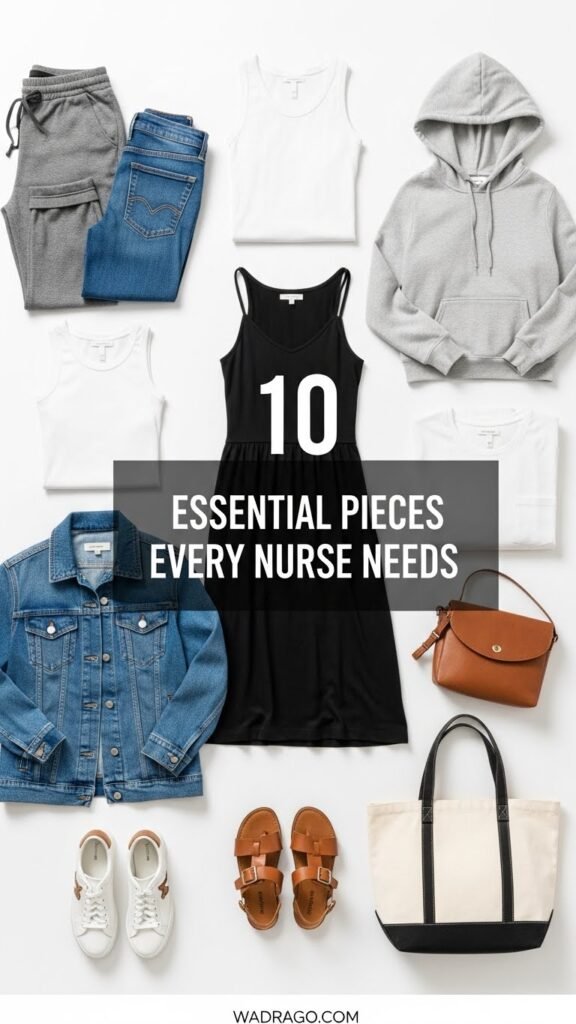
The Core Capsule (10 Essential Pieces)
- High-Quality Athleisure Leggings (2 pairs—one neutral, one bold)
- Wide-Leg Joggers or Sweatpants (neutral color)
- Well-Fitting Jeans (one dark wash, one lighter wash)
- Versatile Midi/Maxi Dress (neutral color, comfortable fabric)
- White Tank Tops or Tees (3-4 basics)
- Oversized Hoodie or Sweatshirt (cozy, quality fabric)
- Denim Jacket or Blazer (adds polish to any outfit)
- Comfortable Sneakers (all-white or neutral)
- Flat Sandals or Ballet Flats (for warmer weather)
- Crossbody Bag or Tote (functional and stylish)
Investment Pieces Worth the Cost
- Quality Denim: Will last years and always look current
- Leather Jacket or Blazer: Instantly elevates any outfit
- Comfortable Athletic Shoes: Essential for active lifestyles
- Matching Loungewear Set: Makes rest days feel intentional
Save Money On
- Basic Tank Tops and Tees: Buy in multipacks
- Accessories: Trendy pieces that change seasonally
- Athleisure Basics: Many affordable brands offer great quality
- Casual Shorts: Don’t need designer versions
<a name=”transition-tips”></a>
How to Transition from Scrubs to Street Style
One of the biggest challenges for nurses is the mental and physical transition from work mode to personal time. Here’s my refined process after 10 years:
Immediate Post-Shift Transition
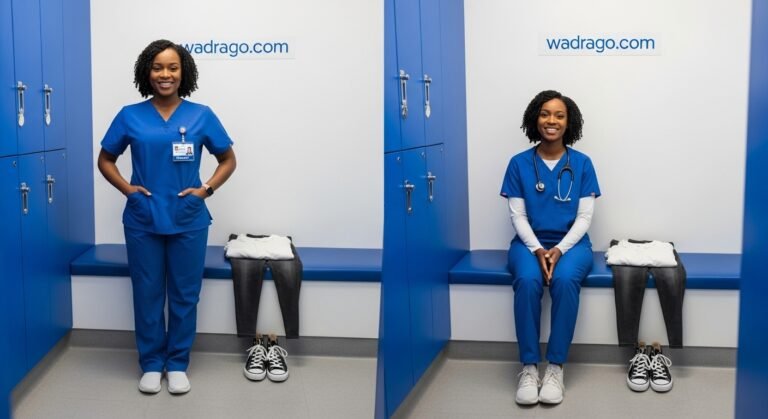
At the Hospital:
- Change out of scrubs completely (don’t wear them under street clothes)
- Wash face and hands thoroughly
- Apply moisturizer and lip balm
- Put on comfortable street clothes
- Let your hair down (literally and figuratively)
The Commute Home:
- Use this time to mentally decompress
- Listen to non-work-related podcasts or music
- Practice deep breathing if you had a stressful shift
- Avoid immediately checking work emails or messages
The “Decompression Outfit”
Keep a specific outfit designated for immediate post-shift wearing:
- Ultra-comfortable
- Easy to put on
- Makes you feel “off-duty.”
- Washed and ready to grab
Weekend Morning Rituals
Create a morning routine on days off that reinforces you’re not working:
- Sleep in (if possible)
- Wear something distinctly non-work-related
- Enjoy a leisurely breakfast or coffee
- Delay checking work communications
<a name=”pro-tips”></a>
Pro Tips from 10 Years in Nursing
Here are insider secrets I’ve learned about maintaining style and comfort as a healthcare professional:
Tip 1: Keep an Emergency Weekend Outfit in Your Car
After getting called in on days off multiple times, I learned to keep a complete change of clothes in my car. Include comfortable shoes, a complete outfit, and basic toiletries. You never know when plans change.
Tip 2: Sunday Night Prep Saves Weekend Stress
Spend 15 minutes Sunday evening preparing outfits for the week AND planning your next weekend outfit. This eliminates decision fatigue when you’re already exhausted.
Tip 3: Invest in Multitasking Pieces
Every item should work in at least three different outfit combinations. If it doesn’t, it’s taking up valuable closet space you could use for versatile pieces.
Tip 4: The “Five-Minute Rule”
If an outfit takes more than five minutes to put together, it’s too complicated for weekend wear. Healthcare workers don’t have energy for complex styling.
Tip 5: Quality Over Quantity for Foundation Pieces
Buy fewer items of better quality, especially for basics like jeans, sneakers, and outerwear. They’ll last longer and look better over time.
Tip 6: Embrace Athleisure—It’s Practical AND Stylish
Two-thirds of U.S. adults say they want to live in activewear daily, underlining how daily wearability is pushing athleisure fashion forward. Don’t fight this trend—embrace it! Athleisure perfectly suits nurses’ need for comfortable, versatile clothing.
Tip 7: Create a “Capsule Wardrobe” Approach
Choose a color palette (neutrals plus 2-3 accent colors) and stick to it. This ensures everything in your closet coordinates, making outfit creation effortless.
Tip 8: Don’t Underestimate the Power of Accessories
A basic outfit becomes special with the right accessories. Keep a collection of statement earrings, scarves, and bags to transform simple looks.
<a name=”common-mistakes”></a>
Common Styling Mistakes and How to Avoid Them
Mistake 1: Wearing Scrubs on Days Off
Why It Happens: They’re comfortable and already clean.
The Problem: Your brain can’t fully disconnect from work mode when wearing work clothes.
The Solution: Create equally comfortable weekend alternatives. Invest in quality loungewear that feels as good as scrubs without the work association.
Mistake 2: Neglecting Your Weekend Wardrobe
Why It Happens: All your mental energy goes into work; fashion feels frivolous.
The Problem: Looking disheveled on days off can negatively impact self-esteem and make you feel “less than” even when you’re supposed to be recharging.
The Solution: View your weekend wardrobe as part of your wellness toolkit, not a vanity project.
Mistake 3: Buying Trendy Pieces That Don’t Fit Your Lifestyle
Why It Happens: Social media makes everything look appealing.
The Problem: That trendy crop top sits unworn because it’s not practical for your actual life.
The Solution: Before buying, ask: “Will I actually wear this for my real weekend activities?” If the answer isn’t an enthusiastic yes, skip it.
Mistake 4: Ignoring Comfort for Style
Why It Happens: Wanting to look fashionable on days off.
The Problem: After physically demanding shifts, uncomfortable clothes add unnecessary stress.
The Solution: The outfits in this guide prove you don’t have to choose between comfort and style—you can have both.
Mistake 5: Not Planning Outfits in Advance
Why It Happens: Seems unnecessary for casual weekends.
The Problem: Decision fatigue when you’re already exhausted leads to throwing on whatever, often resulting in feeling frumpy.
The Solution: Spend 10 minutes weekly planning weekend outfits so they’re ready to grab.
Mistake 6: Wearing the Same Thing Every Weekend
Why It Happens: Found something comfortable and stuck with it.
The Problem: Outfit ruts can make you feel stuck in other areas of life too.
The Solution: Rotate through at least 4-5 different weekend looks to maintain variety and interest.
<a name=”budget-tips”></a>
Budget-Friendly Shopping Strategies
As nurses, we work hard for our money. Here’s how to build a great weekend wardrobe without overspending:
Strategy 1: Cost-Per-Wear Calculation
Before buying anything, calculate: Total Cost ÷ Estimated Times You’ll Wear It = Cost Per Wear
Aim for items under $1-2 per wear for basics, $3-5 for special pieces.
Strategy 2: Shop Off-Season Sales
Buy winter pieces in spring, summer items in fall. I’ve saved 50-70% using this strategy.
Strategy 3: Invest in Basics, Save on Trends
Spend more on classic pieces (jeans, sneakers, blazers) that last years. Buy trendy items (bold prints, seasonal colors) at lower price points.
Strategy 4: Quality Check Before Purchase
Examine:
- Seam quality and stitching
- Fabric weight and feel
- Care instructions (avoid “dry clean only” for casual wear)
- Whether colors will fade quickly
Strategy 5: Build Gradually
Don’t try to create a complete wardrobe at once. Add 1-2 quality pieces monthly. In 6 months, you’ll have a solid collection.
Strategy 6: Explore Local Markets and Second-Hand Options
In Kumasi, I’ve found amazing pieces at local markets and second-hand shops. Quality international brands often end up there at a fraction of retail prices.
Strategy 7: Take Advantage of Healthcare Worker Discounts
Many retailers offer nurse discounts, including fashion brands like Lululemon (15% off), Madewell (15% off), and Levi’s (15% off). Always ask about healthcare worker discounts—you’d be surprised how many stores offer them.
<a name=”seasonal-tips”></a>
Seasonal Considerations
Living and working in Ghana means dealing with tropical climate considerations, but these tips apply universally:
Warm/Hot Season Styling
- Breathable Fabrics: Cotton, linen, bamboo, and moisture-wicking synthetics
- Loose Fits: Allow air circulation
- Light Colors: Reflect heat rather than absorbing it
- Sun Protection: Lightweight long sleeves, sun hats, sunglasses
- Footwear: Breathable sandals, canvas sneakers
Cooler Season Styling
- Layering: Base layers that can be removed as temperature changes
- Natural Fibers: Wool, cotton blends for warmth
- Cardigans and Jackets: Easy to add or remove
- Closed-Toe Shoes: Keep feet warm and protected
- Accessories: Scarves add warmth and style
Rainy Season Considerations
- Water-Resistant Outerwear: Lightweight rain jacket or trench coat
- Quick-Dry Fabrics: Especially for bottoms and shoes
- Covered Footwear: Avoid open-toe sandals
- Packable Rain Gear: Keep in your bag for unexpected downpours
<a name=”faq”></a>
Frequently Asked Questions About Weekend Outfits for Nurses
Q1: How many weekend outfits do I actually need?
A: Based on my experience, you need at least 4-5 core weekend looks that can be mixed and matched. This provides enough variety to avoid outfit boredom while keeping your wardrobe manageable. With versatile basics, these 4-5 looks can actually create 10-15 different combinations.
Q2: Is it okay to wear athleisure constantly on weekends?
A: Absolutely! The athleisure industry is forecasted to grow globally by a CAGR of 8.8% through 2034, reaching $920B in value, reflecting sharp rises in post-pandemic consumer demand. Athleisure has evolved beyond gym wear to become acceptable everyday fashion. The key is choosing elevated athleisure pieces rather than strictly athletic wear.
Q3: How do I transition my wardrobe from night shift to day shift schedules?
A: Keep outfit options for multiple scenarios ready. I maintain separate “post-night shift comfort clothes” (ultra-soft, loose-fitting) and “normal weekend clothes.” This allows me to dress appropriately whether I’m recovering from nights or enjoying a regular day off.
Q4: What’s the best way to maintain work-life balance through clothing?
A: Create clear visual boundaries. Healthcare professionals need to set healthy boundaries, including prioritizing personal time and dedicating time to activities outside work to recharge. Never wear scrubs or work-related clothing on days off. Designate specific “weekend only” pieces that signal to your brain: work is done, rest has begun.
Q5: Should I dress up or down for running errands after a shift?
A: Prioritize comfort after shifts. In my decade of nursing, I’ve learned that forcing yourself into uncomfortable “cute” outfits when exhausted leads to resentment and stress. Choose outfits like #1 (Casual Saturday) or #10 (Post-Night Shift Recovery) that look intentional while feeling comfortable.
Q6: How can I look stylish without spending hours on my appearance?
A: The “five-minute outfit rule” is game-changing. Pre-plan outfit combinations, keep accessories simple, and stick to a cohesive color palette. All the outfits in this guide can be assembled in under five minutes once the pieces are in your wardrobe.
Q7: What shoes should I invest in for weekends?
A: Based on years of testing: invest in quality sneakers first (wear them most), then comfortable sandals or flats, then one statement shoe for special occasions. Healthcare workers who are less active have a greater risk of developing health issues, and exercise makes you feel good. Comfortable shoes encourage more weekend activity.
Q8: How often should I update my weekend wardrobe?
A: Replace worn basics annually, but invest in pieces that can last 3-5 years with proper care. Add 1-2 trendy pieces each season to keep your look current without overspending. I do a wardrobe audit every 6 months, removing items I haven’t worn and identifying gaps.
Q9: Can I wear the same outfit multiple weekends in a row?
A: Absolutely! Unlike work, where people see you daily, weekend appearances are sporadic. I regularly rotate between my favorite 3-4 looks without anyone noticing or caring. Wear what makes you feel good—that’s what matters.
Q10: How do I style outfits for different body types?
A: The outfits in this guide work across body types because they emphasize proportion and comfort over strict sizing. Key principles: balance fitted and loose pieces, choose fabrics with appropriate stretch, and wear what makes YOU feel confident. I’ve seen nurses of all sizes rock these looks successfully.
<a name=”other-factors”></a>
Other Factors to Consider
Cultural and Professional Considerations
As a nurse in Ghana, I’m mindful of cultural expectations, especially at family gatherings and community events. While personal expression is important, I also respect that certain settings require more conservative dressing. The outfits in this guide offer options for various levels of formality.
Body Type and Individual Differences
Everybody is different, and what works perfectly for me might need adjustment for you. The key is understanding the principles—comfort, versatility, ease—and adapting them to your personal style and body type. Don’t force yourself into trends that don’t suit you.
Career Stage Considerations
Your weekend wardrobe needs will evolve throughout your nursing career:
New Nurses: Focus on affordable basics while learning your style. Mid-Career: Invest in quality pieces; you know what works for you. Experienced Nurses: Refined wardrobe with investment pieces; comfort is paramount
Climate and Geographic Location
These outfits were tested in Ghana’s tropical climate, but the principles apply everywhere:
- Adjust fabrics for your climate
- Layer appropriately for temperature changes
- Consider the weather conditions in your region
Maintenance and Care
Healthcare workers’ clothing requires special consideration for laundering and maintenance. For weekend clothes:
- Follow care instructions to extend garment life
- Wash similar colors together
- Hang or fold promptly to avoid wrinkles
- Invest in quality laundry detergent
<a name=”conclusion”></a>
Final Thoughts on Weekend Outfit Ideas for Nurses
After ten years of working across emergency departments, ICUs, pediatric units, and general wards, I’ve come to understand that how we dress on our days off is not trivial—it’s an essential part of maintaining our wellbeing and identity beyond our professional roles.
The 12+ weekend outfit ideas I’ve shared aren’t just fashion suggestions; they’re tools for work-life balance, self-care strategies, and expressions of identity that healthcare work can sometimes overshadow. As the healthcare industry continues to evolve in 2025, the well-being of nurses must remain a central focus because healthy and fulfilled nurses are essential to delivering high-quality patient care.
Key Takeaways
1. Comfort and Style Aren’t Mutually Exclusive: The athleisure revolution proves you can look put-together while feeling comfortable. Embrace this trend—it was made for healthcare workers.
2. Your Weekend Wardrobe Is Self-Care: Investing time and resources into how you present yourself on days off isn’t vanity; it’s an essential component of maintaining healthy boundaries between work and personal life.
3. Simplicity Is Strategic: The five-minute outfit rule, capsule wardrobe approach, and pre-planned combinations eliminate decision fatigue when you’re already exhausted from shifts.
4. Quality Over Quantity: A small collection of versatile, well-made pieces serves you better than a closet full of mediocre items you rarely wear.
5. Your Style Is Personal: While I’ve shared what works for me, the best weekend wardrobe is one that makes YOU feel confident, comfortable, and authentically yourself.
My Personal Recommendations
If I had to start my weekend wardrobe from scratch with a limited budget, I’d prioritize:
- High-quality athleisure leggings (2 pairs)
- Well-fitting jeans (1 dark pair)
- Oversized cozy hoodie
- Comfortable white sneakers
- Versatile midi dress
These five pieces could create dozens of combinations and cover most weekend scenarios.
Moving Forward
As fellow healthcare professionals, we give so much of ourselves to our patients and profession. On weekends, we deserve to feel comfortable, confident, and fully ourselves. Whether you adopt these exact outfit ideas or use them as inspiration to develop your own style, I hope this guide empowers you to approach your off-duty wardrobe with intention.
Remember: you don’t need a perfect wardrobe or unlimited budget. You just need a few versatile pieces that make you feel good and help you transition from “nurse mode” to “personal time mode.” Start small, build gradually, and most importantly, wear what makes you feel like the best version of yourself.
I Want to Hear From You
What are your go-to weekend outfits? Have you discovered styling hacks that make getting dressed easier after exhausting shifts? Share your experiences in the comments below—I learn so much from connecting with fellow healthcare professionals.
If you found this guide helpful, please share it with your nurse friends or colleagues who might benefit. We’re all in this together, supporting each other through the challenges and celebrating the small victories—like finally finding the perfect weekend outfit that feels as good as it looks.
Stay comfortable, stay stylish, and most importantly, take care of yourselves. You deserve it.
<a name=”references”></a>
Medical References & Evidence-Based Sources
Primary Sources
Centers for Disease Control and Prevention (CDC). (2023). Healthcare Personnel Attire in Non-Operating Room Settings. Retrieved from https://www.cdc.gov/niosh/healthcare/protective-clothing/index.html
Melnyk, B. M., Hsieh, A. P., Tan, A., Teall, A. M., Weberg, D., Jun, J., Gawlik, K., & Hoying, J. (2021). Associations Among Nurses’ Mental/Physical Health, Lifestyle Behaviors, Shift Length, and Workplace Wellness Support During COVID-19: Important Implications for Health Care Systems. Nursing Administration Quarterly, 45(4), 293-305.
National Academies of Sciences, Engineering, and Medicine. (2021). The Future of Nursing 2020-2030: Charting a Path to Achieve Health Equity. Washington, DC: The National Academies Press. https://doi.org/10.17226/25982
Secondary Sources
AMN Healthcare. (2024). Nursing Lifestyle Habits and Health. Retrieved from https://www.amnhealthcare.com/blog/nursing/
Concordia University Wisconsin. (2025). Nurse Wellness in 2025: Prioritizing Self-Care in a Demanding Field. Retrieved from https://blog.cuw.edu/nurse-wellness-in-2025/
Diversity Nursing. (2024). Nurse Compensation Trends for 2025. Retrieved from https://blog.diversitynursing.com/blog/nurse-compensation-trends-for-2025
Focus Staff. (2024). Ultimate Guide to Discounts & Freebies During Nurses Week 2024. Retrieved from https://www.focus-staff.com/your-ultimate-guide-to-score-discounts-freebies-during-nurses-week-2024/
Sampson, M., Melnyk, B. M., & Hoying, J. (2019). The MINDSTRONGR Intervention. Worldviews on Evidence-Based Nursing, 16(3), 208-216.
Skilled Nursing News. (2024). Over One-Third of Nurses Considering Career Change in 2024 Amid Staffing Mandate Challenges. Retrieved from https://skillednursingnews.com/2024/05/over-one-third-of-nurses-considering-career-change-in-2024/
Fashion Industry Sources
Avec Sport. (2025). The Best Trends in Athleisure Wear 2025. Retrieved from https://avecsport.com/blog/the-best-trends-in-athleisure-wear-2024
Harrods UK. (2025). How to Dress Casual and Cool in 2025. Retrieved from https://www.harrods.com/en-gb/c/stories/women/how-to-dress-cool-and-casual
NET-A-PORTER. (2025). 4 Easy Ways to Elevate Athleisure Outfits for 2025. Retrieved from https://www.net-a-porter.com/en-us/porter/article-1dffc8aa4ef5dd86/fashion/art-of-style/athleisure-outfits
Precedence Research. (2025). Athleisure Market Size, Share, and Trends 2025 to 2034. Retrieved from https://www.precedenceresearch.com/athleisure-market
Printful. (2025). Athleisure Market Report for 2025. Retrieved from https://www.printful.com/blog/athleisure-market
Shane, J. L. (2025). Fall Fashion Trends: What’s In and What’s Out for 2024. Retrieved from https://jolynneshane.com/fall-fashion-trends-whats-in-and-whats-out-for-2024-2.html
Stolen Inspiration. (2025). The 15 Most Wearable 2025 Fashion Trends. Retrieved from https://www.stoleninspiration.com/2025-fashion-trends/
StyleCaster. (2024). Fashion Trends Fall 2024: F1 Core, Goth Princess, Asymmetry & More. Retrieved from https://stylecaster.com/lists/fashion-trends-2024/
Healthcare Worker Wellness Sources
Ohio State University College of Nursing. (2021). New Study Examines Association Between Nurses’ Well-Being, Workplace Wellness Cultures, and Shift Length During COVID-19. Retrieved fromhttps://nursing.osu.edu/news/2021/09/23/new-study-examines-association-between-nurses-well-being-workplace-wellness
Patient Safety & Quality Healthcare. (2025). How Proper Workwear Improves Safety for Healthcare Workers. Retrieved from https://www.psqh.com/analysis/how-proper-workwear-improves-safety-for-healthcare-workers/
Trusted Health. (2020). How Nurses Can Stay Healthy at Work. Retrieved from https://www.trustedhealth.com/blog/how-nurses-can-stay-healthy-at-work
About the Author
Abdul-Muumin Wedraogo, BSN, RN
Abdul-Muumin is a Registered General Nurse with the Ghana Health Service, bringing over 10 years of diverse clinical experience across Emergency Room, Intensive Care Unit, Pediatrics, and General Ward settings. He earned his Bachelor of Science in Nursing from Valley View University, Ghana, and completed his foundational training at Premier Nurses’ Training College, Ghana.
Beyond his clinical practice, Abdul-Muumin holds advanced certifications in Network Engineering (OpenLabs Ghana) and System Engineering (IPMC Ghana), reflecting his multidisciplinary approach to healthcare and technology. He is an active member of the Nurses and Midwifery Council (NMC), Ghana, and the Ghana Registered Nurses and Midwives Association (GRNMA).
Abdul-Muumin is passionate about healthcare professional wellness, work-life balance, and evidence-based product evaluation. Through his writing, he combines clinical expertise with practical lifestyle advice to help fellow healthcare workers thrive both inside and outside the hospital. When not on shift, you can find him exploring fashion that bridges medical professionalism with personal style, advocating for nurse wellness, and sharing insights from his decade-long nursing journey.
Connect with Abdul-Muumin to share your own experiences and learn more about maintaining balance as a healthcare professional in today’s demanding environment.