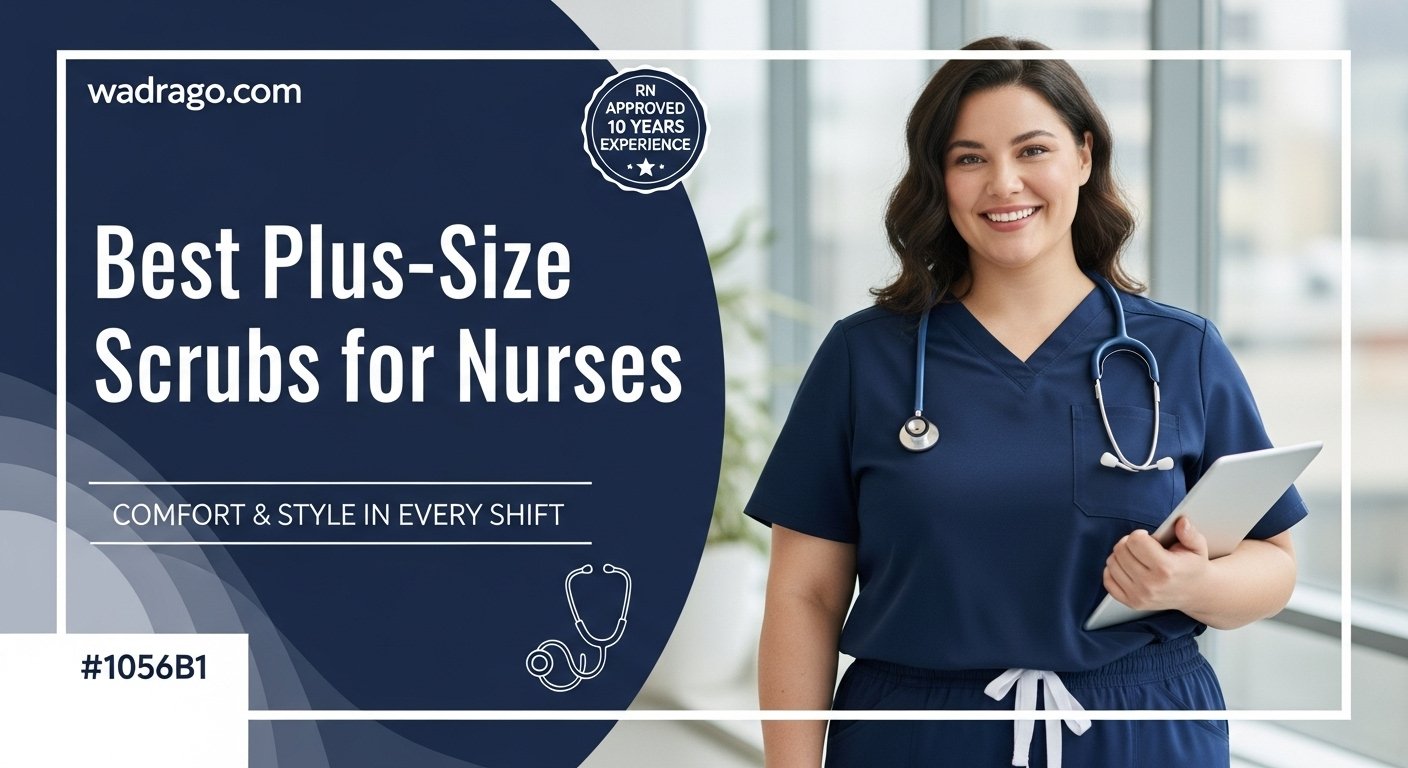

Discover the best plus-size scrubs for nurses offering comfort, durability, and style. Expert guide with reviews, sizing tips, and inclusive workwear recommendations for 12-hour shifts.
Picture this: It’s hour nine of your 12-hour shift in the ER, you’ve been on your feet since 7 a.m., and your scrubs are pinching at the waistband, riding up in all the wrong places, and making every patient transfer feel like an Olympic sport. Sound familiar? After a decade of nursing across multiple specialties, I’ve learned that the right scrubs aren’t just about looking professional—they’re essential tools that directly impact your ability to move, bend, and care for patients comfortably throughout demanding shifts.
For plus-size nurses, finding scrubs that combine proper fit, functionality, and style has historically been frustrating. But the healthcare uniform industry has evolved dramatically, with major brands now offering extended size scrubs that genuinely prioritize both form and function. Some manufacturers now provide plus-size nursing uniforms in sizes from XXS all the way to 12XL, ensuring every nurse can find scrubs that fit their body type while meeting the rigorous demands of clinical work.
This comprehensive guide draws from my 10 years of clinical experience in ER, Pediatrics, ICU, and General Ward settings, combined with current research on healthcare worker ergonomics and inclusive workwear design. Whether you’re a nursing student preparing for clinicals or a seasoned RN looking to upgrade your uniform collection, you’ll discover evidence-based recommendations for curvy nurse uniforms that won’t let you down when you need them most.
Table of Contents
Why Proper-Fitting Plus-Size Scrubs Matter for Healthcare Professionals
The Connection Between Scrub Fit and Clinical Performance
During my first year as a floor nurse, I made the mistake of buying scrubs that were “close enough” in fit. By mid-shift, I was constantly adjusting my waistband during patient assessments, and the restricted movement around my shoulders made lifting and repositioning patients unnecessarily difficult. The reality is that ill-fitting scrubs don’t just cause discomfort—they can compromise your clinical effectiveness and even contribute to workplace injuries.
About half of all occupational injuries among hospital workers are work-related musculoskeletal disorders (MSDs), with Massachusetts hospital workers experiencing rates almost twice the national average (Mass.gov). While patient handling is the primary culprit, improperly fitting uniforms can cause discomfort and health risks, as scrubs that are too loose could tangle with equipment, while clothing that is too tight can restrict movement.
Ergonomics and Healthcare Workwear
The science of ergonomics—designing work to fit the worker rather than forcing workers to adapt to their environment—extends to the clothing we wear. Ergonomics aims to reduce work-related musculoskeletal disorders by helping design work that can be safely performed by most workers NCBI. Your scrubs should facilitate, not hinder, the constant bending, reaching, lifting, and rapid movement that defines nursing work.
Uniforms made of slightly stretchable materials allow for a wide range of motion, lowering the chance of musculoskeletal strain, while breathable materials help preserve a comfortable temperature even in demanding settings. During my ICU rotations, I noticed that nurses wearing restrictive, non-stretch fabrics were more likely to complain of shoulder and back discomfort by the end of their shifts.
The Psychological Impact of Comfortable, Well-Fitting Scrubs
Beyond physical considerations, comfortable plus-size workwear significantly impacts confidence and professional presentation. When your scrubs fit properly, you can focus entirely on patient care rather than self-consciousness about your appearance. The healthcare workplace is increasingly recognizing that inclusive sizing isn’t just about accommodation—it’s about creating equitable work environments where all staff members can perform at their best.
Understanding Plus-Size Scrub Sizing and Fit
Decoding Size Charts Across Different Brands
One of the most frustrating aspects of shopping for extended-size scrubs is that sizing varies dramatically between manufacturers. What fits as a 2X in Cherokee might feel completely different from a 2X in Figs or Jaanuu. I learned this lesson the hard way when I ordered three different brands in my “usual” size, only to find that one was too tight, one was perfect, and one was swimming on me.
Always start with your measurements rather than assuming your size. You’ll need four key measurements: bust (around the fullest part), natural waist (typically the narrowest point), hips (around the widest part), and inseam (from crotch to desired hem length). Keep these numbers handy and compare them against each brand’s specific size chart before ordering.
Major brands like Cherokee, Figs, and Jaanuu now offer several styles for plus-size nurses, with many extending to 6X sizing. making it easier than ever to find options. However, don’t assume consistency even within the same brand—different product lines may fit differently.
Body Shape Considerations for Scrub Selection
Understanding your body shape helps you choose scrub styles that flatter your figure while providing comfort. Consider these general guidelines:
Apple Shape (weight carried in midsection): Look for tops with structured shoulders and empire waistlines that create definition without cinching. Straight-leg or slightly flared pants with mid-rise waists work well, avoiding both low-rise styles that dig in and high-rise styles that may feel constraining.
Pear Shape (narrower shoulders, wider hips): V-neck or scoop-neck tops that draw attention upward balance proportions nicely. For bottoms, choose styles with slight flare or bootcut legs, avoiding overly tapered styles that emphasize hip width.
Rectangle Shape (similar measurements throughout): Create definition with mock-wrap tops or styles with princess seaming. Cargo pants with strategic pockets add dimension while providing functionality.
Hourglass Shape (defined waist): Take advantage of natural proportions with fitted tops that nip at the waist or belted styles. Mid-rise pants with slight stretch maintain shape without restricting movement.
During my pediatrics rotation, I worked with a nurse who perfectly understood this principle—she wore empire-waist tops that allowed her to bend and lift small children comfortably while maintaining a professional, put-together appearance throughout 12-hour shifts.
Petite, Regular, and Tall Considerations
Plus-size doesn’t mean one-size-fits-all in terms of height. Many nurses struggle with scrub pants that are either too long (creating a tripping hazard) or too short (riding up during movement). Some plus-size scrubs include petite options with shorter inseams, such as 27.5 inches, though availability varies by brand.
If you’re between 5’4″ and 5’7″, regular lengths typically work well. Under 5’4″? Look specifically for petite plus sizes or plan to hem pants. Over 5’8″? Tall sizes ensure proper coverage when bending and squatting—essential for maintaining modesty during patient care activities.
The Science of Scrub Fabrics: What Works Best for Plus-Size Nurses
Fabric Composition Breakdown
Understanding what your scrubs are made of helps you make informed choices based on your work environment and personal needs. Modern scrub fabrics typically combine several materials to balance comfort, durability, and functionality.
Polyester: Polyester is valued for its durability, wrinkle resistance, and easy maintenance, with many modern polyester scrubs featuring moisture-wicking capabilities. It holds its shape exceptionally well through countless washes and maintains color vibrancy longer than natural fibers. The downside? Pure polyester can feel less breathable and may generate static electricity, though this is usually mitigated in blends.
Cotton: The comfort champion, cotton is soft, breathable, and hypoallergenic. During summer shifts or in warmer hospital units, cotton’s breathability is unmatched. However, cotton scrubs tend to wrinkle more easily and may shrink if not washed carefully. Cotton also absorbs moisture rather than wicking it away, which can feel less comfortable during particularly active shifts.
Spandex/Elastane: Typically comprising 2-9% of scrub fabric blends, spandex provides crucial stretch and shape retention. It allows scrubs to move with your body during physical activities while returning to their original shape afterward. This prevents the sagging and bagging that can occur with non-stretch fabrics over the course of a long shift.
Rayon: This semi-synthetic fiber adds softness and drape to fabric blends, creating a more luxurious feel. Fabric blends like 65% rayon, 30% nylon, and 5% spandex create soft yet durable scrubs that can withstand repeated use. However, rayon can be more delicate and may require careful washing.
Ideal Fabric Blends for Healthcare Work
Through trial and error (and many ruined scrubs), I’ve found that certain fabric combinations perform best in clinical settings:
Polyester-Spandex Blends (90-95% polyester, 5-10% spandex): These offer excellent stretch, durability, and shape retention. The Cherokee Infinity Certainty fabric, which is 95% polyester and 5% spandex, features four-way stretch, wicking, and anti-static properties, and is wrinkle-free for easy care. This blend is my personal favorite for busy ER shifts where I’m constantly moving.
Tri-Blend Fabrics (Polyester-Rayon-Spandex): Jockey’s tri-blend combines 72% polyester, 21% rayon, and 7% spandex, creating a heavier fabric weight than many scrub brands while remaining wrinkle-resistant. These blends balance the durability of polyester with the softness of rayon and the flexibility of spandex.
Cotton-Polyester Blends (55-65% cotton, 35-45% polyester): For nurses who prioritize breathability but want more durability than pure cotton offers, this blend provides a middle ground. The polyester helps maintain shape and resist wrinkling, while the cotton keeps things comfortable.
Advanced Fabric Technologies
Modern scrub manufacturers have developed specialized fabric treatments that address specific healthcare challenges:
Antimicrobial Protection: Antimicrobial treatments integrated into fabrics inhibit the growth of bacteria, fungi, and other microorganisms, reducing cross-contamination risk and enhancing hygiene. This technology is particularly valuable for nurses working in infectious disease units or emergency departments where pathogen exposure is frequent.
Moisture-Wicking: These fabrics pull sweat away from your skin to the outer surface, where it can evaporate. During particularly intense shifts—like the time I helped manage a mass casualty incident in the ER—moisture-wicking scrubs kept me noticeably more comfortable than traditional fabrics would have.
Stain-Resistance: Some brands incorporate treatments that help liquids bead up and roll off rather than soaking in. While no fabric is truly stain-proof in healthcare settings, these treatments make cleaning easier and extend the life of your scrubs.
Odor-Resistance: Closely related to antimicrobial properties, odor-resistant fabrics help scrubs stay fresher between washes—particularly appreciated during those unexpected double shifts.
Top 7 Plus-Size Scrub Brands for Nurses
Based on my clinical experience, colleague recommendations, and research into current offerings, these brands consistently deliver quality, comfort, and style for plus-size healthcare professionals.
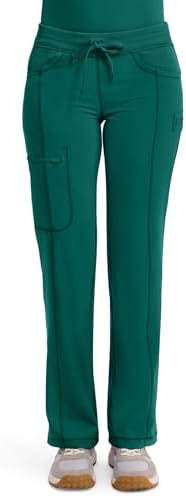
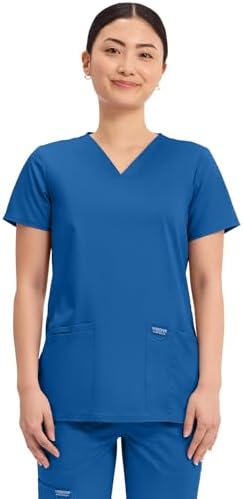
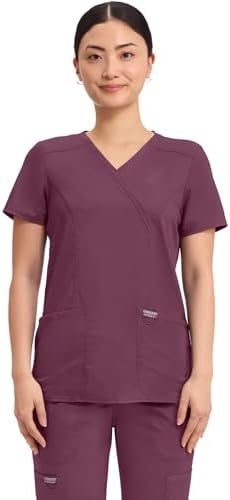
1. Cherokee Workwear and Cherokee Infinity






Size Range: XS to 5XL
Price Point: $$ (Mid-range, approximately $25-40 per piece)
Best For: Durability and value
Cherokee has been a healthcare uniform staple for decades, and for good reason. Nurses report that Cherokee Workwear scrubs wear exceptionally well, run true to size, and maintain color if washed and dried inside out, with some nurses using everyday scrubs for over 5 years. I purchased my first set of Cherokee scrubs during nursing school, and they outlasted many more expensive brands I tried later.
The Cherokee Infinity line takes things up a notch with its Certainty fabric technology. This antimicrobial fabric provides four-way stretch, wicking properties, and is wrinkle-free, while inhibiting bacterial growth and minimizing odors. During my ICU rotation, where I was constantly bending over patients and adjusting equipment, the stretch in Cherokee Infinity scrubs made a noticeable difference in end-of-shift fatigue.
Pros:
- Exceptional durability and longevity
- True-to-size fit reduces ordering uncertainty
- Wide variety of colors and prints
- Multiple pockets for essential equipment
- Affordable price point for quality received
Cons:
- Standard fabric may feel less stretchy than some premium brands
- Some nurses find them less fashion-forward in styling
- Limited tall sizing options
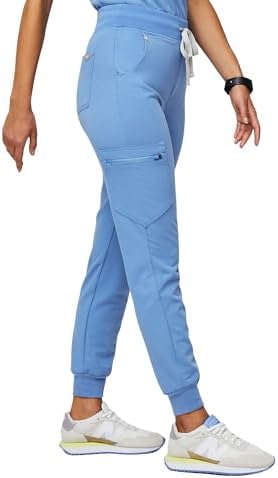
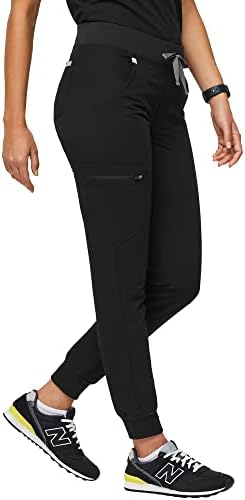
2. Figs






Size Range: XXS to 3XL (limited extended sizing compared to other brands)
Price Point: $$$ (Premium, approximately $38-48 per piece)
Best For: Modern style and technical fabrics
Figs revolutionized scrub design by applying athletic wear concepts to medical uniforms. Their proprietary fabrics—FIONx and FREEx—offer advanced performance features. FIONx fabric is soft, wrinkle-resistant, odor-resistant, and moisture-wicking, while FREEx is environmentally friendly, lightweight, and water-repellent.
I was skeptical about the premium price when I first tried Figs, but the investment proved worthwhile. The moisture-wicking properties became particularly apparent during summer shifts in a hospital with temperamental air conditioning. However, their size range tops out at 3XL, which limits accessibility for many plus-size nurses.
Pros:
- Superior technical fabric performance
- Sleek, modern aesthetic
- Excellent moisture management
- Four-way stretch in most styles
- Ridged necklines and zippered pockets
Cons:
- Limited extended sizing (only to 3XL)
- Higher price point
- Some nurses find fabric less soft initially
- May run small; size up if between sizes
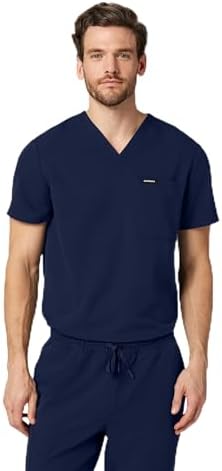
3. Jaanuu




Size Range: XXS to 3XL
Price Point: $$-$$$ (Mid to premium, approximately $34-44 per piece)
Best For: Stretch and movement
Jaanuu’s signature fabrics prioritize flexibility and comfort. Their SPINryx fabric offers maximum stretch with moisture control technology and Silvadur antimicrobial-finished technology for extra bacterial protection. The three-pocket system on their scrub pants—including a hidden zippered pocket—provides excellent organization without bulk.
A colleague in the pediatrics unit swears by Jaanuu scrubs because they allow her to get down on the floor with young patients without restriction. The fabric’s recovery is impressive—even after a full shift of squatting, bending, and reaching, these scrubs maintain their shape.
Pros:
- Exceptional stretch and flexibility
- Antimicrobial protection
- Stylish, tailored appearance
- Machine washable without special care
- Hidden security pockets
Cons:
- Limited to 3XL sizing
- May be too form-fitting for some preferences
- Premium pricing
- Some colors show wear more quickly
4. Grey’s Anatomy

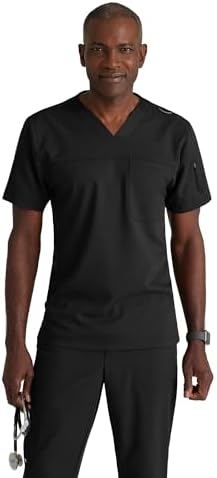


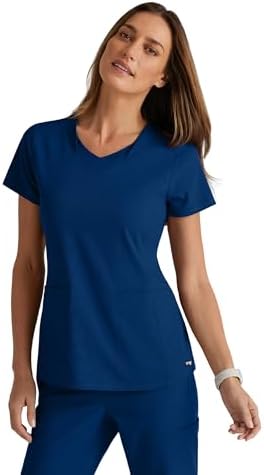


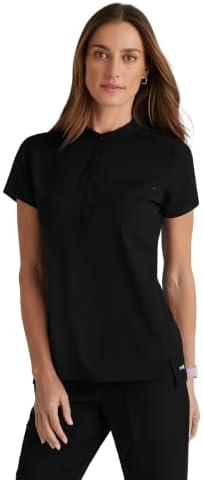
Size Range: XXS to 5XL
Price Point: $$ (Mid-range, approximately $28-38 per piece)
Best For: Soft, comfortable fabric with style variety
Grey’s Anatomy provides comfortable and stylish scrubs with a modern fit made from high-quality materials, offering soft and stretchy fabric in a range of colors. Their extensive color palette allows nurses to express personality while maintaining professionalism—important in healthcare environments where individual expression can be limited.
I particularly appreciate Grey’s Anatomy for general ward rotations where comfort during routine patient care is paramount. The fabric isn’t as technical as Figs or Jaanuu, but it’s softer against the skin during those marathon shifts.
Pros:
- Very soft, comfortable fabric
- Excellent size range to 5XL
- Diverse color and style options, including joggers and V-necks
- Good value for price
- Flattering modern fit
Cons:
- Fabric may pill slightly with heavy washing
- Less moisture-wicking than technical fabrics
- Some styles run large; check reviews
- Fewer pockets than some competing brands
5. Dickies EDS Signature and Dynamix


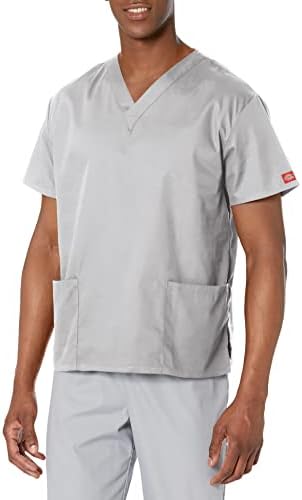
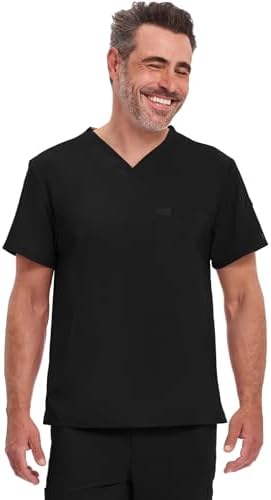


Size Range: XS to 5XL
Price Point: $ (Budget-friendly, approximately $18-30 per piece)
Best For: Value and workplace durability
Dickies brings its workwear expertise to healthcare uniforms with impressive results. Dickies EDS Signature scrubs blend polyester and cotton for a soft, comfortable fit with multiple pockets and various neckline options. For nursing students or new graduates building their scrub wardrobe on a budget, Dickies offers excellent quality without breaking the bank.
The Dynamix line targets active healthcare professionals with breathable, flexible fabrics. I recommended these to a new grad on my unit who needed to purchase multiple sets quickly, and she’s been extremely satisfied with both fit and durability after six months of ER nursing.
Pros:
- Budget-friendly without sacrificing quality
- Industrial-strength durability
- Multiple product lines to suit different needs
- Wrinkle and shrink-resistant
- Generous pocket space
Cons:
- Standard fabrics are less stretchy than premium brands
- Styling may feel more utilitarian than fashion-forward
- Color options are more limited than those of competitors
- Some nurses find waistbands run tight
6. WonderWink scrub for nurses


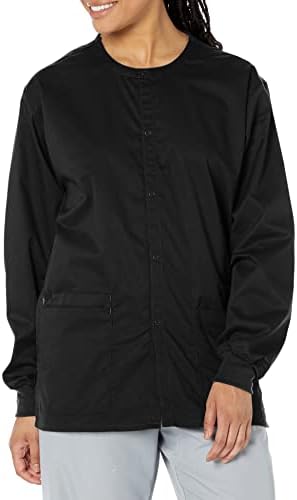
Size Range: XS to 5XL
Price Point: $$ (Mid-range, approximately $24-34 per piece)
Best For: Fashion-conscious nurses wanting functionality
WonderWink focuses on providing comfortable and fashionable scrubs designed with functionality in mind, made from high-quality polyester-cotton blends with multiple pockets. Their styles often feature unique details like contrast stitching, angled pockets, and modern silhouettes that set them apart from traditional scrubs.
During my general ward rotation, several nurses wore WonderWink scrubs with prints and patterns that patients—especially pediatric patients—found approachable and friendly. The balance between style and function makes these particularly popular among nurses who want to express personality through their workwear.
Pros:
- Stylish designs with contemporary details
- Comfortable fabric blends
- Ample storage with creative pocket placement
- Wide size range
- Good durability for the price point
Cons:
- Some styles may feel less structured
- Fashion details may not suit all hospital dress codes
- Stretch varies significantly by style line
- Limited antimicrobial options
7. Carhartt Cross-Flex
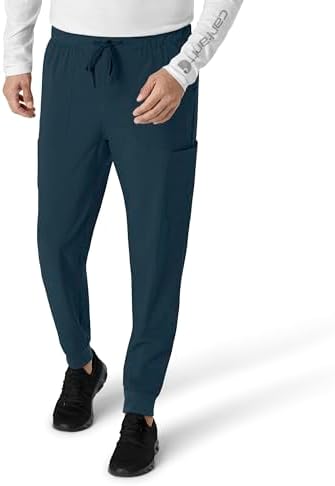
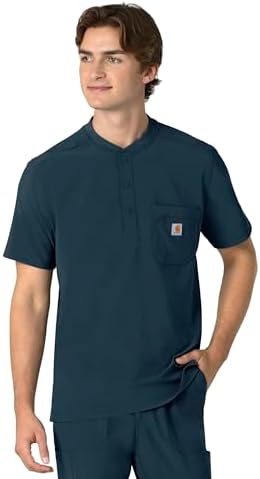




Size Range: XS to 3XL
Price Point: $$ (Mid-range, approximately $30-40 per piece)
Best For: Heavy-duty performance and stain resistance
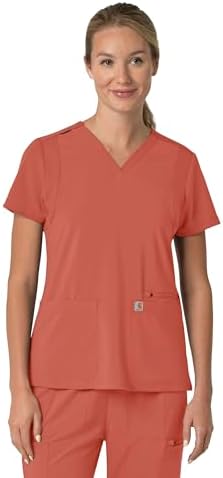
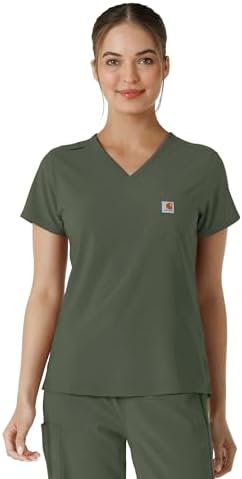
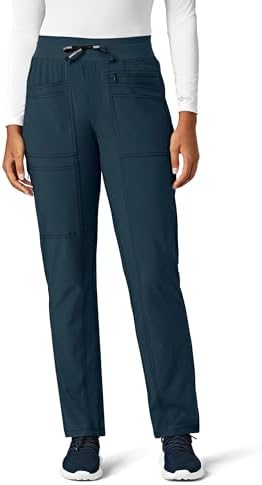
Carhartt applies its rugged workwear philosophy to medical uniforms with impressive results. Carhartt Cross-Flex scrubs feature proprietary technologies, including FastDry for moisture wicking, Stain Breaker for stain release, and Rugged Flex for enhanced stretch and movement. These are the scrubs I reach for during particularly messy shifts or when working in emergency settings where exposure to various substances is inevitable.
The multiple pocket configurations—including a unique double arm pocket—provide organization options that other brands lack. A trauma nurse colleague considers these essential for her work, particularly appreciating how well they maintain appearance even after exposure to blood and bodily fluids.
Pros:
- Superior stain resistance technology
- Excellent moisture management
- Innovative pocket designs
- Highly durable construction
- Maintains professional appearance
Cons:
- Limited extended sizing (only to 3XL)
- Fabric may feel stiffer initially
- Higher price point
- Some styles are sized for more athletic builds
Essential Features to Look for in Plus-Size Scrubs
Pocket Functionality and Placement
During a typical shift, nurses carry an impressive array of items: pens, scissors, tape, alcohol swabs, phone, badge, calculator, tourniquet, penlight, and more. Deep, reinforced pockets with secure compartments for items like scissors or phones are essential, with a lightweight design preventing bulkiness even when pockets are full.
Look for scrubs with:
- Multiple pockets strategically placed (typically 5-9 total between top and bottom)
- At least one secure pocket (zippered or buttoned) for valuables
- Reinforced stitching that prevents tearing under weight
- Adequate depth so items don’t fall out when bending
- Side cargo pockets on pants for bulkier items
- Interior security pockets for phones and badges
I once worked an entire shift with scrubs that had beautiful styling but laughably shallow pockets. By hour three, I’d dropped my pen four times and eventually resorted to clipping items to my waistband—hardly professional or efficient.
Waistband Styles and Comfort
The waistband can make or break plus-size scrub pants. Different styles suit different body types and preferences:
Elastic Waistband: Provides flexibility and accommodates natural body fluctuations throughout shifts. Look for wide elastic bands that distribute pressure evenly rather than digging in at one point.
Drawstring Waistband: Offers adjustability and control over fit. Best when combined with some elasticity for give. A pure drawstring without elastic can gap or slide during movement.
Yoga Waistband: Features a wide, smooth band similar to athletic wear. Particularly comfortable for nurses carrying weight in the midsection, as it doesn’t create the same pressure points as narrower waistbands.
Button/Zip Closure with Elastic Back: Provides structure in front with stretch in back—a nice compromise for those who want a more tailored appearance without sacrificing comfort.
During my ICU rotation, I switched to yoga-waist scrub pants and noticed immediate improvement in comfort during those long shifts spent primarily standing and walking. No more red marks at the end of the day.
Leg Openings and Hem Styles
The bottom of your scrub pants affects both appearance and functionality:
Straight Leg: Classic, professional look that works with most shoe styles. Provides adequate room without excess fabric.
Bootcut: Slight flare from knee to hem balances proportions and accommodates larger shoes or sneakers comfortably.
Jogger/Tapered: Jogger scrubs feature knit waistbands and tapered cuff legs for a comfortable fit and tailored silhouette. These have become increasingly popular, though cuffs can feel restrictive on larger calves. Check measurements carefully.
Flare: More dramatic flare from the knee down. Less common in modern scrubs, but can be flattering on pear-shaped body types.
I learned to avoid jogger styles after one unfortunate pair squeezed my calves like blood pressure cuffs. If you have athletic or fuller calves, stick with straight or bootcut styles for comfort.
How to Care for Your Plus-Size Scrubs: Maximizing Longevity
Washing Best Practices
Proper care extends the life of your scrubs significantly. After investing in quality curvy nurse uniforms, you want them to last:
Before First Wear: Wash new scrubs separately before wearing. This removes manufacturing residues and allows the fabric to settle. Some shrinkage may occur—better to discover this before your first shift.
Regular Washing:
- Separate by color, especially for the first several washes
- Turn scrubs inside out to reduce fading and pilling
- Use cold or warm water rather than hot water
- Choose gentle or normal cycles (not heavy-duty unless heavily soiled)
- Add fabric softener to reduce static in polyester-heavy blends
- Avoid overloading the washer—scrubs need room to agitate properly
Dealing with Stains: Pre-treat blood, medication, or body fluid stains immediately if possible. Hydrogen peroxide works well on blood (test on a hidden area first), while general stain removers handle most other substances. Never use hot water on protein-based stains—it sets them permanently.
Drying:
- Remove promptly to minimize wrinkles
- Tumble dry on low to medium heat
- Remove while slightly damp and hang to finish drying for minimum shrinkage
- Add a dryer sheet to control static
- Avoid high heat, which degrades elastic fibers over time
I ruined an expensive pair of Figs during nursing school by throwing them in a hot dryer after a particularly exhausting clinical day. They emerged two sizes smaller. Lesson learned: proper care is worth the extra few minutes.
Storage and Organization
Rotation System: Maintain at least 5-7 sets of scrubs to rotate through a typical work week. This prevents excessive wear on any single set and ensures you always have clean scrubs available.
Proper Hanging: Hang scrubs after they’ve cooled from the dryer. This prevents wrinkles and keeps them ready to wear. Use pants hangers that clip at the hem to avoid stretching waistbands.
Seasonal Considerations: Rotate heavier and lighter fabrics seasonally. Store off-season scrubs clean and in breathable garment bags to prevent dust accumulation and fabric degradation.
When to Replace Your Scrubs
Even with excellent care, scrubs eventually wear out. Replace them when you notice:
- Significant fading that looks unprofessional
- Thinning fabric, especially in the seat and inner thigh areas
- Elastic losing stretch (waistbands or cuffs becoming loose)
- Holes or tears, particularly in high-stress seams
- Persistent stains that won’t lift despite treatment
- Pilling that can’t be removed with a fabric shaver
As a rule, expect 18-24 months from daily-wear scrubs with proper care, though this varies by brand and work intensity. My Cherokee scrubs have far outlasted this average, while some fashion-forward brands showed wear more quickly.
Styling Tips: Looking Professional and Feeling Confident
Mixing and Matching for Versatility
Build a scrub wardrobe that works together:
Pattern Integration: If your facility allows prints, choose one statement piece (either top or bottom) and pair it with solids. Head-to-toe prints can overwhelm, especially in busy patterns.
Professional Palette: Stick to colors appropriate for your setting. Pediatrics might embrace bright colors and fun prints, while the ICU typically leans toward more subdued tones. When in doubt, ask colleagues or check your employee handbook.
Layering for Temperature Control
Hospital temperatures fluctuate wildly—one unit feels like the Arctic, the next like a sauna:
Underlayers: Fitted long-sleeve moisture-wicking shirts under scrub tops help in cold environments without adding bulk. Look for seamless styles that won’t show through.
Cardigans and Jackets: Keep a light cardigan or scrub jacket available. Many brands offer matching jackets that maintain a professional appearance while providing warmth.
Compression Socks: Beyond temperature control, proper ergonomic practices, and appropriate workwear help reduce musculoskeletal strain in healthcare workers, CDC. Quality compression socks support circulation during long-standing periods—an essential addition to any nurse’s uniform.
Accessories That Enhance Functionality
Quality Shoes: Your shoes matter as much as your scrubs. Invest in supportive nursing shoes with good arch support and cushioning. They’ll reduce foot, leg, and back fatigue significantly.
Badge Holders: Retractable badge holders keep credentials accessible without creating holes in scrub fabric from repeated pinning.
Watch: A watch with a second hand remains essential for taking pulses and timing procedures, even in the smartphone era.
Stethoscope: Keep your stethoscope clean and in good condition—it’s both a professional tool and part of your professional image.
During a particularly busy ER shift, I watched a nurse’s badge holder catch on a patient’s IV line. She switched to a magnetic badge holder afterward. Small details matter in patient safety.
Budget-Conscious Shopping Strategies
Building Your Scrub Wardrobe Over Time
You don’t need to purchase your entire scrub wardrobe at once. Start with 3-4 sets and add gradually:
Priority Order:
- Two basic sets in your facility’s required colors (typically navy, black, or teal blue)
- One additional set as a backup for laundry flexibility
- One set in a fun color or print (if allowed) for morale
- Add additional sets as budget allows
Finding Deals Without Compromising Quality
Seasonal Sales: Most scrub retailers offer major sales around Black Friday, back-to-school season, and National Nurses Week. Stock up during these periods.
Outlet Stores: Retailers like AllHeart offer over 2,000 combinations of plus-size scrubs from major brands at competitive prices. Their sales sections often feature quality brands at significant discounts.
Bundle Discounts: Many retailers offer discounts when purchasing complete sets or multiple pieces. This typically saves 10-20% compared to buying pieces individually.
Student Discounts: Nursing students often qualify for discounts at major scrub retailers. Always ask, even if not advertised.
Group Orders: Some workplaces organize group orders for volume discounts. Talk to your unit manager about coordinating orders with colleagues.
Budget Brands That Don’t Skimp on Quality
Some nurses report satisfaction with affordable scrubs from retailers like Walmart, finding them comfortable and functional for plus-size needs. While premium brands offer advanced features, budget options can certainly meet basic needs, especially for nursing students or those new to the profession.
I started with budget scrubs during nursing school and gradually upgraded to premium brands as my career progressed and I better understood my preferences. There’s no shame in starting affordably—many excellent nurses wear budget scrubs throughout their entire careers.
Common Mistakes to Avoid When Buying Plus-Size Scrubs
Mistake #1: Ordering Your “Regular” Size Without Measuring
Scrub sizing varies dramatically between brands. Your size in street clothes may not translate directly to scrubs, and your scrub size in one brand won’t necessarily match another. Always measure yourself and compare against brand-specific size charts.
Mistake #2: Prioritizing Style Over Function
That trendy scrub top with the unique neckline might look amazing, but if it doesn’t have adequate pockets or restricts your movement during patient care, it’s not doing its job. Function must come first in healthcare uniforms.
Mistake #3: Buying Only One or Two Sets
Insufficient rotation leads to excessive washing, which rapidly degrades fabric. You need at least 4-5 sets to maintain a reasonable washing schedule without emergency laundry sessions.
Mistake #4: Ignoring Fabric Content
Not all scrub fabrics perform equally. Pure cotton may feel wonderful initially, but wrinkles immediately and holds stains. Pure polyester may last forever, but it feels uncomfortable in warm environments. Check fabric content and read reviews about performance.
Mistake #5: Assuming a Higher Price Means Better Quality
While premium brands often offer advanced features, some mid-range brands perform equally well for standard nursing duties. Evaluate what features you actually need before investing in top-tier pricing.
Mistake #6: Forgetting About Shrinkage
Most scrubs undergo some shrinkage during the first washing, even when labeled pre-shrunk. If between sizes, consider sizing up slightly, especially in length.
Mistake #7: Not Reading Reviews from Other Plus-Size Nurses
Reviews from nurses with similar body types provide invaluable information about fit, comfort, and durability. Spend time reading reviews before purchasing, especially from first-time buyers of a brand.
I made virtually all these mistakes during my early nursing career. The good news? They’re all easily avoidable once you know what to watch for.
Expert Tips from a Registered Nurse: Making the Right Choice
Consider Your Clinical Environment
Your specialty area should influence scrub selection:
Emergency Department: Prioritize durable, stain-resistant scrubs with multiple pockets. You’ll be moving constantly, and exposure to various substances is inevitable. I personally prefer technical fabrics with antimicrobial protection for ER shifts.
ICU/Critical Care: Comfort during long periods of standing and bending is paramount. Choose stretchy fabrics that maintain shape and a professional appearance throughout extended shifts. Adequate pockets for multiple medications and supplies are essential.
Pediatrics: Fun prints and bright colors create an approachable appearance that helps put young patients at ease. Ensure fabrics withstand frequent washing, as pediatric units can be messy.
Medical-Surgical: Balanced scrubs that offer good durability, comfort, and professional appearance work well. This is where mid-range brands typically excel.
Operating Room: Check facility requirements—OR scrubs often have specific regulations about style and color. Some facilities provide scrubs, eliminating the need for personal purchases.
Understanding “Break-In” Periods
Some scrubs improve with washing. Technical fabrics may feel slightly stiff when new, but soften after 2-3 wash cycles. Don’t judge a scrub’s comfort entirely on first wear—give it a few washes to reach optimal feel.
Conversely, some ultra-soft scrubs feel amazing initially but lose structure quickly. Read long-term reviews (3+ months of wear) to understand how fabrics perform over time, not just out of the package.
The “Shift Test” Strategy
When trying a new brand, purchase just one set initially. Wear it for a complete shift—preferably a busy one that includes various nursing activities: patient transfers, bending, reaching, extended standing, and sitting for charting. This real-world test reveals comfort issues that won’t show up in a fitting room.
After your test shift, evaluate:
- Did waistbands dig in or slide down?
- Were pockets accessible and adequately sized?
- Did the fabric breathe appropriately for your environment?
- How did the scrubs look after 12 hours of wear?
- Any chafing, binding, or restriction during movement?
- Did you feel confident and professional throughout the shift?
Only after passing the shift test should you invest in multiple sets of that brand and style.
Seasonal Wardrobe Adjustments
Your scrub needs may vary seasonally. During my first winter as a floor nurse, I froze in the same lightweight scrubs that felt perfect in summer. Now I maintain separate warm-weather and cold-weather scrub collections:
Summer/Warm Weather: Prioritize moisture-wicking fabrics and breathable cotton blends. Lighter colors reflect heat. Short-sleeve tops provide better cooling.
Winter/Cold Weather: Heavier fabric blends retain warmth. Long-sleeve underscrubs add insulation without bulk. Darker colors absorb warmth from lighting.
The Value of Professional Fit
Some nurses benefit from professional alterations, especially for pants length. A $10-15 alteration that creates perfect hem length extends the life and professional appearance of $40 scrubs significantly. Consider this for premium purchases where fit is almost perfect but needs minor adjustments.
Cost vs. Value Analysis: Investment-Worthy Features
Features Worth Paying Extra For
Four-Way Stretch: The difference between two-way and four-way stretch is substantial during clinical work. Four-way stretch (fabric stretches both horizontally and vertically) allows unrestricted movement in all directions. Worth the premium for active nursing roles.
Antimicrobial Treatment: Antimicrobial fabrics inhibit bacterial growth and reduce cross-contamination risk, providing added protection in high-exposure environments. For ER, ICU, or infectious disease nurses, this feature justifies higher prices.
Advanced Moisture-Wicking: Standard moisture-wicking handles light perspiration adequately. Advanced moisture-wicking systems (like those in Figs or Jaanuu) manage heavy perspiration during intense shifts. Worth investing in if you work in warm environments or physically demanding roles.
Superior Stain Resistance: Basic scrubs eventually succumb to permanent staining. Advanced stain-resistance technology (like Carhartt’s Stain Breaker) maintains professional appearance longer, potentially extending scrub life by months. Calculate the cost-per-wear over extended periods.
Features You Can Skip (In Most Cases)
Designer Labels: Paying for brand prestige rather than functional benefits rarely makes sense for workwear that faces daily abuse in healthcare settings.
Excessive Style Details: Decorative elements like unnecessary buttons, zippers, or embellishments add cost without improving function and may even create infection control concerns.
Matching Sets Only: While coordinated sets look polished, mixing and matching provides more outfit variety from fewer pieces, ultimately reducing overall wardrobe costs.
Calculating True Cost Per Wear
Compare scrub investments using cost-per-wear rather than upfront price:
Budget Scrubs: $25/set ÷ 50 wears (6-month lifespan with heavy use) = $0.50 per wear
Mid-Range Quality: $60/set ÷ 150 wears (18-month lifespan) = $0.40 per wear
Premium Technical Scrubs: $90/set ÷ 250 wears (24-30 month lifespan) = $0.36 per wear
From this perspective, premium scrubs that last significantly longer can actually cost less per wear than budget options, especially when considering the improved comfort and performance throughout their lifespan.
During my ICU rotation, I watched colleagues burn through cheap scrubs every few months while my Cherokee Infinity sets lasted over two years with regular wear. The initial investment seemed steep but proved economical long-term.
Plus-Size Scrubs Comparison Table
| Brand | Size Range | Price Range | Key Features | Best For | Durability Rating |
| Cherokee Workwear/Infinity | XS-5XL | $25-40 | Four-way stretch, antimicrobial, wrinkle-free | Value and longevity | ⭐⭐⭐⭐⭐ |
| Figs | XXS-3XL | $38-48 | FIONx/FREEx fabric, moisture-wicking, modern style | Technical performance | ⭐⭐⭐⭐ |
| Jaanuu | XXS-3XL | $34-44 | Maximum stretch, antimicrobial, hidden pockets | Movement and flexibility | ⭐⭐⭐⭐ |
| Grey’s Anatomy | XXS-5XL | $28-38 | Soft fabric, extensive colors, modern fit | All-day comfort | ⭐⭐⭐⭐ |
| Dickies EDS | XS-5XL | $18-30 | Budget-friendly, durable, multiple pockets | Value-conscious buyers | ⭐⭐⭐⭐ |
| WonderWink | XS-5XL | $24-34 | Fashion-forward, functional design, variety | Style and function balance | ⭐⭐⭐½ |
| Carhartt Cross-Flex | XS-3XL | $30-40 | Stain-resistant, moisture-wicking, rugged | Heavy-duty performance | ⭐⭐⭐⭐⭐ |
Fabric Performance Comparison
| Fabric Type | Breathability | Stretch | Durability | Moisture-Wicking | Best Use Case |
| 100% Cotton | ⭐⭐⭐⭐⭐ | ⭐⭐ | ⭐⭐⭐ | ⭐ | Warm environments, sensitive skin |
| Polyester-Spandex Blend | ⭐⭐⭐ | ⭐⭐⭐⭐⭐ | ⭐⭐⭐⭐⭐ | ⭐⭐⭐⭐⭐ | Active nursing roles, ER, ICU |
| Cotton-Poly Blend | ⭐⭐⭐⭐ | ⭐⭐⭐ | ⭐⭐⭐⭐ | ⭐⭐⭐ | General med-surg, everyday wear |
| Rayon-Poly-Spandex | ⭐⭐⭐⭐ | ⭐⭐⭐⭐ | ⭐⭐⭐⭐ | ⭐⭐⭐⭐ | Comfort-focused roles, outpatient |
| Technical Performance Fabrics | ⭐⭐⭐⭐ | ⭐⭐⭐⭐⭐ | ⭐⭐⭐⭐⭐ | ⭐⭐⭐⭐⭐ | High-intensity shifts, all specialties |
The Future of Inclusive Healthcare Workwear
The scrub industry has made tremendous strides toward inclusivity in recent years, but progress continues. Emerging trends suggest even better options ahead for plus-size nurses:
Expanded Size Ranges: More brands are extending beyond 3XL and 5XL sizing, with some manufacturers now offering sizes to 8XL. This expansion recognizes that healthcare professionals come in all body types and deserve properly fitting professional attire.
Improved Fit Models: Progressive brands now use diverse fit models during design phases, ensuring scrubs fit real bodies rather than requiring bodies to fit scrubs. This approach considers how fabric drapes and moves on various body shapes, not just at static fitting.
Sustainable Fabrics: Environmental consciousness is driving innovation in sustainable scrub fabrics. Recycled polyester, organic cotton, and biodegradable fabrics are entering the market, allowing nurses to make environmentally responsible choices without sacrificing performance.
Smart Fabrics: Emerging technologies include temperature-regulating fabrics that adapt to your body heat, UV-protective treatments for nurses working in outpatient or field settings, and even fabrics that change color when exposed to certain pathogens—though this remains largely experimental.
Customization Options: Some newer brands offer semi-custom sizing where you can select different sizes for top and bottom or specify inseam lengths, creating a better fit without full custom tailoring costs.
The healthcare workwear industry increasingly recognizes that nurses perform better when comfortable and confident in their uniforms. As a profession, we’re finally seeing ourselves represented in the products designed for us.
Acknowledgments
This article was written by Abdul-Muumin Wedraogo, a registered nurse with 10 years of clinical experience in the Emergency Department, Pediatrics, Intensive Care Unit, and General Medical-Surgical ward settings. The medical information has been reviewed for accuracy based on current evidence-based practices and guidelines from the Occupational Safety and Health Administration (OSHA), the American Nurses Association (ANA), and peer-reviewed research on healthcare worker ergonomics.
Disclaimer: This content is for informational purposes only and should not replace professional medical advice or your healthcare facility’s specific uniform policies. Always consult with your healthcare provider or occupational health department for personalized recommendations regarding workplace attire and ergonomic concerns. Product recommendations are based on clinical experience and research, not paid endorsements. Individual experiences with scrub brands may vary based on body type, work environment, and personal preferences.
Special thanks to the nursing colleagues across multiple specialties who shared their scrub experiences and preferences, contributing to the practical insights in this guide. Thanks also to the manufacturers who continue advancing inclusive sizing and performance fabrics in healthcare workwear.
Frequently Asked Questions About Plus-Size Scrubs for Nurses
1. What are the best plus-size scrubs for nurses working 12-hour shifts?
For extended shifts, prioritize scrubs with four-way stretch fabric, moisture-wicking properties, and ergonomic design. Cherokee Infinity and Jaanuu consistently receive high marks from nurses working 12-hour shifts due to their combination of stretch, durability, and comfort. Look for features like wide, non-binding waistbands and breathable fabrics that won’t restrict movement during patient care activities. The key is finding scrubs that maintain their shape and comfort from hour one through hour twelve—test new brands during actual shifts before investing in multiple sets.
2. How do I find plus-size scrubs that don’t look “frumpy” or unflattering?
Modern plus-size scrubs have moved far beyond the boxy, shapeless designs of the past. Look for styles with princess seaming, which creates shape without being tight; v-necks or scoop necks that create vertical lines; and fabrics with good recovery that maintain structure throughout your shift. Brands like Figs, Jaanuu, and Grey’s Anatomy specifically design for flattering silhouettes across all sizes. Proper fit is crucial—scrubs that are too large look just as unflattering as those that are too tight. Take measurements and choose the right size rather than sizing up for comfort, then select styles with stretch fabric for both fit and flexibility.
3. Are expensive scrubs really worth the investment for plus-size nurses?
Premium scrubs often provide better value long-term despite higher upfront costs. Technical fabrics in brands like Figs, Jaanuu, and Cherokee Infinity typically last 18-24 months with regular wear, compared to 6-12 months for budget options. They maintain color better, resist stains more effectively, and provide superior comfort through features like advanced moisture-wicking and antimicrobial protection. However, “expensive” doesn’t always equal better—focus on cost-per-wear calculations and features that matter for your specific nursing role. For nursing students or new graduates, starting with quality mid-range brands like Cherokee Workwear or Dickies EDS provides excellent performance at moderate prices.
4. How should plus-size scrubs fit properly?
Properly fitted plus-size scrubs should allow a full range of motion without binding or restricting. When trying scrubs, perform nursing movements: bend forward, reach overhead, squat down, and twist side-to-side. Tops should skim your body without pulling across the bust or midsection and should be long enough to stay tucked or provide adequate coverage when reaching. Pants should sit comfortably at your natural waist or hips without digging in, with inseams long enough to reach your ankle bone when standing. You should be able to slide two fingers easily under the waistband. If fabric pulls, creates stress lines, or restricts movement, size up. If fabric sags, bags, or falls down, size down or try a different style.
5. What fabric blend is best for plus-size nurses who work in warm hospital environments?
For warm environments, prioritize moisture-wicking polyester-spandex blends (typically 90-95% polyester, 5-10% spandex) over cotton blends. While cotton feels breathable initially, it absorbs moisture rather than wicking it away, leaving you feeling damp and uncomfortable. Technical fabrics actively pull moisture from your skin to the fabric’s outer surface, where it evaporates quickly. Brands like Figs (FIONx fabric), Jaanuu (SPINryx), and Cherokee Infinity (Certainty fabric) specifically engineer their materials for temperature regulation and moisture management. Avoid heavy cotton blends and look for fabrics labeled as “moisture-wicking,” “breathable,” or “performance fabric.” Lighter colors also help by reflecting rather than absorbing heat.
6. Can I find stylish plus-size scrubs with adequate pockets for nursing equipment?
Absolutely—modern scrub design no longer requires choosing between style and functionality. Many brands now incorporate 7-9 pockets into stylish designs that don’t compromise aesthetics. Cherokee Workwear offers excellent pocket functionality with contemporary styling. WonderWink and Grey’s Anatomy balance fashion-forward designs with practical storage solutions. Look specifically for: multiple cargo pockets on pants, at least two top pockets plus one secure pocket (zippered or buttoned) for valuables, and specialized pockets like pen slots or instrument loops. Read product descriptions carefully and check review photos from actual nurses to see pocket placement and capacity in real use.
7. How often should I replace my plus-size scrubs?
Replace scrubs when they show significant wear that compromises professional appearance or functionality. Typically, this occurs after 18-24 months of regular use with proper care, though this varies by brand quality and work intensity. Specific signs it’s time to replace: visible fading that looks unprofessional, thinning fabric (especially in seat and inner thigh areas), elastic losing stretch in waistbands or cuffs, persistent stains that won’t lift, holes or tears in seams, or pilling that can’t be removed. High-quality brands like Cherokee, Carhartt, and Dickies often exceed this timeframe. Rotate multiple sets rather than wearing the same scrubs constantly, and follow proper washing instructions to maximize longevity. Budget for replacing 2-3 sets annually as part of normal work expenses.
8. Do plus-size scrubs require special washing instructions compared to standard sizes?
Plus-size scrubs follow the same care instructions as standard sizes—proper washing technique matters more than size. Always turn scrubs inside out before washing to reduce fading and pilling. Use cold or warm water (never hot) and gentle to normal cycles. Avoid overloading the washing machine—scrubs need adequate space to agitate and clean properly. For drying, use low to medium heat and remove promptly to minimize wrinkles. High heat degrades elastic fibers over time regardless of scrub size. Pre-treat stains immediately when possible, especially blood and medication stains. The key difference for plus-size nurses is ensuring adequate wardrobe rotation—having 5-7 sets prevents excessive washing frequency that accelerates wear.
9. What are the most durable plus-size scrub brands for high-intensity nursing roles?
For demanding roles like emergency nursing, trauma care, or ICU, durability is paramount. Cherokee Workwear and Cherokee Infinity consistently rank highest for longevity, with many nurses reporting 3+ years of regular use. Carhartt Cross-Flex applies industrial workwear technology to medical uniforms with exceptional results—their reinforced stitching and durable fabrics withstand the toughest nursing conditions. Dickies EDS brings similar workwear heritage to healthcare settings. Look for scrubs with reinforced stress points, double-stitched seams, and heavyweight fabrics (typically 5-7 oz/sq yard). Avoid ultra-lightweight or fashion-focused brands for high-intensity roles—they won’t withstand the physical demands. Investment in durable brands pays off through extended wear and maintained professional appearance.
10. Are there plus-size maternity scrubs available for pregnant nurses?
Yes, several brands offer plus-size maternity scrubs, though the selection is more limited than standard plus-size options. Cherokee and Dickies both offer maternity lines that extend into plus sizes, featuring expandable belly panels and adjustable waistbands. Grey’s Anatomy offers some maternity styles in extended sizes. Alternatively, many pregnant nurses size up in regular plus-size scrubs with elastic or drawstring waistbands, wearing them below the belly. Maternity scrubs typically include side ruching for expansion and longer top lengths for adequate coverage. Start exploring maternity options during your second trimester before standard scrubs become uncomfortable. Budget for 3-4 maternity sets since you’ll likely need different sizes as pregnancy progresses. Some nurses successfully transition between regular plus-size scrubs and maternity styles as needed.
Medical References
Centers for Disease Control and Prevention. (2024). Healthcare Worker Safety and Wellness. Retrieved from https://www.cdc.gov/niosh/topics/healthcare/default.html
Occupational Safety and Health Administration. (2024). Healthcare: Ergonomics. U.S. Department of Labor. Retrieved from https://www.osha.gov/healthcare/ergonomics
American Nurses Association. (2024). Safe Patient Handling and Mobility. Retrieved from https://www.nursingworld.org/practice-policy/work-environment/health-safety/safe-patient-handling/
National Institute for Occupational Safety and Health. (2024). Musculoskeletal Disorders and Workplace Factors. Centers for Disease Control and Prevention. Retrieved from https://www.cdc.gov/niosh/docs/97-141/
World Health Organization. (2024). Health Worker Safety and Well-being. Retrieved from https://www.who.int/teams/health-workforce/health-worker-safety
Bureau of Labor Statistics. (2024). Nonfatal Occupational Injuries and Illnesses Requiring Days Away From Work, 2023. U.S. Department of Labor. Retrieved from https://www.bls.gov/iif/
American Association of Occupational Health Nurses. (2024). Workplace Wellness and Safety Guidelines. Retrieved from https://www.aaohn.org/
International Journal of Nursing Studies. (2024). Occupational Health and Safety in Nursing Practice. Elsevier. Retrieved from https://www.journalofnursingstudies.com/
Conclusion: Empowering Nurses Through Better Workwear
Finding the right plus-size scrubs transforms your nursing experience from enduring discomfort to performing at your best. After 10 years in clinical practice, I can confidently say that comfortable, well-fitting scrubs directly impact your ability to provide excellent patient care—when you’re not distracted by pinching waistbands, restrictive fabrics, or inadequate pockets, you can focus entirely on what matters most: your patients.
The healthcare uniform industry has made remarkable progress toward inclusive sizing and design. Whether you choose budget-friendly Dickies, reliable Cherokee, technical Figs, or any of the excellent brands now offering extended sizes, options exist that will meet your needs for comfort, style, and functionality. Remember that the “best” scrubs are ultimately the ones that work for YOUR body, YOUR specialty, and YOUR budget.
Start by measuring accurately, researching brands that align with your needs, and testing one set before investing in multiples. Don’t compromise on features that matter for your role—adequate pockets, appropriate stretch, and durability are non-negotiable for successful nursing practice. With proper care, quality scrubs will support you through countless shifts, patient interactions, and those unexpectedly long days when nothing goes as planned.
Ready to upgrade your nursing wardrobe? Share your favorite plus-size scrub brands in the comments below—I’d love to hear what’s working for nurses across different specialties and healthcare settings. Have questions about specific brands or need recommendations for your situation? Drop your questions in the comments, and let’s support each other in finding scrubs that help us do our best work.
Don’t forget to subscribe to our newsletter for more evidence-based nursing tips, workwear reviews, and healthcare lifestyle content designed specifically for nurses who want to look good, feel great, and provide exceptional care.
Remember: You deserve scrubs that fit properly, function flawlessly, and make you feel confident throughout every shift. Investing in quality workwear isn’t vanity—it’s recognizing that comfortable, professional nurses provide better patient care. Here’s to finding scrubs that work as hard as you do!